
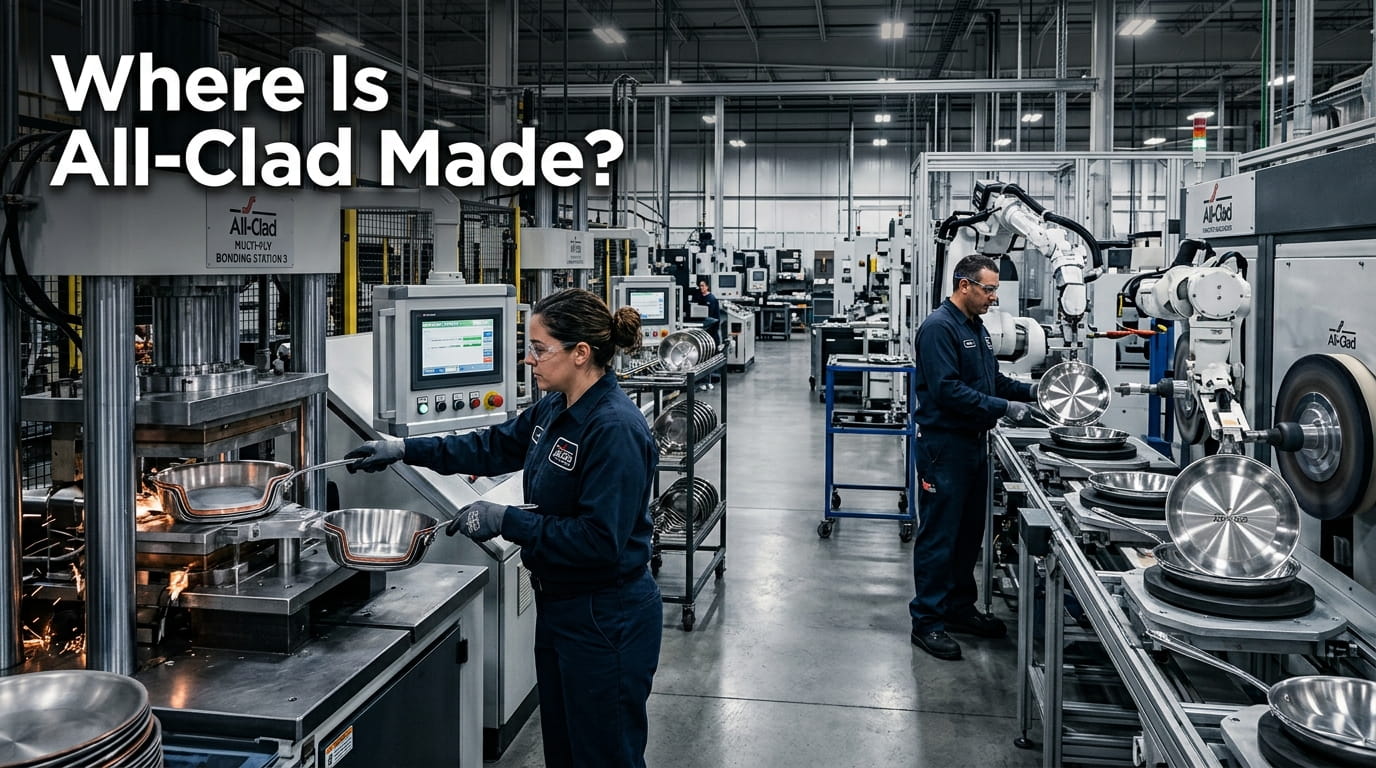
All-Clad cookware is made in Canonsburg, Pennsylvania, USA, where the company has operated its sole manufacturing facility continuously since its founding in 1971, making it one of the last major American cookware brands to maintain domestic production for its core product lines.
All-Clad is known for pioneering the fully bonded stainless steel cookware category, bonding layers of stainless steel and aluminum under extreme pressure to create a pan that combines the durability of steel with the superior heat conductivity of aluminum, a construction method that has been copied by virtually every cookware brand since.
All-Clad Metalcrafters, LLC is owned by Groupe SEB, a French consumer goods conglomerate that acquired the brand in 1988 and also owns T-fal, Rowenta, Krups, and Tefal; despite French ownership, the Canonsburg factory has remained operational and continues to produce all bonded stainless steel lines in Pennsylvania.
Knowing where All-Clad is made matters because domestic manufacture is a core part of the brand’s value proposition, and understanding which specific product lines are truly American-made versus imported helps buyers make informed purchasing decisions.
This article covers which All-Clad collections are made in the USA, which are made overseas, the ownership history, and how All-Clad compares to Le Creuset on country of manufacture.
So let’s get started.
Table of Contents
Where Is All-Clad Cookware Made?
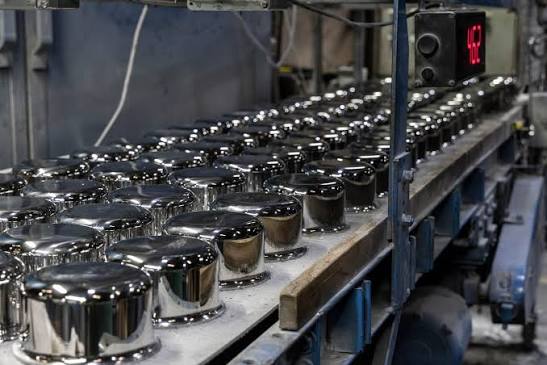
All-Clad stainless steel bonded cookware is manufactured at the company’s factory in Canonsburg, Pennsylvania, about 30 miles south of Pittsburgh.
According to the All-Clad Wikipedia entry, the company was founded there by metallurgist John Ulam in 1971, and the factory has operated continuously since then.
The bonded stainless lines including D3, D3 Everyday, D5, Copper Core, and the newer G5 Graphite Core are all produced at this Pennsylvania facility.
The production process at Canonsburg begins with raw stainless steel and aluminum coils sourced largely from within a 500-mile radius of the factory.
Skilled workers bond multiple metal layers under high pressure, then form, machine, and finish each piece by hand through a process that involves over 100 individual steps per pan.
The factory employs approximately 110 to 180 workers in total, making it a meaningful employer in Washington County.
Canonsburg has such a strong identity tied to All-Clad that the borough officially designated May 21 as All-Clad Day, and the factory holds a biannual sale that draws buyers from across the region for discounts of up to 70 percent off retail on factory-second items with minor cosmetic imperfections.
Which All-Clad Products Are NOT Made in the USA?
Not every product sold under the All-Clad name is made in Pennsylvania. The HA1 and Essentials hard-anodized non-stick collections are manufactured entirely in China.
The All-Clad Gourmet line, despite its stainless steel construction, is also produced in China.
These non-U.S. lines allow All-Clad to offer lower price points in cookware categories where the proprietary American bonding process is not the defining feature.
Some components of even the American-made bonded lines are sourced internationally. Lids and handles for certain D3 and D5 pieces are manufactured in China and shipped to Canonsburg, where they are attached and inspected as part of the final assembly.
All-Clad is transparent about this, describing the bonded cookware as manufactured in Pennsylvania, which accurately reflects where the core bonding, forming, and finishing steps occur even if some components arrive from overseas.
Buyers who apply a strict all-domestic-content standard should be aware of this distinction. Buyers focused on where the primary manufacturing and craftsmanship occur will find that the bonded stainless lines fully qualify as American-made products in any meaningful sense of that description.
Who Owns All-Clad?
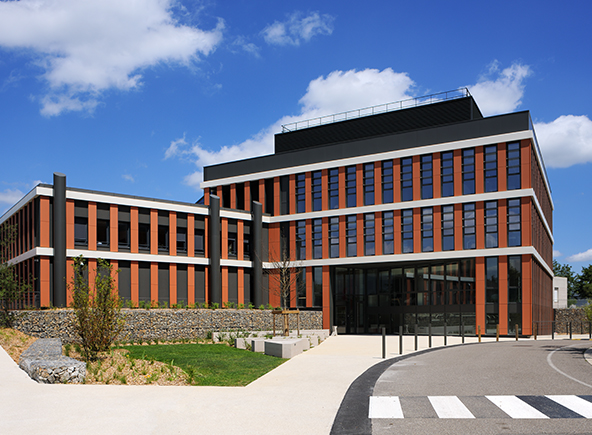
All-Clad has been owned by Groupe SEB, a French consumer products group, since 1988. Groupe SEB is headquartered in Écully, France, and is one of the world’s largest manufacturers of small household appliances and cookware, with brands including T-fal, Tefal, Rowenta, Moulinex, and Krups in its global portfolio.
Despite the corporate parent being French, Groupe SEB has not relocated All-Clad’s manufacturing from Pennsylvania in the nearly four decades it has owned the brand.
John Ulam, All-Clad’s founder, was a metallurgist who held over 75 metal fabrication patents and applied industrial metal-bonding technology to cookware for the first time.
His original insight was that by bonding stainless steel and aluminum under pressure, he could create a pan that eliminated hot spots without the reactivity or durability problems of pure aluminum.
All-Clad’s Canonsburg factory still uses a version of this bonding process refined over more than 50 years of production.
Groupe SEB acquired All-Clad as part of its strategy to build a premium American cookware presence, complementing its European brand portfolio.
The French parent has invested in factory expansions at the Canonsburg site over the years, supporting increased production capacity for bonded cookware lines as All-Clad’s reputation in professional and home cooking circles continued to grow internationally.
All-Clad vs. Le Creuset: Where Is Each Brand Made?
All-Clad and Le Creuset are two of the most premium cookware brands available in the United States, and both have a meaningful made-in-their-country-of-origin story.
All-Clad’s bonded stainless steel is made in Canonsburg, Pennsylvania. Le Creuset’s signature enameled cast iron cookware is made in Fresnoy-le-Grand, France, where the company has operated its foundry since 1925.
The two brands occupy different segments of the premium cookware market. All-Clad is the dominant choice for stainless steel cookware, prized for its responsiveness on the stovetop, its suitability for developing pan sauces, and its durability over decades of professional use.
Le Creuset dominates the enameled cast iron segment with its Dutch ovens and braisers, which excel at low-and-slow cooking, oven-to-table presentation, and heat retention for dishes that benefit from even, sustained heat.
Both brands are owned by European parent companies: All-Clad by France’s Groupe SEB and Le Creuset by a South African investment group. Both have maintained their original country-of-manufacture commitments despite changes in corporate ownership. For buyers who want to support American-made cookware, All-Clad’s bonded stainless lines remain one of the strongest options at the premium price tier. For other cookware origin articles, see Where Is Caraway Cookware Made.
Frequently Asked Questions About All-Clad
Is All-Clad made in the USA?
Yes, for the bonded stainless steel collections. All-Clad D3, D5, Copper Core, and G5 Graphite Core are manufactured at the Canonsburg, Pennsylvania factory. The HA1 and Essentials non-stick lines and the Gourmet collection are made in China.
Who owns All-Clad?
All-Clad is owned by Groupe SEB, a French cookware and small appliances conglomerate headquartered in Écully, France. Groupe SEB acquired All-Clad in 1988. Despite foreign ownership, All-Clad’s bonded cookware production has remained in Canonsburg, Pennsylvania throughout that period.
What is the best All-Clad collection made in the USA?
The D3 Stainless is All-Clad’s entry-level American-made bonded collection and the most widely purchased. The D5 adds additional metal layers for more even heat distribution. The Copper Core replaces the aluminum core with copper for faster thermal response, and the G5 Graphite Core is the newest collection using graphite for exceptional heat uniformity. All four are made in Pennsylvania.
Are All-Clad lids made in the USA?
No. The lids and handles for some All-Clad bonded collections are manufactured in China and shipped to Canonsburg, where they are attached and inspected during final assembly. The pan bodies themselves, including all bonding, forming, and finishing steps, are performed at the Pennsylvania factory.
I am Jack Neel, a mechanical engineer, researcher, and writer. I created this website to share my knowledge about different brands and products with you. I research the manufacturers behind the brands and provide you with the information you need to make smart buying decisions.