
Blue Coolers has carved out a loyal following as a direct to consumer alternative to Yeti, promising similar ten day ice retention at roughly half the price.
The brand keeps overhead low by skipping expensive retail markups and celebrity endorsements.
Blue Coolers is a family owned company founded in 2018 by two friends, Marcus Sorensen and Chris Studdert, and the company operates out of Battle Ground Washington.
So who makes Blue Coolers and are they worth buying in 2026?
This guide covers ownership, manufacturing details, real owner feedback, and how Blue Coolers compares to Yeti and RTIC. Keep reading before you buy.
Table of Contents
Who Owns Blue Coolers
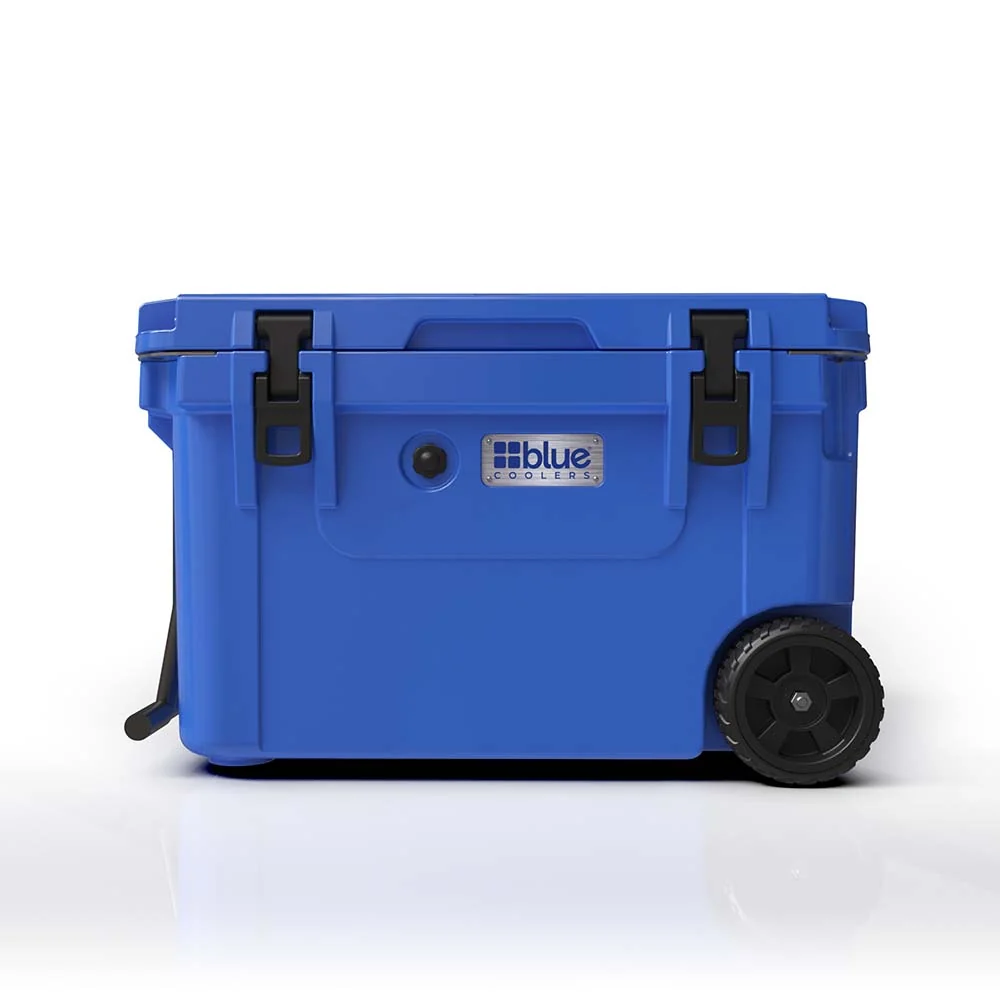
Blue Coolers is a family owned company founded by two friends, Marcus Sorensen and Chris Studdert, according to Blue Coolers.
The founders combined a background in manufacturing and procurement with a shared frustration over the cost of premium coolers, launching the brand in 2018 to build a best in class cooler that did not break the bank.
Blue Coolers remains a primarily direct to consumer company with minimal overhead, which the founders point to as the reason they can keep prices well below brands like Yeti.
Where Are Blue Coolers Made
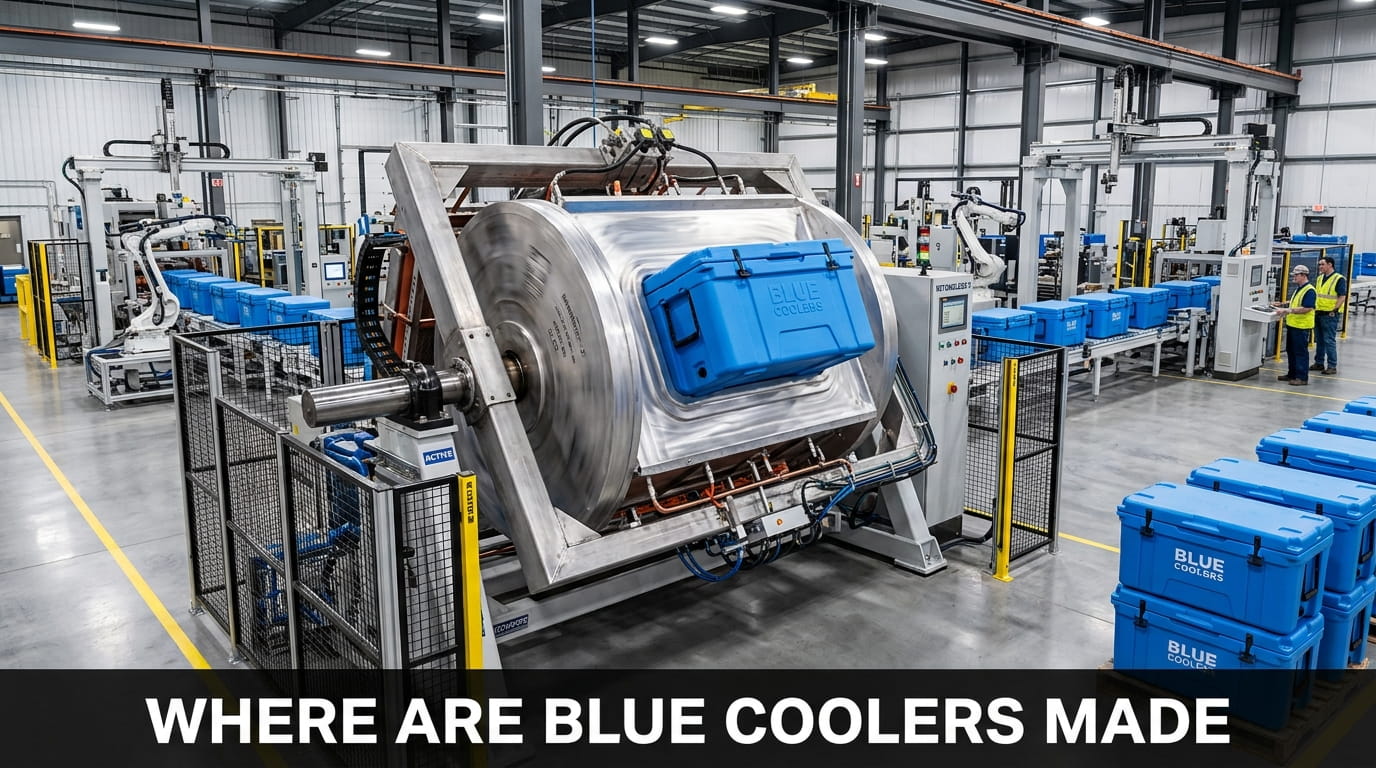
Blue Coolers are designed in the United States but manufactured in China, according to a detailed brand investigation from Best Cooler Reviews, which contacted the company directly to confirm sourcing details.
Once produced, the coolers are imported to the company facility in Salt Lake City Utah, where they are distributed to customers across the country.
This overseas production is a major reason Blue Coolers can offer roto molded coolers with two inches of insulation at roughly half the price of comparable Yeti models.
A Look At Blue Coolers History
Blue Coolers launched in 2018 after founders Marcus Sorensen and Chris Studdert decided to apply their combined manufacturing and procurement experience to the cooler market.
The brand built its early reputation through direct comparison videos on YouTube, including ice retention tests against unnamed leading brands that were widely understood to be Yeti.
Since launch, Blue Coolers has released updated Version 2 and Version 3 models with improved gaskets, latches and a pressure release valve, expanding into emergency preparedness kits alongside its core cooler lineup, a similar expansion pattern to what we cover in our who makes Sports Afield safes guide.
Blue Coolers And Made In USA Considerations
Blue Coolers does not market itself as a made in USA brand, and the company has confirmed directly that manufacturing takes place in China rather than at a domestic facility.
This puts Blue Coolers in the same import focused category as RTIC rather than alongside domestic brands like Grizzly or Canyon.
Buyers who specifically want a domestically produced cooler should look elsewhere, though Blue Coolers remains a strong option for buyers who prioritize value over country of manufacture, a similar tradeoff to what we cover in our where Pit Boss grills are made guide.
Blue Coolers Warranty And Customer Support
Blue Coolers offers a five year extended warranty on hard sided coolers covering manufacturing defects, along with a ninety day initial satisfaction guarantee for new purchases.
Customer support is handled directly by the company small team, and Blue Coolers promises quick and convenient service as one of its four core brand commitments.
Owners generally describe support as responsive for a smaller direct to consumer brand, with the company processing most orders and shipping within forty eight business hours.
Blue Compared To Other Cooler Brands
Blue Coolers is most often compared directly with Yeti, since the brand built much of its marketing around matching Yeti performance at a significantly lower price.
According to GearChase, Blue Coolers performed comparably to Yeti and RTIC coolers the reviewer had used previously, with a few features like the wheeled design and square shape preferred over competing options.
Compared with RTIC, another budget rotomolded brand, Blue Coolers and RTIC are frequently cross shopped by value focused buyers, with the decision often coming down to available sizes and specific feature preferences.
For buyers who want Yeti level ice retention without the Yeti price tag, Blue Coolers consistently comes up as one of the strongest value alternatives on the market.
Is Blue Cooler Really Good
Feedback on Blue Coolers across owner reviews and independent testing is generally positive, particularly among buyers who specifically wanted premium level ice retention at a fraction of the Yeti price.
Amazon reviews show Blue Coolers earning roughly seventy seven percent five star ratings, with owners consistently praising the ten day ice retention claim as accurate under real world testing conditions.
Several reviewers specifically mention the thicker insulation compared to similarly sized Yeti models, along with the durable rubber T latches and rapid drain system as standout features for the price.
On the downside, some owners report the drain plug is not attached to the cooler and can be easily misplaced, and a handful of reviews mention the rope handle T straps breaking after extended heavy use.
A smaller number of complaints reference the coolers being quite heavy once loaded, along with occasional shipping damage on the larger sized models.
Overall Blue Coolers earns a solidly positive reputation heading into 2026, and it remains one of the more recommended budget rotomolded brands for buyers who find premium competitors too expensive.
Blue Coolers Frequently Asked Questions
Where Are Blue Coolers Made
Blue Coolers are designed in the United States but manufactured in China, then imported to the company facility in Salt Lake City Utah.
Who Owns Blue Coolers
Blue Coolers is a family owned company founded by Marcus Sorensen and Chris Studdert in 2018.
Are Blue Coolers As Good As Yeti
Independent testing shows Blue Coolers performing comparably to Yeti on ice retention while costing roughly half the price.
Is Blue Coolers A Good Brand
Yes, Blue Coolers is well regarded in 2026 as one of the strongest value alternatives to premium rotomolded brands like Yeti.

I am Jack Neel, a mechanical engineer, researcher, and writer. I created this website to share my knowledge about different brands and products with you. I research the manufacturers behind the brands and provide you with the information you need to make smart buying decisions.