
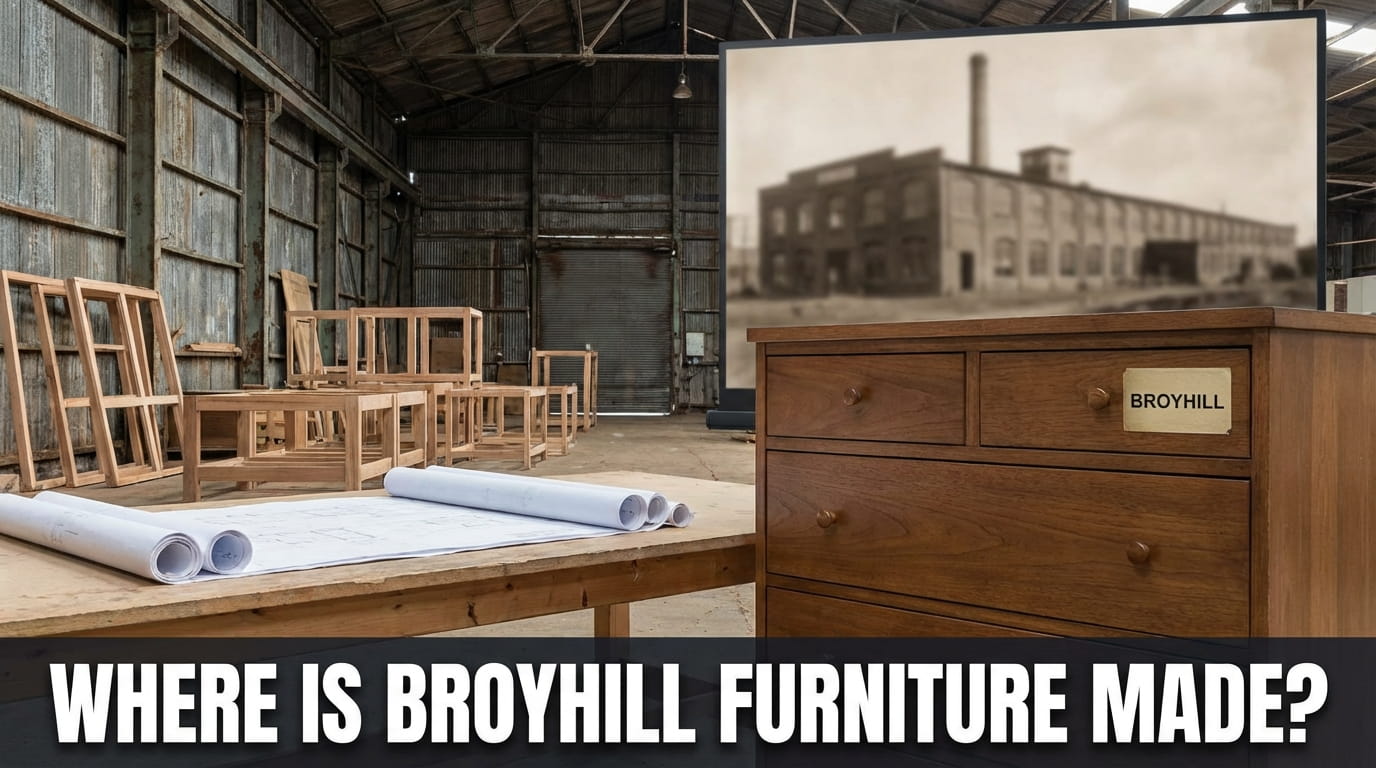
Broyhill has been a recognized name in American furniture for generations, synonymous with household pieces found in many homes.
Over its long history, the brand has experienced significant transformations, leading to questions about its current ownership, manufacturing processes, and overall market standing. Understanding these changes is key for any consumer considering Broyhill products today.
This comprehensive guide delves into the specifics of who makes Broyhill furniture, where these products are manufactured, and what consumers can expect from the brand in the current marketplace. We aim to provide clear, factual information, helping you make informed decisions about your furniture purchases.
Table of Contents
Who Owns Broyhill
Broyhill Furniture Industries was originally founded in 1926 by James Edgar Broyhill in Lenoir, North Carolina. For decades, it operated as an independent, family-owned furniture manufacturer, growing to become one of the largest and most prominent names in the American furniture industry.
In 1988, Broyhill Furniture was acquired by Masco Corporation, a diversified manufacturer of building products. This acquisition marked a significant shift from its family-owned roots, integrating Broyhill into a larger corporate structure alongside other furniture brands.
The brand changed hands again in 2000 when Masco Corporation spun off its furniture division to create Furniture Brands International (FBI). Broyhill became a flagship brand within FBI, alongside other well-known names like Lane and Thomasville.
Furniture Brands International faced financial difficulties and filed for Chapter 11 bankruptcy protection in 2013. Following its restructuring, FBI emerged as Heritage Home Group (HHG) later that year, continuing to operate Broyhill and its other brands.
However, Heritage Home Group also encountered severe financial challenges and filed for bankruptcy in 2018. During the liquidation of HHG’s assets, the Broyhill brand, including its intellectual property and trademarks, was put up for sale.
In 2019, Authentic Brands Group (ABG) acquired the Broyhill brand name. ABG is a global brand development, marketing, and entertainment company based in New York City. ABG specializes in acquiring and managing a diverse portfolio of intellectual property, licensing brands to various manufacturers and retailers.
Therefore, while the original manufacturing entity no longer exists, the Broyhill brand itself is now owned by Authentic Brands Group. ABG does not manufacture products directly but instead licenses the Broyhill name to other companies for production and retail.
Who Makes Broyhill Products
Following Authentic Brands Group’s acquisition of the Broyhill brand, the manufacturing model shifted significantly. Broyhill products are no longer made in factories directly owned or operated by the historic Broyhill Furniture Industries.
Instead, various manufacturers are licensed by Authentic Brands Group to produce furniture and home goods under the Broyhill name. These licensees are independent companies responsible for the design, manufacturing, and distribution of Broyhill-branded items.
For example, Big Lots, a discount retailer, began offering a line of Broyhill furniture products in 2019. These products are manufactured by third-party suppliers who work directly with Big Lots, under license from ABG.
Similarly, Lowe’s, a major home improvement retailer, also holds a licensing agreement to sell Broyhill patio furniture and other home decor items. These products are made by different manufacturers specifically for Lowe’s, also under the ABG license.
This licensing strategy means that the specific company making a Broyhill product can vary widely depending on the type of product and the retailer selling it. It is not a single manufacturing entity but a network of licensees producing items under the Broyhill brand.
Where Are Broyhill Products Made?
Historically, Broyhill Furniture Industries was deeply rooted in North Carolina, with a significant number of its factories located in the furniture-producing region of the state, particularly around Lenoir. For decades, Broyhill furniture was proudly made in the USA.
However, with the change in ownership and the adoption of a licensing model by Authentic Brands Group, the manufacturing landscape for Broyhill products has evolved dramatically. The original Broyhill factories in North Carolina are no longer in operation under the Broyhill brand.
Today, the exact manufacturing location for Broyhill-branded products depends entirely on the specific licensee and the product line. Many furniture manufacturers supplying large retailers have extensive global supply chains.
For most contemporary Broyhill-branded furniture, particularly the more budget-friendly lines sold at retailers like Big Lots and Lowe’s, production is often outsourced to facilities in Asia. Countries such as Vietnam, China, and Malaysia are common manufacturing hubs for mass-market furniture.
Consumers can typically find information about the country of origin on the product’s label, tag, or packaging. This information is legally required and provides the most accurate detail for a specific item.
It is important for consumers to understand that “where are Broyhill products made” no longer refers to a single, consistent location, but rather to the diverse manufacturing sites of its various licensees around the world.
Who Sells Broyhill Products?
In the past, Broyhill furniture was sold through a network of independent furniture dealers and Broyhill-branded showrooms across the United States. This distribution model was common for established furniture manufacturers.
With the shift to a licensing model under Authentic Brands Group, the distribution channels for Broyhill products have also changed. The brand is now primarily found through major retail partners who hold licensing agreements.
One prominent retailer that sells Broyhill furniture is Big Lots. They introduced a broad range of Broyhill indoor furniture, including living room, bedroom, and dining room pieces, shortly after ABG acquired the brand.
Lowe’s Home Improvement stores also carry a significant line of Broyhill-branded products. Their offerings typically focus on outdoor patio furniture, as well as some indoor home decor items and occasional furniture pieces.
These retailers offer Broyhill products both in their physical store locations and through their respective e-commerce websites. This makes the brand widely accessible to consumers seeking value-oriented furniture and home goods.
The strategy is for Broyhill products to be available at accessible price points within these large retail environments, rather than through specialized furniture boutiques or dedicated brand showrooms.
Is Broyhill a Good Brand?
The question “is Broyhill a good brand” is complex, as the perception of quality and value has evolved significantly throughout its history. Historically, Broyhill was widely regarded as a solid, mid-range furniture brand known for its durability and classic styling.
Many consumers who purchased Broyhill furniture prior to the 2000s recall pieces that lasted for decades, representing a reliable investment for families. This legacy built a strong reputation for the brand over many years.
However, following the various ownership changes and particularly after the adoption of the licensing model by Authentic Brands Group, consumer perceptions of Broyhill’s quality have become more varied. The brand no longer operates with the same manufacturing and design controls it once had.
Current Broyhill products, primarily sold at retailers like Big Lots and Lowe’s, are generally positioned as more budget-friendly options. This positioning often means that materials and construction methods may differ from the legacy Broyhill furniture.
Reviews on retail websites and consumer forums, such as Reddit (e.g., r/furniture, r/buyitforlife discussions about brand quality), often reflect this shift. Some consumers express satisfaction with the value for the price point, particularly for seasonal or temporary use items like patio furniture.
Other consumers, however, compare current products to the older Broyhill quality and may find the newer offerings do not meet those high expectations. It is important to evaluate current Broyhill products based on their present-day specifications and price, rather than solely on the brand’s historical reputation.
Overall, Broyhill can be a good brand for consumers seeking affordable and functional furniture, especially for casual or transitional spaces. It is advisable to inspect specific items, read recent reviews for that particular product line, and set expectations appropriate for its current market segment.
Is Broyhill Still in Business?
Yes, Broyhill is still very much in business, though its operational model has fundamentally changed. The brand continues to be an active presence in the home furnishings market.
As previously detailed, the Broyhill brand name, along with its associated intellectual property, is owned by Authentic Brands Group (ABG). ABG specializes in preserving and expanding brands through licensing agreements.
Under ABG’s ownership, Broyhill products are currently available through major retail partners such as Big Lots and Lowe’s. These retailers offer a variety of Broyhill-branded furniture and home goods.
Therefore, while the original manufacturing entity, Broyhill Furniture Industries, is no longer operational, the Broyhill brand itself is thriving as a licensed property. Consumers can still purchase new Broyhill-branded items.
This distinction is crucial: the *brand* of Broyhill is active and growing under its new ownership, even if the traditional company structure and manufacturing facilities are not what they once were. This allows the legacy name to continue reaching consumers through new channels.
Is Broyhill Owned by China?
The question of whether Broyhill is owned by China is a common one, particularly given the global nature of manufacturing and ownership in many industries today. The answer is straightforward: Broyhill is not owned by a Chinese company.
The Broyhill brand is currently owned by Authentic Brands Group (ABG), which is an American company based in New York City. ABG’s portfolio includes a wide range of global brands across fashion, sports, entertainment, and home goods.
While the ownership of the brand is American, it is important to clarify the distinction between brand ownership and manufacturing location. As discussed earlier, many Broyhill-branded products are manufactured by licensees, and these licensees often utilize factories in Asia, including China, Vietnam, and other countries.
Therefore, while you might find a Broyhill product with a “Made in China” label, this indicates the country of origin for that specific item’s manufacturing, not the nationality of the company that owns the Broyhill brand itself.
This is a common practice in the global consumer goods market, where brand ownership and manufacturing can be located in different parts of the world to optimize production and supply chains. Broyhill, under ABG, follows this globalized model.
Conclusion
Broyhill’s journey from a family-owned North Carolina manufacturer to a licensed brand under a global intellectual property firm reflects broader trends in the furniture industry. While the foundational company behind Broyhill is no longer operational in its original form, the brand endures.
Today, Broyhill is owned by Authentic Brands Group, an American company that licenses the brand name to various manufacturers and retailers. This means that “who makes Broyhill” and “where are Broyhill products made” are questions with diverse answers, depending on the specific product and retail partner.
Retailers like Big Lots and Lowe’s now sell Broyhill-branded items, which are largely manufactured by third-party licensees, often in Asian countries. For consumers, this translates to accessible pricing and widespread availability, though often with a different quality profile than the legacy Broyhill furniture.
The Broyhill brand is still in business and accessible to consumers, offering a range of furniture and home goods. When considering a purchase, it’s essential to evaluate current offerings based on their contemporary specifications and price point, rather than solely on the brand’s rich historical reputation.

I am Jack Neel, a mechanical engineer, researcher, and writer. I created this website to share my knowledge about different brands and products with you. I research the manufacturers behind the brands and provide you with the information you need to make smart buying decisions.