
Consumer Cellular, the popular mobile virtual network operator (MVNO), is owned by AT&T. This acquisition brought a long-standing independent brand under the umbrella of one of the largest telecommunications companies in the United States.
For those unfamiliar with the company, Consumer Cellular purchases wireless network capacity from major carriers at wholesale rates and then resells it to consumers under its own brand. It is particularly known for its affordable, flexible cell phone plans, often marketed to seniors and value-conscious individuals.
AT&T, a diversified multinational telecommunications holding company, strategically acquired Consumer Cellular, integrating this MVNO into its portfolio. AT&T now serves as the parent company, providing the underlying network and resources.
But what does this ownership mean for Consumer Cellular customers, its services, and its future?
This article will explore the details of who owns Consumer Cellular, the acquisition details, how it impacts services, and what this means for current or potential Consumer Cellular customers.
So let’s get started.
Table of Contents
Who Acquired Consumer Cellular and When Did It Happen?
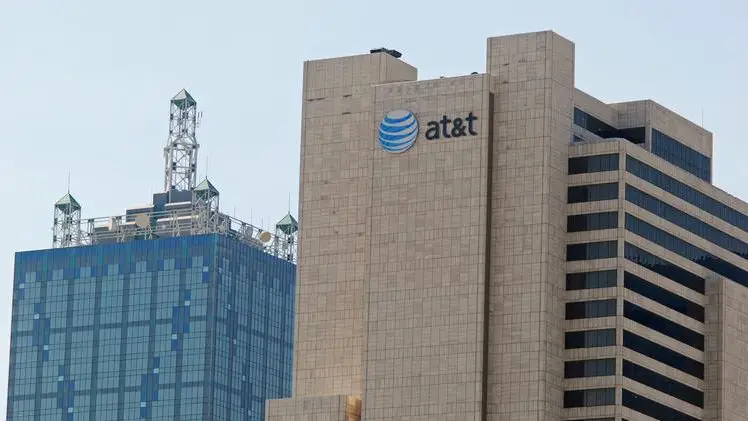
The acquisition of Consumer Cellular by AT&T marked a significant event in the mobile telecommunications sector. AT&T officially completed the purchase of Consumer Cellular in November 2023.
This acquisition aligned with AT&T’s broader strategy to expand its reach and diversify its customer base, especially within the growing market of older adults and budget-conscious consumers.
Prior to the acquisition, Consumer Cellular operated for over two decades as a privately held company. It was founded in 1995 by John Marick and Greg Pryor, with the goal of providing simple, affordable cell phone services.
The company developed a strong reputation for customer service and tailored offerings, especially appealing to its target demographic.
AT&T’s decision to acquire such a well-established and respected MVNO underscored the value of Consumer Cellular’s brand loyalty and its successful business model.
This integration allowed AT&T to directly reach a segment of the market that Consumer Cellular cultivated for many years.
What Exactly Is Consumer Cellular’s Business Model?

Consumer Cellular operates as a Mobile Virtual Network Operator, or MVNO. This means the company does not own its own cellular towers or physical network infrastructure.
Instead, Consumer Cellular leases wireless network access from major carriers at wholesale prices. Historically, it used capacity from both AT&T and T-Mobile networks.
After the acquisition, its primary network provider became AT&T, simplifying operations and ensuring seamless integration with its parent company.
Consumer Cellular’s business model focuses on offering value-driven, straightforward cell phone plans. These plans are designed for flexibility, allowing customers to choose data, talk, and text amounts that suit their specific usage patterns.
A key differentiator has always been the company’s focus on exceptional, U.S.-based customer service. This emphasis on support has been crucial in attracting and retaining its target audience, who often prioritize reliability and helpful assistance.
Consumer Cellular also developed a strong brand identity through strategic partnerships, most notably with AARP, which offers exclusive discounts and services to its members.
How Does AT&T Ownership Impact Consumer Cellular Services?
The acquisition by AT&T offers both potential benefits and considerations for Consumer Cellular customers. One immediate advantage is the solidified access to AT&T’s robust, extensive network.
This means Consumer Cellular users can continue to expect reliable coverage and performance, using the infrastructure of one of the nation’s largest carriers.
Consumer Cellular has largely maintained its operational independence since the acquisition. The company continues to offer its existing plans, pricing structures, and award-winning customer service under its established brand.
Customers should not experience immediate, drastic changes to their service or billing as a direct result of the ownership change.
However, being part of a larger corporate entity like AT&T might lead to future changes in service offerings, technology upgrades, or even subtle shifts in marketing strategies.
These changes, if any, are typically introduced gradually to ensure a smooth transition and minimize disruption for existing customers.
The long-term impact could involve greater resources for network enhancements or new service developments. It might also result in more streamlined billing or customer support integration in the future.
Does Consumer Cellular Still Cater to its Original Target Audience?
Yes, Consumer Cellular remains committed to its original target audience. The company built its reputation by serving seniors and value-conscious individuals who seek simplicity and affordability in mobile plans.
Its marketing and service offerings continue to reflect this focus, emphasizing clear plan options, no long-term contracts, and dedicated customer support.
The enduring partnership with AARP reinforces this dedication. AARP members continue to receive exclusive discounts and benefits, which highlights Consumer Cellular’s continued appeal to the senior demographic.
The company understands that this group often prioritizes ease of use, reliable coverage, and accessible customer service over cutting-edge features or complex bundles.
Even under AT&T’s ownership, Consumer Cellular operates with a distinct brand identity tailored to these specific customer needs. This strategic approach ensures that the niche market it serves remains well served.
Therefore, new and existing customers can expect Consumer Cellular to maintain its core values and service model, focused on what made it successful from the start.
What Network Does Consumer Cellular Operate On?
Since the acquisition by AT&T in 2023, Consumer Cellular now operates exclusively on AT&T’s robust nationwide network. Before the acquisition, Consumer Cellular had roaming agreements and occasionally used T-Mobile’s network as well, depending on location and device.
Now, as an AT&T-owned entity, its services are fully integrated with and reliant on AT&T’s infrastructure. This offers a consistent and unified network experience for all Consumer Cellular users.
Operating on AT&T’s network means customers benefit from extensive 4G LTE and 5G coverage across the United States. This includes both urban and many rural areas where AT&T has a strong presence.
The quality of service, including call clarity, data speeds, and network reliability, largely mirrors the experience of direct AT&T customers.
Potential customers should always check Consumer Cellular’s coverage map, which reflects AT&T’s network, to ensure strong service in their specific geographic locations.
This ensures that the transition to being solely on AT&T’s network benefits consistent and reliable connectivity.
Where Can You Purchase Consumer Cellular Products and Services?
Consumer Cellular makes purchasing its products and activating services convenient for customers. The most direct way is through its official website, ConsumerCellular.com.
The website offers a full range of cell phones—including flip phones, smartphones, and the latest models—alongside a variety of service plans.
Beyond online sales, Consumer Cellular maintains a strong retail presence. You can find their phones and plans at thousands of Target stores nationwide, often featuring dedicated display kiosks and helpful staff.
This retail partnership has been essential for its accessibility, especially for customers who prefer to shop in person and receive assistance.
Thanks to its special relationship with AARP, members can often find information and potentially exclusive offers through AARP channels, which reinforces its appeal to the senior community.
Customer service representatives are also available by phone to assist with new activations, plan changes, and technical support, providing a personalized experience for those who prefer direct communication.
What Are the Key Benefits of Using Consumer Cellular Today?
Consumer Cellular offers several compelling advantages, making it an attractive option for many users. One of the primary benefits is access to a highly reliable network, now exclusively AT&T’s, which ensures wide coverage and consistent performance.
Another significant advantage is its flexible and affordable plan structure. Customers can choose from various data, talk, and text options, allowing them to tailor a plan that precisely fits their usage and budget without paying for unnecessary features.
The company is widely recognized for its exceptional customer service, consistently ranked highly by independent reviewers and consumer organizations. This U.S.-based support strongly appeals to those who value accessible and helpful assistance.
AARP members receive additional discounts and benefits, making Consumer Cellular an even more economical choice for seniors.
Finally, Consumer Cellular operates without requiring long-term contracts. Customers can change plans or leave service without penalty, adding to its overall appeal and flexibility.
Are There Any Downsides to the AT&T Acquisition for Consumer Cellular Users?
While the AT&T acquisition offers many benefits, some users might have minor concerns or perceive potential downsides. One consideration is the long-term impact on Consumer Cellular’s independent brand identity.
There is always a possibility that, over time, a smaller brand absorbed by a large corporation might lose some unique characteristics or agility.
Another potential concern is a reduction in network choice. While AT&T’s network is excellent, Consumer Cellular historically offered some flexibility by occasionally using T-Mobile’s network as well.
Being solely on AT&T’s network now means customers are entirely reliant on that coverage for their service.
As of now, no widespread reports indicate negative changes to pricing, customer service quality, or plan offerings directly attributable to the acquisition. Consumer Cellular continues to operate largely as it did previously.
However, customers who value a “small company” feel or feared corporate influence might view the ownership change with apprehension, even if the practical impact remains minimal.
How Does Consumer Cellular Compare to Other MVNOs?
Consumer Cellular operates in a competitive landscape alongside other Mobile Virtual Network Operators. When comparing it to alternatives like Mint Mobile, Tello, Visible, or Boost Mobile, Consumer Cellular often stands out because of its specific focus and service model.
Its primary distinction is its dedicated approach to the senior market, emphasized by its AARP partnership and simplified plans. Many other MVNOs, such as Mint Mobile, target younger, tech-savvy users with bulk data purchases.
Consumer Cellular’s reputation for award-winning, U.S.-based customer service is another key distinction. While many MVNOs offer competitive pricing, not all achieve Consumer Cellular’s consistent high marks in customer satisfaction surveys.
In terms of network, Consumer Cellular now uses AT&T’s expansive network, offering broad coverage comparable to other MVNOs that use AT&T or Verizon’s networks, such as Visible (Verizon) or some Boost Mobile plans (AT&T/T-Mobile).
In terms of pricing, Consumer Cellular is highly competitive, especially for lower data usage tiers and AARP members. Some other MVNOs might offer slightly lower prices for very high data plans, but often without the same level of dedicated customer support.
Overall, Consumer Cellular has carved a niche by prioritizing ease of use, strong support, and value for specific demographics, setting it apart from more generalist or purely price-driven MVNOs.
Is Consumer Cellular a Good Choice for You?
Deciding if Consumer Cellular is the right choice depends on individual needs and priorities. If you are seeking reliable cell phone service on a strong nationwide network, it certainly delivers, with access to AT&T’s infrastructure.
It is an excellent option if you value clear, flexible, and affordable plans without long-term contracts. Customizing usage for talk, text, and data can lead to significant savings.
For individuals who prioritize exceptional customer service, particularly U.S.-based support, Consumer Cellular consistently receives high marks. This proves a crucial factor for those who appreciate direct and helpful assistance.
Furthermore, if you are an AARP member or seek a service tailored to seniors’ needs, Consumer Cellular remains one of the top contenders in the market.
However, if you require unlimited high-speed data at the lowest possible price, or if you prefer an MVNO that uses a different underlying network for specific coverage needs, you might explore other options.
Ultimately, Consumer Cellular offers a strong blend of network reliability, value, and customer care, making it a compelling choice for a significant segment of today’s mobile phone users.

I am Jack Neel, a mechanical engineer, researcher, and writer. I created this website to share my knowledge about different brands and products with you. I research the manufacturers behind the brands and provide you with the information you need to make smart buying decisions.