
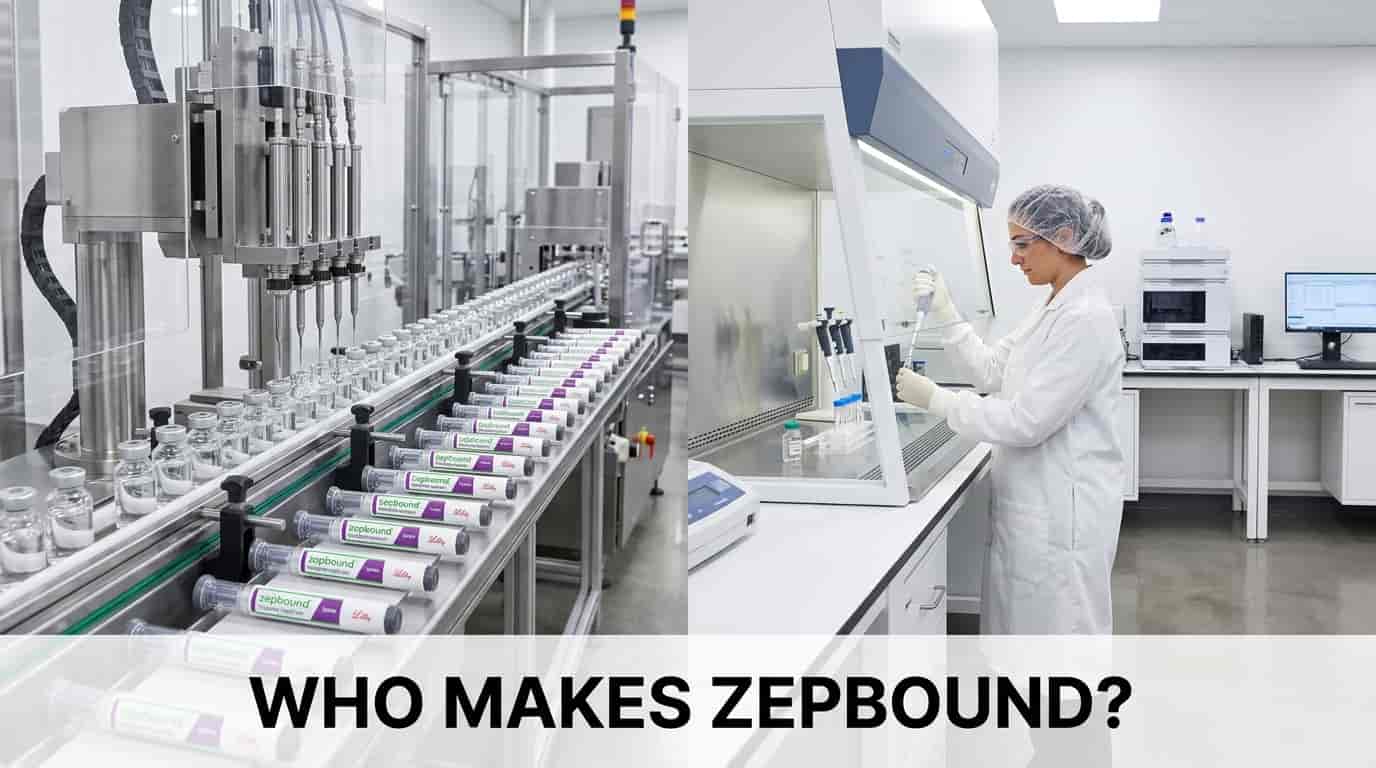
Zepbound is made by Eli Lilly and Company, an American pharmaceutical company founded in 1876 and headquartered in Indianapolis, Indiana.
Zepbound is an injectable weight loss medication approved by the FDA in November 2023, using the active ingredient tirzepatide to help patients lose weight alongside diet and exercise.
Eli Lilly also sells the same active ingredient under the brand name Mounjaro for type 2 diabetes, meaning Zepbound and Mounjaro are essentially the same drug marketed for two different approved uses.
So where exactly does Eli Lilly manufacture a drug that has become so popular that it has faced repeated supply shortages?
This guide covers who makes Zepbound, where it is manufactured, how it compares to competitors like Wegovy, and what patients and doctors say about its effectiveness and side effects.
So lets get started.
Table of Contents
Eli Lilly And Company Background
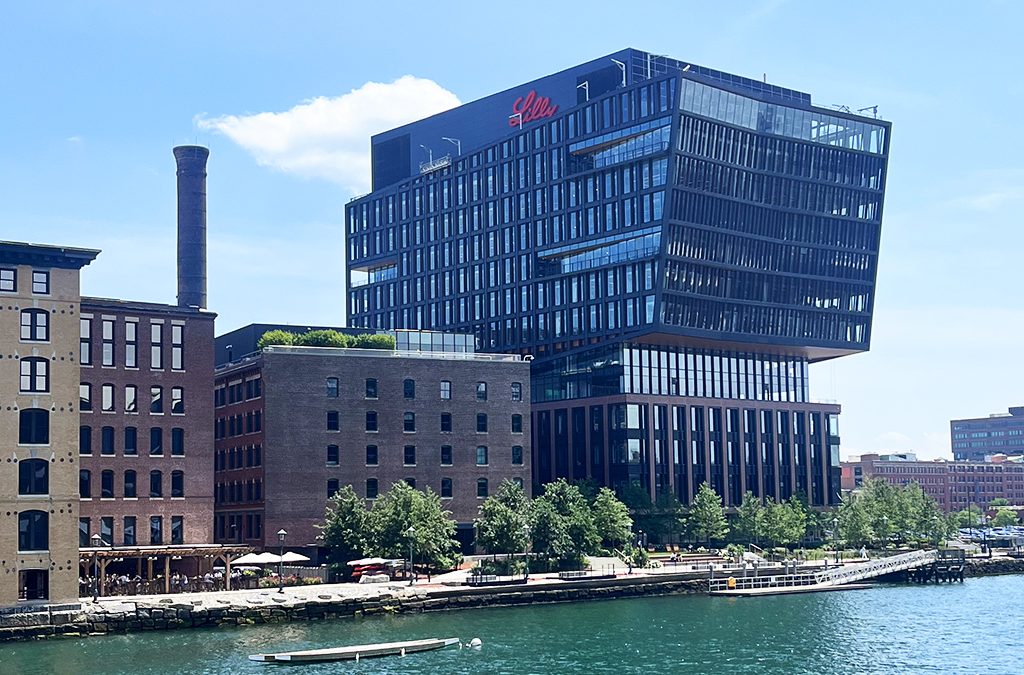
Eli Lilly was founded by Colonel Eli Lilly in 1876 and has grown into one of the largest pharmaceutical companies in the world, known for insulin products, cancer treatments, and now weight loss drugs.
The company is publicly traded and has become one of the most valuable pharmaceutical companies globally, largely driven by demand for its GLP 1 based drugs like Zepbound and Mounjaro.
Where Zepbound Is Manufactured
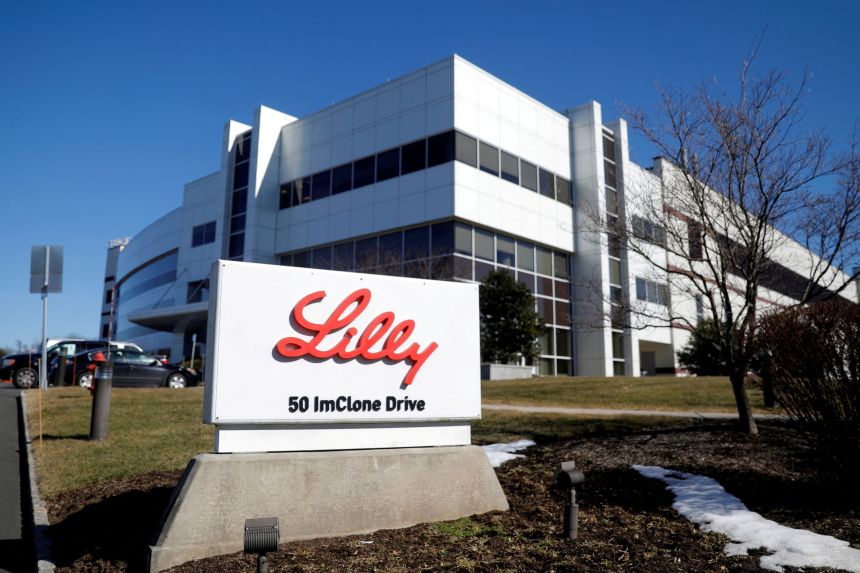
Zepbound is manufactured primarily at Eli Lilly facilities in Indianapolis, Indiana, and Concord, North Carolina, with additional manufacturing capacity added in Pleasant Prairie, Wisconsin, and Lebanon, Indiana.
Eli Lilly announced a 27 billion dollar investment in expanding its United States manufacturing footprint, largely aimed at increasing production capacity for its weight loss and diabetes drugs.
This expansion was a direct response to persistent shortages that made it difficult for patients to reliably fill Zepbound prescriptions throughout 2023 and 2024.
How Zepbound Works
Zepbound contains tirzepatide, which mimics two natural hormones, GLP 1 and GIP, that regulate appetite and blood sugar, helping patients feel full sooner and eat less over time.
Clinical trials showed patients using Zepbound lost an average of around 20 percent of their body weight over roughly 72 weeks when combined with diet and exercise changes.
Zepbound Versus Mounjaro
Zepbound and Mounjaro both contain the exact same active ingredient, tirzepatide, but Zepbound is FDA approved specifically for chronic weight management while Mounjaro is approved for type 2 diabetes.
Because they are the same drug under different brand names, some patients and doctors have discussed off label use, though insurance coverage typically depends on which approved condition a patient is being treated for.
Zepbound Versus Wegovy And Ozempic
Wegovy and Ozempic, made by Novo Nordisk, use a different active ingredient called semaglutide, while Zepbound uses tirzepatide, which targets an additional hormone receptor.
Several head to head studies have suggested Zepbound may lead to greater average weight loss than Wegovy, though individual results vary significantly and both drugs carry similar categories of side effects.
Zepbound Cost And Insurance Coverage
Zepbound carries a list price of over 1,000 dollars per month without insurance, though Eli Lilly has offered savings card programs and a direct to consumer option called LillyDirect to help reduce out of pocket costs for eligible patients.
Insurance coverage for Zepbound varies widely, with many plans requiring prior authorization or proof of a qualifying body mass index before approving coverage for weight loss treatment.
Is Zepbound Worth It For Weight Loss
Clinical data and patient reports generally show strong weight loss results with Zepbound, making it one of the most effective prescription options currently available for chronic weight management.
Common side effects include nausea, diarrhea, and constipation, which tend to be most noticeable when patients first start the medication or increase their dose.
Consumer Reports coverage of GLP 1 drugs notes that while effective, these medications require ongoing use to maintain results, since many patients regain weight after stopping treatment.
For patients who can access and afford it consistently, Zepbound has shown some of the strongest results of any weight loss drug on the market, though cost and supply issues remain real barriers for many.
Frequently Asked Questions About Who Makes Zepbound
Who makes Zepbound?
Zepbound is made by Eli Lilly and Company, an American pharmaceutical company headquartered in Indianapolis, Indiana.
Is Zepbound the same as Mounjaro?
Yes, Zepbound and Mounjaro both contain tirzepatide and are made by Eli Lilly, but they are FDA approved for different uses, weight management and type 2 diabetes respectively.
Where is Zepbound manufactured?
Zepbound is manufactured at Eli Lilly plants in Indianapolis and Concord, North Carolina, with additional capacity added in Wisconsin and Lebanon, Indiana to address supply shortages.
Is Zepbound better than Wegovy?
Some studies suggest Zepbound may produce greater average weight loss than Wegovy, though results vary by individual and both drugs are considered effective options by doctors.
For more on how competing weight loss drugs are made, see who makes Wegovy.

I am Jack Neel, a mechanical engineer, researcher, and writer. I created this website to share my knowledge about different brands and products with you. I research the manufacturers behind the brands and provide you with the information you need to make smart buying decisions.