
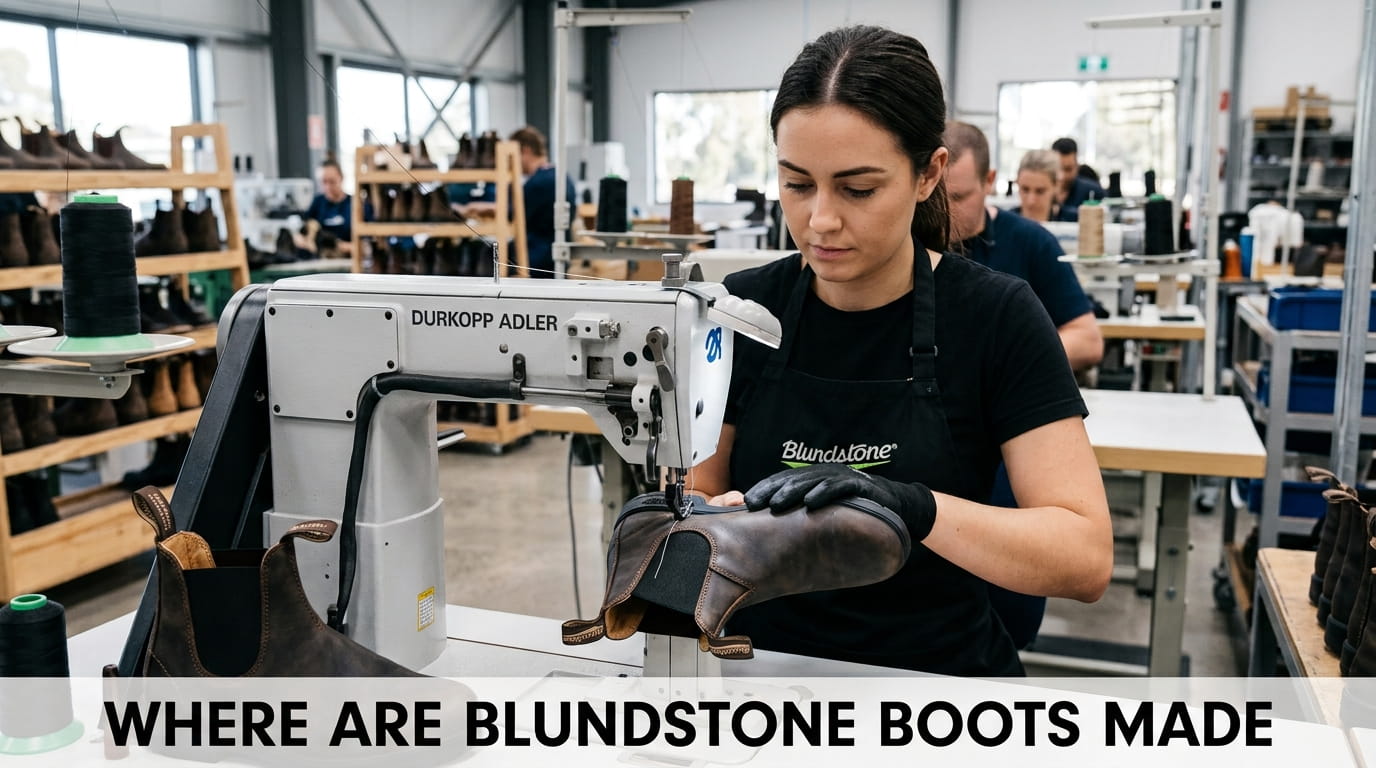
Blundstone Boots have become a global staple thanks to the laceless elastic sided Chelsea design that works equally well on a farm, a job site or a city street. The brand carries a distinctly Tasmanian identity that dates back more than 150 years.
Blundstone Australia Pty Ltd is a privately owned family company headquartered in Hobart Tasmania. The company still manufactures gumboots in Tasmania, though its leather boots are produced overseas.
So where are Blundstone boots actually made and are they worth buying in 2026? This guide covers ownership, the 2007 manufacturing shift, real owner feedback, and how Blundstone compares to rivals. Keep reading before you buy.
Table of Contents
Who Owns Blundstone Boots
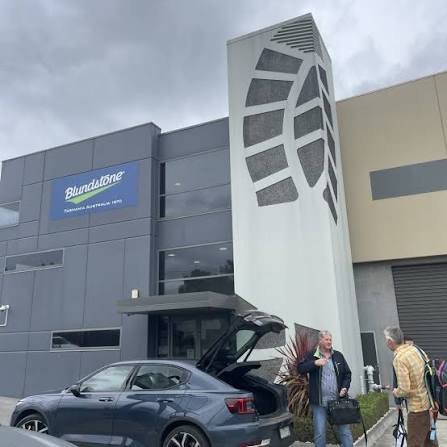
Blundstone is a privately owned family company that has never been sold to a large footwear conglomerate, which is unusual for a brand with its global reach.
The company was owned by Sir Harold Cuthbertson until his death, and it passed to his daughters Anne Routley and Helen Dickinson, who run the business today.
According to Blundstone, the company describes itself as 100 percent Tasmanian privately owned with headquarters in Hobart.
Where Are Blundstone Boots Made
Blundstone gumboots are still manufactured in Tasmania at a factory based at the company Hobart headquarters, with capacity for 400,000 pairs each year.
The leather boots that most buyers actually think of as Blundstones, including the iconic Chelsea styles, are produced in Vietnam, India, China, Mexico and Thailand.
The company employs its own inspectors on site at all manufacturing locations and requires suppliers to sign a Factory Workplace Code of Conduct covering labor conditions and environmental standards.
A Look At Blundstone Boots History
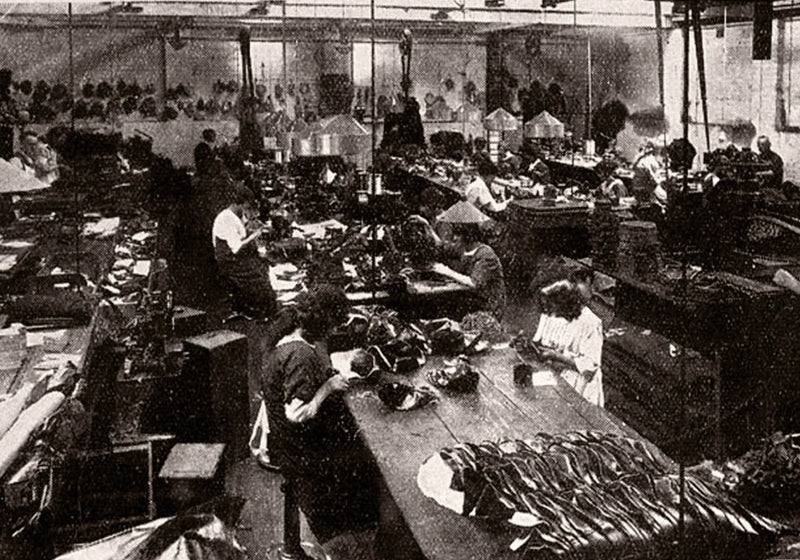
The Blundstone story begins in 1870 when John Blundstone started making fit for purpose footwear in Hobart Tasmania after arriving from Derbyshire England in 1855.
The business passed through the Cane family in 1901 and then to brothers James and Thomas Cuthbertson in 1932, who consolidated operations and kept the Blundstone name.
In January 2007 Blundstone announced it would shift most production from Hobart and New Zealand to Thailand and India due to rising costs, resulting in around 360 Australian job losses, according to Wikipedia.
Blundstone Boots And Made In Australia Considerations
Blundstone is an Australian brand rather than an Australian manufacturer for most of its lineup, a distinction many buyers miss.
If you own a leather Chelsea boot from Blundstone, it was almost certainly made in Asia rather than Tasmania, despite the strong Tasmania 1870 branding on the packaging.
The gumboot line is the genuine exception and remains Tasmanian made, so buyers who specifically want Australian manufacturing should look at that category rather than the fashion and work Chelsea styles, a distinction similar to our where Irish Setter boots are made guide.
Blundstone Boots Warranty And Customer Support
Blundstone provides warranty coverage on manufacturing defects with claims handled through regional support centers rather than a single global desk.
The company maintains a detailed help center covering sizing, shipping, returns and boot care, alongside a retailer locator for buyers who want to try boots on in person.
Blundstone also publishes warnings about hoax resellers on its official site, reflecting how frequently the popular Chelsea styles are counterfeited online.
Blundstone Compared To Other Boot Brands
Blundstone is most often compared with Dr. Martens and Red Wing among buyers weighing durable everyday boots that work for both style and light work use.
Compared with Red Wing, Blundstone is far lighter and requires almost no break in period, but gives up the resoleable welted construction and the domestic manufacturing as covered in our where Red Wing boots are made guide.
Compared with Timberland, another heritage brand that shifted production offshore, Blundstone occupies a similar position of strong brand identity paired with overseas manufacturing.
Where Blundstone genuinely leads is convenience, since the pull on elastic sided design with no laces remains the easiest premium boot to get on and off quickly.
Is Blundstone Boot Really Good
Feedback on Blundstone boots is broadly positive, particularly among buyers who value comfort and convenience over traditional heavy duty work boot construction.
Owners consistently praise the near zero break in period, with many reporting the boots felt comfortable from the first day rather than requiring weeks of painful wear.
The versatility earns steady praise as well, since the same pair works for farm chores, city commuting and travel, and the pull on design is genuinely faster than any laced alternative.
On the downside, the most common criticism is that the polyurethane sole is bonded rather than welted, meaning most Blundstone models cannot be resoled and must be replaced once the sole wears through.
A frequent complaint among longtime wearers is that quality declined after the 2007 move offshore, with some arguing the older Tasmanian made pairs lasted noticeably longer than current production.
Overall Blundstone remains a strong buy in 2026 for comfort, versatility and everyday wear, though buyers wanting a resoleable boot that lasts decades should look toward welted alternatives instead.
Blundstone Boots Frequently Asked Questions
Where Are Blundstone Boots Made
Blundstone gumboots are made in Tasmania, while the leather Chelsea boots are produced in Vietnam, India, China, Mexico and Thailand.
Are Blundstone Boots Made In Australia
Only the gumboot line is still made in Tasmania, since most leather boot production moved offshore starting in 2007.
Who Owns Blundstone
Blundstone is a privately owned Tasmanian family company run by Anne Routley and Helen Dickinson, daughters of the late Sir Harold Cuthbertson.
Is Blundstone A Good Boot Brand
Yes, Blundstone is well regarded in 2026 for comfort and versatility, though most models cannot be resoled because the sole is bonded rather than welted.

I am Jack Neel, a mechanical engineer, researcher, and writer. I created this website to share my knowledge about different brands and products with you. I research the manufacturers behind the brands and provide you with the information you need to make smart buying decisions.