
Smith sunglasses are made in the United States, at the company’s own manufacturing facility in Clearfield, Utah, where lenses are cut, frames are assembled, and prescription orders are custom ground.
Smith Optics started as a small goggle workshop in Sun Valley, Idaho, built by a skiing orthodontist who got tired of fogged up lenses on the mountain.
Smith the brand and Smith the manufacturer are the same operation today, but the company behind the brand has changed hands more than once, and it now sits inside the Italian eyewear group Safilo.
People searching for where a sunglasses brand is made are usually trying to figure out if they are paying for real quality or just clever marketing, and Smith has an unusually direct answer to that question.
The rest of this article walks through the manufacturing location, the ownership history, the founding story, how Smith lenses actually work, and whether the brand is worth buying today.
Table of Contents
Where Are Smith Sunglasses Made?
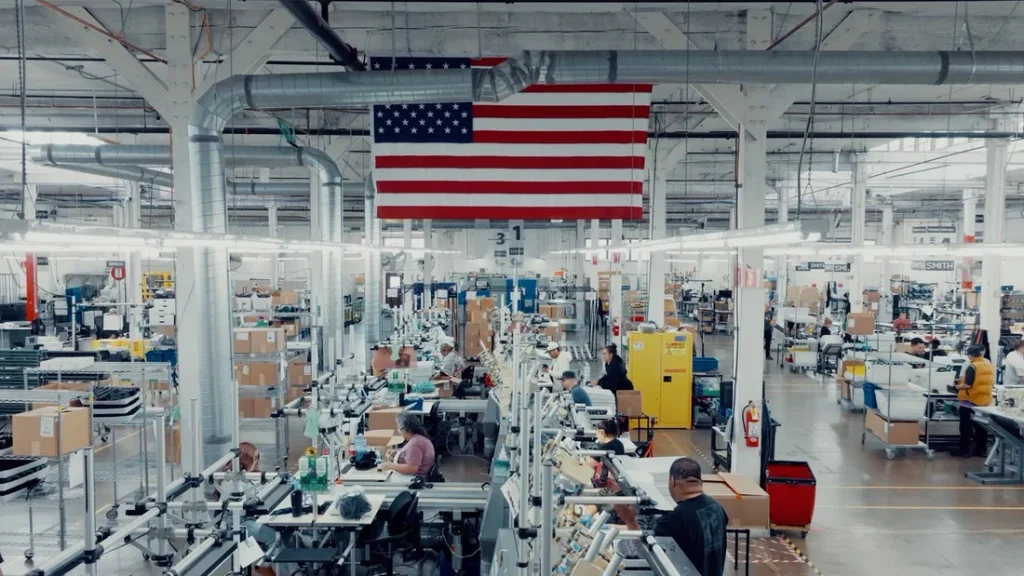
Smith sunglasses and goggles are manufactured at the company’s Clearfield, Utah facility, which Smith internally calls MFG.
The 120,000 square foot plant handles goggle and sunglass assembly, lens cutting and finishing, and custom prescription lens grinding under one roof.
Smith says the facility turns out more than one million products a year and employs around 125 people representing 19 different nationalities.
This matters because most sunglasses brands, including many premium ones, outsource frame production to factories in China or Italy and only handle design and branding in house.
Smith keeps final assembly and lens work domestic, which is part of why the brand has stayed popular with skiers, cyclists, and other athletes who rely on precise optics.
Domestic production also lets Smith run tighter quality control on impact resistance and lens coatings, since testing happens on site rather than through a separate overseas partner.
Who Owns Smith Optics?

Smith Optics is currently owned by Safilo Group, a publicly traded Italian eyewear company headquartered in Padua, Italy.
Safilo Group acquired Smith in the 1990s, folding the American goggle maker into a portfolio that also includes Carrera, Polaroid Eyewear, Blenders Eyewear, and Prive Revaux, plus dozens of licensed fashion brands.
Before Safilo took over global operations, Smith ran independently out of Sun Valley and later Ketchum, Idaho, close to the ski culture that built the brand.
Safilo later restructured Smith’s corporate footprint, shifting design and product leadership to Portland, Oregon while consolidating manufacturing at the Clearfield, Utah plant.
It is worth clearing up a common mix up here: some outdoor eyewear brands, including Bolle and Serengeti, moved through Vista Outdoor before landing with a separate French group called Bolle Brands in 2018, but Smith was never part of that chain.
So the company behind Smith is Italian owned, but the sunglasses themselves are still built on American soil, which is a distinction worth knowing before assuming a foreign parent company means foreign made products.
What Is Smith’s Country of Origin?
Smith Optics was founded in the United States, and its manufacturing base has never left the country.
The brand traces back to Sun Valley, Idaho in the mid 1960s, with today’s production centered in Clearfield, Utah.
Country of origin can mean two different things: where a company was founded, and where its parent corporation is based.
Smith’s founding origin is squarely American, even though its current corporate parent, Safilo, is based in Italy.
On product labels and packaging, Smith identifies as a US brand, and that reflects where the actual manufacturing happens rather than where ownership sits on paper.
Are Smith Sunglasses Made in China or Italy?
No, Smith sunglasses are not made in China, and they are not made in Italy either, despite the brand’s Italian ownership.
This is a common point of confusion because Safilo, Smith’s parent company, does manufacture several of its other house and licensed brands in Italy and other overseas facilities.
Smith is treated differently within the Safilo portfolio because of its history as a technical sports optics brand with an established US factory.
Some individual components, such as certain raw lens materials or hardware, may be sourced internationally, which is standard across the eyewear industry.
But final assembly, lens cutting, and prescription grinding all happen at the Utah facility rather than being outsourced to Chinese or Italian contract factories.
If a specific pair matters to you, checking the product tag or the item description on Smith’s own site is the most reliable way to confirm where that exact model was finished.
When Was Smith Optics Founded?

Smith Optics traces its start to 1965, when Dr. Bob Smith, an orthodontist and dedicated skier, set out to solve the fogging problem that ruined ski goggles of the era.
Working from his kitchen table with dental tools, foam, and glue, Smith built the first double lens, thermally sealed anti fog ski goggle.
He tested prototypes at Alta and Sun Valley, reportedly trading early samples for lift tickets before formally filing a patent in 1966.
That single invention became the foundation of the entire company, and thermal sealing is still a core part of how Smith goggles are built today.
Dr. Smith passed away in 2012, but the brand he started has continued to expand into sunglasses, bike helmets, and prescription eyewear well beyond its original goggle roots.
What Makes Smith Sunglasses Different?
Smith’s biggest technical differentiator is ChromaPop lens technology, introduced in 2013, which filters out overlapping light wavelengths to boost color contrast and clarity.
The idea grew directly out of Smith’s goggle heritage, where sharp contrast on snow can mean the difference between seeing a mogul and missing it.
That same lens science carries over into the sunglasses lineup, so a pair built for driving or fishing benefits from the same optical research used in the brand’s snow sport goggles.
Smith also offers a genuine prescription program, custom grinding lenses to a customer’s exact prescription at the Utah facility rather than shipping orders to a third party lab.
Frame construction leans on lightweight, impact resistant materials suited to active use, which is a different design priority than a typical fashion focused sunglasses brand.
Many Smith sunglasses also use the same MAG style interchangeable lens system found on the brand’s goggles, letting a single frame swap between tints for changing light conditions.
Are Smith Sunglasses Good Quality? Are They Worth It?
On build quality and optics, Smith has a strong reputation among skiers, cyclists, and outdoor retailers, largely due to ChromaPop lenses and durable frame construction.
Trade coverage from outlets like SGB Media has repeatedly noted Smith’s steady direct to consumer growth, which suggests the products keep finding repeat buyers.
Customer service reviews tell a rougher story: Smith’s Trustpilot page shows a low overall score, with most negative reviews centered on order fulfillment, shipping delays, and warranty response times rather than the physical quality of the eyewear itself.
That gap is fairly common in the sports eyewear space, where product engineering and customer support are handled by very different teams and budgets.
If you are buying for optical performance, especially for skiing, cycling, or fishing, Smith is generally considered a safe investment, but it is worth ordering through an established retailer with its own return policy as a backup.
Weigh the low customer service score against the strong product feedback from riders and skiers, and the actual eyewear tends to hold up well over repeated seasons of use.
Smith Customer Service & Where to Buy
Smith Optics handles customer service primarily through an online contact form and a self service help center on its official site, rather than a published phone line.
The help center covers order status, warranty claims, and prescription lens questions, and is the fastest route to a direct answer from the brand.
Smith sunglasses and goggles are sold on the brand’s official website, as well as through major outdoor retailers like REI, Backcountry, and specialty ski and bike shops.
Buying from an authorized retailer usually adds an extra layer of return and warranty protection on top of whatever Smith offers directly.
For comparison, it is worth seeing how other well known brands handle manufacturing and ownership, such as where Ray-Ban sunglasses are made or where Under Armour gear is manufactured, since sports brands often take very different approaches to production.
Frequently Asked Questions About Smith Sunglasses
Does Smith still make goggles as well as sunglasses?
Yes, goggles remain a core Smith product line, and they are produced at the same Clearfield, Utah facility as the brand’s sunglasses.
Goggles were the original product that built the company, and Smith continues to update the lineup with new lens and frame technology each season.
Is Smith owned by the same company as Bolle or Oakley?
No, Smith is not owned by the same company as Bolle or Oakley.
Smith belongs to Safilo Group, while Bolle sits under a separate French eyewear group called Bolle Brands, and Oakley is owned by EssilorLuxottica.
Can I get prescription lenses in Smith sunglasses?
Yes, Smith offers a direct prescription program and grinds lenses to a customer’s exact prescription at its own Utah facility.
This in house process is one of the more distinctive parts of Smith’s production compared to brands that outsource prescription work to third party labs.
Why does Smith have a low Trustpilot rating despite good product reviews?
Most of the negative feedback on Smith’s Trustpilot page centers on customer service issues like shipping delays and warranty response times, not the sunglasses themselves.
Product focused reviews on retailer sites and in outdoor trade press tend to be far more positive, particularly around lens clarity and durability.

I am Jack Neel, a mechanical engineer, researcher, and writer. I created this website to share my knowledge about different brands and products with you. I research the manufacturers behind the brands and provide you with the information you need to make smart buying decisions.