
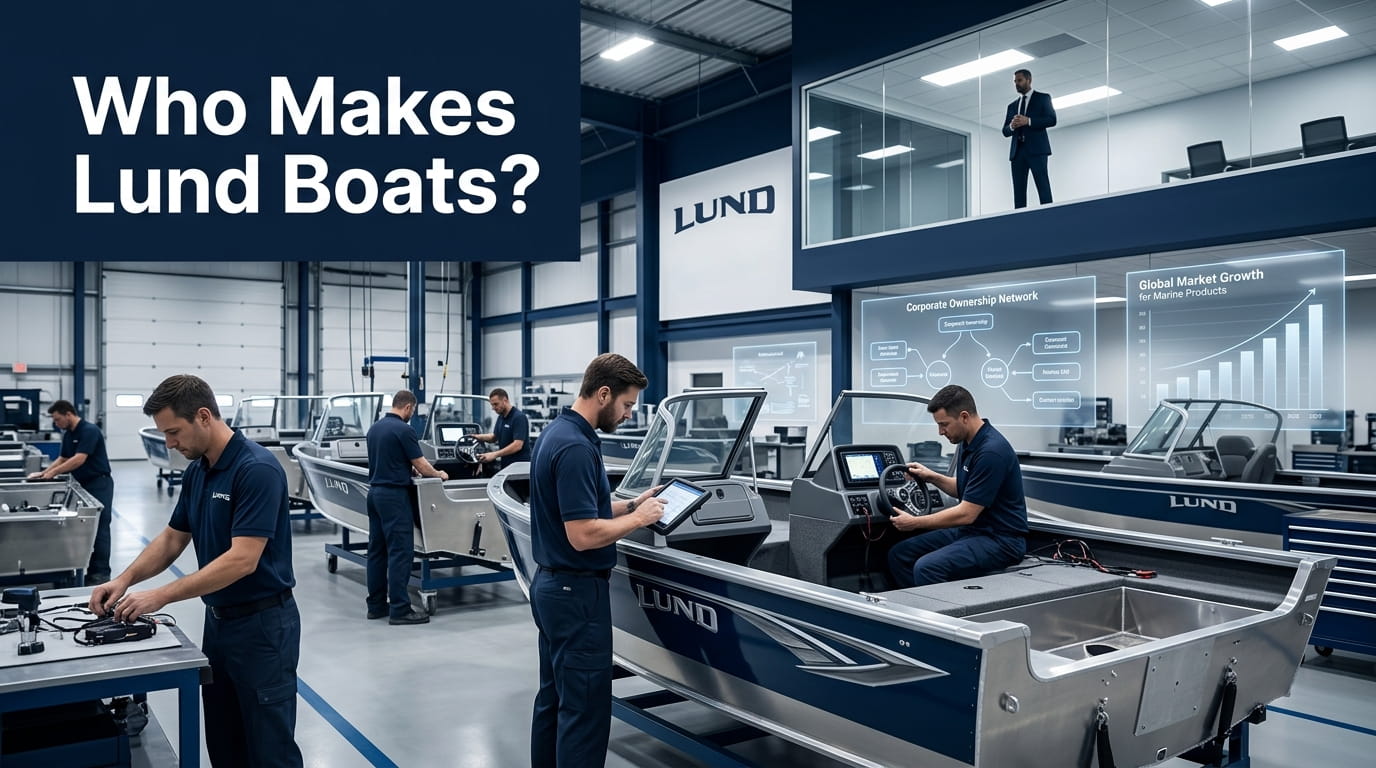
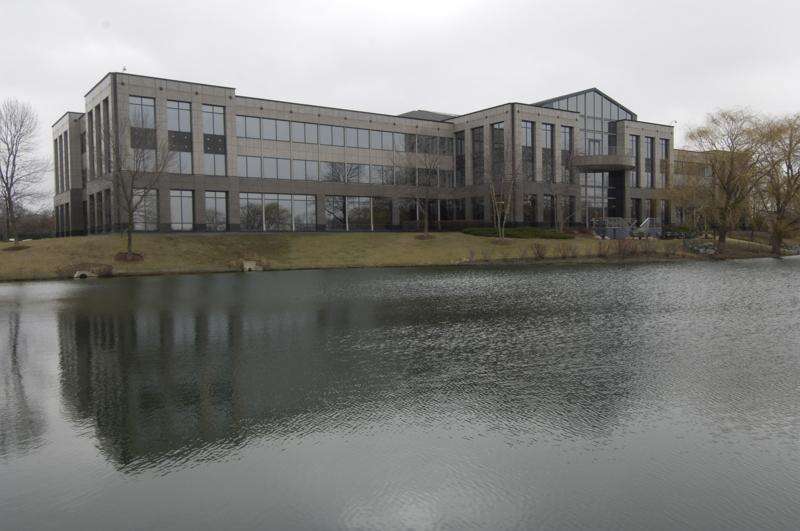
Lund boats are made by Lund Boat Company, a subsidiary of Brunswick Corporation, a publicly traded manufacturer headquartered in Mettawa, Illinois.
The brand is widely regarded as a leader in premium aluminum fishing boats, especially among walleye and multi species anglers across the Upper Midwest.
Brunswick Corporation trades on the New York Stock Exchange under the ticker BC and operates Lund as part of the Brunswick Boat Group alongside sister aluminum brands Crestliner and Lowe.
Knowing that Lund uses riveted construction while sister brand Crestliner uses welded construction helps explain one of the most debated topics among aluminum boat shoppers.
This article covers Lund’s ownership, where the boats are built, the difference between its Pro V and Tyee lines, and how it compares to sister brand Crestliner.
So let’s get started.
Table of Contents
Who Owns Lund Boats?
Lund was founded in 1948 by G. Howard Lund, who built his first aluminum duck boat after struggling to find a quality one for hunting.
Following Howard Lund’s death in 2003, Brunswick Corporation acquired Lund in 2004 as part of a 191 million dollar deal that also included sister brands Crestliner and Lowe, according to reporting on the acquisition from InForum.
Lund has won the National Marine Manufacturers Association Customer Satisfaction Index Award for eleven consecutive years, and the company now employs more than 600 people.
Where Are Lund Boats Made?
Lund boats are manufactured in New York Mills, Minnesota, where the company has been headquartered since Howard Lund built his first boat there.
The New York Mills facility produces roughly 10,000 boats per year and remains the largest employer in the small Otter Tail County city.
Lund also operates a smaller plant in Steinbach, Manitoba, which has served the Canadian market since Lund expanded operations there in 1972.
Lund Pro V vs Tyee: What Is the Difference?
The Pro V is Lund’s tournament focused fishing boat, introduced in 1988 and redesigned as recently as 2023, built around the company’s IPS hull technology for a stable, dry ride.
The Tyee, introduced in 1979, blends fishing and recreational features in a single boat, making it a popular choice for anglers who also use their boat for family cruising.
Both lines use Lund’s riveted aluminum construction, a building method the company has used since its founding rather than the welded approach used by sister brand Crestliner.
Lund vs Crestliner: How Do the Sister Brands Compare?
Lund and Crestliner are both owned by Brunswick and built in Minnesota, but the two brands take opposite approaches to hull construction.
Lund uses riveted seams, which some owners say are more prone to leaking over time, while Crestliner uses an all welded hull that fans argue holds up better in the long run.
Forum members who fish tournaments in the Upper Midwest note that Lund still holds stronger resale value and brand recognition in that specific region, even as the rivet versus weld debate between the two brands continues. See Who Makes Crestliner Boats and Who Makes Lowe Boats for other Brunswick aluminum sister brands.
Are Lund Boats Any Good?
Lund has one of the strongest regional reputations in the aluminum boat industry, particularly in Minnesota, where forum members on In Depth Outdoors describe the brand as a long established tournament favorite with excellent storage and layout.
Many owners report decades of use with minimal issues, and several forum members specifically cite strong resale value, saying used Lunds are often sold before they are even listed publicly.
A frequent point of debate across forums is Lund’s warranty, since it covers only double riveted seams for life rather than every rivet on the boat, a distinction discussed at length in an owner thread on BBC Boards comparing Lund’s warranty to competitors.
Recurring complaints, including some on the Better Business Bureau and PissedConsumer, describe leaking rivets on newer boats, wood decking that can eventually rot, and owners saying warranty claims took months to resolve or were denied outright, with some longtime forum members specifically noting a perceived quality decline since the 2004 Brunswick acquisition.
The honest takeaway is that Lund carries real prestige and strong resale value, especially in its home Midwest market, but buyers should read the actual rivet warranty terms closely, inspect any wood decking on used models, and weigh the ongoing riveted versus welded debate against their own priorities before choosing between Lund and a welded alternative like Crestliner.
Frequently Asked Questions About Lund Boats
Who owns Lund Boats?
Lund is owned by Brunswick Corporation, which acquired the brand in 2004.
Where are Lund boats manufactured?
Lund boats are built in New York Mills, Minnesota, where the company was founded in 1948.
Are Lund boats riveted or welded?
Lund boats use riveted aluminum construction, which differs from the all welded construction used by sister brand Crestliner.
Does Lund’s lifetime warranty cover every rivet?
No, Lund’s lifetime warranty covers only double riveted seams, meaning single rivets elsewhere on the boat are not covered under that same lifetime terms.

I am Jack Neel, a mechanical engineer, researcher, and writer. I created this website to share my knowledge about different brands and products with you. I research the manufacturers behind the brands and provide you with the information you need to make smart buying decisions.