
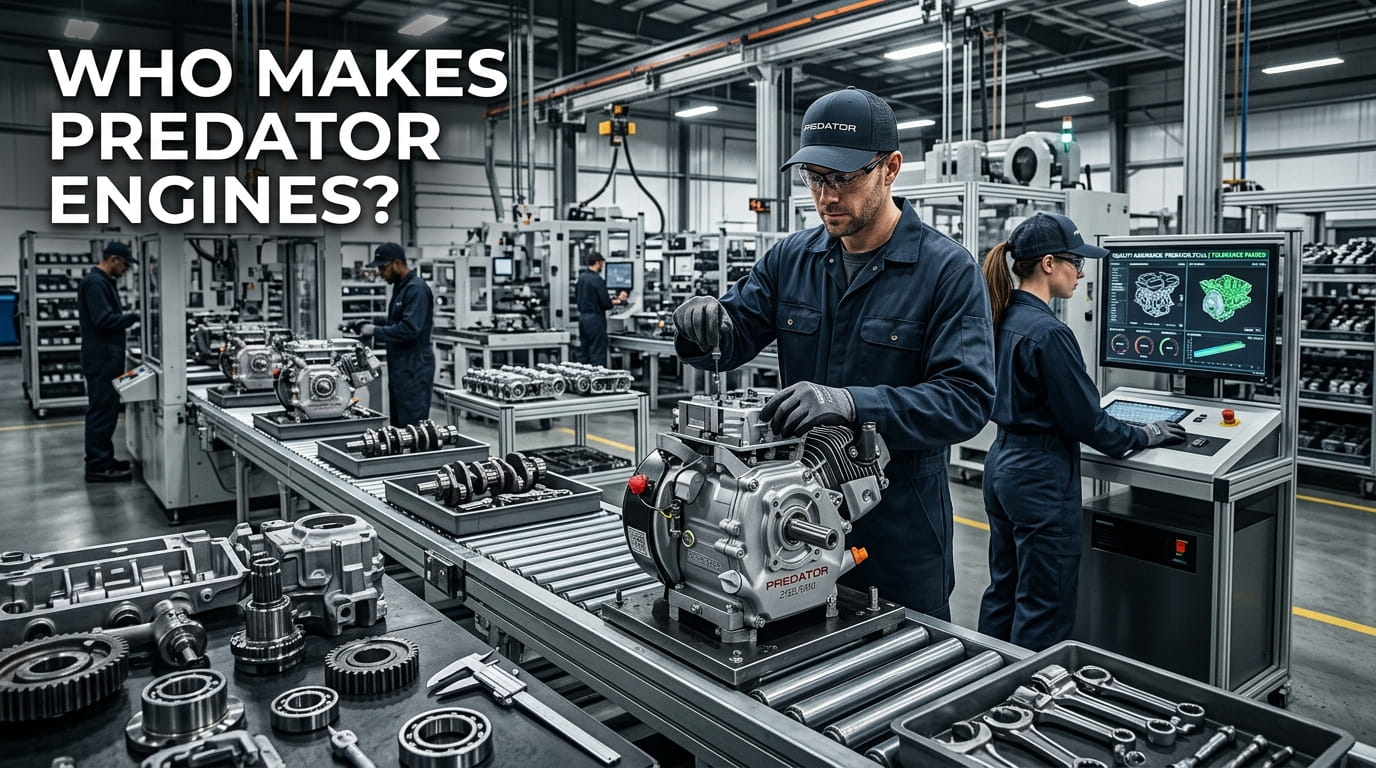
The Predator engine brand is exclusively owned and distributed by Harbor Freight Tools. For a related comparison, also read about Craftsman tools and Kohler generators. retailer of tools and equipment.
These engines are a proprietary line of general-purpose gasoline engines designed to provide affordable power solutions for various applications.
Harbor Freight Tools is a privately held American company headquartered in Calabasas, California, operating a chain of retail stores across the United States.
What makes these particular engines a popular choice for so many consumers and do-it-yourself enthusiasts?
This article will explore the origins, manufacturing processes, common uses, perceived quality, and overall value proposition of Predator engines.
Let’s get started.
Table of Contents
Who is Behind the Predator Engine Brand?
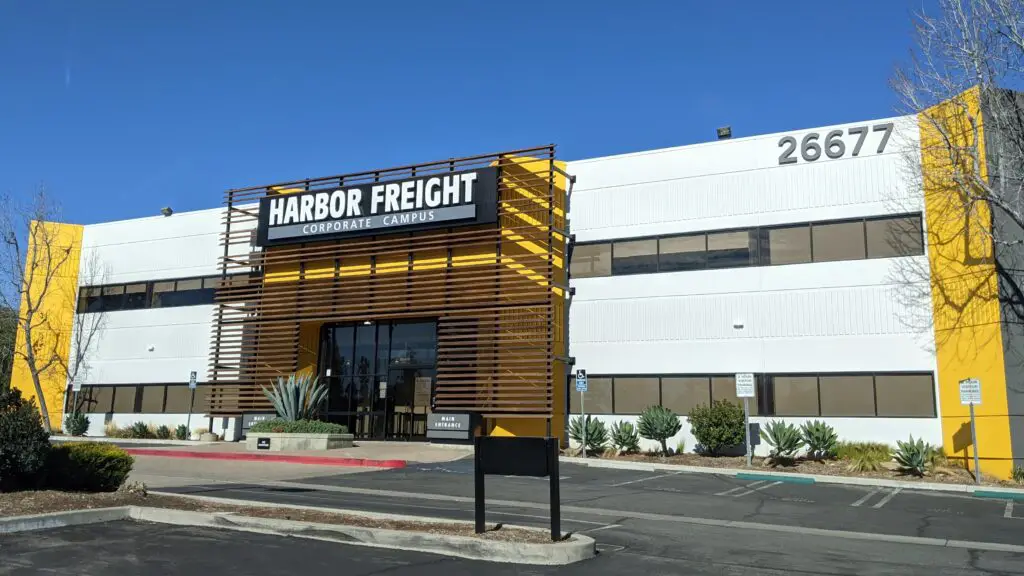
Predator engines are an in-house brand of Harbor Freight Tools. Harbor Freight directly manages this product line, from specifications and sourcing to sales and after-sales support.
The company introduced the Predator line to offer consumers a cost-effective alternative to other small engine brands available on the market.
This business model allows Harbor Freight to control pricing and product features, aligning them with their target demographic of budget-conscious buyers.
Where Are Predator Engines Manufactured?
While Harbor Freight Tools is an American company, Predator engines are primarily manufactured in China.
This practice is common for many affordable consumer goods, especially small engines, as it helps keep production costs low and makes the final product accessible.
Harbor Freight works with various manufacturing partners in China to produce engines that meet its specifications and quality control standards.
Are Predator Engines Considered Honda Clones?
Many consumers and small engine experts often refer to Predator engines as “Honda clones.” This observation comes from their striking resemblance and similar specifications to Honda’s GX series of general-purpose engines.
The design, bore, stroke, and overall architecture of many Predator models closely mirror those of popular Honda engines.
This similarity allows for a high degree of parts interchangeability and makes them familiar to mechanics experienced with Honda designs.
What Are the Common Uses for Predator Engines?
Predator engines are highly versatile. Their affordability and straightforward design make them suitable for a wide array of applications.
They commonly power various types of outdoor equipment and machinery, often serving as replacement engines.
Typical applications include pressure washers, log splitters, generators, water pumps, go-karts, mini bikes, and various other light industrial or recreational projects.
What is the Perceived Quality and Reliability of Predator Engines?
The perceived quality and reliability of Predator engines position them as a good value for their price, rather than top-tier performance engines.
Many users report positive experiences, especially for intermittent use or projects where cost is a primary concern.
They are often seen as reliable workhorses that perform adequately for most residential and light commercial tasks.
However, some users on platforms like Reddit or various consumer forums occasionally report issues that might be less common with more expensive brands, such as carburetor problems or initial break-in period quirks.
How Does the Warranty for Predator Engines Work?
Harbor Freight Tools provides a limited 90-day warranty for Predator engines, typically from the date of purchase.
It covers defects in materials and workmanship, offering repair or replacement at the company’s discretion.
Consumers should always check the most current warranty information directly on the Harbor Freight Tools website or with their specific purchase documentation, as policies can change.
Are Parts Readily Available for Predator Engines?
One advantage of Predator engines being so similar to Honda GX designs is the excellent availability of aftermarket parts.
Many components, such as carburetors, pull starts, air filters, and spark plugs, are interchangeable with those designed for Honda GX series engines.
Additionally, Harbor Freight Tools itself stocks a selection of common replacement parts directly or can assist with obtaining them.
What Are the Different Sizes and Types of Predator Engines Available?
Predator engines come in a range of sizes and power outputs to suit various needs, typically measured in horsepower (HP) or cubic centimeters (cc).
Common sizes include the smaller 79cc (3 HP equivalent), popular for go-karts and mini bikes, and the widely used 212cc (6.5 HP equivalent), suitable for a broad range of equipment.
Larger models, such as the 420cc (13 HP equivalent) and 670cc (22 HP V-twin), provide substantial power for more demanding applications like generators and large log splitters.
How Do Predator Engines Compare to Other Budget-Friendly Small Engines?
When comparing Predator engines to other budget-friendly small engine brands, they often stand out due to their widespread availability and strong community support.
Many other economy brands exist, but Predator has garnered a significant following for its balance of cost, performance, and parts accessibility.
While some competitors might offer slightly different features or price points, Predator often remains a top consideration for those seeking an economical small engine solution.
Is Investing in a Predator Engine a Good Value?
For many consumers, investing in a Predator engine represents good value, particularly for projects where budget is a primary consideration and extreme heavy-duty commercial use is not expected.
Their lower initial cost, combined with easy access to replacement parts and modifications, makes them an attractive option.
For DIY enthusiasts, hobbyists, or those needing a reliable but inexpensive replacement engine, Predator engines generally provide a strong return on investment.
What Should You Consider Before Buying a Predator Engine?
Before purchasing a Predator engine, consider the specific application and your power requirements. Ensure the engine’s horsepower and shaft type (horizontal or vertical, diameter, length) match your equipment.
Familiarize yourself with Harbor Freight’s warranty and return policy, as well as the availability of parts for the specific model you intend to buy.
Reading user reviews and consulting online communities can provide practical insights into real-world performance and potential considerations.

I am Jack Neel, a mechanical engineer, researcher, and writer. I created this website to share my knowledge about different brands and products with you. I research the manufacturers behind the brands and provide you with the information you need to make smart buying decisions.