
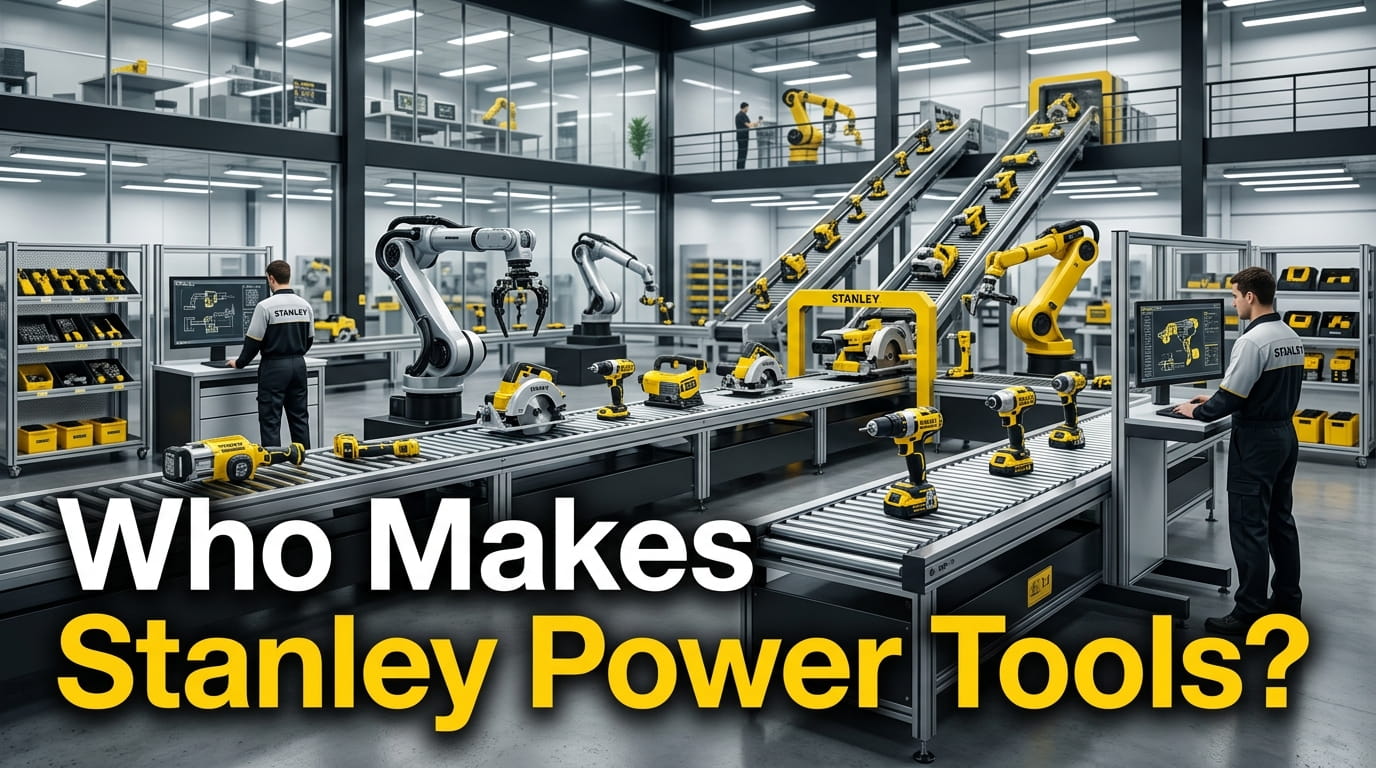
Stanley power tools are made by Stanley Black and Decker, the same conglomerate that owns DeWalt, Craftsman, and Black and Decker.
The Stanley name is best known for hand tools, tape measures, and utility knives, though the brand also sells a smaller lineup of power tools.
Stanley Black and Decker is a publicly traded company headquartered in the United States, formed when Stanley Works merged with Black and Decker in 2010.
Knowing who makes Stanley power tools helps buyers understand how the brand fits alongside its higher profile sibling brands like DeWalt.
This article covers Stanley ownership, where the tools are manufactured, how the brand compares to DeWalt and Craftsman, and answers to common Stanley questions.
So let’s get started.
Table of Contents
Who Makes Stanley Power Tools And Who Owns The Brand?

Stanley Tools is owned and manufactured by Stanley Black and Decker, one of the largest tool companies in the world.
The Stanley name traces back to 1843, when Frederick Stanley founded a bolt and door hardware company in New Britain, Connecticut.
Stanley Works merged with Black and Decker in 2010, creating the combined company that now oversees the Stanley brand alongside DeWalt and Craftsman.
Where Are Stanley Power Tools Manufactured?
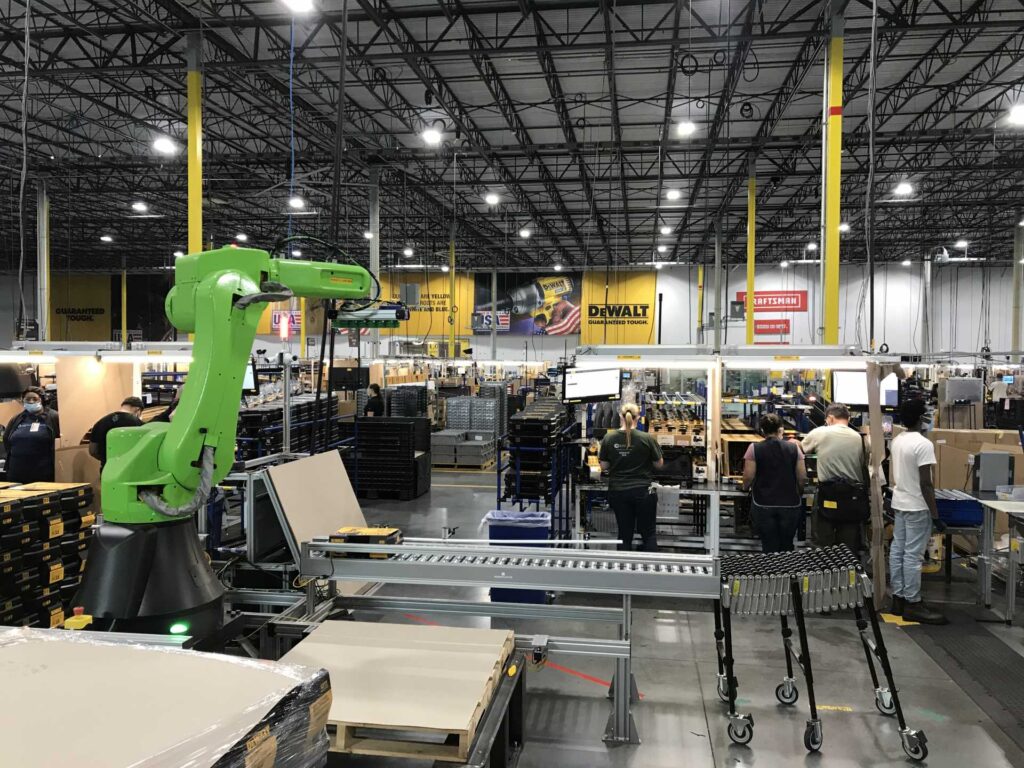
Stanley Black and Decker operates more than fifty manufacturing facilities in the United States, along with over one hundred facilities worldwide.
Exactly which factory produces a given Stanley product depends on the tool category, with some lines built domestically and others sourced overseas.
Most of Stanley’s current power tool lineup focuses on wet and dry vacuums and portable power stations rather than cordless drills or saws.
What Is Stanley’s Relationship To DeWalt And Craftsman?
Stanley, DeWalt, and Craftsman are all owned by the same parent company, Stanley Black and Decker.
Stanley Black and Decker positions DeWalt as its professional grade power tool line, while Stanley leans more heavily into hand tools and storage.
This shared ownership means the three brands often share underlying components even when the branding and price points differ.
A Brief History Of The Stanley Brand
Stanley built its early reputation on hand tools, including the Bailey plane and the PowerLock tape measure.
For over a century and a half, hand tools remained the company’s primary business before the 2010 merger with Black and Decker expanded its scope.
Today the Stanley name appears on everything from tape measures to workspace lighting in addition to its power tool offerings.
Stanley vs DeWalt: Which Tool Brand Should You Buy?
DeWalt is generally viewed as the more professional oriented brand, with a much wider selection of cordless power tools.
Stanley remains stronger in hand tools, storage solutions, and jobsite accessories rather than competing directly in the cordless power tool space.
Since both brands are owned by the same company, buyers often mix and match Stanley hand tools with DeWalt power tools on the same jobsite.
For more on the parent company’s other brands, see our guides to who makes Craftsman tools and who makes Husky tools for two other widely available options.
Frequently Asked Questions About Stanley Power Tools
Who makes Stanley power tools?
Stanley power tools are made by Stanley Black and Decker, which also owns DeWalt, Craftsman, and Black and Decker.
Is Stanley the same company as DeWalt?
Stanley and DeWalt are separate brand names but share the same parent company, Stanley Black and Decker.
When did Stanley merge with Black and Decker?
Stanley Works completed its merger with Black and Decker in March 2010, forming Stanley Black and Decker.
Are Stanley power tools made in the USA?
Some Stanley products are made domestically at Stanley Black and Decker’s US facilities, while others are manufactured overseas depending on the category.

I am Jack Neel, a mechanical engineer, researcher, and writer. I created this website to share my knowledge about different brands and products with you. I research the manufacturers behind the brands and provide you with the information you need to make smart buying decisions.