
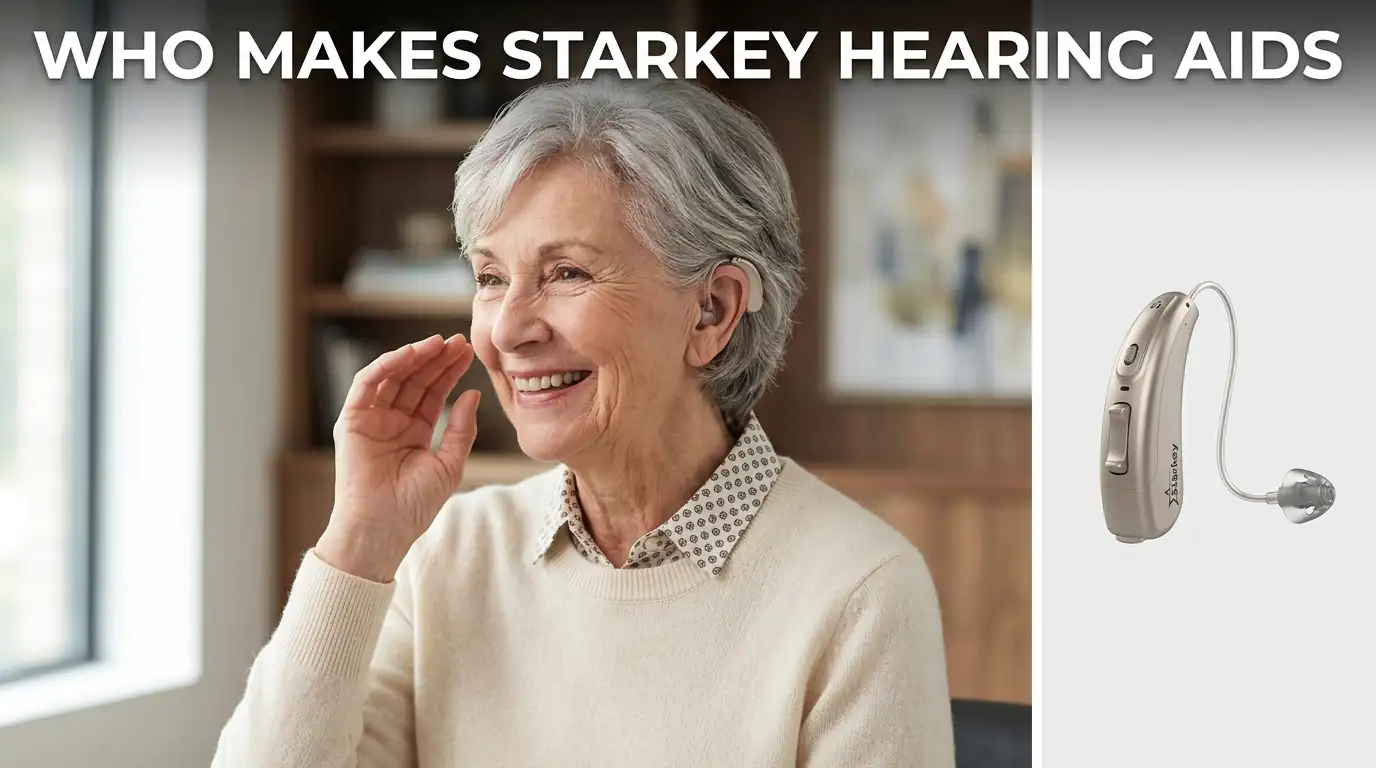
Starkey hearing aids are made by Starkey Hearing Technologies, a privately held American company headquartered in Eden Prairie, Minnesota.
Starkey is the only major American owned hearing aid manufacturer among the group of companies often called the big six, since every other giant in the industry is based in Switzerland, Denmark, or Germany.
The company designs, engineers, and builds its own hearing aids rather than outsourcing the core technology, which sets it apart from many smaller OTC brands.
This guide covers who owns Starkey, where its devices are built, what makes the brand different, and how it stacks up against other leading manufacturers.
For more manufacturer breakdowns, see our guides to who makes Oticon hearing aids and who makes Jabra hearing aids.
Table of Contents
Who Owns Starkey Hearing Technologies?

Starkey is a privately owned company, not a publicly traded corporation, so its shares are not available on any stock exchange.
The company traces back to 1967, when it began as a small hearing aid repair operation before growing into a full manufacturer under longtime leader William F. Austin.
Bill Austin remains closely tied to the company as its founder and is honored each year at a company Founder Day event, while Brandon Sawalich now serves as president and chief executive officer.
Because Starkey has stayed privately controlled for decades, it has been able to invest heavily in its own research labs rather than answering to outside shareholders.
Where Are Starkey Hearing Aids Manufactured?
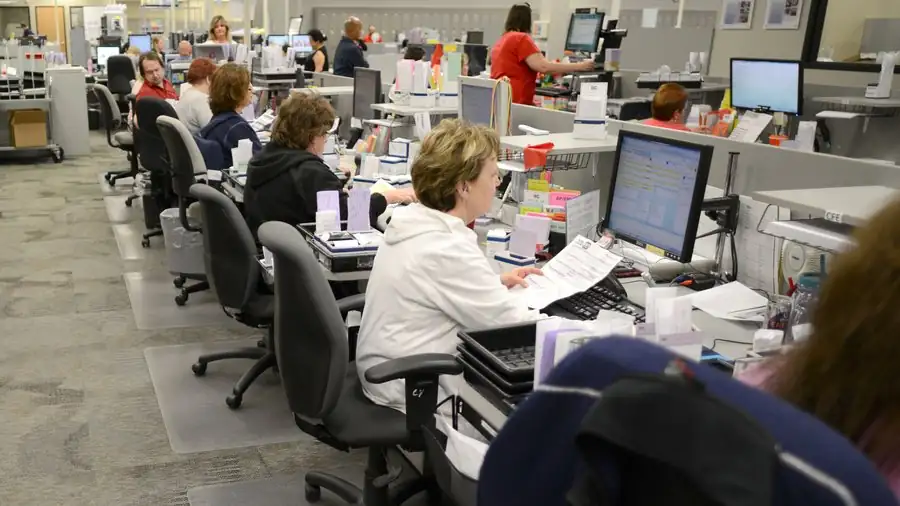
Starkey designs and engineers its hearing aids primarily at its home campus in Eden Prairie, Minnesota, which houses research, engineering, and manufacturing operations.
The company also operates additional facilities and offices worldwide to support global distribution and local regulatory needs.
Unlike some budget brands that rely entirely on overseas contract manufacturers, Starkey keeps core engineering and much of its production under its own roof in the United States.
What Technology Powers Starkey Hearing Aids?
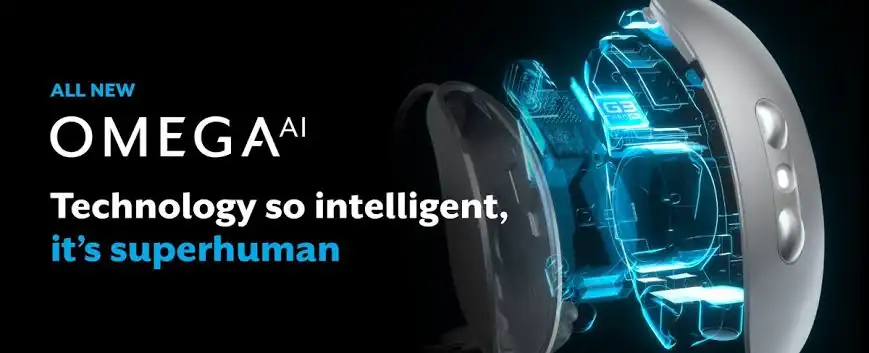
Starkey is known for building artificial intelligence features directly into its devices through product lines such as Genesis AI and Evolv AI.
These hearing aids can track physical activity, detect falls, translate languages in real time, and connect to smartphone apps for remote adjustments.
Starkey was also an early mover in combining health sensors with hearing technology, positioning its hearing aids as broader wellness devices rather than simple amplifiers.
What Other Brands Does Starkey Operate?
Starkey supports a network of associated brands sold through independent hearing clinics, including Audibel and NuEar.
These network brands often use Starkey engineered technology while offering their own product naming and clinic branding across the country.
This structure lets Starkey reach both national retail partnerships and thousands of small independent audiology practices at the same time.
Is Starkey Considered a High Quality Hearing Aid Brand?
Starkey is widely regarded by audiologists as one of the top tier hearing aid manufacturers alongside Phonak, Oticon, ReSound, and Signia.
Its devices are known for strong sound processing, useful health tracking features, and a wide range of styles from nearly invisible models to powerful behind the ear devices for severe hearing loss.
Because Starkey controls its own manufacturing, it can move quickly on new features, which has helped it stay competitive with larger international rivals.
How Does Starkey Compare to Other Leading Manufacturers?
Starkey tends to differentiate itself through health and wellness features rather than competing purely on Bluetooth streaming or price.
Brands like Phonak and Signia often lead on universal connectivity, while Oticon focuses heavily on natural sound processing through its open sound philosophy.
Starkey carves out its own space by pairing hearing correction with fall detection, activity tracking, and built in language translation.
Are Starkey hearing aids covered by insurance?
Coverage varies by plan, and buyers should check with their specific health insurance provider, since traditional Medicare generally does not cover hearing aids directly.
Sources: Starkey official site, Wikipedia, and HearingTracker.
Starkey also invests heavily in charitable hearing outreach through the Starkey Hearing Foundation, which has provided free hearing aids to underserved communities around the world for decades.
This philanthropic reputation, combined with its research driven product roadmap, has helped Starkey maintain strong brand loyalty among audiologists who value both performance and the company mission.
Because the company remains privately controlled, Starkey can commit to long term research projects, such as advanced health sensors, without the short term pressure that publicly traded competitors sometimes face from investors.
That combination of American manufacturing, health focused innovation, and a large clinic network is why Starkey remains a trusted name among hearing professionals nationwide today.
Is Starkey Really Good or Really Worth It?
Reviews from audiologists and long term users generally praise Starkey for reliable performance and strong customer support through its clinic network.
Users often highlight the fall detection and health tracking tools as genuinely useful extras rather than gimmicks, especially for older adults living alone.
Some buyers note that premium Starkey models carry a price tag similar to other top tier brands, so shoppers on a tight budget may want to compare quotes across manufacturers first.
Overall, Starkey is considered a trustworthy, high performing choice, particularly for anyone who values having an American engineered device with a large domestic support network.
Where Can You Buy Starkey Hearing Aids?
Starkey hearing aids are sold through licensed hearing care professionals, audiologists, and the Audibel and NuEar clinic networks rather than directly online.
A professional fitting is required to program the device correctly for an individual hearing profile, which is standard for prescription grade hearing aids.
Buyers should confirm they are working with an authorized Starkey provider to ensure full warranty coverage and ongoing adjustment support.
Frequently Asked Questions About Starkey Hearing Aids
Is Starkey an American owned company?
Yes, Starkey Hearing Technologies is headquartered in Eden Prairie, Minnesota, and is the only major hearing aid manufacturer among the industry leaders that remains American owned.
Who is the current CEO of Starkey?
Brandon Sawalich serves as president and chief executive officer, while founder William F. Austin remains closely involved as the company namesake and honorary leader.
Does Starkey own Audibel?
Audibel operates as a Starkey supported network brand, using Starkey engineered hearing technology through its own chain of independent clinics.

I am Jack Neel, a mechanical engineer, researcher, and writer. I created this website to share my knowledge about different brands and products with you. I research the manufacturers behind the brands and provide you with the information you need to make smart buying decisions.