
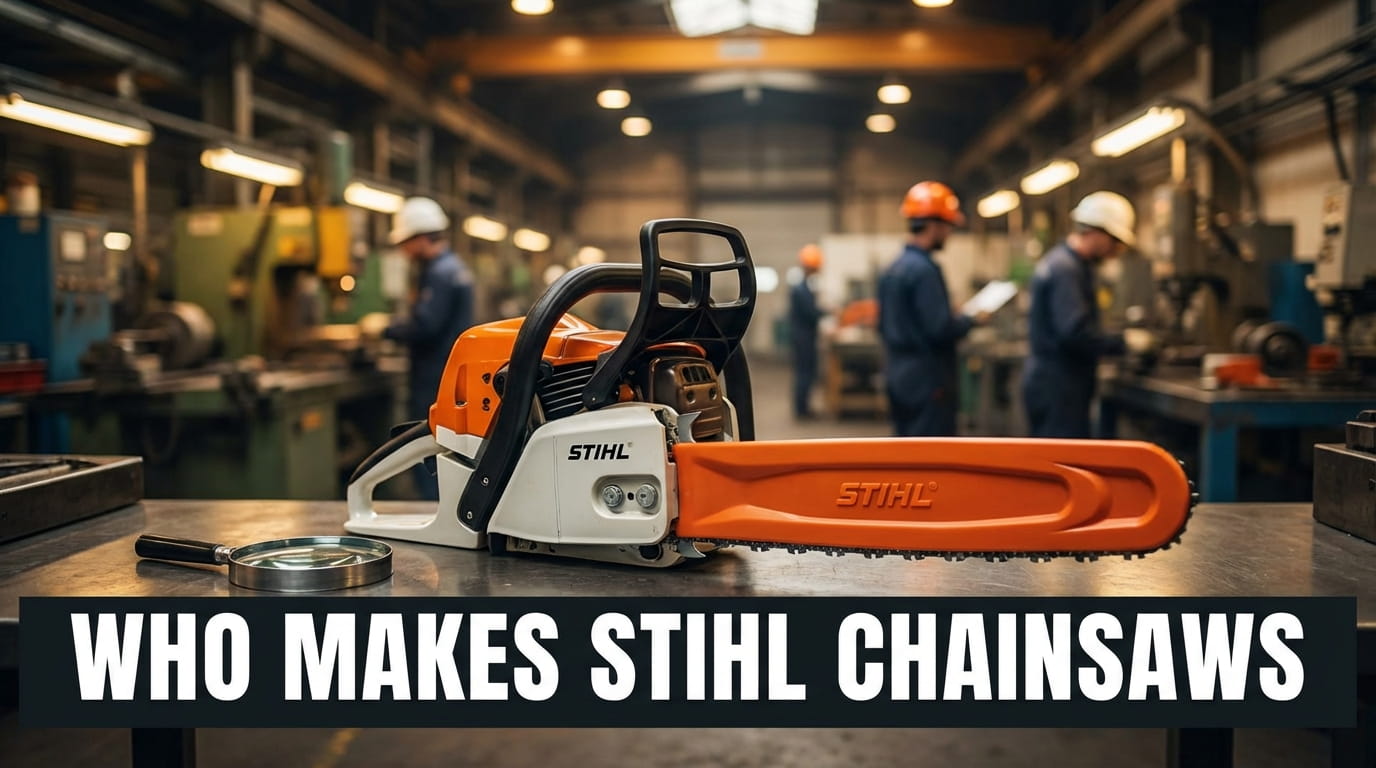
Stihl chainsaws are made by Stihl themselves, a renowned German manufacturer of power tools.
Andreas Stihl AG & Co. KG is globally recognized for producing a wide range of handheld outdoor power equipment, with chainsaws being their flagship product.
The company remains a privately held entity, owned by the descendants of its founder, Andreas Stihl, emphasizing its long-standing family heritage and commitment to quality.
But what makes Stihl such a revered name in power tools, and where exactly are these powerful machines produced?
This guide will explore the history, manufacturing locations, ownership structure, and key factors that build Stihl’s enduring reputation for excellence and reliability.
Let’s explore further.
Table of Contents
Who Owns the Stihl Company?
The Stihl company is privately owned by the Stihl family, specifically Andreas Stihl AG & Co. KG. This structure means it does not trade on any stock exchange, allowing it to maintain independence from public shareholders.
This private ownership allows Stihl to focus on long-term strategies, product development, and quality control rather than the short-term financial pressures often associated with publicly traded companies.
The family’s direct involvement in the company’s management has been a cornerstone of Stihl’s identity since its inception. This approach fosters a consistent vision and commitment to its core values.
Where Are Stihl Chainsaws and Other Products Manufactured?
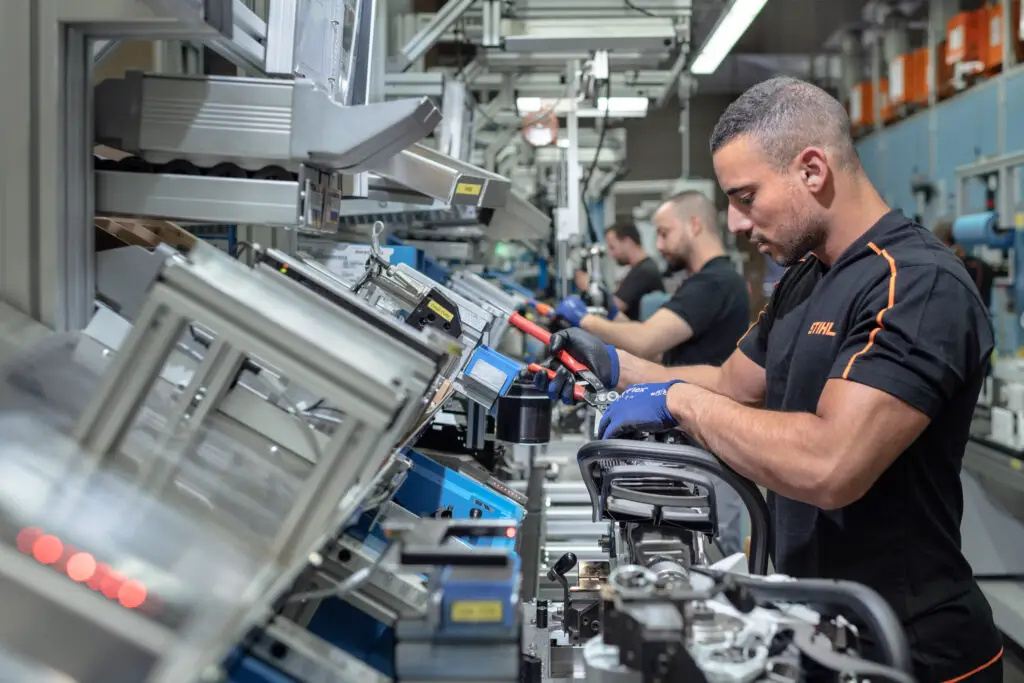
Stihl operates manufacturing facilities in several countries across the globe. This reflects its international presence and commitment to serving diverse markets. While Stihl’s roots are firmly in Germany, production is decentralized.
Key manufacturing plants are located in Germany, the United States, Brazil, Switzerland, Austria, and China. Each facility often specializes in particular products or components, contributing to the global supply chain.
For instance, the facility in Virginia Beach, USA, plays a crucial role in serving the North American market, producing a significant portion of the chainsaws and other power tools sold there.
Stihl’s plant in Brazil, for example, caters to Latin American demand, manufacturing products adapted to regional needs and conditions.
These international production sites uphold Stihl’s stringent quality standards, regardless of their geographical location. This ensures consistent performance worldwide.
Does Stihl Manufacture All Its Chainsaws Exclusively in Germany?
No, not all Stihl chainsaws are manufactured exclusively in Germany. The company’s headquarters and primary research and development facilities are in Waiblingen, Germany, but production occurs globally.
Many components and complete units are produced in various international plants, as mentioned previously. This distributed manufacturing approach optimizes logistics for Stihl and allows it to respond more efficiently to local market demands.
Customers in different regions might receive chainsaws assembled in their respective continents, although all components and final products adhere to Stihl’s global engineering and quality specifications.
The “Made in Germany” designation might apply to specific models or components made in German facilities, but it does not apply universally to every Stihl product sold worldwide.
What Is the Origin Story and History of Stihl?
Andreas Stihl, an engineer, founded the Stihl company in 1926. He designed and built his first chainsaw with an electric motor, aiming to simplify the incredibly labor-intensive work of forestry.
His very first Stihl chainsaw was a two-person electric saw, a revolutionary invention for its era. Andreas Stihl’s early innovations focused on making forestry more efficient and less physically demanding for workers.
Over the decades, Stihl expanded its product line, moving from electric saws to gasoline-powered models. This further cemented its reputation in the forestry and landscaping industries.
The company continued to innovate, introducing features like anti-vibration systems and chain brakes. These became industry standards for safety and user comfort.
This relentless pursuit of innovation and quality drove Stihl’s growth from a small engineering office to a global leader in power equipment.
What Factors Contribute to Stihl Chainsaws’ Reputation for Quality?
Stihl chainsaws are widely regarded for exceptional quality, durability, and reliability. This reputation is built on several core principles, with a major factor being the company’s commitment to vertical integration in manufacturing.
Stihl produces many critical components in-house, including guide bars and saw chains. This ensures tight quality control over every step of production, from raw materials to the finished product.
Rigorous testing forms another cornerstone of Stihl’s quality assurance. Every new product undergoes extensive field testing in real-world conditions to ensure performance and resilience.
A focus on robust engineering and high-grade materials ensures Stihl chainsaws withstand demanding professional use and provide consistent performance for many years.
Stihl also maintains a strong network of authorized servicing dealers. They provide expert advice, genuine parts, and professional maintenance, supporting the longevity and performance of their tools.
How Does Stihl Distribute Its Chainsaws and Equipment?
Stihl uses a distinctive distribution strategy, selling its products exclusively through a network of independent authorized servicing dealers. New Stihl equipment is not found in big-box retail stores.
This dealer-centric model ensures customers receive personalized service, expert advice, and proper product setup before purchase. Dealers also provide crucial after-sales support and genuine Stihl parts.
This relationship with specialized dealers allows Stihl to maintain a high standard of customer service. It ensures users receive tools that are correctly assembled, tested, and demonstrated.
This approach differentiates Stihl from many competitors. It contributes to its reputation for providing a premium customer experience alongside high-quality products.
This distribution model extends globally, with authorized dealers serving customers in over 160 countries. This ensures consistent product availability and support worldwide.
Beyond Chainsaws: What Other Power Tools Does Stihl Produce?
While chainsaws are synonymous with the Stihl name, the company manufactures a wide array of other outdoor power equipment for both professional and domestic use.
Their product portfolio includes trimmers, brushcutters, blowers, shredders, hedge trimmers, edgers, and specialized forestry equipment. Stihl also offers protective apparel and various accessories.
In recent years, Stihl has significantly expanded its line of battery-powered tools, offering environmentally friendly alternatives with impressive performance for a wide array of tasks.
This diversification allows Stihl to meet the needs of landscapers, arborists, construction workers, and homeowners who require reliable, durable equipment for property maintenance.
Their commitment to innovation extends across all product categories. This ensures every Stihl tool meets the same high standards of engineering and user-friendliness.
Are Stihl Chainsaws Designed for Specific User Needs?
Yes, Stihl designs its chainsaw lineup to cater to a broad spectrum of users, from occasional homeowners to demanding forestry professionals. This ensures every user finds an optimized tool.
For homeowners, Stihl offers lightweight, easy-to-start models ideal for pruning, limbing, and light firewood cutting. These models often prioritize user comfort and simple operation.
Mid-range chainsaws are designed for landowners, farmers, and experienced homeowners. These users require more power and durability for tougher jobs like felling small trees or extensive firewood processing.
Professional series chainsaws are engineered for arborists, loggers, and other forestry professionals. These models feature advanced technology, maximum power, robust construction, and ergonomic designs suitable for prolonged, heavy-duty use.
Stihl also offers specialized chainsaws. Examples include top-handle models for arborists working in trees and electric or battery-powered options for quiet, emission-free performance.
This tailored approach allows Stihl to maintain its reputation across all user segments. It provides appropriate tools that meet diverse performance and safety requirements.
Is Stihl Still a Dominant Force in the Power Equipment Market?
Absolutely, Stihl remains a dominant and highly influential force in the global power equipment market, particularly within the chainsaw sector. Their leadership reflects consistent innovation and quality.
The brand’s reputation for professional-grade tools means it remains the preferred choice for many professionals in forestry, landscaping, and construction worldwide.
Stihl’s continuous investment in research and development, including advancements in engine technology and battery-powered solutions, ensures the company stays competitive in an evolving market.
Their strong, independent dealer network provides a significant competitive advantage. It ensures expert service and customer loyalty, contributing to sustained market presence.
Despite increased competition, Stihl’s unwavering commitment to performance, durability, and safety has solidified its position as a global leader and a benchmark for quality in outdoor power equipment.
What About Stihl’s Commitment to Sustainability and the Environment?
Stihl demonstrates a strong commitment to sustainability and environmental responsibility across its operations and product development. This includes minimizing the ecological footprint of its manufacturing processes.
The company invests in developing more fuel-efficient engines that meet strict emissions standards, reducing their impact on air quality. Examples include technologies like Stihl’s 2-MIX and M-Tronic systems.
Stihl has also significantly expanded its range of battery-powered tools. These offer zero-emission alternatives that are quieter and require less maintenance, appealing to environmentally conscious users.
Their manufacturing facilities adhere to high environmental protection standards. They focus on responsible resource management, waste reduction, and energy efficiency in production.
This thorough approach to sustainability, from product design to operational practices, aligns with modern environmental expectations. It reinforces Stihl’s image as a responsible industry leader.

I am Jack Neel, a mechanical engineer, researcher, and writer. I created this website to share my knowledge about different brands and products with you. I research the manufacturers behind the brands and provide you with the information you need to make smart buying decisions.