
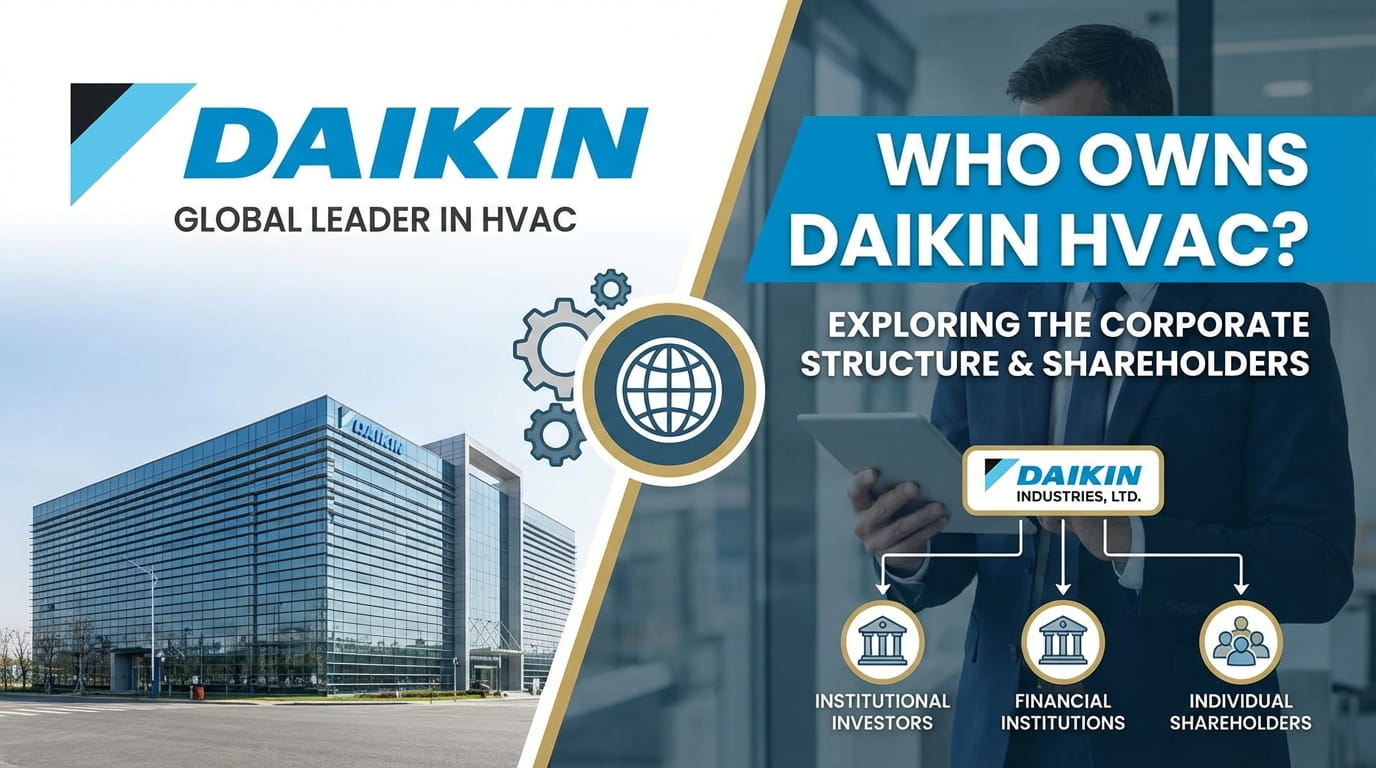
Daikin HVAC is primarily owned by Daikin Industries, Ltd., a Japanese multinational conglomerate headquartered in Osaka, Japan. This company is a publicly traded entity on the Tokyo Stock Exchange.
Daikin HVAC refers to the heating, ventilation, and air conditioning products manufactured by Daikin, which is one of the world’s leading providers in this sector. Their product range includes residential and commercial air conditioners, heat pumps, and refrigeration solutions.
The ultimate owner and manufacturer of Daikin HVAC systems is Daikin Industries, Ltd., a global enterprise with a vast network of manufacturing facilities, sales offices, and subsidiaries across the globe.
Understanding this ownership structure can clarify what it means for the quality and availability of Daikin products you might consider for your home or business.
This article will explore the corporate structure behind Daikin HVAC. We will examine where their products are made, the brands they include, and their position in the competitive HVAC market. We’ll also look at factors contributing to their strong reputation and global reach.
So let’s get started.
Table of Contents
Who is the Owner of Daikin HVAC?
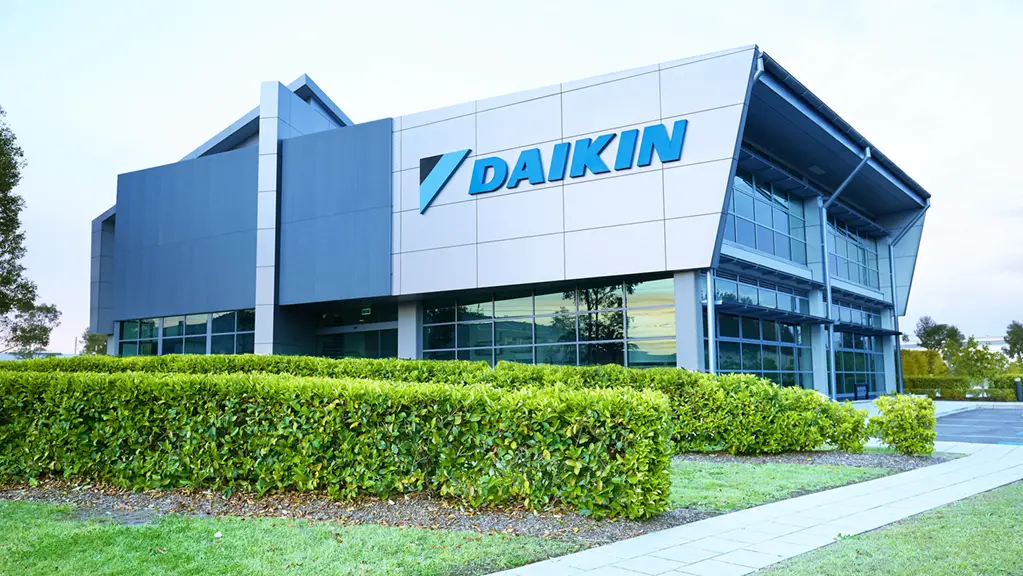
Daikin Industries, Ltd. leads globally in manufacturing air conditioning equipment. Founded in 1924, it has since grown into a multinational corporation with a significant worldwide presence.
Beyond HVAC, Daikin also focuses on fluorochemicals, producing various products, including refrigerants. This varied product range supports its strong financial position and innovation.
As a publicly traded company on the Tokyo Stock Exchange, Daikin Industries, Ltd. belongs to its shareholders. These shareholders include institutional investors, individual investors, and corporate entities.
This ownership model means the company is accountable to its investors. It consistently works for growth, innovation, and profitability in its core business segments, including Daikin HVAC.
Daikin’s long history and continuous investment in research and development highlight its dedication to advancing HVAC technology and maintaining its leading market position.
Where are Daikin HVAC Units Manufactured?
Daikin HVAC units are manufactured in many facilities strategically located around the world. This widespread manufacturing network helps Daikin serve various regional markets efficiently.
One of Daikin’s largest manufacturing operations is in Houston, Texas, USA. This facility, part of Daikin Comfort Technologies Manufacturing, L.P., produces a wide range of residential and commercial HVAC products for the North American market.
In Asia, Daikin operates major production sites in Japan, Thailand, China, and India, among others. These facilities serve the large Asian market, a key growth region for the company.
European customers receive products from Daikin’s manufacturing plants located in countries such as Belgium, the Czech Republic, and Italy. These sites often specialize in products made for European climate conditions and regulations.
This global manufacturing footprint ensures that Daikin HVAC products can be designed and produced to meet specific regional requirements, energy standards, and customer preferences.
It also helps reduce lead times and supply chain complexities, making Daikin HVAC systems widely available to consumers and businesses worldwide.
What Other HVAC Brands Does Daikin Own?
Daikin Industries, Ltd. has significantly expanded its market presence through strategic acquisitions, bringing several well-known HVAC brands into its corporate structure. This strategy allows Daikin to serve a broader range of customer needs and price points.
Perhaps the most notable acquisition in North America was Goodman Global Group, Inc., in 2012. Goodman is a leading manufacturer of residential and light commercial HVAC products, recognized for its reliable and affordable systems.
Along with Goodman, Daikin also acquired the Amana brand, which focuses on premium residential heating and air conditioning products. Both brands are now part of Daikin Comfort Technologies.
Globally, Daikin owns several other important brands, including McQuay. McQuay specializes in large-scale commercial and industrial HVAC solutions such as chillers and air handling units.
Other brands under the Daikin umbrella in various regions might include Airfel in Turkey or specific regional brands integrated into their global portfolio over time.
This varied brand portfolio allows Daikin to offer everything from entry-level and mid-range HVAC solutions to high-end, technologically advanced systems for different market segments.
Is Daikin Considered a Premium HVAC Brand?
Daikin enjoys wide recognition as a premium HVAC brand, particularly for its innovation, energy efficiency, and high-quality products. Decades of research and development support this reputation.
The company pioneered many advancements in the HVAC industry, including the development of variable refrigerant volume (VRV) systems for commercial applications. These systems offer superior energy savings and zoned control.
Daikin HVAC systems often include advanced inverter technology, which allows for precise temperature control and uses less energy compared to traditional on/off compressor systems.
Consumers and industry experts frequently point to Daikin’s reliability and durability as key reasons for its premium status. Their products are built for long-term performance and efficiency.
While Daikin products may have a higher initial cost than some competitors, their energy efficiency and longevity can lead to significant savings over the product’s lifespan, offering a strong return on investment.
Their extensive warranty offerings and global network of trained technicians also contribute to a strong consumer perception of quality and reliable after-sales support.
How Does Daikin’s Technology Stand Out in the HVAC Market?
Daikin’s technological strength sets it apart in the highly competitive HVAC market. Its commitment to innovation has produced several industry-leading features and systems.
One of Daikin’s most significant contributions is inverter technology. Instead of cycling on and off, Daikin inverter compressors adjust their speed to precisely match the cooling or heating load. This provides consistent comfort and substantial energy savings.
Daikin is also a global leader in VRV (Variable Refrigerant Volume) and VRF (Variable Refrigerant Flow) systems. These sophisticated multi-zone systems allow individual control over temperatures in different areas, making them ideal for large commercial buildings.
They also focus heavily on refrigerant development, working to create refrigerants with lower global warming potential (GWP). Daikin was an early adopter and promoter of R-32 refrigerant, which has a significantly lower GWP than older refrigerants like R-410A.
Many Daikin HVAC systems incorporate advanced air purification technologies. These help improve indoor air quality by filtering out allergens, dust, and other pollutants, a growing concern for many consumers.
Furthermore, Daikin integrates smart home technology and advanced controls into its systems. Users can manage their HVAC remotely and optimize energy usage through intuitive interfaces and mobile apps.
Where Can Consumers Purchase Daikin HVAC Systems?
Daikin HVAC systems are primarily sold and installed through a network of authorized dealers and distributors. This approach ensures professional installation and service, which is vital for complex HVAC equipment.
Consumers interested in purchasing Daikin products, including their well-known Daikin Fit systems or high-efficiency heat pumps, typically start by contacting a local HVAC contractor who is an authorized Daikin dealer.
These authorized dealers receive training and certification from Daikin to install, maintain, and repair their specific products. This expertise helps ensure optimal system performance and adherence to warranty conditions.
For their Goodman and Amana brands, also part of Daikin Comfort Technologies, the distribution model is similar. These products are available through a broad network of HVAC distributors and contractors across North America.
Daikin’s official websites for various regions provide tools to find authorized dealers nearby. This allows consumers to locate reputable professionals who can assess their needs and provide appropriate Daikin HVAC solutions.
It is generally not advisable to purchase Daikin HVAC units online from unauthorized retailers, as proper installation and warranty validation typically require a certified professional.
What is Daikin’s Global Presence in the HVAC Market?
Daikin Industries, Ltd. holds a very significant global presence in the HVAC market. It is often recognized as one of the world’s largest manufacturers of air conditioning equipment by revenue and market share.
The company operates in over 170 countries, demonstrating its extensive reach across all major continents. This global footprint allows Daikin to understand and adapt to diverse climatic conditions and local market demands.
In North America, through Daikin Comfort Technologies and its brands like Goodman and Amana, Daikin has become a major player in both residential and commercial segments.
Daikin maintains a particularly strong position in Asian markets, including Japan, China, and Southeast Asia, where demand for advanced air conditioning solutions remains consistently high.
Its presence in Europe, Africa, and Oceania is also robust, supported by dedicated manufacturing facilities, sales offices, and research and development centers designed for these regions.
This vast global network not only facilitates sales and distribution but also enables Daikin to gather diverse market insights. This helps drive innovation for new Daikin HVAC products that address worldwide needs.
Are Daikin HVAC Systems a Good Investment for Homeowners?
For many homeowners, Daikin HVAC systems represent a sound investment, especially for those prioritizing long-term comfort, energy efficiency, and reliability. Their reputation often justifies the initial cost.
One of the main benefits is the potential for significant energy savings. Daikin’s advanced inverter technology and high Seasonal Energy Efficiency Ratio (SEER) ratings often lead to lower utility bills over the system’s lifetime.
Homeowners also benefit from the consistent comfort Daikin systems provide. They maintain more stable temperatures without the wide fluctuations often seen with older, less efficient units.
The durability and robust construction of Daikin HVAC products mean they are built to last, offering many years of dependable operation and reducing the frequency of costly repairs.
While the upfront cost might be higher than some competitor brands, the combination of energy efficiency, reliability, and advanced features like quiet operation and improved indoor air quality often delivers excellent value.
For those seeking a high-performance, technologically advanced heating and air conditioning solution from a global leader, a Daikin HVAC system is generally considered a worthwhile and intelligent investment.

I am Jack Neel, a mechanical engineer, researcher, and writer. I created this website to share my knowledge about different brands and products with you. I research the manufacturers behind the brands and provide you with the information you need to make smart buying decisions.