
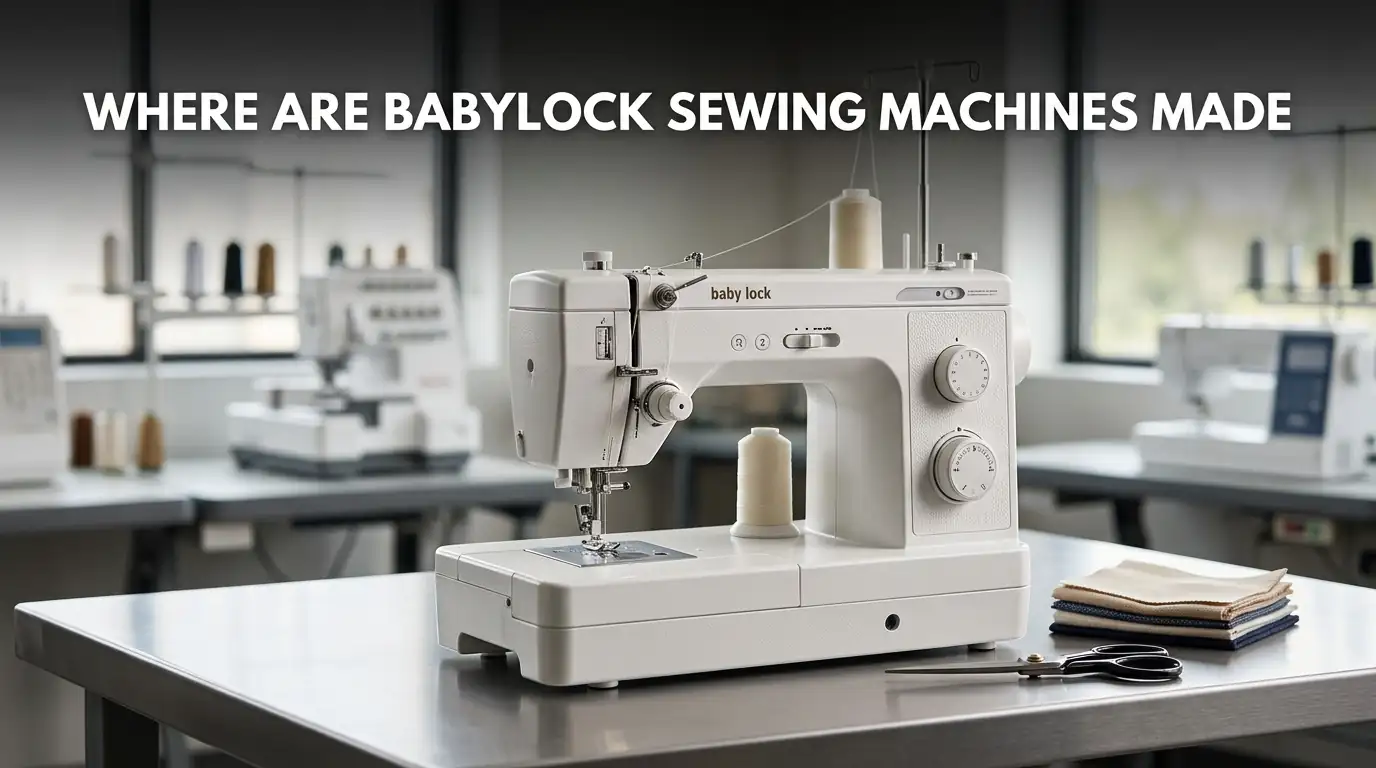
Baby Lock sewing machines are made in partnership with Suzuki Machinery Co, Ltd, a Japanese manufacturer that builds most Baby Lock machines at a factory in Yamagata, Japan.
Baby Lock is known as a premium sewing and embroidery machine brand in the United States, with a heritage stretching back to the early 1970s and a product range that covers sewing machines, embroidery machines, sergers, and quilting machines.
Baby Lock states its Japanese manufacturing heritage on its own site, while Tacony Corporation, headquartered in Fenton, Missouri, handles marketing and distribution across North America.
Knowing where Baby Lock sewing machines are made helps buyers understand the difference between the Japanese factory behind the machines and the American company that sells them.
This article covers Baby Lock’s history, its manufacturing partnership with Suzuki Machinery, where Baby Lock sewing machines are made today, its current product range, and how it compares to Brother and Bernette. So let’s get started.
Table of Contents
Inside Baby Lock’s Manufacturing: Factories, Suzuki Machinery, and Quality Control
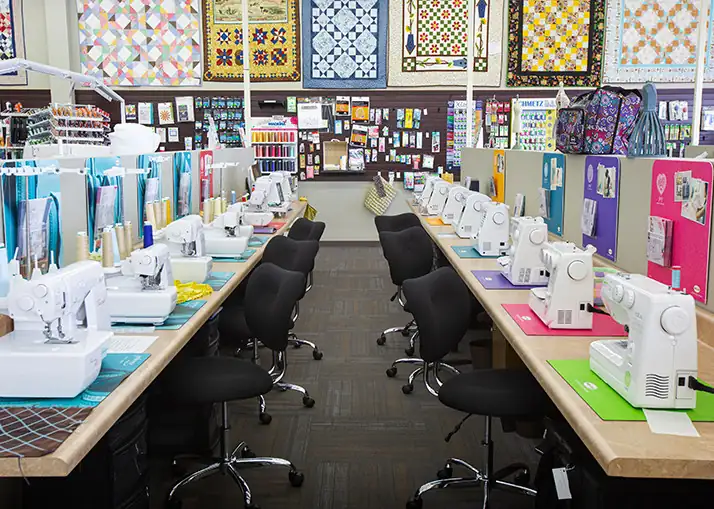
According to Baby Lock’s official site, machines are produced in a factory in the north of Japan, an area identified as Yamagata prefecture.
Baby Lock’s global site states the brand is manufactured to strict standards in partnership with Suzuki Machinery Co, Ltd, the company responsible for assembly and inspection of many Baby Lock overlock and coverstitch machines.
Baby Lock describes a hands on finishing process that includes hand polishing certain components and testing dozens of different seam types before a machine ever leaves the factory.
The company frames this as a craftsmanship first approach rather than pure mass production, though like most modern manufacturers it still builds at meaningful scale to supply a global market of dealers and sewists.
Baby Lock, Tacony Corporation, and How Distribution Works
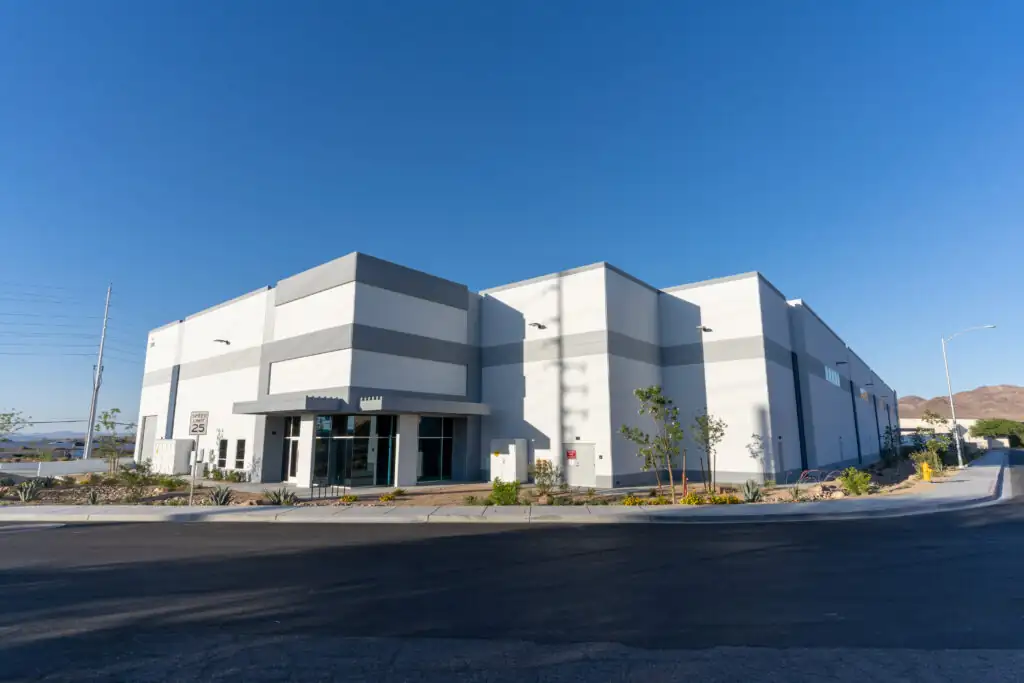
Baby Lock is one of several brands owned and distributed by Tacony Corporation, a privately held company based near St Louis, Missouri.
Tacony traces its roots to 1946, when founder Nick Tacony began selling used sewing machines and parts from his home.
By the early 1970s, Tacony had introduced Baby Lock machines to the North American market, and the company has represented the brand here ever since, a history documented on the Wikipedia list of sewing machine brands.
Tacony also owns other home and floor care brands, including Riccar and Simplicity vacuum cleaners, alongside its sewing machine business, and maintains a Better Business Bureau profile under its own corporate name.
Importantly, Tacony does not manufacture the machines itself in Japan. It functions as the exclusive importer, marketer, and warranty support company for Baby Lock in the US and Canada, working with roughly 600 independent authorized dealers rather than selling direct.
Brand Origin vs Manufacturing: Why the Distinction Matters
It helps to separate two different questions that often get blurred together. Where a brand is headquartered is not the same as where its products are physically built.
Baby Lock as a retail brand is run out of Missouri. The machines themselves trace their engineering and factory floor back to Japan.
This split model, an American marketing and distribution company paired with Japanese manufacturing, is common across the sewing machine industry, not unique to Baby Lock.
Brands such as Elna and bernette follow a similar pattern, where the country most associated with a brand’s identity is not always the only country involved in production. Readers comparing brands can see how this plays out in our guides on where Elna sewing machines are made and where bernette sewing machines are made.
Understanding this distinction matters for buyers who assume country of origin tells them everything about quality or support, when in practice distribution, dealer network, and parts availability matter just as much.
Sewing Machines vs Embroidery Machines vs Sergers: Do Model Tiers Differ
Baby Lock’s official statements about Yamagata production and the Suzuki Machinery partnership focus specifically on its overlock and coverstitch machines, commonly known as sergers.
Baby Lock’s sewing machine and combination sewing and embroidery lines are also positioned as Japanese engineered, but the company’s public materials are less specific about exactly which production line or plant each individual model comes from.
This is common across the industry. Manufacturing details can vary by model year, by machine category, and by whether a machine is a basic mechanical model or a full featured computerized embroidery machine.
Because of that, shoppers should not assume every Baby Lock model, from an entry level sewing machine to a flagship embroidery combo, was necessarily built on the identical line or with identical sourcing.
When exact manufacturing origin matters for a specific model, the most reliable step is checking that model’s manual or contacting an authorized Baby Lock dealer, since specifications and sourcing can be updated between model releases.
Is Baby Lock a Good Brand? Genuine Pros and Cons
Baby Lock has built a long standing reputation among quilters and garment sewists, particularly for its sergers, which are frequently described in sewing community discussions as reliable and relatively easy to thread.
On the positive side, owners often point to smooth stitch quality, air threading features on newer overlock models, and a dealer network that provides in person service and classes rather than leaving buyers to sort out repairs alone.
Tacony’s decades long presence in the US market also means parts, accessories, and trained technicians are generally easier to find compared to some newer or online only brands.
On the downside, Baby Lock machines, especially embroidery and combination models, tend to sit at a higher price point than many mainstream competitors, which puts them out of reach for casual or beginner sewists.
Because Baby Lock sells primarily through independent dealers rather than big box retailers, availability and pricing can vary more by region than with brands sold nationally online.
As with any brand, individual experiences vary by model, age of the machine, and how well it has been maintained, so broad reputation should be treated as a starting point rather than a guarantee.
How Baby Lock Compares to Other Brands
Baby Lock is frequently compared to Brother, partly because both brands have Japanese manufacturing roots and partly because some retailers and online forums have speculated they share components.
Baby Lock’s own materials do not describe Brother as its manufacturer, and the two are separate companies with separate corporate ownership, Tacony Corporation for Baby Lock and Brother Industries for its own eponymous machines.
Compared to brands with a stronger direct retail presence, Baby Lock tends to emphasize its dealer supported service model, which is a different approach than brands sold heavily through big box and online retailers.
No single brand is a universal winner. A buyer who wants a simple, lower cost workhorse may prefer a different machine, while a quilter chasing advanced embroidery features may find Baby Lock’s higher end lines worth the investment.
The most useful comparison is usually model to model rather than brand to brand, since a specific Baby Lock serger and a specific Baby Lock embroidery machine can differ significantly in price, complexity, and target user.
Common Baby Lock Problems and Basic Troubleshooting
Like any mechanical sewing equipment, Baby Lock machines can develop issues over time, and the right fix depends on the specific model and machine type involved.
Tension problems are among the most commonly reported issues, often traced to incorrect threading order, a dirty tension disc, or using a thread weight that does not suit the current project.
A basic first step is rethreading the machine completely, checking that thread sits properly in the tension discs, and confirming the correct needle type and size for the fabric being sewn.
Thread jams and bird nesting under the fabric are another frequent complaint, often linked to lint buildup in the bobbin area or a machine that has not been cleaned and oiled on the manual’s recommended schedule.
For sergers specifically, looper timing and knife blade issues are more likely to require a trained technician rather than a home fix, since adjusting timing incorrectly can cause further damage.
When basic troubleshooting such as cleaning, rethreading, and needle replacement does not resolve a problem, or a machine starts making unusual noises, the safest move is scheduling service with an authorized Baby Lock dealer rather than attempting a deeper repair yourself.
Buying Guide: What to Consider Before Choosing Baby Lock
Start by matching the machine category to your actual sewing habits. A dedicated serger, a computerized sewing machine, and a combination embroidery machine serve different purposes and sit at very different price points.
Because Baby Lock sells mainly through authorized dealers, it is worth locating a dealer near you before purchase, since local service and classes are a major part of the ownership experience.
Compare warranty terms and what is covered, since coverage details can differ between basic mechanical models and higher end computerized machines.
If budget is a major factor, look at older or previous generation Baby Lock models, which can offer similar core stitch quality to current releases at a lower price.
Finally, read model specific reviews rather than relying only on brand level reputation, since Baby Lock’s lineup spans a wide range of features, price points, and complexity.
Frequently Asked Questions About Baby Lock Sewing Machines
Is Baby Lock made by Brother?
No. Baby Lock and Brother are separate companies with separate ownership. Baby Lock is distributed in North America by Tacony Corporation, while Brother Industries manufactures and sells its own machines under its own name. Some forums speculate about shared parts because both brands have Japanese manufacturing roots, but Baby Lock’s official materials do not describe Brother as its manufacturer.
Is Baby Lock a good brand?
Baby Lock has a solid reputation, especially for its sergers, which many sewists describe as reliable and relatively easy to thread. Its dealer network offers in person service and classes that many owners value highly. The tradeoff is a higher price point than many mainstream brands, particularly for embroidery and combination machines, so it suits sewists who want dealer support and are willing to pay for it.
Are Baby Lock machines made in Japan?
Yes, based on Baby Lock’s own global site. The brand states its machines are manufactured to strict standards at a factory in Yamagata, Japan, working with Suzuki Machinery Co, Ltd for assembly and quality control, particularly for its overlock and coverstitch models. Specific sourcing details can vary by exact model and category.
Is Baby Lock better than Brother?
Neither brand is universally better. Baby Lock tends to focus on dealer supported sales, in person service, and stitching heritage, while Brother offers broader retail availability and generally lower entry prices. The better choice depends on whether you value local support and specialty features or budget and convenience, and it often comes down to comparing specific models rather than brands as a whole.
So, where are Baby Lock sewing machines made? The core answer is Japan, specifically a factory in Yamagata built in partnership with Suzuki Machinery Co, Ltd, according to Baby Lock’s own materials.
In North America, the brand is marketed, sold, and supported by Tacony Corporation through a network of independent authorized dealers rather than sold directly by the Japanese manufacturer.
For most buyers, the practical takeaway is this: Japanese manufacturing heritage paired with reliable dealer backed service is what Baby Lock is known for. Weigh that combination, along with model specific reviews, before choosing between a Baby Lock machine and a competing brand.

I am Jack Neel, a mechanical engineer, researcher, and writer. I created this website to share my knowledge about different brands and products with you. I research the manufacturers behind the brands and provide you with the information you need to make smart buying decisions.