
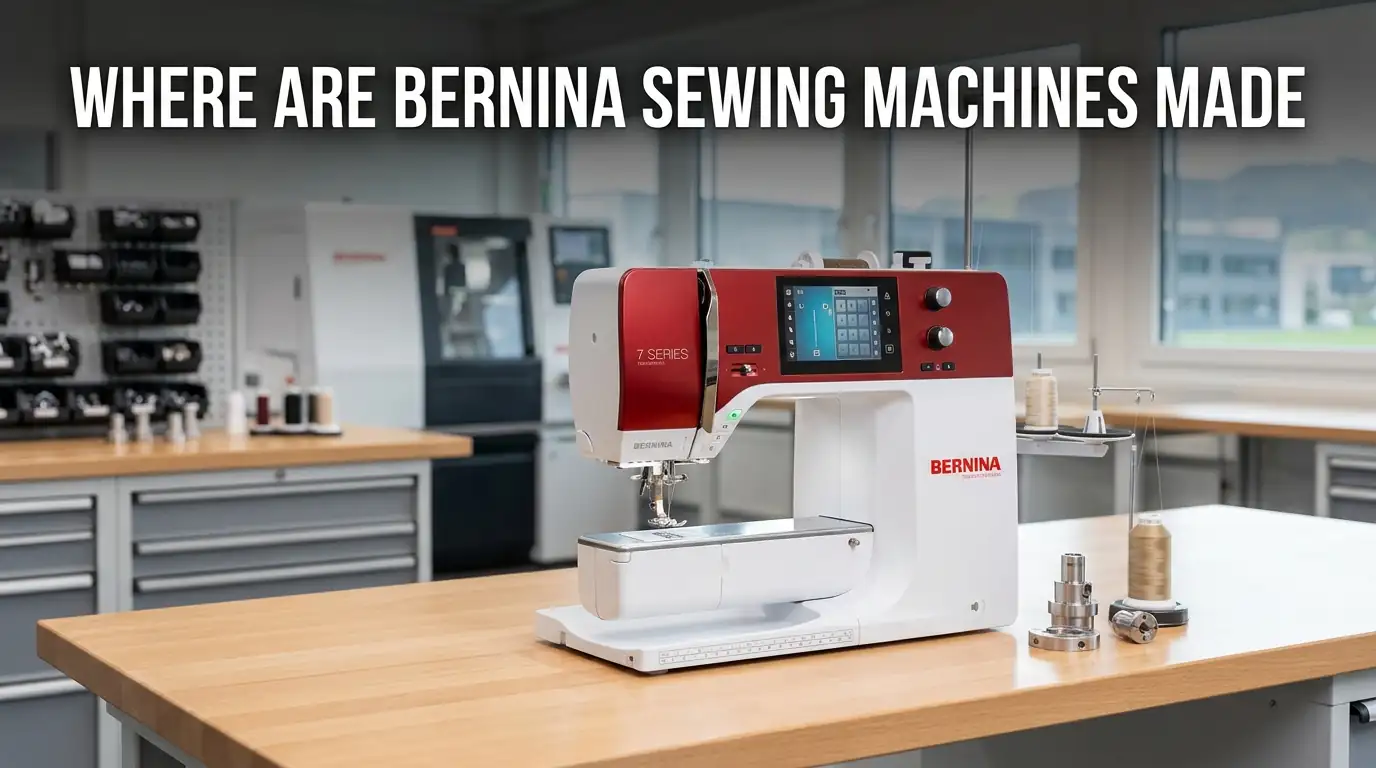
Bernina sewing machines are made by BERNINA International AG, a Swiss company that manufactures nearly all of its current models at a production facility in Lamphun, Thailand.
Bernina is known as a premium Swiss sewing and quilting machine brand, with a heritage stretching back to 1893 and a product range that covers home sewing machines, quilting machines, sergers, and the budget friendly bernette sub brand.
Bernina International’s company history is covered on Wikipedia, and the company remains headquartered in Steckborn, Switzerland, where development, engineering, and quality control are still based.
Knowing where Bernina sewing machines are made helps buyers understand that Swiss engineering and final assembly are no longer the same thing for most current models.
This article covers Bernina’s founding, its move to Thailand production, where Bernina sewing machines are made today, its current product range, and how it compares to Janome and bernette. So let’s get started.
Table of Contents
Bernina Manufacturing History and Current Factory Locations
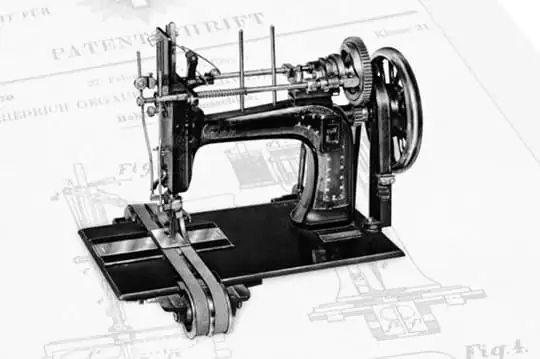
Bernina traces its roots to 1893, when Swiss inventor Karl Friedrich Gegauf built the first hemstitch sewing machine, capable of sewing 100 stitches per minute. The Bernina brand name itself appeared later, in 1932, according to Bernina official company history.
For much of the twentieth century, Bernina machines were assembled in Switzerland. The company opened a production facility in Lamphun, Thailand in 1990, initially to build lower and mid priced models.
Over the following decades, more production shifted toward Thailand. By early 2026, Swiss news outlets reported that Bernina moved its remaining Swiss assembly work to the Thailand facility, citing steep US tariffs and a strong Swiss franc that made Swiss based assembly increasingly costly.
Roughly 40 of the 334 employees at the Steckborn site were affected by this final transition, even though Bernina still employs more than 1,200 people worldwide across development, sales, and support functions.
A separate logistics center in Appenweier, Germany handles distribution for parts of Europe. You can read more background on the company on the Wikipedia page for Bernina International.
Brand Origin vs Where the Machines Are Actually Made
It is easy to confuse a company origin with where its products are physically built. Bernina is, and remains, a Swiss company. It was founded in Switzerland, is still headquartered there, and is still privately owned by the Ueltschi family, descendants of the original founder.
Where a machine is designed, engineered, and quality tested is a different question from where its parts are wired and assembled. Bernina keeps design, software development, and final quality control under Swiss oversight, even though physical assembly now happens mostly in Thailand.
This split between origin and assembly location is common across many manufacturing brands today, from electronics to appliances. A Swiss badge on a machine tells you about company heritage and engineering standards, not the literal factory floor where every unit was assembled.
Do All Bernina Models Come From the Same Factory
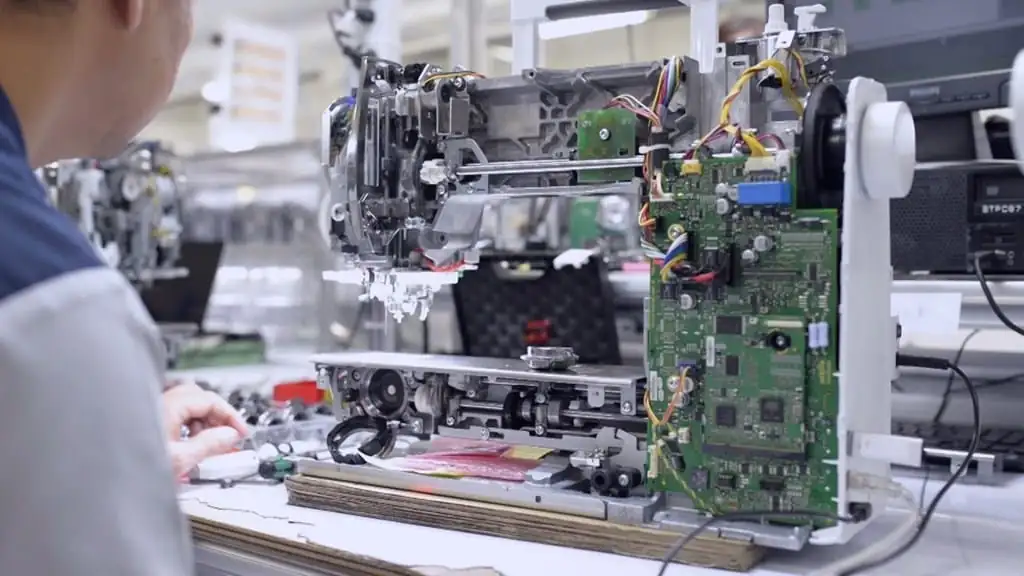
Not every Bernina product line has followed an identical manufacturing path. Entry level and mid range Bernina machines have been built in Thailand for years, since that facility opened in 1990 specifically to serve those segments.
Higher end machines, including many top tier lines, were assembled in Switzerland for longer, but that changed with the 2026 move of the remaining final assembly work to Thailand as well.
Bernette, Bernina companion budget brand, is a separate but related product line. The name combines Bernina with the suffix ette, honoring Odette Gegauf Ueltschi, a former company owner. Bernette machines are aimed at beginners and price conscious sewers, and for the full picture on that brand, see our guide on where Bernette sewing machines are made.
Because Bernette is positioned as a simpler, lower cost line, its manufacturing arrangements are managed somewhat separately from mainline Bernina models, even though both brands sit under the same parent company.
Is Bernina a Good Sewing Machine Brand
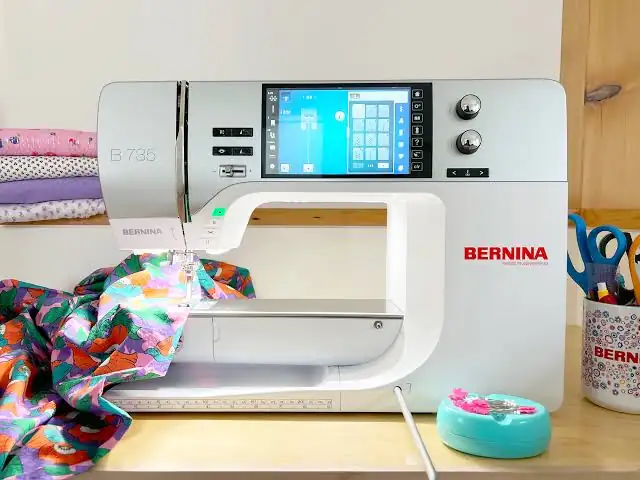
Bernina has a strong reputation among quilters, garment sewers, and embroidery hobbyists for build quality, stitch precision, and long service life. Many sewists consider Bernina machines an investment piece that can last for decades with proper maintenance.
On the positive side, owners frequently praise the smooth stitch quality, sturdy metal internal parts, strong dealer support network, and the wide availability of specialized presser feet and accessories.
On the negative side, Bernina machines carry premium price tags, often several times the cost of entry level machines from other brands. Replacement parts and authorized repairs can also cost more than for mass market machines.
Customer sentiment on independent review platforms is generally positive but mixed on value for money, particularly among buyers who do not use advanced features often enough to justify the cost. You can review general rating patterns through the Better Business Bureau profile for Bernina of America.
How Bernina Compares to Other Sewing Machine Brands
Bernina sits in the premium tier alongside brands like Pfaff and higher end Janome models. Compared to Janome, Bernina tends to cost more but is often praised for tighter tolerances and a more refined feel during long sewing sessions.
If you are researching alternatives, our separate article on where Janome sewing machines are made covers a brand that also manufactures largely in Asia while maintaining a strong reputation for reliability at a lower price point.
Compared to budget brands such as Singer or entry level Brother models, Bernina machines generally offer sturdier construction and better long run stitch consistency, though budget brands remain reasonable choices for casual or occasional sewing.
No single brand is the universal best choice. The right pick depends on budget, intended use such as quilting, garment work, or embroidery, and how often the machine will actually be used.
| Brand | Typical price tier | Primary manufacturing region today |
|---|---|---|
| Bernina | Premium | Thailand assembly, Switzerland HQ and design |
| Janome | Mid range | Japan, Taiwan, Thailand, and China depending on model |
| Pfaff | Premium | Germany and Asia, varies by model |
| Singer | Budget to mid | Various overseas facilities, mainly Asia |
Common Bernina Problems and Troubleshooting
Bernina machines are generally reliable, but like any mechanical device they can develop issues over time or with heavy use. Troubleshooting steps vary by model, since digital and computerized Bernina machines diagnose issues differently than older mechanical ones.
Thread tension problems are among the most common complaints. This is often caused by incorrect threading, a dirty tension disc, or low quality thread. Rethreading carefully and cleaning the tension assembly resolves many of these cases.
Skipped stitches frequently trace back to a bent or incorrectly inserted needle, or a needle that does not match the fabric weight. Replacing the needle with the correct type for the project is the first fix to try.
Bobbin case noise or jamming can result from lint buildup in the bobbin area. Regular cleaning with a small brush, plus occasional professional servicing, helps prevent this on both mechanical and computerized models.
For computerized Bernina machines with embroidery modules, error messages or software freezes may require a firmware update or a visit to an authorized dealer, since these units include electronics that home troubleshooting cannot always fix.
If a problem persists after basic troubleshooting, or if you notice unusual noises, motor issues, or timing problems, it is best to take the machine to an authorized Bernina service center rather than attempting deeper repairs at home.
What to Consider Before Buying a Bernina
Think about budget first, since Bernina machines span a wide range from entry level mechanical models to high end computerized embroidery systems costing several thousand dollars.
Consider what you actually sew most often. Quilters often value throat space and stitch regulation features, while garment sewers may prioritize a wide range of built in stitches and buttonhole options.
Buy from an authorized Bernina dealer rather than an unauthorized reseller. Authorized dealers provide warranty coverage, setup assistance, and access to genuine parts and servicing.
Ask about local service availability before buying. Since Bernina machines are precision instruments, having a nearby authorized service center matters for long term maintenance and repairs.
Compare specific models rather than assuming all Bernina machines behave the same way, since features, computerization, and even country of assembly can differ across the lineup.
Frequently Asked Questions About Bernina Sewing Machines
Is Bernina still a Swiss made sewing machine brand
Bernina remains a Swiss owned and Swiss headquartered company, with design, engineering, and quality control based in Steckborn, Switzerland. However, final assembly for most current models now happens at the company Thailand facility, following a 2026 move of the remaining Swiss assembly work. So the brand is Swiss, but physical assembly is largely done in Thailand today.
Is Bernina worth the extra money compared to cheaper brands
For sewers who use their machine frequently, especially for quilting or detailed embroidery work, many owners feel the investment pays off through durability, precise stitching, and strong resale value. Casual or beginner sewers who sew occasionally may find a mid range machine from another brand delivers enough value without the premium price tag.
What is the difference between Bernina and Bernette
Bernette is Bernina companion brand aimed at beginners and budget conscious buyers, offering simpler features at lower prices. Bernina proper targets more advanced sewers and offers higher end computerization, stitch quality, and accessories. Both brands share some manufacturing and corporate resources but are marketed and positioned separately.
Are Bernina sewing machines good for quilting
Yes, Bernina machines are widely used and respected in the quilting community, particularly higher end models with large throat space, stitch regulation, and dedicated quilting feet. Many long time quilters consider certain Bernina models among the best available for free motion quilting, though the premium price is a real consideration for casual quilters.
So, where are Bernina sewing machines made today? The short answer is Thailand, at the company Lamphun production facility, while the brand headquarters, design, and quality control remain in Steckborn, Switzerland.
This split reflects a broader 2026 shift, when Bernina moved its last remaining Swiss assembly work overseas due to tariff pressure and currency costs.
Bernina remains a Swiss owned, Swiss engineered brand with a strong reputation for durability and precision, even though the phrase Swiss made no longer applies to final assembly.
If you are shopping for a Bernina machine, focus on the specific model, its features, and dealer support rather than assuming assembly location alone determines quality.

I am Jack Neel, a mechanical engineer, researcher, and writer. I created this website to share my knowledge about different brands and products with you. I research the manufacturers behind the brands and provide you with the information you need to make smart buying decisions.