
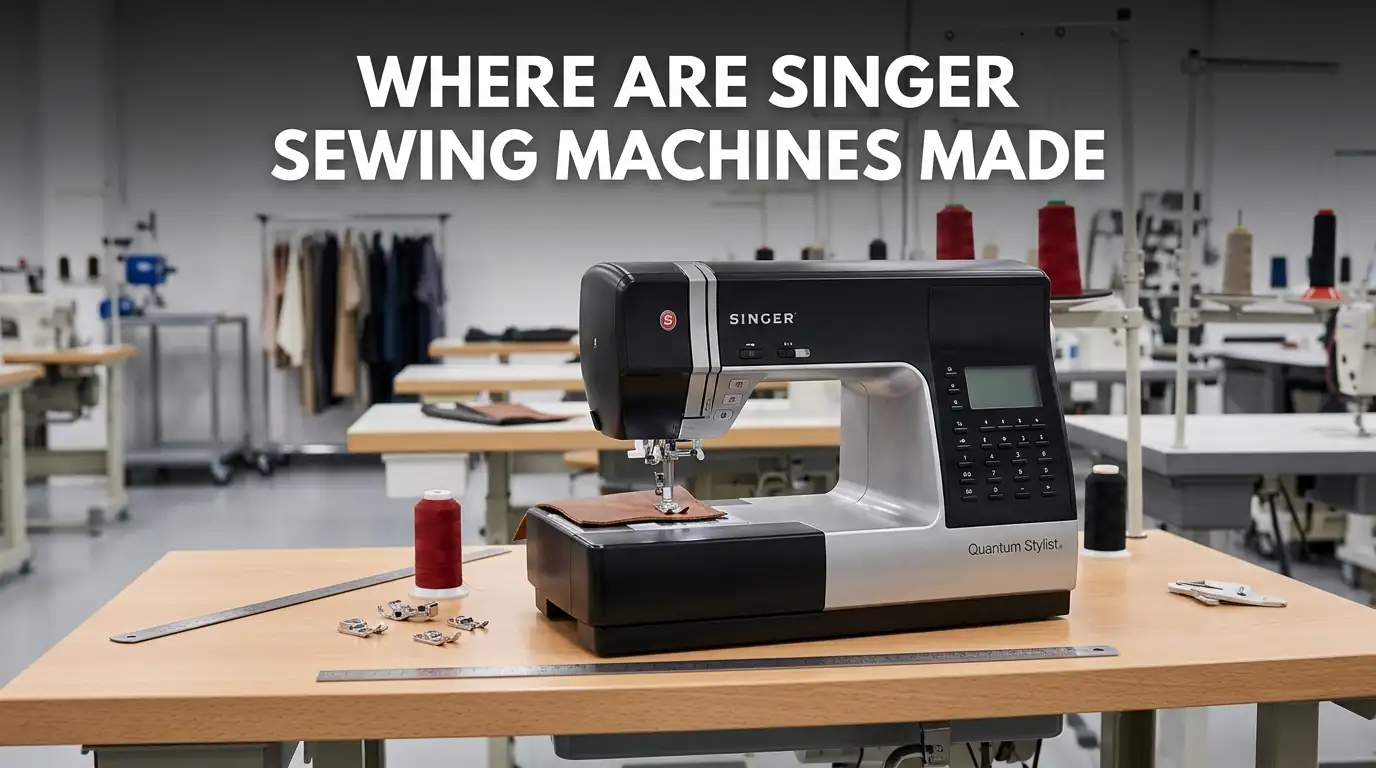
Singer sewing machines are made by SVP Worldwide, an American owned company that manufactures current Singer models primarily in Vietnam and China.
Singer is known as one of the oldest and most recognized sewing machine brands in the world, with a heritage stretching back to 1851 and a product range that once dominated home sewing before shifting toward budget friendly consumer machines.
Singer Corporation’s history is documented on Wikipedia, and the brand is now part of SVP Worldwide, headquartered in Nashville, Tennessee, alongside sister brands Pfaff and Husqvarna Viking.
Knowing where Singer sewing machines are made helps buyers understand that a name built on decades of American and European factory history is now produced entirely overseas.
This article covers Singer’s founding, SVP Worldwide’s ownership, where Singer sewing machines are made today, its current product range, and how it compares to Brother and Janome. So let’s get started.
Table of Contents
The Direct Answer: Where Singer Machines Are Made Today
Most consumer Singer sewing machines sold in North America and Europe today are assembled in Vietnam, with China also serving as a major production hub for the brand.
Vietnam has become one of the largest hubs for sewing machine assembly worldwide, and SVP Worldwide, Singer’s parent company, relies heavily on factories there for mainstream and entry level models.
China remains a secondary manufacturing location for certain Singer models and components, a pattern shared by many other global appliance and machine brands.
Some sourcing for needles, bobbins, and small parts has also been linked to Brazil, where Singer maintained manufacturing operations for many years before shifting most of that work to Asia.
It is worth noting that exact factory assignments can change between production runs and model years, so the printed label on your specific machine box or base plate is the most reliable single source for that unit.
Who Owns Singer? Inside SVP Worldwide
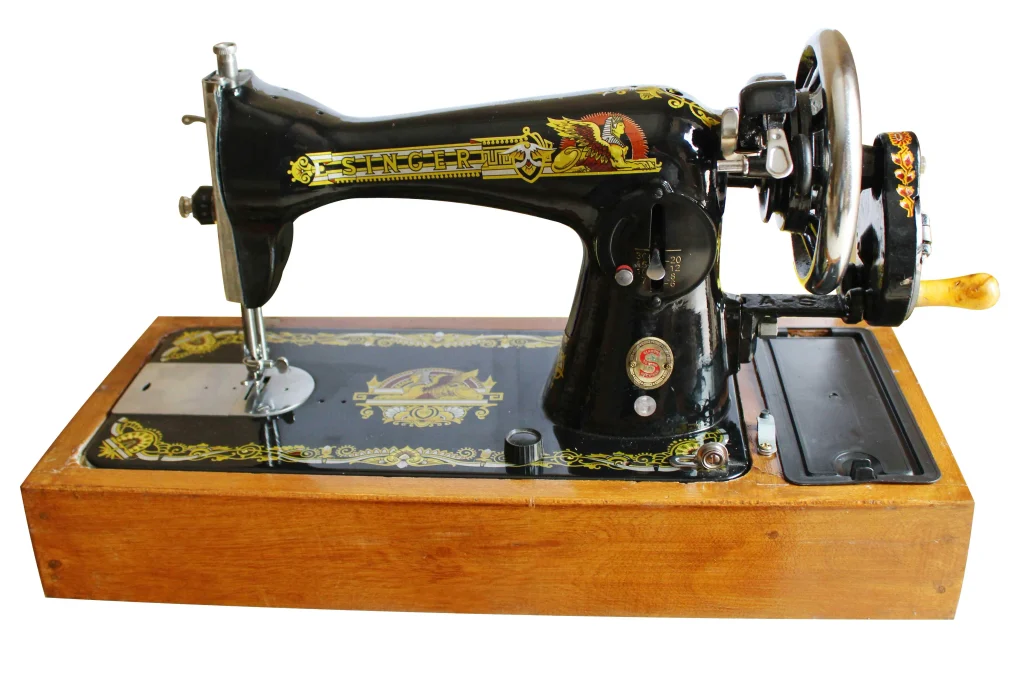
Singer has not been an independently owned American company for many years. It is one of three sewing brands operated by SVP Worldwide, alongside Pfaff and Husqvarna Viking.
SVP Worldwide was formed in 2006 when the Singer brand was merged with the Swedish VSM Group, which already owned Husqvarna Viking and Pfaff, under investment firm Kohlberg and Company.
Ownership has changed hands more than once since then. Ares Management held the company from 2018, and Platinum Equity, a private equity firm, completed its acquisition of SVP Worldwide in 2021.
You can read more about the company structure directly on the SVP Worldwide official site, which lists its brands, regional offices, and corporate background.
SVP Worldwide runs its global operations from Nashville, Tennessee, with regional hubs in Milan, Sao Paulo, and Sydney, plus research and customer service teams based in Sweden.
Brand Origin vs Country of Manufacture: Why It Is Confusing
Singer is an American brand by origin. The company was founded in New York in 1851 by Isaac Singer, and for over a century it built machines domestically and in major overseas plants it owned outright.
That history is why many shoppers still assume Singer machines are built in the United States today. Brand heritage and current manufacturing location are simply two different things.
A company can keep its name, logo, and marketing rooted in its country of origin while contracting or operating factories anywhere in the world that makes economic sense.
Singer is not unique here. Most legacy sewing machine, appliance, and electronics brands moved assembly overseas over the past few decades, chasing lower labor and material costs.
So when someone asks whether Singer is an American company, the honest answer has two parts: yes in terms of brand history and headquarters influence, but no in terms of where the machines are physically built today.
A Brief History of Singer’s Manufacturing Locations
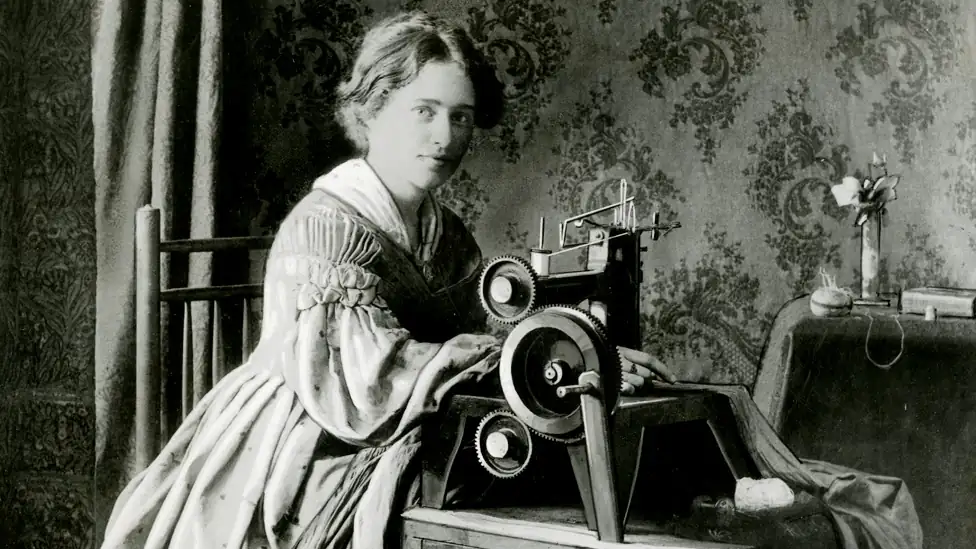
Singer once operated some of the largest sewing machine factories in the world. Its first major American plant opened in Elizabeth, New Jersey in 1863 and ran for over a century.
Singer’s largest facility was the Kilbowie factory in Clydebank, Scotland, opened in the 1880s. At its peak it was the biggest sewing machine factory on earth, producing roughly 36 million machines between 1884 and 1943.
Financial pressure and falling demand for home sewing machines eventually caught up with the company. The Clydebank plant closed in June 1980, ending Singer’s largest single manufacturing operation.
Singer also ran factories in Canada, Australia, Germany, France, Italy, Turkey, Japan, Taiwan, and Brazil at various points, reflecting how large and globally spread its manufacturing footprint once was.
You can see a detailed breakdown of this history on the Singer Corporation Wikipedia page, which documents the company’s founding, expansion, and eventual restructuring.
By the 1980s and 1990s, Singer had shifted almost all production to lower cost regions in Asia and Latin America, a transition that mirrors what happened across the broader sewing machine industry.
Do Manufacturing Locations Differ by Model Tier?
Yes, to some degree. Entry level and mid range Singer machines aimed at beginners and casual sewers are generally the models most associated with Vietnamese and Chinese assembly lines.
Heavier duty and mechanical models built for durability, along with some higher volume product lines, have also been reported as coming from these same regions rather than a separate premium facility.
There is no confirmed evidence of a distinct luxury or premium tier of Singer machines built in a different country from the mainstream range. SVP Worldwide does not publicly separate its Singer lineup by country of manufacture on its marketing materials.
If knowing the exact factory matters to you, the most reliable approach is to check the country of origin printed on the machine’s base plate or retail packaging before you buy, since this can vary by production run.
Is Singer a Good Brand? Genuine Pros and Cons
Singer remains one of the most recognized sewing machine names in the world, and that name recognition is backed by a genuinely long track record in the industry.
On the positive side, Singer machines are widely available, generally affordable compared to premium European brands, and parts plus accessories are easy to find at most craft and fabric stores.
Entry level Singer models are often praised as approachable for beginners, with straightforward controls and a large range of tutorials and community support available online.
On the negative side, budget Singer machines built with more plastic components have drawn criticism for feeling less durable than vintage all metal Singer machines from decades past.
Customer sentiment online is mixed rather than uniformly positive or negative. You can browse real customer feedback on the Singer Sewing Company BBB business profile to see how complaints and ratings compare across different experiences.
Overall, Singer tends to suit hobbyists, students, and casual sewers looking for value, while some serious quilters and tailors gravitate toward higher end brands for heavier daily use.
How Singer Compares to Other Sewing Machine Brands
Singer competes most directly with other mass market brands rather than premium Japanese or German manufacturers, and each brand has its own manufacturing story worth understanding on its own terms.
Brother, another major mass market brand, has its own distinct manufacturing footprint spread across several countries. Our detailed guide on where Brother sewing machines are made covers that brand’s current factories in full.
Janome, a Japanese brand, also blends overseas assembly with a manufacturing history rooted in Japan. See our breakdown of where Janome sewing machines are made for a full comparison.
There is no single universal winner among these brands. The right choice depends on your budget, how often you sew, whether you need heavy duty features, and which local dealer or repair network you have access to.
Comparison at a glance:
| Brand | Typical Manufacturing Regions | Best Suited For |
|---|---|---|
| Singer | Vietnam, China | Beginners, budget conscious buyers |
| Brother | Vietnam, China, Taiwan | Beginners to intermediate, embroidery |
| Janome | Japan, Taiwan, Vietnam, China | Intermediate to advanced sewers |
Common Singer Sewing Machine Problems and Fixes
Troubleshooting steps vary somewhat by model, so always check your specific machine’s manual before attempting a repair, especially on newer computerized models with digital displays.
Thread breaking is one of the most reported issues. It is usually caused by incorrect threading, a bent or dull needle, or tension set too tight, and can often be fixed by rethreading from scratch and replacing the needle.
Tension problems, where stitches look loose or puckered, often come from mismatched thread weights on the top and bobbin, or from tension discs that need cleaning after lint buildup.
Bobbin issues, such as thread nesting underneath the fabric, frequently trace back to an incorrectly inserted bobbin, the wrong bobbin type for that model, or a bobbin case that is not seated properly.
Newer Singer models with digital screens may display error codes for issues like a jammed feed system or an open presser foot. Check the manual’s error code table first, since codes are not standardized across models.
For any issue that persists after basic troubleshooting, especially anything involving the motor, timing, or internal gears, it is worth taking the machine to a certified sewing machine repair technician rather than attempting a deeper repair yourself.
Buying Guide: What to Check Before You Buy a Singer
Start by matching the machine to your actual sewing habits. Occasional garment repairs need far less machine than regular quilting or heavy denim work.
Check the warranty terms carefully, since coverage length and what it includes can vary significantly between Singer’s budget and mid range lines.
Look at the availability of a local authorized dealer or repair center near you. Even a well built machine is frustrating to own if servicing it means shipping it far away.
Read recent buyer reviews for the exact model you are considering rather than the brand as a whole, since build quality feedback often differs sharply between individual product lines.
If buying secondhand or vintage, remember that older all metal Singer machines were typically made in different factories entirely, such as the historic Clydebank or Elizabeth plants, and often have very different maintenance needs than modern models.
Frequently Asked Questions About Singer Sewing Machines
Is Singer still made in America?
No. Singer closed its last major American and British factories decades ago. Nearly all current Singer sewing machines are manufactured overseas, primarily in Vietnam and China, under parent company SVP Worldwide, even though the brand itself originated in the United States in 1851.
Is Singer a good sewing machine brand today?
Singer is a solid, affordable option for beginners and casual sewers, with strong parts availability and name recognition. It generally is not viewed as a premium brand for heavy daily use, and customer feedback on durability is mixed depending on the specific model.
Who owns Singer sewing machines now?
Singer is owned by SVP Worldwide, which also owns Pfaff and Husqvarna Viking. SVP Worldwide is a private company currently held by the private equity firm Platinum Equity, which acquired it in 2021 after previous ownership by Ares Management and Kohlberg and Company.
Are old Singer sewing machines worth more than new ones?
Vintage all metal Singer machines from before the 1970s are often prized by collectors and some sewers for their durability and simple mechanical design. Their resale value depends heavily on model, condition, and completeness rather than age alone, so it varies case by case.
So, where are Singer sewing machines made? Today the honest answer is Vietnam and China, under the ownership of SVP Worldwide, not the United States or United Kingdom where the brand built its original reputation.
That shift reflects a broader industry trend rather than something unique to Singer, and it does not automatically make current machines worse, just different from the vintage models many people remember.
If you are shopping for a Singer today, focus less on the country of origin printed on the box and more on the specific model’s reviews, warranty, and whether a local repair shop can service it. That combination matters far more for satisfaction than manufacturing location alone.

I am Jack Neel, a mechanical engineer, researcher, and writer. I created this website to share my knowledge about different brands and products with you. I research the manufacturers behind the brands and provide you with the information you need to make smart buying decisions.