
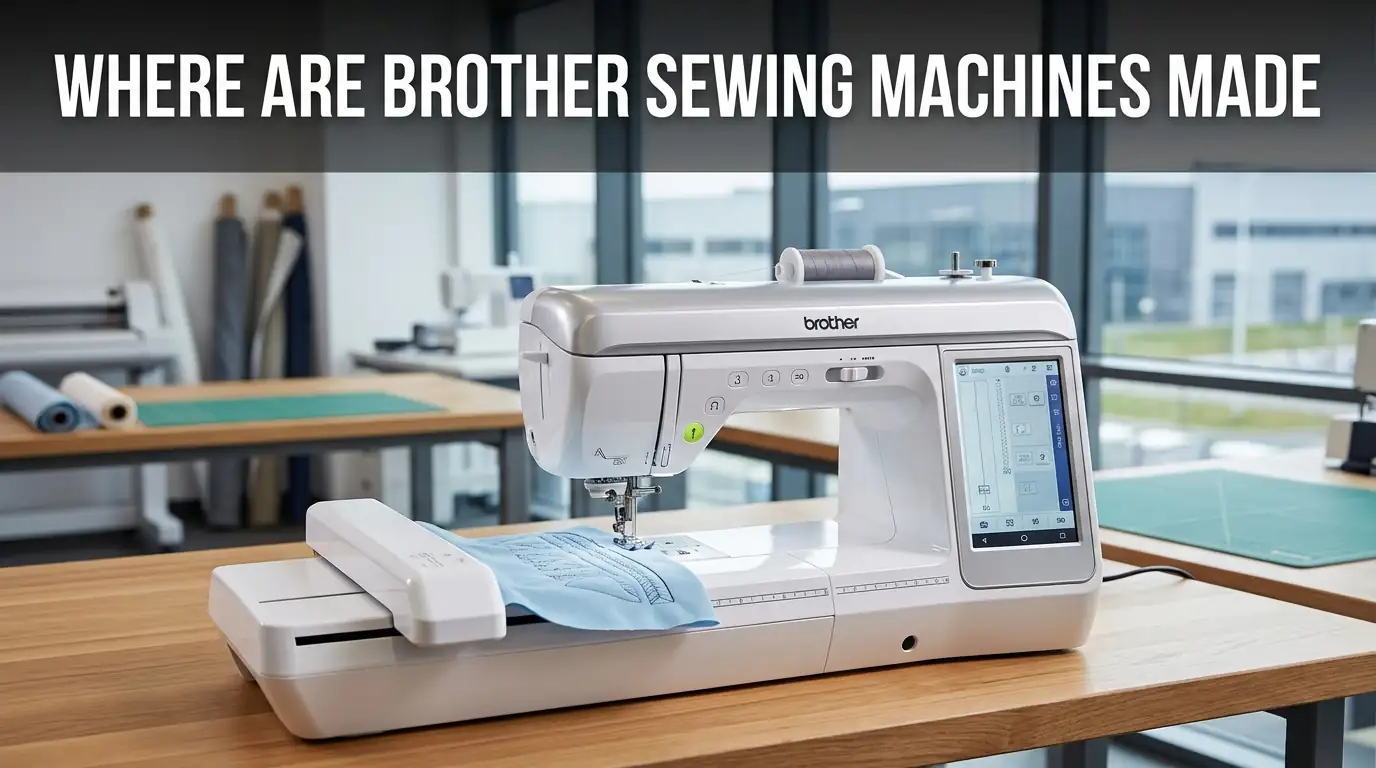
Brother sewing machines are made by Brother Industries, Ltd., a Japanese company that manufactures its machines primarily in Taiwan, China, and Vietnam today.
Brother is known as one of the most recognized sewing and embroidery machine brands worldwide, with a heritage stretching back to 1908 and a product range that covers home sewing machines, embroidery machines, sergers, and industrial machines.
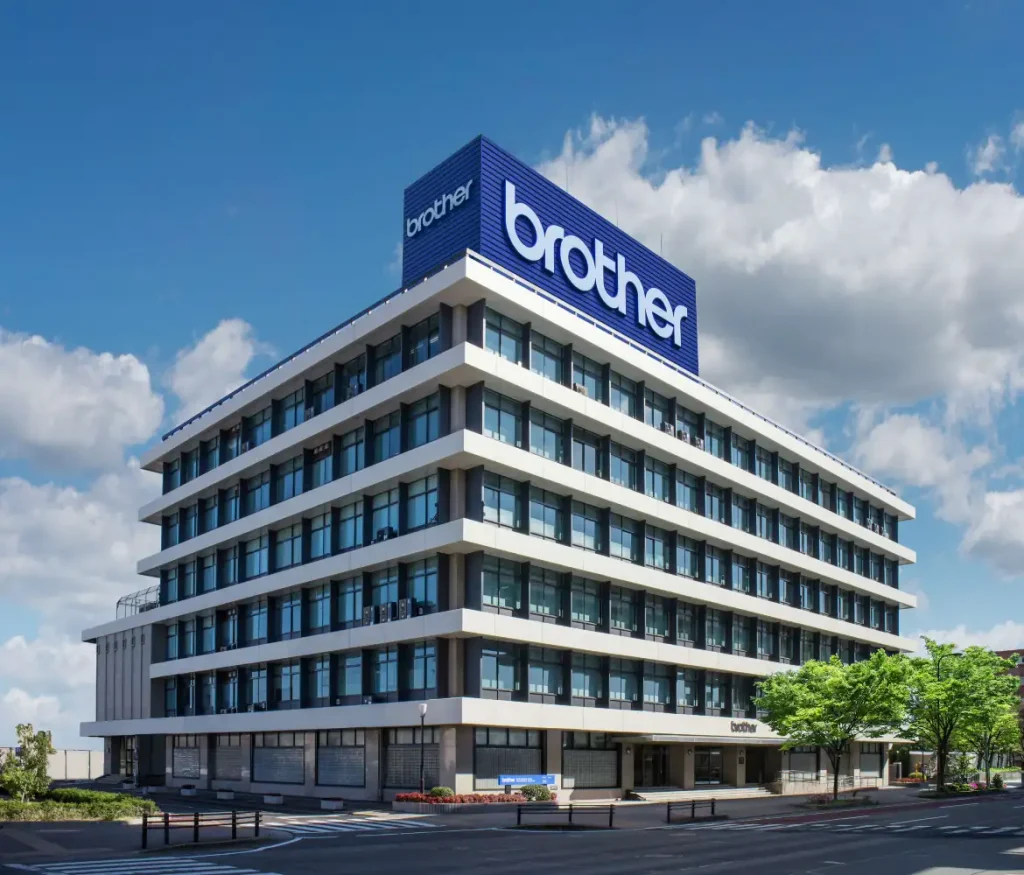
Brother Industries is headquartered in Nagoya, Japan, where the company still handles design, engineering, and corporate leadership even though final assembly happens overseas.
Knowing where Brother sewing machines are made helps buyers understand that Japanese engineering standards now travel to factories across Asia rather than staying tied to a single home country plant.
This article covers Brother’s founding, its global manufacturing footprint, where Brother sewing machines are made today, its current product range, and how it compares to Singer and Janome. So let’s get started.
Table of Contents
Inside Brother’s Global Manufacturing Network
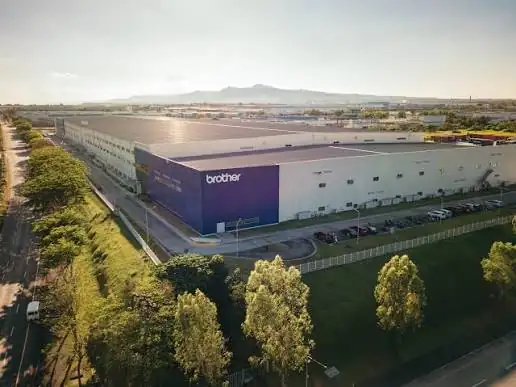
Brother Industries operates several manufacturing plants around the world, and sewing machines are just one product line alongside printers, label makers, and industrial equipment.
According to Brother’s own corporate history and independent research, computerized sewing and embroidery machines have been produced at Brother facilities in Taiwan for years.
Mechanical, more basic sewing machines have been manufactured in China, specifically at a plant in Zhuhai.
In 2012, Brother opened a large new factory in Dong Nai Province, Vietnam. At the time, the company described it as the largest single brand sewing machine factory in the world, built to handle rising global demand.
Public business records also show an active Brother entity, Brother Industries Sai Gon Ltd, operating in Dong Nai, which lines up with the Vietnam production reported by Brother and by industry sources.
Historically, Brother also manufactured sewing machines in the United Kingdom. After acquiring the Jones Sewing Machine Company in 1968, Brother ran a factory in Wrexham that opened in 1985, though production has long since consolidated into its Asian facilities.
In short, if you open the box on a Brother machine bought in 2026, the country of origin printed on the label is most likely Taiwan, China, or Vietnam rather than Japan.
Brother’s own company history page confirms the Japanese origins of the business, even though it does not list every current factory address.
Brand Origin vs Where the Machines Are Actually Built
It helps to separate two different questions here, where a brand comes from, and where its products are physically made. Brother is a clear example of why that distinction matters.
Brother Industries was founded in Japan in 1908 by the Yasui brothers, who started out repairing sewing machines before building their own. The company is still headquartered in Nagoya, Japan, and remains a publicly traded Japanese corporation.
Design work, quality standards, and engineering direction for Brother sewing machines are still driven from Japan. But the physical manufacturing, the cutting, assembling, and testing of the machines, happens in the overseas factories described above.
This is a normal setup for large appliance and electronics companies. A Japanese brand name on the machine does not tell you where it was actually built, and Brother is not unusual in that regard.
An independent overview of the company, including its founding and later expansion, is available on Wikipedia, which can be a useful starting point for further reading.
Does Manufacturing Location Change by Model Tier?
Yes, based on the information Brother and independent sources have published, and this is one of the more useful things to understand before buying.
Basic mechanical machines, the kind aimed at beginners doing simple repairs and straightforward projects, have historically come out of Brother’s China plant in Zhuhai.
Computerized machines, along with combination sewing and embroidery machines, have been linked to Brother’s Taiwan operations, where more precise electronic components and stitching mechanisms are assembled.
High volume home sewing production also runs through the Vietnam facility, which Brother built specifically to scale up output as global demand for home sewing machines grew.
Industrial sewing machines, the heavy duty models sold to garment factories and professional users, are typically produced through Brother’s separate industrial machinery division, which has its own manufacturing arrangements distinct from the home sewing lineup.
The table below summarizes the general pattern reported across Brother’s own materials and independent research, though Brother does not publish a single definitive list matching every model number to a factory.
| Model Tier | Typical Manufacturing Location | Notes |
|---|---|---|
| Basic mechanical | China (Zhuhai) | Entry level machines |
| Computerized / embroidery | Taiwan | More electronic components |
| High volume home models | Vietnam (Dong Nai) | Large scale production since 2012 |
| Industrial machines | Separate industrial division | Different manufacturing arrangement |
Is Brother a Good Sewing Machine Brand?
Brother is one of the most widely used sewing machine brands in the world, and it has built that position over nearly a century in the sewing machine business specifically.
On the positive side, Brother machines are generally seen as reliable for the price, especially in the beginner and mid range categories. Parts and accessories are widely available, and most sewing shops can service them.
Brother also offers a huge range of models, from simple mechanical machines under 150 dollars to advanced computerized embroidery machines that cost well over a thousand dollars, which gives buyers a lot of flexibility.
On the downside, some users report that plastic components in lower priced models feel less durable than older metal frame machines, and complex computerized models can be intimidating for a first time buyer.
Overall, Brother has a solid, broadly positive reputation among home sewists, though as with any brand, individual experiences vary by model and by how the machine is used and maintained.
Brother International Corporation, the company’s United States distribution arm, also maintains a public Better Business Bureau profile, which buyers can check for accreditation status and customer complaint history.
How Brother Compares to Other Sewing Machine Brands
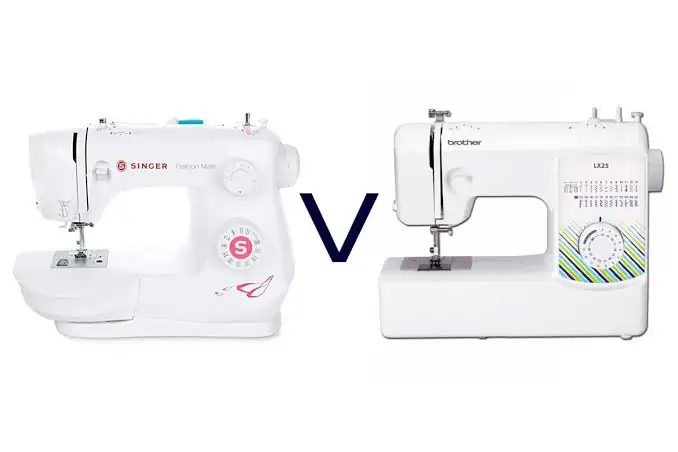
Brother is frequently compared with brands like Singer and Janome, since all three are widely sold and target similar customers.
Singer has a longer overall history and, like Brother, produces machines across a wide price range, with manufacturing also spread across multiple countries in Asia rather than concentrated in one place. You can see the details in our guide to where Singer sewing machines are made.
Janome, a Japanese brand as well, tends to have a strong reputation for build quality in its mid range and higher end machines, and its manufacturing footprint is worth understanding separately. Our breakdown of where Janome sewing machines are made covers that in more detail.
There is no single universal winner among these brands. The right choice usually comes down to your budget, the type of sewing or embroidery you plan to do, and how easy it is to get local service and parts for that specific brand.
Common Brother Sewing Machine Problems and Fixes
Like any sewing machine, Brother models can run into a handful of recurring issues. Keep in mind that exact causes and fixes can vary depending on the specific model you own.
Thread breaking is one of the most common complaints. It is often caused by incorrect threading, a damaged needle, or tension that is set too tight. Rethreading the machine from scratch and swapping in a fresh needle solves this in many cases.
Tension problems, where stitches look loose or bunched, usually stem from the upper thread tension dial being off, or from lint buildup around the tension discs. Cleaning the machine and resetting the tension to the manufacturer default is the usual first step.
Bobbin issues, including jamming or the bobbin thread not catching, are frequently traced back to an incorrectly inserted bobbin, using the wrong bobbin type for that model, or dust trapped in the bobbin case.
Computerized Brother machines may also display error codes on their screens. These codes point to specific problems, such as a jammed needle bar or a threading fault, and the machine’s manual is the most reliable place to look up what a given code means for that model.
For simple issues like rethreading, cleaning, or bobbin adjustments, most users can troubleshoot at home. If a machine keeps throwing the same error after basic fixes, or if you hear grinding or unusual noises, it is worth taking it to an authorized Brother service center rather than continuing to force it.
What to Check Before Buying a Brother Sewing Machine
If you are shopping for a Brother machine, start by matching the model to what you actually plan to sew. A basic mechanical machine is enough for hemming, repairs, and simple garments.
If you want decorative stitches, monogramming, or embroidery designs, you will need a computerized or combination sewing and embroidery model, which sits at a higher price point.
Check what accessories and presser feet are included in the box, since some are sold separately and can add up in cost after purchase.
Look at warranty terms and where your nearest authorized service center is located. Parts availability and repair access matter more over the life of the machine than which country it happened to be assembled in.
Finally, read recent buyer reviews for the exact model number you are considering, since Brother updates its lineup fairly often, and older reviews may reference a discontinued version.
The Bottom Line on Where Brother Sewing Machines Are Made
Brother sewing machines are made across a global network of company owned factories in Taiwan, China, and Vietnam, even though the brand itself was founded in Japan in 1908 and is still headquartered in Nagoya today.
Which country made your exact machine depends on the model, with basic mechanical machines generally coming from China, computerized machines from Taiwan, and high volume production also running through Vietnam. If you want a dependable machine at a fair price, Brother remains a solid choice, just check the specific model reputation and make sure a service center is within reach before you buy.
Frequently Asked Questions About Brother Sewing Machines
Is Brother a good sewing machine brand?
Yes, generally. Brother is one of the most established sewing machine makers in the world, with a reputation for dependable, affordable machines across beginner and mid range price points. Build quality and features vary by model, and computerized machines tend to draw more praise than the cheapest mechanical options, but most reviewers rate Brother as a solid, trustworthy choice for home sewing.
Are Brother sewing machines made in Japan or China?
Brother was founded in Japan and is still headquartered there, but most sewing machines sold today are manufactured outside Japan. Basic mechanical machines have been produced in China, computerized models in Taiwan, and high volume production also runs through a large factory in Vietnam. Design and engineering standards remain Japanese, even though final assembly does not.
Are Brother and Singer the same company?
No, Brother and Singer are separate, independently owned companies with different corporate histories. Brother is a Japanese company founded in 1908, while Singer traces back to the United States in the 1850s. Both are major sewing machine brands sold worldwide, and both now manufacture across multiple countries in Asia, but they remain competitors, not the same business.
Are Brother embroidery machines reliable?
Brother’s computerized embroidery machines generally have a good reputation among home sewists and hobbyist embroiderers, particularly in the mid range price bracket. Reliability depends heavily on proper maintenance, using compatible bobbins and needles, and keeping the machine’s software updated on newer models. Occasional error codes or hoop related issues can occur, but major mechanical failures are not considered common.

I am Jack Neel, a mechanical engineer, researcher, and writer. I created this website to share my knowledge about different brands and products with you. I research the manufacturers behind the brands and provide you with the information you need to make smart buying decisions.