
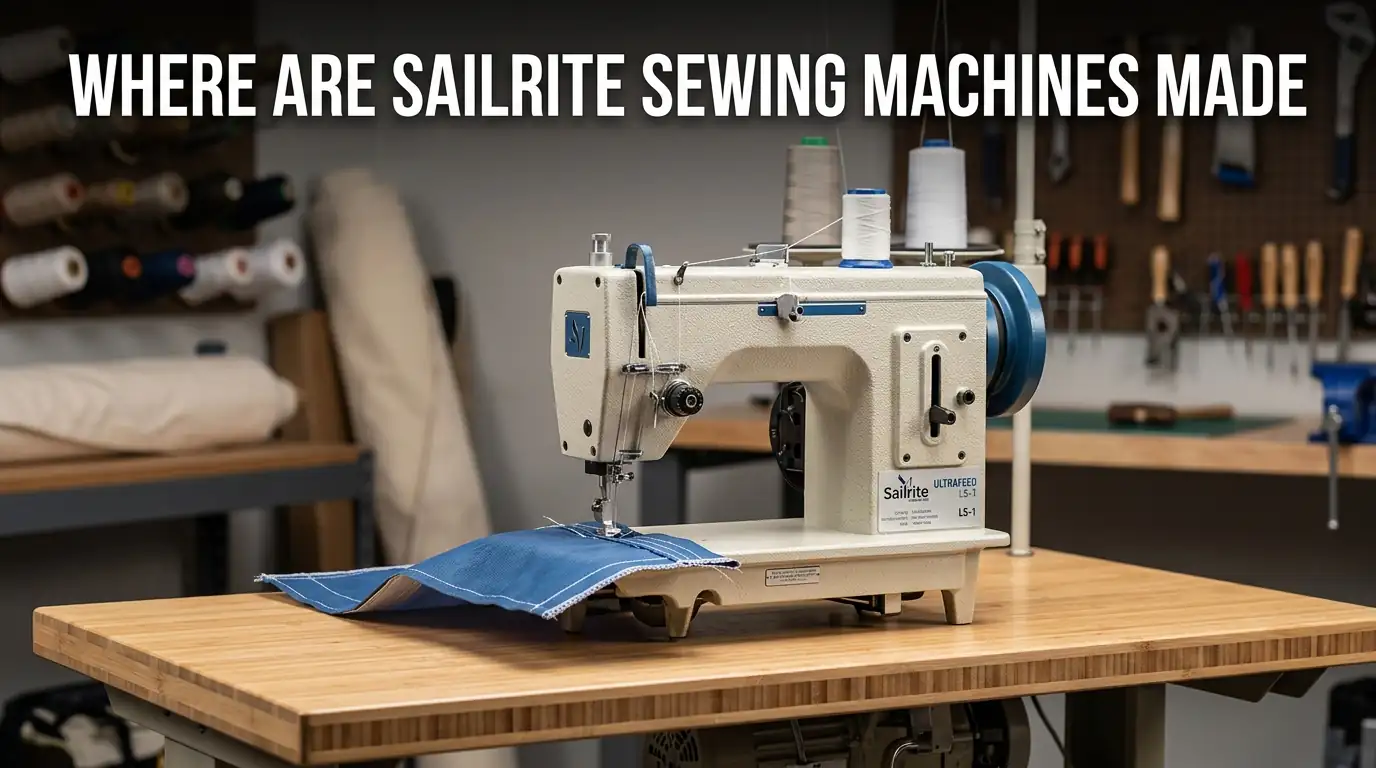
Sailrite sewing machines are made through a combined process by Sailrite Enterprises, Inc., an American company that assembles, tunes, and tests every machine at its own facility in Columbia City, Indiana.
Sailrite is known as a specialist brand for heavy duty walking foot machines used in marine upholstery and canvas work, with a product range that covers the Ultrafeed and Fabricator lines built for durability rather than everyday home sewing.
Sailrite explains its manufacturing process on its own about page, noting that key metal parts are cast overseas in Taiwan and China before final assembly happens in Indiana.
Knowing where Sailrite sewing machines are made helps buyers understand that the brand is not entirely built in one country, but rather finished and quality checked on American soil.
This article covers Sailrite’s manufacturing process, where Sailrite sewing machines are made today, its current product range, and how it compares to Juki and other heavy duty brands. So let’s get started.
Table of Contents
Sailrite Manufacturing and Facility Location Explained
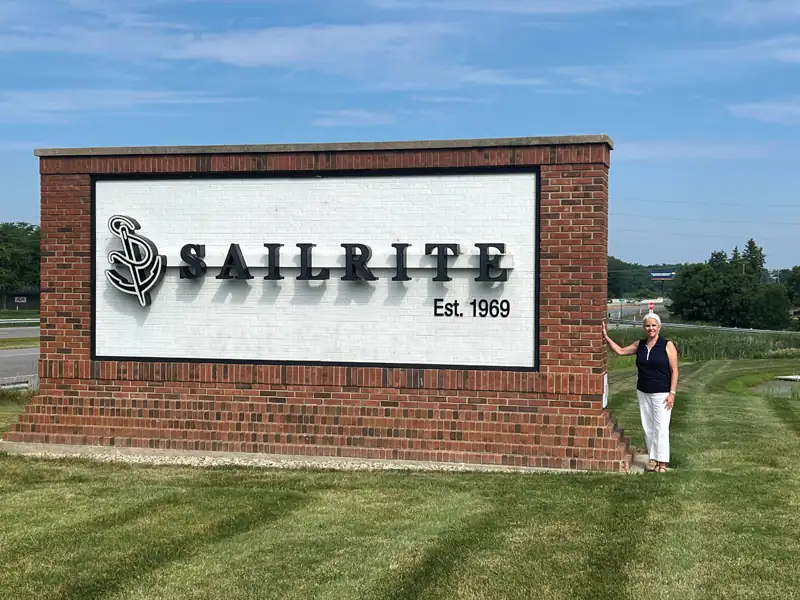
Sailrite Enterprises is headquartered at 2390 E. 100 S. in Columbia City, Indiana, a small city in the northeastern part of the state.
That Indiana facility is where the company says its Ultrafeed machines are assembled, tuned and tested, according to Sailrite’s own About Sailrite page.
The Indianapolis Business Journal profile of the company reported that key cast metal parts for the Ultrafeed arrive from suppliers in Taiwan and China.
Workers at the Columbia City plant then add the motor, wiring and other components, fully assembling each machine by hand.
After assembly, machines move to a dedicated tuning area at the same facility, which company founder Jim Grant’s team has described as where most of the fine adjustment happens.
That tuning step matters because a walking foot machine has to be calibrated precisely for stitch tension and foot pressure before it can handle heavy canvas, vinyl or leather reliably.
In short, Sailrite is not a company that simply imports finished machines and puts its name on the box. There is real domestic labor involved in the final product.
Brand Origin Versus Manufacturing: What Is the Difference?
It helps to separate two questions people often mix together: where a brand is from, and where its products are physically made.
Sailrite the brand is thoroughly American. It was founded in 1969 by Jim Grant, a college professor who started the company after making his own boat sail when a local sailmaker could not deliver one in time.
That origin story is still central to the company’s identity, and its headquarters, customer service, tuning shop and instructional video studio all remain in Indiana today.
Manufacturing is a separate matter. Casting metal machine parts is a specialized, capital heavy process, and many sewing machine companies worldwide, not just Sailrite, source cast components from established metal casting suppliers in Asia.
What sets Sailrite apart from a pure importer is that it does not stop at unboxing and reselling. Final assembly, calibration and testing happen in house at its own Indiana facility.
So when people ask if Sailrite machines are made in America, the more accurate answer is that they are American assembled and tuned, using some internationally sourced parts.
Model Tier Differences: Ultrafeed, Fabricator and LSZ 1
Not every Sailrite machine follows the exact same production path, so it is worth breaking this down by model line.
The Ultrafeed LSZ 1 is Sailrite’s original portable walking foot machine, popular with sailors, canvas workers and hobbyists who need something rugged but lightweight enough to move around a boat or shop.
Based on Sailrite’s own account and the Indianapolis Business Journal report, Ultrafeed parts are cast overseas and then fully assembled, wired and tuned at the Columbia City plant.
The Fabricator is Sailrite’s heavier duty, table mounted industrial machine, designed for thicker upholstery, marine canvas and multiple layers of leather.
According to Sailrite’s own product pages, Fabricator machine heads come from what the company describes as a manufacturing partner, and Sailrite then fine tunes, calibrates and tests each unit at its Indiana facility before it ships.
That is a subtly different arrangement than the Ultrafeed, where Sailrite performs more of the raw assembly itself rather than receiving a finished head.
The takeaway is that Sailrite’s domestic role varies somewhat by model. Every line gets its final calibration and testing in Indiana, but how much hands on assembly happens there differs between the Ultrafeed and the Fabricator.
Is Sailrite Good? Honest Pros and Cons
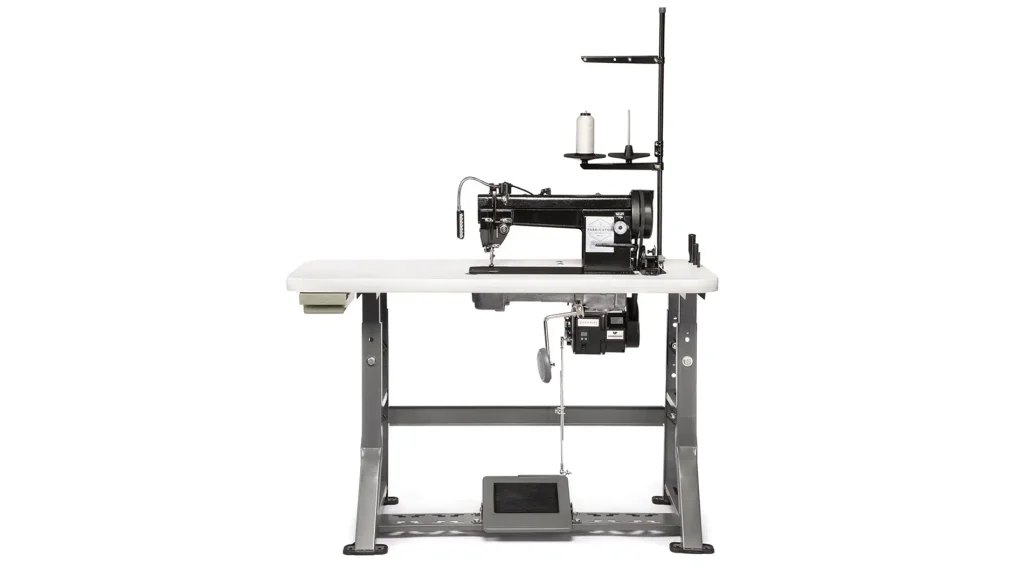
Sailrite has a strong reputation in specific niches, particularly among sailors, canvas fabricators, upholsterers and DIY marine enthusiasts, but it is not a machine built for general home dressmaking.
What Sailrite Does Well
Its walking foot machines are built to punch through thick, multi layer materials like sunbrella canvas, vinyl and leather that a standard home sewing machine cannot handle.
The company backs its machines with an extensive free library of instructional videos, which many buyers cite as a major reason they chose Sailrite over a competitor.
Portability is another strength for the Ultrafeed line specifically, since it can be hand cranked or run without a large industrial table, which suits boat owners with limited space.
Where It Falls Short
Price is a common concern. Sailrite machines cost significantly more than a basic home sewing machine, and some buyers on forums and review sites feel the premium is steep for what is, at its core, a specialized tool.
A few customers have reported friction around returns or shipping timelines on the company’s own Better Business Bureau profile, though Sailrite holds an A plus BBB rating overall.
Because it is a niche industrial style tool, the learning curve can be steeper for someone who has only used a household machine before.
Sailrite Compared to Other Heavy Duty Brands
Buyers researching Sailrite often also look at Juki and Consew, two other names associated with walking foot and industrial sewing machines.
Juki is a large Japanese manufacturer best known for true industrial machines used in factories and professional upholstery shops, generally sold as a bare head that needs a separate table and motor setup.
Consew is a long established American brand name, though like many sewing machine companies today, its machines are largely manufactured overseas and imported, then distributed through Consew’s network.
Sailrite’s niche is different from both. It focuses specifically on portable and semi portable walking foot machines aimed at DIY marine, upholstery and canvas work, backed by in house assembly, tuning and its own instructional content.
| Brand | Typical Use Case | Assembly Approach |
|---|---|---|
| Sailrite | Portable and semi portable walking foot machines for marine, canvas, upholstery | Parts sourced internationally, assembled and tuned at its own Indiana facility |
| Juki | Professional and factory grade industrial machines | Manufactured by Juki, a Japanese industrial machine maker |
| Consew | Industrial and semi industrial sewing machines for trade shops | Largely manufactured overseas and distributed under the Consew name |
There is no single winner among these three brands. Which one makes sense depends heavily on whether someone needs portability, a full factory setup, or a specific budget, so it is worth comparing based on the actual project rather than brand reputation alone.
Common Sailrite Problems and Basic Troubleshooting
Like any mechanical sewing machine, Sailrite models can develop issues over time, and troubleshooting steps vary depending on the exact model and how heavily it is used.
Skipped stitches are one of the most commonly reported issues. The usual cause is a dull, bent or incorrectly inserted needle, and the basic fix is replacing the needle with the correct size for the material being sewn.
Thread bunching or nesting underneath the fabric often points to incorrect tension settings or improper threading, so retracing the thread path and adjusting tension is the first step before assuming a mechanical fault.
Uneven feeding, where the walking foot does not grip evenly, can result from lint buildup or a foot that needs re timing, and light cleaning with compressed air is a reasonable first attempt.
If a machine makes a grinding noise, jams the hand wheel, or the timing is clearly off after a repair attempt, that generally signals a job for a qualified technician rather than a home fix.
Sailrite publishes model specific manuals and video troubleshooting guides on its support site, and checking the guide for the exact model is the recommended first step before opening up the machine.
Buying Guidance: What to Consider Before Purchasing
Start by matching the machine to the actual materials being sewn. Someone working mainly with light canvas and occasional vinyl has different needs than someone doing full boat upholstery or heavy leather work daily.
Portability matters for boat owners and mobile canvas workers, which usually points toward the Ultrafeed line rather than the table mounted Fabricator.
Budget should account for accessories. Feet, needles, thread and a proper table or stand can add meaningfully to the base machine price.
It is also worth checking current warranty terms and return policies directly on Sailrite’s site before buying, since policies can change and are not always reflected accurately on third party retail listings.
Finally, watching a few of Sailrite’s own instructional videos for the specific model under consideration is a practical way to judge whether the machine fits the intended project before committing to the purchase.
Frequently Asked Questions About Sailrite Sewing Machines
Is Sailrite made in the USA?
Not entirely. Sailrite sources key cast metal parts for its Ultrafeed machines from suppliers in Taiwan and China, then assembles, tunes and tests every machine at its own facility in Columbia City, Indiana. So the final build and quality control happen in the USA, even though some components are imported.
Is Sailrite worth the price?
For its target audience, sailors, canvas workers and upholsterers who need a genuine walking foot machine, most reviewers consider it worth the cost. For someone only doing light home sewing, a standard household machine is usually a better value than a specialized industrial style tool like this.
What is Sailrite used for?
Sailrite machines are built for heavy duty sewing projects such as boat canvas, sail repair, marine upholstery, awnings, tents and leatherwork. They are designed to punch through multiple layers of thick fabric, vinyl or leather that typical home sewing machines cannot manage reliably.
Is Sailrite good for upholstery?
Yes, particularly the Fabricator line, which is built for thicker upholstery fabric and multiple layers of padding. The Ultrafeed can also handle lighter upholstery work, but shops doing frequent heavy upholstery jobs typically lean toward the more industrial Fabricator setup.
Conclusion
Sailrite sewing machines are made through a combined process: key metal parts are cast overseas, then Sailrite assembles, tunes and tests every machine at its own facility in Columbia City, Indiana.
That means the brand is genuinely American in origin and in its final production step, even though it is not a machine built from raw materials entirely within the United States.
For buyers, the practical takeaway is that Sailrite machines carry real domestic quality control, which is a meaningful part of why the brand has built trust among sailors and upholsterers.
Anyone comparing Sailrite to Juki or Consew should weigh portability, budget and the specific materials being sewn rather than assuming one brand universally beats the others.
Related reading: Where Are Kenmore Sewing Machines Made? and Where Are Necchi Sewing Machines Made?

I am Jack Neel, a mechanical engineer, researcher, and writer. I created this website to share my knowledge about different brands and products with you. I research the manufacturers behind the brands and provide you with the information you need to make smart buying decisions.