
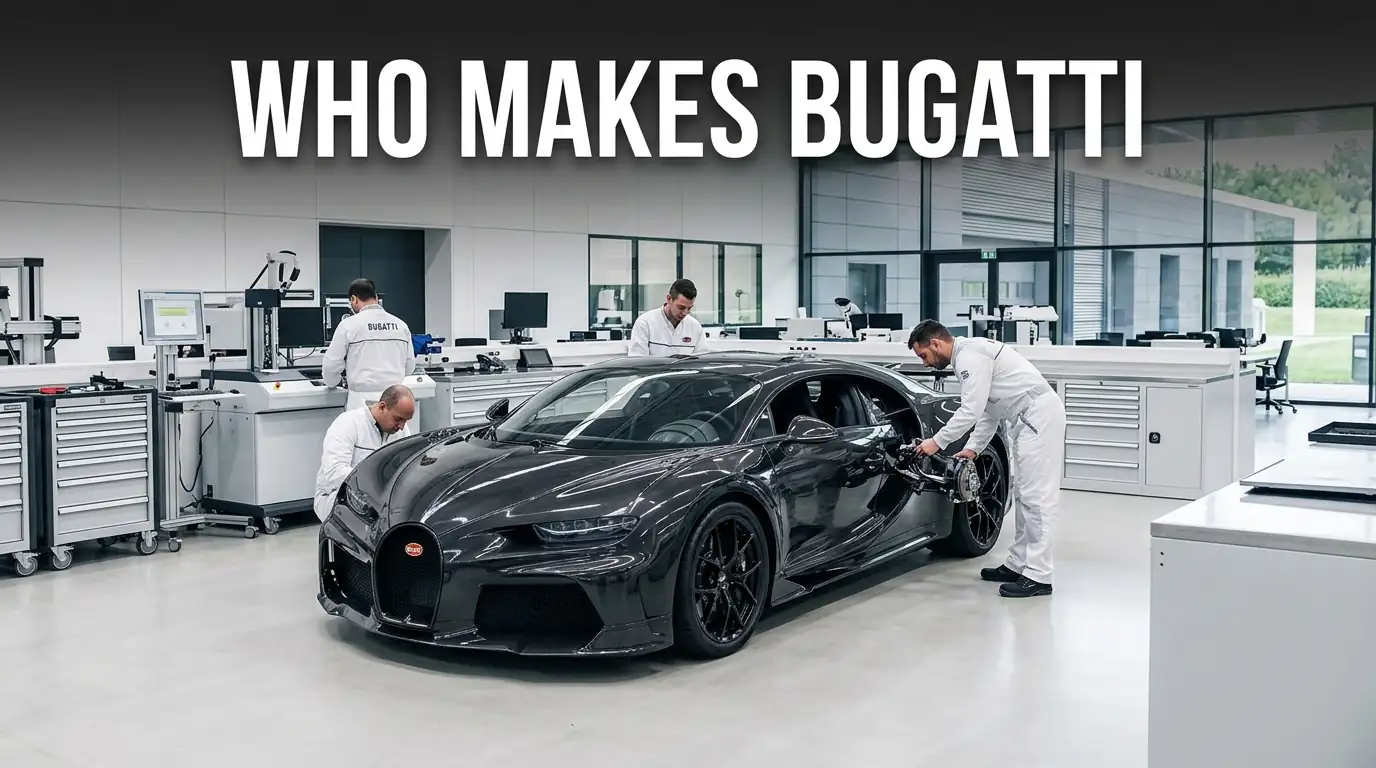
Bugatti cars are made by Bugatti Rimac, a joint venture majority owned by Rimac Group and led by CEO Mate Rimac, following Porsche exit from the venture in April 2026.
Bugatti previously operated under Volkswagen Group ownership for more than two decades before shifting to the current Bugatti Rimac structure in 2021.
Rimac Group, the Croatian electric vehicle technology company founded by Mate Rimac, now holds a controlling interest, with New York based HOF Capital owning the remaining stake after buying out Porsche entire position.
This guide covers who owns Bugatti today, its founding history, where Bugatti vehicles are built, its current lineup, and how ownership has shifted repeatedly over the brand history.
Table of Contents
Who Owns Bugatti?
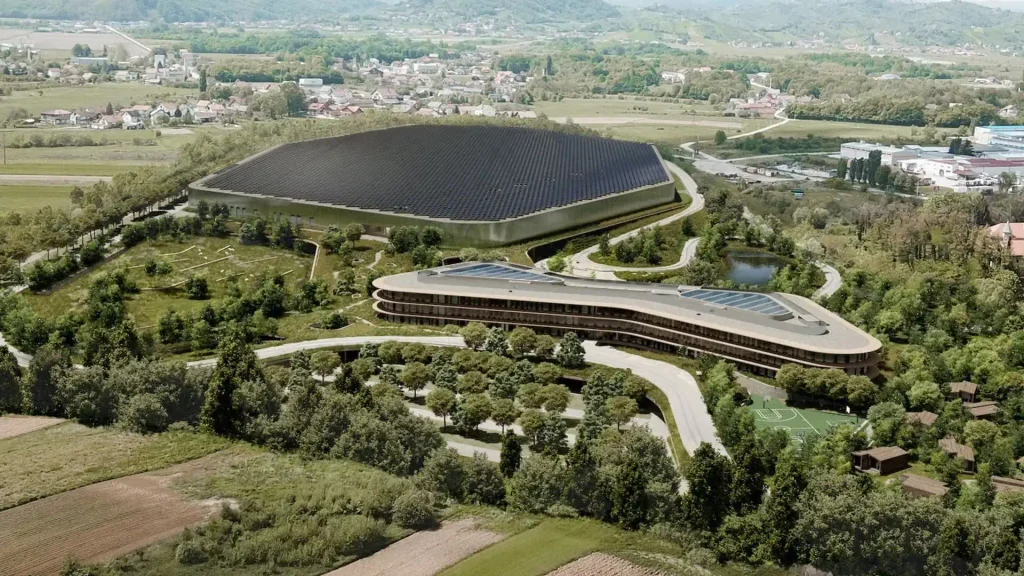
Bugatti operates under Bugatti Rimac, a joint venture formed in 2021 that combined Bugatti with Mate Rimac electric hypercar company, Rimac Automobili.
Rimac Group holds the majority stake in Bugatti Rimac, while HOF Capital, a New York venture capital firm, acquired the remaining minority stake after Porsche sold its entire position in April 2026.
This marked a complete exit for Porsche and parent Volkswagen Group from Bugatti ownership, ending a relationship that had defined the brand since the late 1990s.
| Brand Name | Bugatti |
| Parent Entity | Bugatti Rimac |
| Majority Owner | Rimac Group |
| Minority Owner | HOF Capital |
| Headquarters | Sveta Nedelja, Croatia |
| Production Site | Molsheim, France |
| CEO | Mate Rimac |
| Founded | 1909, by Ettore Bugatti |
When Was Bugatti Founded and Who Started It?
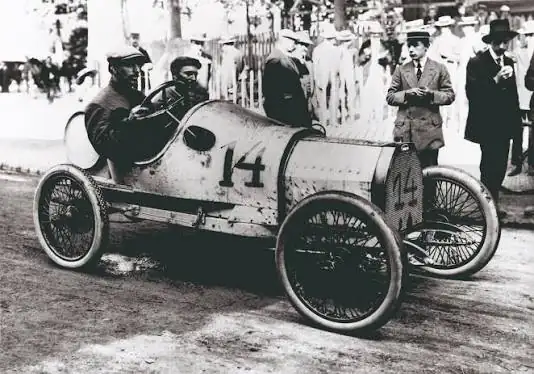
Bugatti was founded in 1909 by Ettore Bugatti, an Italian born automobile designer, in Molsheim, in the Alsace region of France.
The original company built race cars and luxury automobiles through the early twentieth century, earning a reputation for elegant design and engineering innovation.
Bugatti ceased operations after Ettore Bugatti death in 1947 and financial struggles that followed, leaving the brand dormant for decades before its modern revival.
Bugatti Ownership Timeline
Ettore Bugatti establishes the company in Molsheim, France.
Ettore Bugatti death leads to years of decline and eventual dormancy for the brand.
Volkswagen Group buys the rights to Bugatti and begins planning a modern revival.
The Bugatti Veyron debuts as one of the fastest production cars ever built at the time.
Volkswagen combines Bugatti with Rimac Automobili, creating a joint venture with Porsche holding a large stake.
Porsche sells its entire Bugatti Rimac stake to HOF Capital, ending Volkswagen family ownership of Bugatti.
How Does Bugatti Compare to Other Hypercar Makers?
Bugatti competes in an extremely small hypercar segment alongside brands like Koenigsegg, Pagani, and McLaren ultra high end models.
Another hypercar brand with a complex ownership history is covered in our guide on who makes McLaren, which has passed through several investor groups over the years.
Unlike many rivals that remain fully independent, Bugatti now benefits from Rimac Group deep expertise in electric powertrain engineering, a resource few competitors can match internally.
This access to electric technology may prove increasingly important as emissions regulations tighten even for the smallest volume hypercar manufacturers.
Bugatti by the Numbers
Bugatti produces far fewer vehicles annually than any other brand covered in this guide, reflecting its position as one of the most exclusive automakers in the world.
Those production numbers put Bugatti volume closer to a specialty workshop than a traditional automaker, which is part of what sustains its extreme exclusivity.
Where Are Bugatti Cars Made?
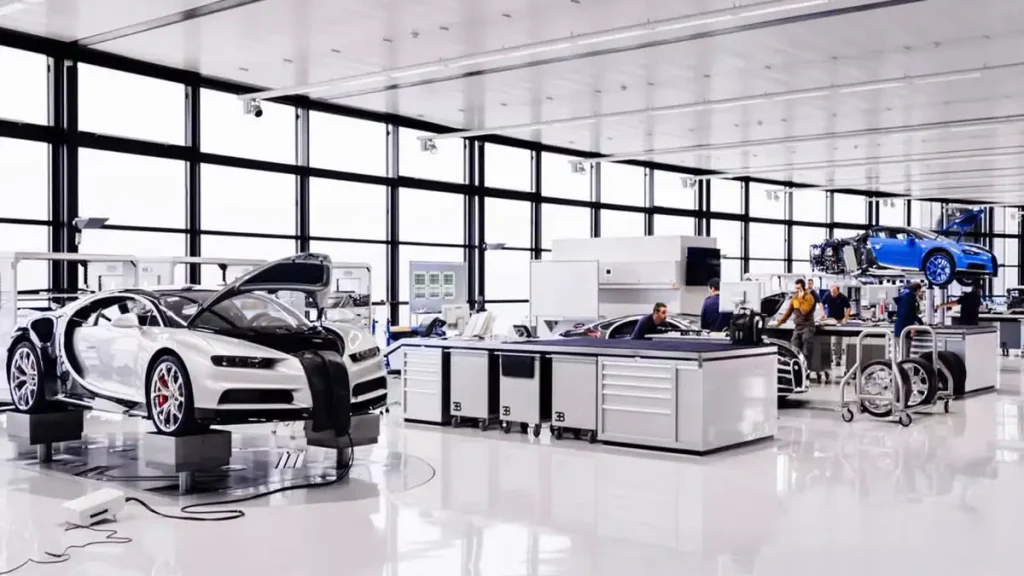
Bugatti vehicles are built at the Atelier in Molsheim, France, the same region where Ettore Bugatti founded the company more than a century ago. Rimac Group main technology base is covered further in our guide on who makes Lucid, another electric performance focused automaker.
Each Bugatti is largely hand assembled, with production numbers measured in dozens rather than thousands of units per year.
Rimac Group headquarters in Sveta Nedelja, Croatia, handles electric powertrain development that increasingly influences future Bugatti models.
What Models Does Bugatti Currently Make?
The Chiron served as Bugatti flagship hypercar for years, offering extreme top speed and power figures that pushed the limits of internal combustion engineering.
The Bolide is a track only, extreme performance variant built in extremely limited numbers for dedicated collectors.
The Tourbillon, unveiled as the Chiron successor, introduces a hybrid powertrain combining a combustion engine with electric motors developed alongside Rimac technology.
Why Did Porsche Exit Bugatti Rimac?
Porsche sold its entire stake in Bugatti Rimac to HOF Capital in April 2026, ending Volkswagen family involvement in the brand.
The move came as Porsche itself faced significant financial pressure, including a sharp operating profit decline, prompting a broader strategic reset across its investment portfolio.
Rimac Group increased its ownership share as part of the transaction, consolidating control over Bugatti direction under Mate Rimac leadership.
Is Bugatti Really Good or Worth Buying?
- Extreme performance figures that rank among the highest in the automotive world
- Exceptional craftsmanship and materials throughout every vehicle
- Extremely limited production supports strong long term collectibility
- Access to Rimac electric powertrain expertise for future models
- Purchase prices run into the millions of dollars for most models
- Extremely limited dealer and service network worldwide
- Waiting lists can stretch years for new model allocations
- Recent ownership changes add some uncertainty about long term brand direction
Bugatti remains at the absolute peak of automotive performance and exclusivity, but ownership is realistically limited to an extremely small global customer base.
The recent ownership shift to Rimac and HOF Capital has not changed production plans so far, though buyers should watch for updates as the new ownership structure settles in.
What Is Next for Bugatti?
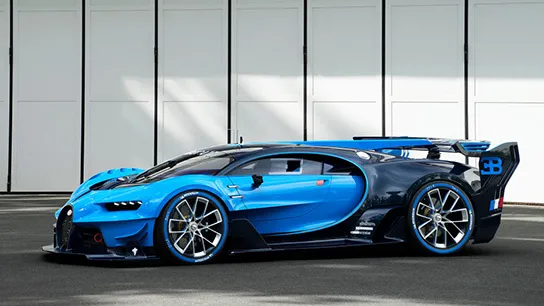
Bugatti has committed to the Tourbillon as its next generation hypercar, blending traditional combustion performance with hybrid electric technology.
Under full Rimac Group control, Bugatti is expected to lean further into electric and hybrid powertrain technology developed through Rimac own research.
Mate Rimac has stated a commitment to preserving Bugatti brand identity and extreme performance focus even as the underlying technology evolves.
Frequently Asked Questions About Who Makes Bugatti
Does Volkswagen still own Bugatti?
No. Volkswagen, through Porsche, fully exited Bugatti Rimac in April 2026, selling its stake to HOF Capital. Rimac Group now holds the controlling interest.
Is Bugatti owned by Rimac?
Yes. Rimac Group holds the majority stake in Bugatti Rimac, the joint venture that owns and operates the Bugatti brand.
Where is the Bugatti Chiron made?
The Bugatti Chiron and other current models are built at the Atelier in Molsheim, France.
How much does a Bugatti cost?
Bugatti models typically start around three million dollars and can exceed ten million dollars for the most exclusive limited production variants.
For current information, visit the official Bugatti website.
Background on company history is available on the Bugatti Rimac Wikipedia page, and details on the 2026 Porsche exit are covered in this MarketScreener report.
The Bugatti Rimac joint venture always represented an unusual pairing, combining a century old French luxury nameplate with a Croatian electric vehicle startup founded only in 2009 by Mate Rimac in his garage.
That pairing has become more significant now that Rimac Group holds full control, since Bugatti future direction will likely lean more heavily on the same battery and electric motor technology Rimac already supplies to other automakers.
Whether that shift changes the fundamental character of a Bugatti hypercar remains an open question that only becomes clear once the first fully Rimac led models reach customers in the coming years.
For now, buyers placing orders for a new Bugatti still work through the same dealer network and the same Molsheim production facility, so the ownership change has not disrupted delivery timelines for existing customers.
Longtime Bugatti collectors are watching closely to see whether Rimac full control accelerates the shift toward electrification or whether the brand keeps combustion engines at the center of its lineup for years to come.

I am Jack Neel, a mechanical engineer, researcher, and writer. I created this website to share my knowledge about different brands and products with you. I research the manufacturers behind the brands and provide you with the information you need to make smart buying decisions.