
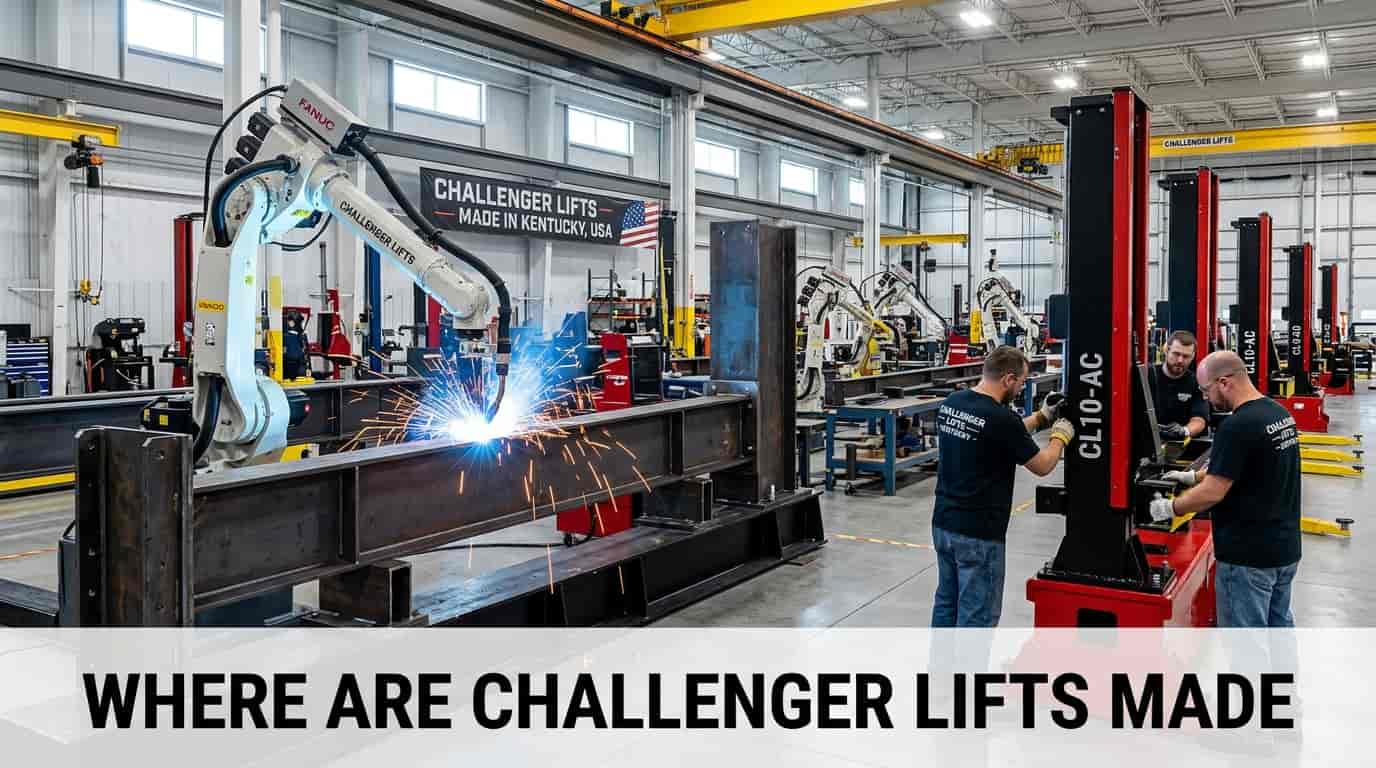
Challenger Lifts has built vehicle lifts in Louisville Kentucky since 1987, and that answer still holds true in 2026. Where are Challenger lifts made is a common question among shop owners comparing two post and four post options.
The short answer is that Challenger builds its lift lines at its Louisville facility, backed by the resources of parent company Snap on.
This guide walks through the company history, the current ownership structure, and how the brand stacks up against competitors like BendPak.
We will also look at genuine customer sentiment from sources like the Better Business Bureau and the Automotive Lift Institute. So let’s get started.
Table of Contents
Who Makes Challenger Lifts And Who Owns The Company
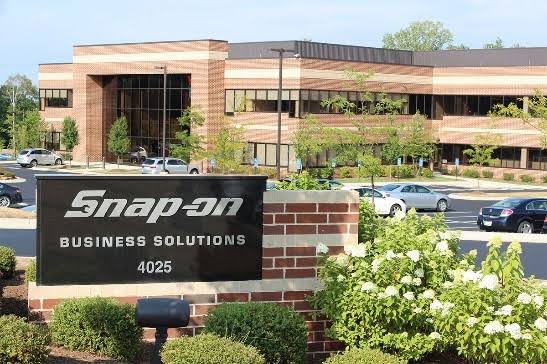
Challenger Lifts is owned by Snap on, the well known tool and equipment company, and it operates as part of that larger vehicle service group of brands.
You can view the company details directly on the official Challenger Lifts site, which outlines the brand history and current leadership.
The company was founded in 1987 and has operated from the same Louisville address for decades.
Snap on also owns other well known tool brands, and if you want to see how Snap On Tools are made, that overlap helps explain why Challenger benefits from shared manufacturing expertise and national distribution.
The History Of Challenger Lifts Since 1987
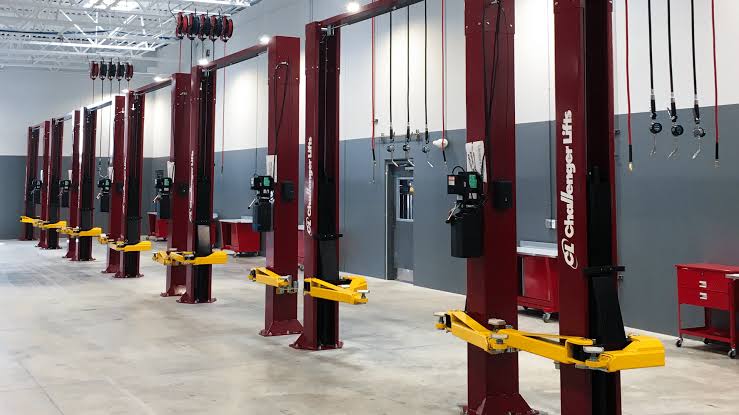
Challenger Lifts started as an independent lift manufacturer focused on the automotive repair market.
Over time the company expanded into heavy duty truck lifts, mobile column lifts, and specialty equipment for tire shops.
Its Louisville facility grew alongside demand from dealerships and independent garages across the country.
Today the brand markets itself as a one stop lift shop, covering everything from home storage lifts to lifts rated near one hundred fifty two thousand pounds.
Where Are Challenger Lifts Made Today
Challenger Lifts continues to design and build its core lift lines in Louisville Kentucky. The headquarters at South Park Road houses engineering, assembly, and distribution operations for the brand.
Some accessory items and smaller components are sourced from international suppliers, which is common practice across the vehicle lift industry.
The primary two post, four post, inground, and scissor lift lines are still assembled domestically under Snap on ownership.
Challenger Lifts Product Line And Lift Types
Challenger offers two post lifts, four post lifts, inground lifts, scissor lifts, mobile column lifts, and short rise or mid rise lifts.
Capacities range from about six thousand pounds for light duty lifts up to well over one hundred thousand pounds for heavy truck applications.
The lineup also includes lift tables, rolling jacks, and a variety of accessories like footpads and ramp kits. This range lets the brand serve everything from home garages to full fleet maintenance operations.
Certifications Warranty And Safety Standards
Challenger Lifts is a listed member of the Automotive Lift Institute, the industry body that certifies vehicle lifts sold across North America.
You can confirm this membership on the Automotive Lift Institute member directory, which lists the Louisville address for the company.
Many Challenger lift models carry ALI certification, meaning they meet ANSI safety standards for design and performance.
Challenger also participates in the Tire Industry Association, reflecting its presence in the tire and wheel service segment.
Warranty terms vary by model, with most car lifts covered by a limited structural warranty backed by Snap on support networks.
Is Challenger Lifts Really Good Or Really Worth It
Challenger Lifts earns a solid reputation among independent shops and dealerships that value ALI certification and domestic assembly.
The backing of Snap on gives buyers confidence that parts and service will stay available for years to come.
Genuine praise from trade buyers tends to focus on build quality and the breadth of the lift lineup, from light duty two post lifts to heavy truck platforms.
On the downside, Challenger lifts often cost more than budget imports, which can be a real barrier for smaller independent shops.
The listing for the company with the Better Business Bureau shows it is not accredited and carries no public rating, since the profile has limited consumer complaint history to draw from.
You can verify this on the Better Business Bureau profile for the company. Overall the brand is worth considering for shops that prioritize certified equipment and a long operating history over the lowest possible price.
Challenger Lifts Vs BendPak
Challenger Lifts and BendPak both sell certified two post and four post lifts to the same shop owner audience.
Challenger builds its primary lift lines in Louisville Kentucky and leans on Snap on for distribution and support.
BendPak splits production between its own overseas facilities and additional assembly work, which tends to keep its price points lower than many domestic competitors.
Shops that want a fully domestic build often lean toward Challenger, while those focused on value and model variety often choose BendPak.
Both brands hold Automotive Lift Institute certification on many models, so buyers should compare specific lift numbers rather than assuming one brand is universally safer than the other.
Customer Reviews And Real World Reputation
Public reviews for Challenger Lifts are limited compared to consumer facing brands, since most buyers are shop owners rather than everyday retail customers.
Trade press coverage generally describes the brand as a dependable mid market to premium option in the lift category.
Feedback collected through dealer networks tends to praise the durability of two post and four post units under daily commercial use.
Because Challenger primarily sells through equipment distributors rather than direct retail, review volume on public platforms remains lower than mass market tool brands.
How To Choose The Right Challenger Lift For Your Shop
Start by matching lift capacity to the heaviest vehicles you service, since undersized lifts create real safety risks.
Consider ceiling height and bay footprint before choosing between two post, four post, or scissor configurations.
Shops doing alignment work often need a dedicated alignment capable four post or scissor lift rather than a standard two post unit. Many shops also pair a new lift purchase with an equipment refresh, and our guide to Milwaukee Tools covers another popular brand found in the same service bays.
Budget for installation and periodic inspection costs, since ALI certified lifts require ongoing safety checks to remain compliant over their service life.
Frequently Asked Questions About Challenger Lifts
Who Owns Challenger Lifts
Snap on owns Challenger Lifts and has backed the brand for years as part of its broader equipment portfolio.
Where Are Challenger Lifts Made
Challenger designs and assembles its core lift lines in Louisville Kentucky, with some smaller components sourced internationally.
Are Challenger Lifts ALI Certified
Many Challenger lift models carry Automotive Lift Institute certification, and the company is a listed ALI member.
How Much Do Challenger Lifts Cost
Pricing varies by capacity and lift type, with entry two post lifts costing far less than heavy duty four post or truck lift models.

I am Jack Neel, a mechanical engineer, researcher, and writer. I created this website to share my knowledge about different brands and products with you. I research the manufacturers behind the brands and provide you with the information you need to make smart buying decisions.