
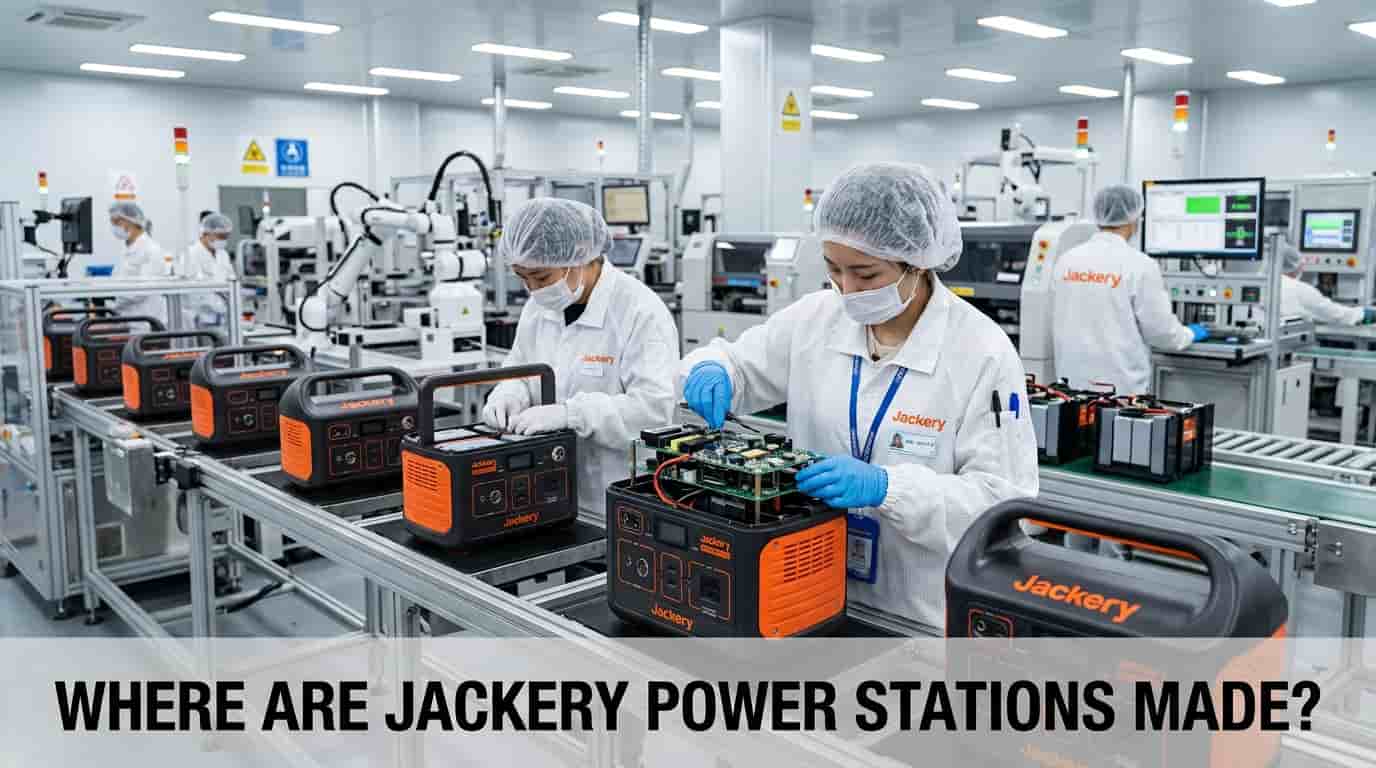
Jackery power stations are made through contract manufacturing facilities in Shenzhen, China, where Jackery Inc, a company headquartered in Sunnyvale, California, oversees assembly of its Explorer series power stations.
Jackery designs and engineers its products from its US offices, while the actual physical production, including battery pack assembly, inverter integration, and final quality testing, takes place at its contracted Chinese factories before finished units are shipped worldwide.
This manufacturing arrangement is standard across the entire portable power station industry, where nearly every major brand, including competitors like EcoFlow and Anker SOLIX, relies heavily on Chinese contract manufacturing for the bulk of physical production while keeping product design and engineering closer to their headquarters.
A division of labor that has become standard practice across the entire consumer electronics industry over the past two decades of rapid globalization in manufacturing.
Table of Contents
Jackerys Manufacturing Location And Supply Chain
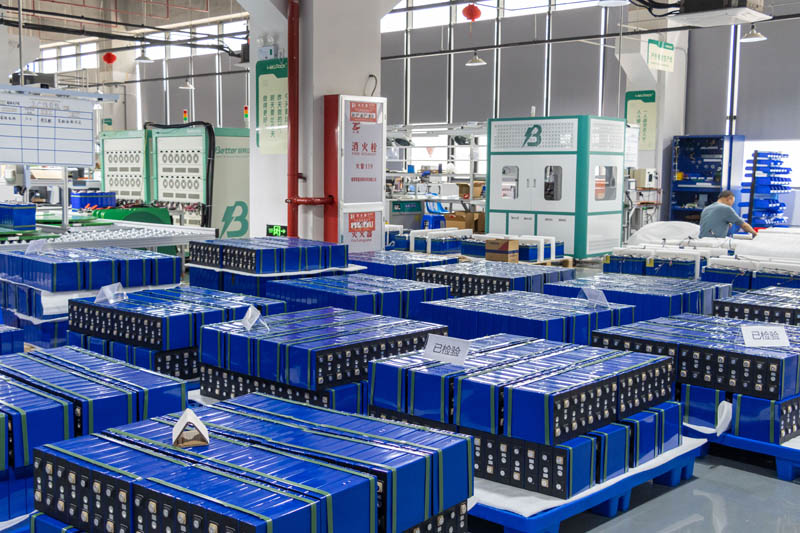
Shenzhen has become one of the worlds largest hubs for consumer electronics and battery manufacturing, home to component suppliers, battery cell producers, and assembly factories that serve companies across the portable power industry, along with major names in smartphones, drones, and other consumer hardware categories.
Jackery leverages this dense supply chain ecosystem to source components like lithium cells, circuit boards, and enclosures, then coordinates final assembly of complete jackery power station units before shipping them globally to customers.
Shenzhens role as a global electronics manufacturing hub has been documented extensively by outlets like Reuters in coverage of the regions supply chain infrastructure.
What Goes Into A Jackery Power Station
A Jackery power station combines a battery pack, typically lithium iron phosphate in newer models, with an inverter that converts stored DC power into usable AC output, a battery management system for safety and charge monitoring, and various input and output ports for charging from wall outlets, car chargers, or solar panels for off grid use.
Each of these components may come from different specialized suppliers before being integrated into the final assembled unit, a modular sourcing approach the U.S. Department of Energy has noted is common across the broader battery storage industry.
Jackery Power Station Product Lines
The Explorer series spans a wide range of capacities, from compact models suited for camping trips to large jackery portable power station units like the Jackery 3000 and Jackery 5000 designed for whole home backup power during extended outages.
Larger units generally include more battery cells and higher output inverters, both of which are assembled at the same contracted Chinese manufacturing facilities as the smaller models.
Some higher capacity units also support expandable battery add ons, letting owners increase total storage over time without replacing the entire power station, which appeals to buyers whose energy needs grow after their initial purchase.
Why Jackery Manufactures Overseas
Building lithium battery packs and power electronics at scale requires specialized component sourcing, skilled assembly labor, and access to battery cell manufacturers, all of which are heavily concentrated in southern China near Shenzhen and the broader Pearl River Delta manufacturing region.
Rather than build out this infrastructure domestically, Jackery, like most of its competitors, relies on established contract manufacturers to keep production costs competitive while focusing its own resources on product design and software development, a pattern also discussed in our guide to who makes Jackery batteries.
Quality And Trustworthiness Of Jackery Power Stations
Jackery has manufactured power stations for over a decade, giving the company significant experience refining its supply chain and quality control processes across multiple product generations and battery chemistries.
Because Jackery was founded by a former Apple battery engineer, the company has consistently emphasized battery safety and testing standards, and its shift toward LiFePO4 chemistry in newer Explorer models reflects an industry wide push toward safer, more thermally stable battery technology, giving buyers reasonable confidence in the durability of the finished product, a topic covered further by the Consumer Reports testing team.
Jackery Power Station Warranty Coverage
Jackery typically backs its power stations with a multi year limited warranty, with coverage length varying by product line and capacity.
Larger and more expensive Explorer models generally carry longer warranty terms, and Jackery occasionally offers extended warranty purchases for customers who want additional coverage beyond the standard term included with a new purchase.
Shipping And Availability
Jackery power stations are shipped globally from their manufacturing facilities to regional distribution centers before reaching customers through Jackerys website, Amazon, and retail partners in the US, Europe, and other markets.
Larger units can take longer to ship due to size and weight, and availability of specific models sometimes fluctuates based on seasonal demand for backup power ahead of storms or extended grid outages.
Readers researching other home backup options may also want to see our guide to where Tesla Powerwall batteries are made for a comparison against a fixed home installation.
Frequently Asked Questions About Where Are Jackery Power Stations Made
Are Jackery power stations made in the USA?
No.
While Jackery is headquartered and engineers its products in California, the physical manufacturing of Jackery power stations takes place entirely through contract factories in Shenzhen, China, following the same pattern used across the wider consumer electronics and portable power industry generally.
What battery chemistry do Jackery power stations use?
Newer Jackery Explorer models primarily use lithium iron phosphate, or LiFePO4, battery cells, known for a longer cycle life and improved thermal stability compared to older lithium ion chemistries used in earlier generations of portable power stations.
How long do Jackery power stations last?
LiFePO4 based Jackery power stations are generally rated for thousands of charge cycles, translating to many years of typical use depending on how often the unit is charged and discharged and how it is stored between uses, with cooler storage conditions generally helping preserve capacity over the long run.
Does Jackery manufacture its own battery cells?
No.
Jackery sources battery cells from established Chinese cell manufacturers and assembles them, along with its own designed electronics, into complete power stations at contract factories, keeping product engineering and design in house while outsourcing the physical build to established contract partners.

I am Jack Neel, a mechanical engineer, researcher, and writer. I created this website to share my knowledge about different brands and products with you. I research the manufacturers behind the brands and provide you with the information you need to make smart buying decisions.