
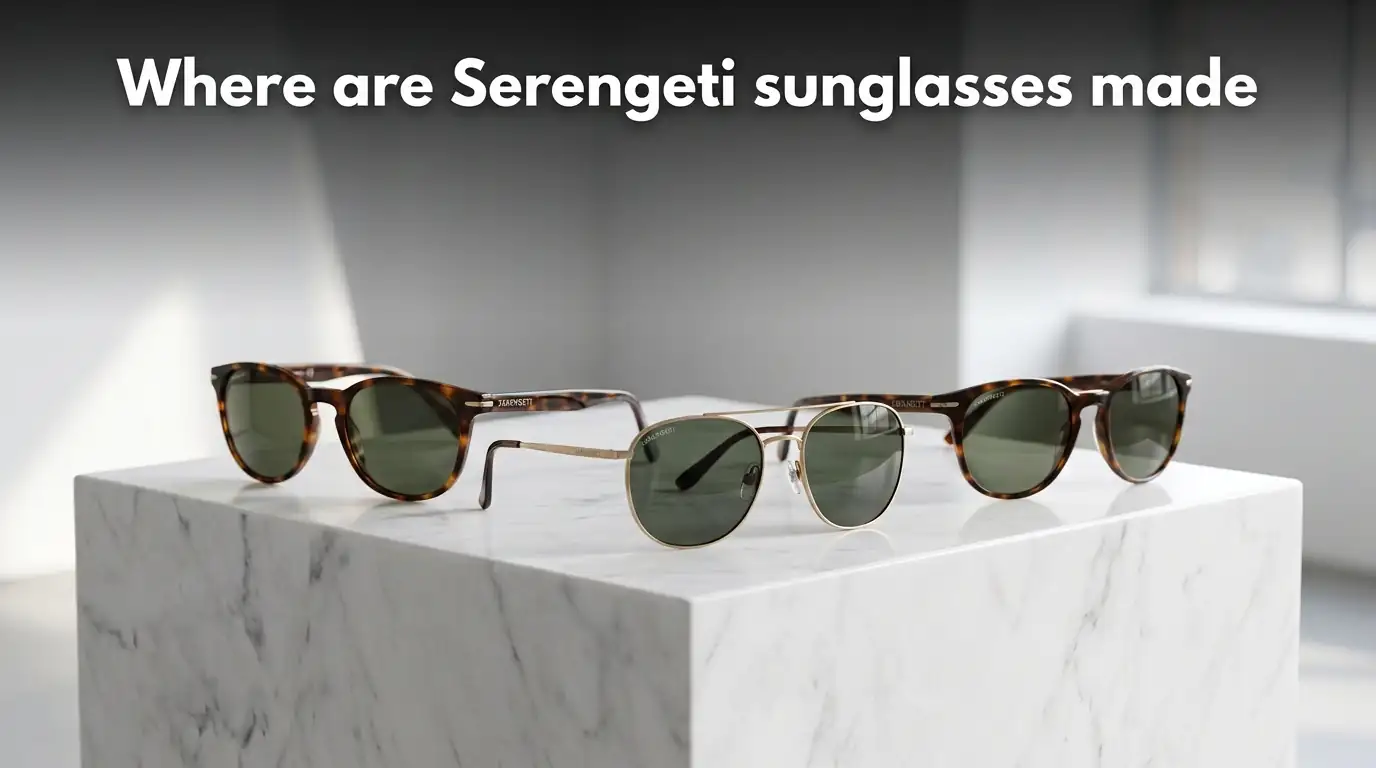
Serengeti sunglasses are currently owned by Bolle Brands, a European private equity backed eyewear group that also owns Bolle, Cebe, and Spy Optic.
In April 2026, the Italian eyewear manufacturer Safilo Group announced an exclusivity agreement to acquire Serengeti and Spy Optic from Bolle Brands, a deal that was still pending completion at the time of writing.
Because that acquisition has not officially closed, Serengeti sunglasses today are still produced through the Bolle Brands manufacturing network rather than by Safilo.
Serengeti built its reputation on advanced photochromic and polarized lens technology, developed to reduce glare and adapt to changing light for drivers and outdoor users.
The brand is known for its sepia toned aviator lenses from the 1980s, a look that remains part of its current lineup alongside more modern frame styles.
Understanding Serengeti requires separating three layers: the brand name, the current owner Bolle Brands, and the pending change of ownership to Safilo that has been announced but not finalized.
A natural next question is what happens to Serengeti manufacturing once the Safilo deal closes, since Safilo already produces several other well known eyewear brands.
This guide covers who owns Serengeti today, how ownership has changed since 1983, where the sunglasses are made, and what the pending Safilo acquisition could mean going forward.
Table of Contents
Who Owns Serengeti Sunglasses?

Serengeti was created in 1983 by Corning Incorporated, the glass and materials company, as a showcase for its lens technology research.
The brand nearly closed within its first year due to weak sales, until entrepreneur Zaki Mustafa took over and grew annual sales from about 5 million dollars in 1985 to roughly 62 million dollars by 1992.
Bushnell Corporation acquired Serengeti in 2000. When Vista Outdoor acquired Bushnell in 2013, Serengeti became part of the larger Vista Outdoor portfolio alongside brands like Bolle and Cebe.
In July 2018, Vista Outdoor sold Bolle, Cebe, and Serengeti together to a European private equity group that now operates the brands as Bolle Brands.
The most recent shift came in April 2026, when Safilo Group signed an exclusivity agreement to purchase Serengeti and Spy Optic from Bolle Brands, a transaction still subject to regulatory review and closing conditions.
More background on the brands ownership history is available on Serengeti Eyewear Wikipedia page, which documents each transition from Corning to Bushnell, Vista Outdoor, and Bolle Brands.
Each new owner brought different priorities. Corning treated Serengeti as a technology showcase, Bushnell and Vista Outdoor folded it into a broader outdoor sporting goods portfolio, and Bolle Brands positioned it alongside other performance eyewear labels.
Where Are Serengeti Sunglasses Made?
Under Bolle Brands ownership, Serengeti sunglasses are produced through the same manufacturing network used for sister brands Bolle and Cebe, which combines facilities in Italy with production support from Asia for certain frame components.
Serengeti does not publish a single factory location for every model, and production details can vary by frame line, particularly between the classic photochromic aviator styles and newer sport oriented frames.
If the pending Safilo acquisition closes, manufacturing could shift toward Safilo facilities in Italy, since Safilo already produces its own eyewear lines domestically and has historically brought acquired brands into its existing production system.
Buyers should check the country of origin marking printed on the temple of their specific pair, since this is the most reliable way to confirm where an individual pair was actually produced.
What Could Change If Safilo Completes The Acquisition?
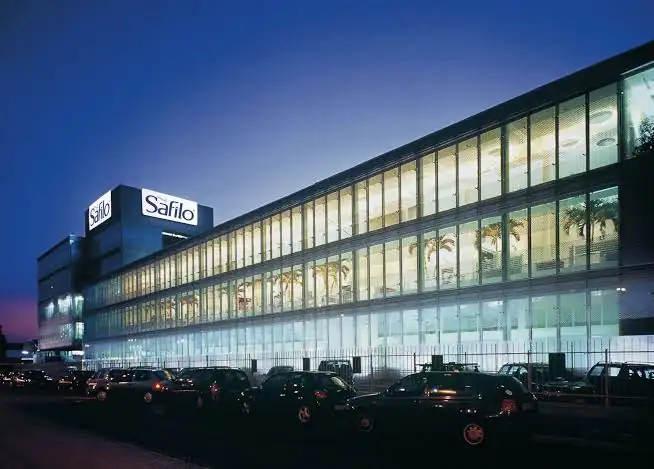
Safilo already manufactures and distributes several established eyewear brands, and it has a track record of integrating acquired labels into its existing Italian production and global distribution network.
If the deal closes, Serengeti buyers could eventually see changes to where frames are produced, how the brand is marketed, and which retailers carry the collection, similar to shifts seen with other brands after a Safilo acquisition.
For now, current Serengeti products on the market reflect Bolle Brands era manufacturing, and that will remain the case until the transaction is finalized and reported as complete.
Shoppers researching the brand should treat any claims about post acquisition manufacturing as forward looking rather than settled fact until Safilo confirms details after closing.
What Makes Serengeti Lens Technology Different?
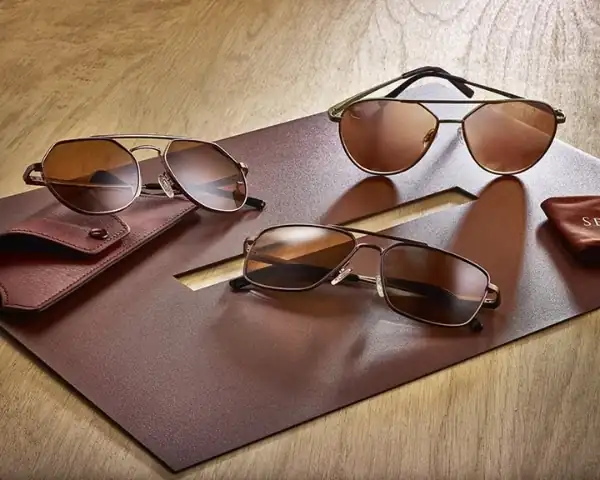
Serengeti built its brand identity around photochromic lenses that darken automatically in bright light and lighten in low light, combined with polarization to reduce glare.
This combination is particularly popular with drivers, since it removes the need to switch between sunglasses and clear glasses as light conditions change during a trip.
The brand also popularized sepia and other tinted lens colors in the 1980s that are designed to enhance contrast rather than simply darken the view.
Popular Serengeti Sunglasses Styles
The Drivers Gravilux and Classic aviator lines remain some of Serengeti most recognized styles, built around the brand original photochromic and polarized lens combination.
Newer collections add sportier wraparound shapes aimed at cycling and running, while still offering the signature light adaptive lenses that made the brand popular with drivers.
Frame materials range from lightweight nylon for sport styles to acetate for more classic fashion oriented frames, giving the lineup a wider range than some single category sunglasses brands.
Are Serengeti Sunglasses Good Quality?
Serengeti has a long standing reputation for lens performance, particularly among drivers and outdoor users who value the photochromic and polarized combination.
Frame quality has varied somewhat across ownership changes over the decades, which is common for heritage brands that move between different parent companies with different manufacturing standards.
Current Bolle Brands era Serengeti sunglasses generally receive positive reviews for lens clarity and comfort, with most reported issues centered on frame style preference rather than build defects.
Long time Serengeti owners often say the lens technology is the reason they stick with the brand across multiple purchases, even as frame styles and ownership have changed over the decades.
As with most photochromic lenses, transition speed can vary slightly with temperature, performing fastest in moderate conditions and a bit slower in very cold weather.
Why Do Serengeti Sunglasses Cost More Than Basic Polarized Brands?
The main cost driver is the photochromic and polarized lens combination itself, which requires more advanced lens technology than a simple tinted or polarized only lens.
Decades of brand recognition among drivers and outdoor enthusiasts also support a price point above generic polarized sunglasses sold without that lens technology.
As with most heritage eyewear brands, pricing reflects both the engineering behind the lens and the marketing history built up since the brand launched in 1983.
Serengeti Versus Other Photochromic Sunglasses Brands
Serengeti is often compared to other performance eyewear brands with photochromic or polarized lens options, including Smith, which is produced by Safilo, the same company now seeking to acquire Serengeti.
Fellow Bolle Brands sibling Spy Optic is also part of the pending Safilo deal, making it a useful comparison for buyers curious how the acquisition might affect related brands.
Price positioning for Serengeti generally sits in the mid range for performance sunglasses, below ultra premium designer brands but above entry level polarized options.
Serengeti Customer Service And Official Website
The official Serengeti Eyewear website lists current collections, warranty information, and customer support contacts, and remains the most reliable source for current policies during the ownership transition.
Because Serengeti is in the middle of a pending acquisition, customer service structure and contact details could change once the Safilo deal closes, so checking the official site periodically is worthwhile.
For repairs or authenticity questions, buying from authorized optical retailers rather than unverified marketplace sellers remains the safest approach.
Whichever way the pending Safilo transaction resolves, Serengeti long history of surviving ownership changes suggests the brand itself is likely to continue, even if specific manufacturing details shift once a new parent company takes over day to day operations.
Buyers who want to stay current on the Safilo transaction can check business and trade press coverage periodically, since a deal of this size is typically reported publicly once it reaches final closing rather than staying private indefinitely.
Frequently Asked Questions About Serengeti Sunglasses
Where are Serengeti sunglasses made?
Serengeti sunglasses are currently produced through the Bolle Brands manufacturing network, which combines Italian production with components sourced from Asia, though this could shift if the pending Safilo acquisition closes.
Who owns Serengeti sunglasses?
Serengeti is currently owned by Bolle Brands. As of April 2026, Safilo Group has signed an agreement to acquire Serengeti, though the deal was still pending completion.
Is Safilo buying Serengeti?
Safilo announced an exclusivity agreement in April 2026 to acquire Serengeti and Spy Optic from Bolle Brands, but the transaction had not yet closed.
What is Serengeti known for?
Serengeti is best known for photochromic lenses that automatically adjust to light, often combined with polarization, along with its classic sepia toned aviator styles from the 1980s.

I am Jack Neel, a mechanical engineer, researcher, and writer. I created this website to share my knowledge about different brands and products with you. I research the manufacturers behind the brands and provide you with the information you need to make smart buying decisions.