
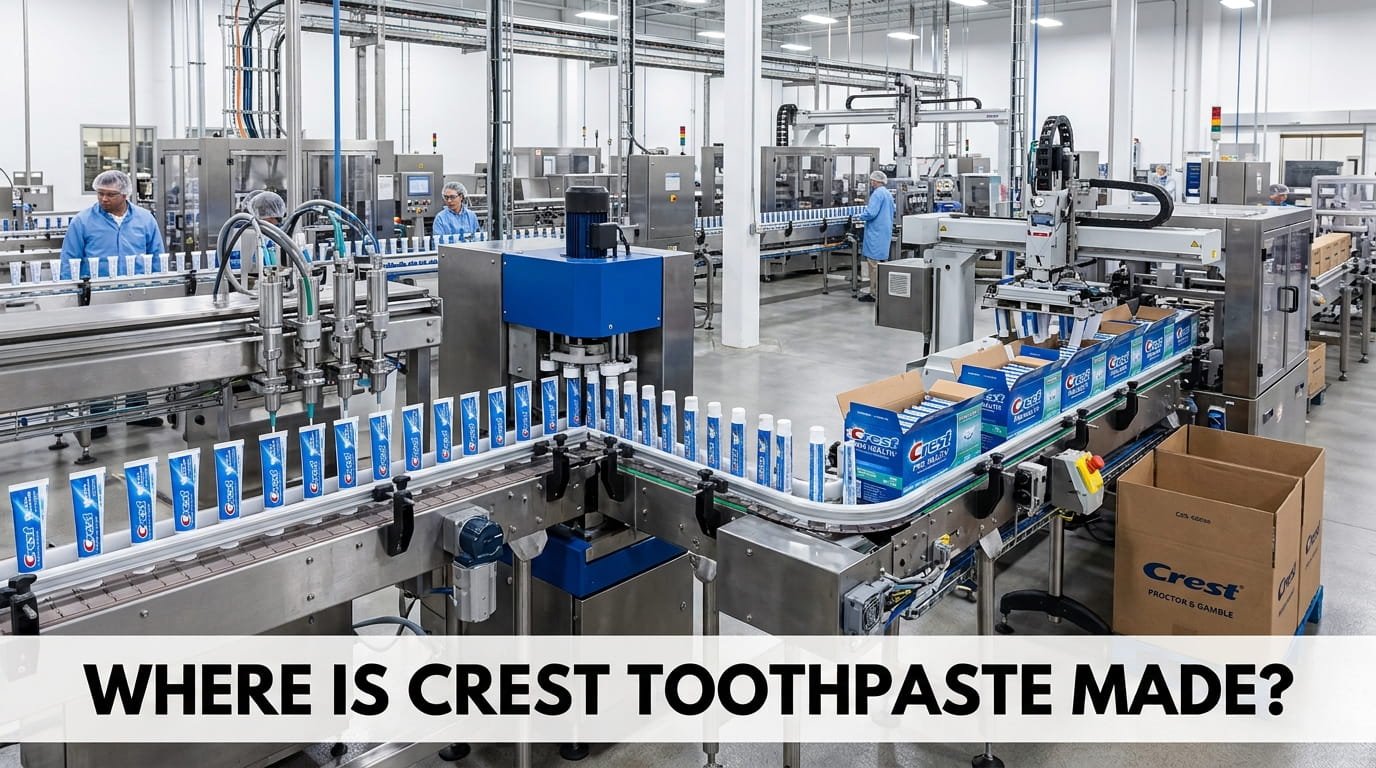
Crest has a slightly different origin story than most toothpaste brands.
It did not start in a soap factory or a family workshop.
It started in a university chemistry lab, built around a genuine scientific breakthrough in cavity prevention.
That history still shapes how people think about the brand today, decades later.
But the question people actually type into Google is simpler than any of that.
They just want to know where the tube in their hand was actually made.
So let’s get started.
Table of Contents
Where Is Crest Toothpaste Made?
According to Crest‘s parent company Procter and Gamble, Crest products are made in North America.
The brand’s main manufacturing plant is located in Greensboro, North Carolina, and some Crest products are also manufactured at a plant in Guanajuato, Mexico.
P&G also operates an Oral Care manufacturing site in Iowa City, Iowa, which has historically produced Crest and other oral hygiene products under the Oral-B and Crest umbrella, employing several hundred workers and contractors.
So unlike some consumer brands that quietly shifted most of their production to Asia, Crest’s toothpaste manufacturing has stayed concentrated in the United States and Mexico.
That regional footprint is part of why P&G can describe Crest as a North American made product with a straight face.
Who Owns Crest?
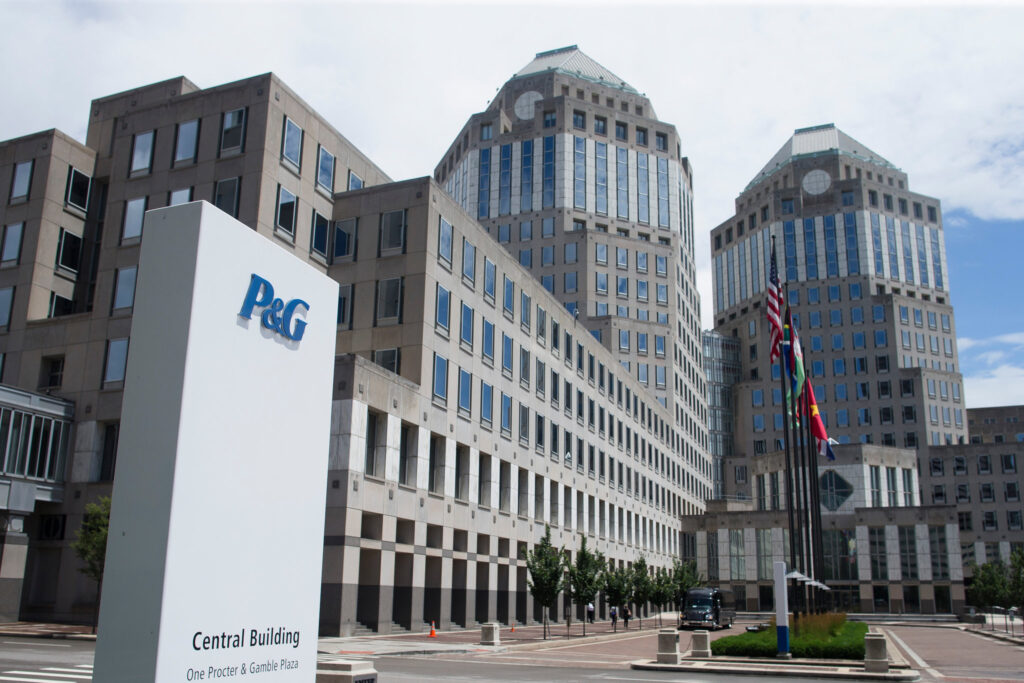
Crest is owned by Procter and Gamble, one of the largest consumer goods companies in the world.
P&G is a publicly traded American corporation headquartered in Cincinnati, Ohio.
The company owns a huge portfolio of household brands beyond Crest, including Tide, Pampers, Gillette, and Oral-B, which it markets alongside Crest under a combined Pro-Health oral care push since acquiring Gillette in the mid 2000s.
There is no single founder or family still controlling P&G today, though the Procter and Gamble families that founded the company remain part of its early history.
Where Did Crest Come From?
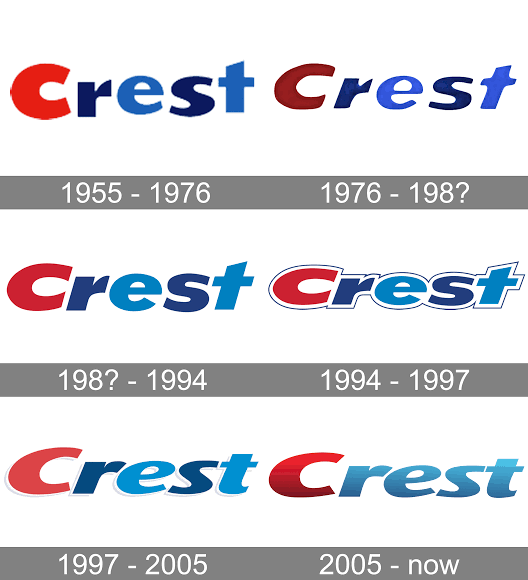
Crest began life in 1954 under the name Fluoristan, because it contained stannous fluoride, a relatively new approach to fighting cavities at the time.
The formula was developed by Joseph C. Muhler, Harry Day, and William H. Nebergall at Indiana University, and Nebergall held the patent.
Procter and Gamble paid royalties on that patent, which helped fund a new dental research institute at Indiana University, sometimes nicknamed the house that Crest built.
The product was renamed Crest with Fluoristan in 1955 and launched nationally in January 1956.
In 1976, the American Chemical Society named Crest with fluoride one of the greatest discoveries of the previous 100 years, cementing its reputation as a genuine scientific product rather than just clever marketing.
That scientific pedigree, paired with acceptance from the American Dental Association, is a big part of why Crest became a household name.
How Does Crest’s Manufacturing Compare Today?
P&G has said that it produces an estimated 90 percent of its products domestically across its full portfolio, though it still imports raw ingredients and packaging materials from China for many staple products.
For Crest specifically, the North Carolina and Mexico plants appear to handle the bulk of production for the North American market.
That regional model, US and Mexico rather than a fully global network, is somewhat unusual for a company as large as P&G, and it does support the North American made claim P&G makes about the brand.
It is worth noting that some Crest adjacent products, like Oral-B toothbrushes, may follow different manufacturing paths than the toothpaste itself.
Does Crest Claim to Be Made in the USA?
Crest does not use a blanket Made in USA label, since some of its products come from the Guanajuato, Mexico facility rather than exclusively from Greensboro.
P&G’s own language is more specific, describing Crest as made in North America rather than made in the USA.
That is an important distinction, since North America includes Mexico, and Mexico made goods do not qualify for a genuine Made in USA claim under federal labeling standards.
Shoppers who specifically want a plant made entirely within the United States should check individual product packaging, since Crest’s own public statements do not promise that for every item in the lineup.
Crest vs Colgate: Who Makes Each?
Colgate is Crest’s most direct competitor, and the two brands have been fighting for shelf space and market share for decades.
Colgate Palmolive manufactures most of its United States bound toothpaste domestically, with a flagship plant in Morristown, Tennessee and another facility in Greenwood, South Carolina.
Crest, by comparison, runs its core production out of Greensboro, North Carolina, with additional volume coming from Guanajuato, Mexico.
Both companies are large multinational manufacturers with additional plants overseas serving other regions of the world.
For an American buyer, the practical difference between the two brands mostly comes down to which specific North American plant produced that particular tube.
What Is Next for Crest?
Tariffs are the headline issue for Procter and Gamble heading through 2026.
The company has said it expects tariffs to cut into fiscal 2026 earnings by around 400 million dollars, a figure that has actually been revised down from an earlier estimate near 1 billion dollars.
To offset the pressure, P&G is raising prices on about 25 percent of its US products starting in August 2026, with fabric care, baby care, grooming, and oral care products like Oral-B specifically named as affected categories.
There is no public indication that P&G plans to relocate Crest’s Greensboro or Guanajuato production as part of this response.
Instead, the company appears to be leaning on price increases and its existing North American manufacturing base to absorb the tariff impact, rather than shifting factories.
For more brand supply chain breakdowns like this one, see our guides on Gillette Razors and Toilet Paper.
Frequently Asked Questions About Where Crest Is Made
Is Crest toothpaste made in the USA?
Most Crest toothpaste sold in the United States is made at Procter and Gamble’s plant in Greensboro, North Carolina.
However, Crest is more accurately described as made in North America rather than made strictly in the USA, since some products come from a P&G facility in Guanajuato, Mexico.
That mix means shoppers should not assume every tube of Crest on the shelf came exclusively from a US factory.
Does Crest have a factory in Mexico?
Yes, Procter and Gamble operates a manufacturing facility in Guanajuato, Mexico that produces some Crest products.
This plant works alongside the Greensboro, North Carolina facility as part of P&G’s regional North American manufacturing strategy for oral care.
The Wikipedia entry on Crest and P&G’s own statements both confirm this Mexico based production as part of the brand’s supply chain.
Who invented Crest toothpaste?
Crest was developed by researchers Joseph C. Muhler, Harry Day, and William H. Nebergall at Indiana University in the early 1950s.
Their work centered on stannous fluoride as an active ingredient for cavity prevention, which was a genuinely new approach for toothpaste at the time.
Procter and Gamble licensed the patented formula and launched it nationally in January 1956 under the Crest name, and the resulting royalties helped fund a dental research institute at Indiana University.
Why are Crest prices going up in 2026?
Procter and Gamble has pointed to tariffs as the main driver behind price increases across roughly a quarter of its US product lineup starting in August 2026.
Oral-B and other oral care products have specifically been named among the categories facing higher prices.
The company has said the tariff impact for fiscal 2026 is expected to be around 400 million dollars, and according to Kiplinger, price increases are the primary tool it is using to offset that cost rather than moving manufacturing.

I am Jack Neel, a mechanical engineer, researcher, and writer. I created this website to share my knowledge about different brands and products with you. I research the manufacturers behind the brands and provide you with the information you need to make smart buying decisions.