
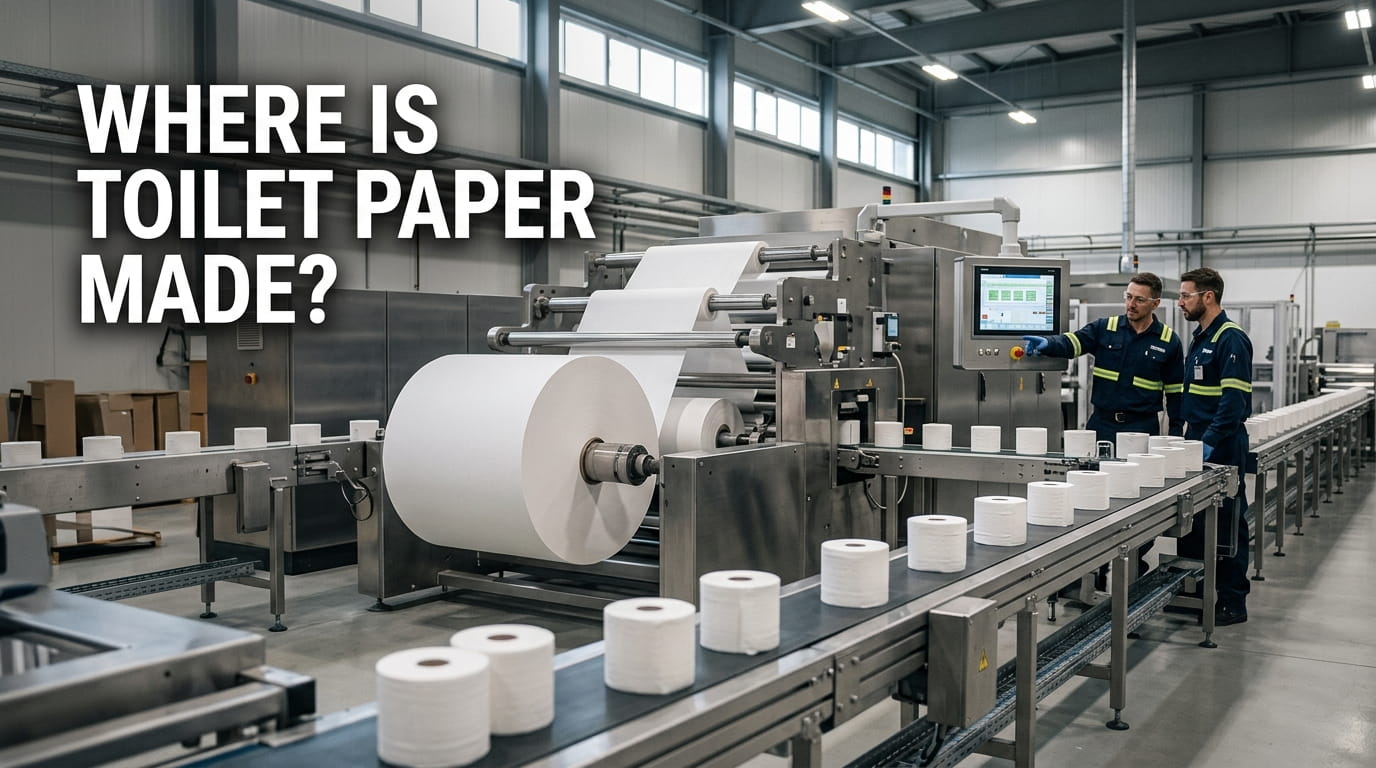
Toilet paper is made by several large consumer goods companies, with Procter & Gamble, Kimberly-Clark, and Georgia-Pacific being the three biggest manufacturers in the United States.
Toilet paper is one of the most consistently purchased household products in the country, with Americans spending more than $10 billion on it annually across all brands and price tiers.
The brands most Americans recognize, including Charmin, Cottonelle, and Quilted Northern, are owned by large multinational corporations that also make hundreds of other household and personal care products.
Knowing who makes toilet paper helps buyers understand which companies are behind familiar brand names and why most major brands are produced domestically in the United States.
This article covers the main toilet paper manufacturers, where the paper is made, which brands they own, and what eco-friendly alternatives look like in comparison.
So let’s get started.
Table of Contents
Who Are the Biggest Toilet Paper Manufacturers?
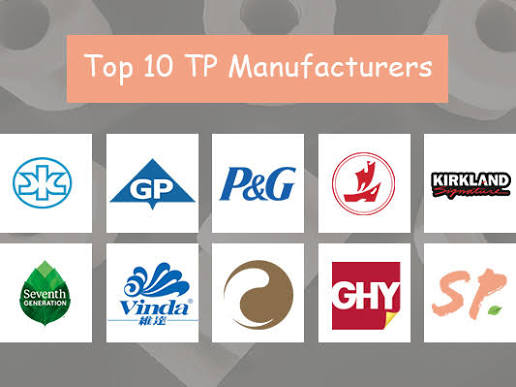
Three companies dominate toilet paper production in the United States. Procter & Gamble makes Charmin and Bounty. Kimberly-Clark makes Cottonelle and Scott. Georgia-Pacific, a private company owned by Koch Industries, makes Quilted Northern and Angel Soft.
Together, these three companies account for the majority of household toilet paper sold in American grocery and retail stores.
A fourth significant player is Essity, a Swedish company that produces the Tork and Lotus brands and dominates the commercial and institutional tissue market.
Where Is Toilet Paper Made?
Most major US toilet paper brands are made in the United States. Shipping bulk tissue products is expensive relative to their weight, which makes domestic production the most cost-effective approach for large manufacturers.
Procter & Gamble operates tissue manufacturing plants in Mehoopany, Pennsylvania, and Albany, Georgia, among other US locations. Kimberly-Clark has mills across the southeastern United States. Georgia-Pacific operates tissue mills in states including Ohio, Maine, and Georgia.
Private label toilet paper sold under store brands at Walmart, Target, Costco, and other retailers is also typically made in the US, often at the same mills that produce national brands under contract manufacturing arrangements.
Who Makes Charmin Toilet Paper?
Charmin is made by Procter & Gamble (P&G), the American consumer goods giant headquartered in Cincinnati, Ohio.
Procter & Gamble acquired the Charmin brand in 1957 and has since made it the best-selling toilet paper brand in the United States. P&G is also the maker of Pampers, Tide, Bounty, Gillette, and dozens of other major household brands.
Charmin is sold in multiple tiers including Charmin Ultra Soft, Charmin Ultra Strong, and Charmin Essentials, covering price points from budget to premium.
Who Makes Cottonelle and Scott?
Both Cottonelle and Scott are made by Kimberly-Clark Corporation, headquartered in Dallas, Texas.
Kimberly-Clark is a publicly traded company that also makes Kleenex tissues, Huggies diapers, and Depend adult incontinence products. It is one of the most recognized consumer tissue companies in the world.
Scott is Kimberly-Clark’s value-tier brand, marketed on its long roll length and cost per sheet. Cottonelle targets the premium segment with its CleanRipple texture and care technology.
Who Makes Quilted Northern and Angel Soft?
Both Quilted Northern and Angel Soft are made by Georgia-Pacific, a private company owned by Koch Industries, the American industrial conglomerate controlled by Charles Koch.
Georgia-Pacific is one of the largest paper and tissue manufacturers in the world, operating dozens of plants across the United States. Its tissue brands compete directly with P&G and Kimberly-Clark in every retail tier.
Because Georgia-Pacific is privately held by Koch Industries, it does not publish annual financial results. It is estimated to generate several billion dollars annually from its tissue operations alone.
Are Eco-Friendly Toilet Papers Made Differently?
Yes. Eco-friendly toilet paper brands like Who Gives a Crap, Tushy, and Seventh Generation use recycled paper or bamboo fiber instead of virgin wood pulp.
Who Gives a Crap is an Australian company that manufactures its products in China. Seventh Generation is a brand owned by Unilever that uses recycled fiber and sources from FSC-certified suppliers.
These brands typically cost more per roll than conventional options but appeal to buyers who prioritize sustainability and reduced deforestation impact in their purchasing decisions.
Charmin vs Cottonelle vs Kirkland: Who Makes Each?
Each of these popular brands comes from a different manufacturer. Charmin is made by Procter & Gamble. Cottonelle is made by Kimberly-Clark. Kirkland Signature toilet paper is Costco’s private label product, and while Costco does not disclose the manufacturer, it is widely understood to be produced by a major tissue manufacturer under contract.
Kirkland Signature toilet paper is consistently rated among the best value products in consumer surveys, frequently compared favorably to Charmin Ultra Soft at a lower per-sheet cost.
All three are made in the United States, reflecting the industry norm of domestic production for high-volume tissue products.
Frequently Asked Questions About Where Toilet Paper Is Made
Is most toilet paper made in the USA?
Yes. The major US brands including Charmin, Cottonelle, Scott, Quilted Northern, and Angel Soft are all manufactured domestically. Bulk and weight make it impractical to import toilet paper from overseas, so most of what Americans buy is made in American mills.
Who owns the Bounty paper towel brand?
Bounty paper towels are made by Procter & Gamble, the same company that makes Charmin toilet paper. P&G acquired both brands through various acquisitions and has maintained their positions as market leaders in their respective categories.
Is recycled toilet paper better for the environment?
Recycled toilet paper uses post-consumer waste paper instead of virgin wood pulp, which reduces the demand for tree harvesting. However, the recycling and de-inking process does require energy and water. Environmental organizations generally recommend recycled or bamboo-based paper products as a more sustainable alternative to virgin fiber brands.
What company makes the most toilet paper in the world?
Procter & Gamble is one of the largest tissue product companies globally by revenue. However, Essity (a Swedish company spun off from SCA in 2017) is also among the world’s largest tissue manufacturers and dominates commercial and professional tissue markets outside North America.

I am Jack Neel, a mechanical engineer, researcher, and writer. I created this website to share my knowledge about different brands and products with you. I research the manufacturers behind the brands and provide you with the information you need to make smart buying decisions.