
Reebok is a brand most people associate with classic American sneaker culture.
The Pump, the Classic Leather, the CrossFit era, all of it feels rooted in the United States.
The real origin story is very different, and honestly more interesting.
Reebok has also changed hands twice in the last two decades, which has reshaped how and where its shoes get made.
Understanding that ownership history helps explain the current manufacturing setup.
This article traces Reebok from its true beginnings through its current factory network.
So let’s get started.
Table of Contents
Where Is Reebok Made?
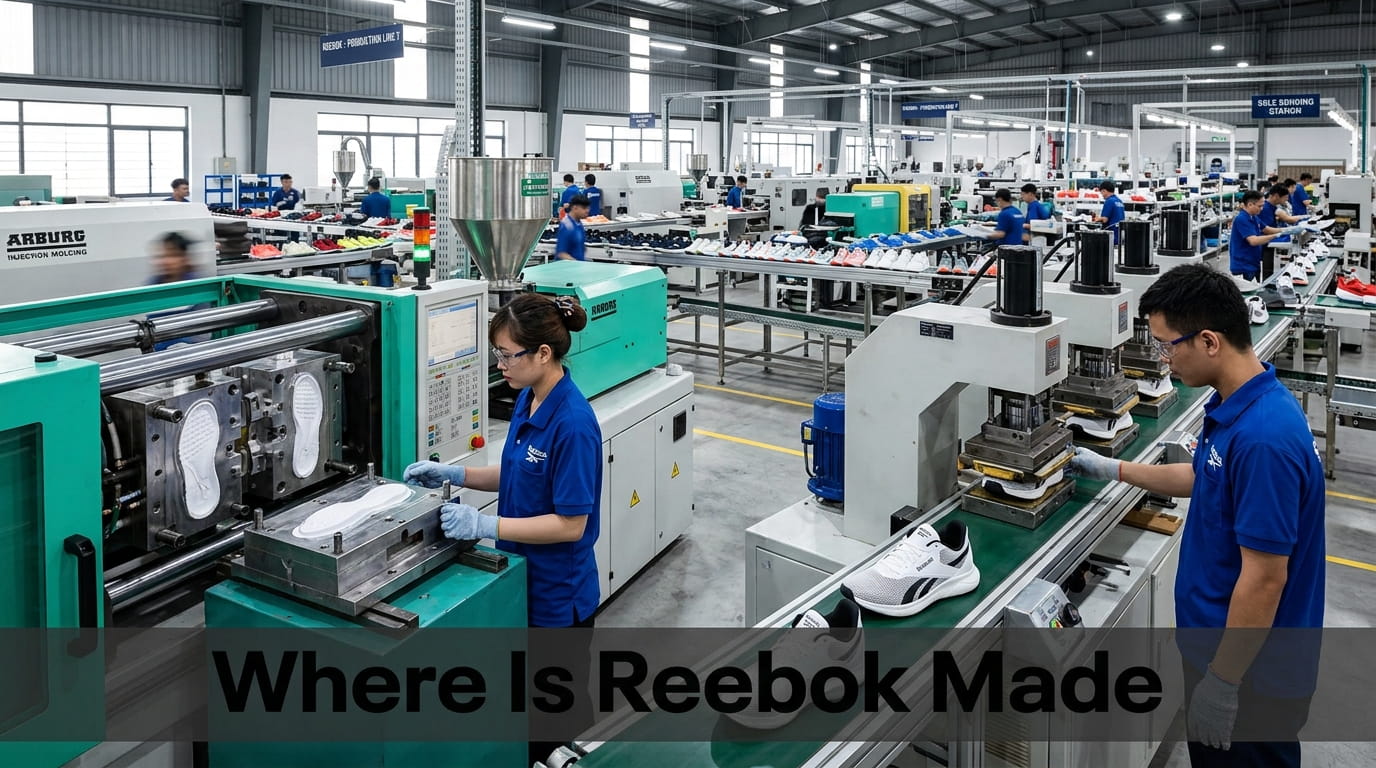
Reebok shoes are manufactured across several countries in Asia, with Vietnam serving as the brand’s largest production base.
You can see Reebok’s current product lineup on its official site at reebok.com.
According to recent supply chain data, Vietnam accounts for roughly 42 percent of Reebok’s manufacturing, with China contributing about 25 percent and Indonesia around 20 percent, with the remainder spread across other countries.
Vietnam’s role has grown substantially over the past several years, reportedly supplying around three quarters of Reebok’s footwear as of 2022.
China continues to handle a meaningful share of production too, often taking on more complex models or limited edition releases that require specialized manufacturing techniques.
Indonesia contributes heavily to Reebok’s athletic and training shoes, including footwear built for CrossFit style workouts that demand extra durability.
Like most global sneaker brands, Reebok does not own these factories outright, instead contracting with manufacturing partners whose locations can shift over time as costs, capacity, and trade conditions change.
Who Owns Reebok?
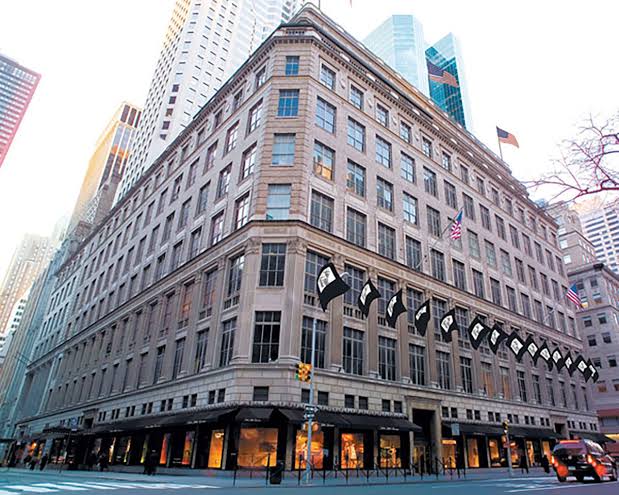
Reebok is currently owned by Authentic Brands Group, a US based brand management company.
Authentic Brands Group acquired Reebok from Adidas in 2021, ending a relationship that had lasted since 2005.
Before that, Adidas had purchased Reebok in a deal worth about 3.8 billion dollars, hoping to compete more directly with Nike in the North American sneaker market.
Authentic Brands Group is known for owning and licensing a wide range of consumer brands rather than manufacturing products itself, which is an important detail when thinking about how Reebok’s supply chain is actually run today.
Where Did Reebok Come From?
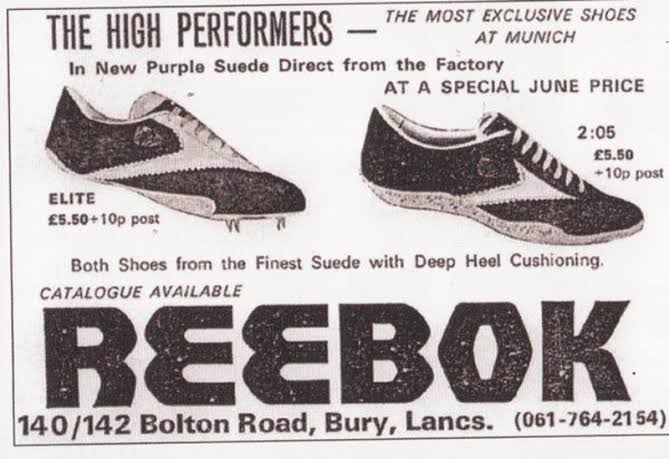
Reebok’s roots trace back to 1895, to a small English shoemaking company called J.W. Foster and Sons, based in Bolton, Lancashire.
Decades later, brothers Jeff and Joe Foster, grandsons of the original founder, launched Reebok itself in 1958.
The brand took its name from the rhebok, an African antelope known for its speed and agility, a fitting symbol for a running shoe company.
Reebok spent its early decades as a niche performance brand before exploding into mainstream fashion and fitness culture in the 1980s.
That growth eventually made it an attractive acquisition target, first for Adidas in 2005 and later for Authentic Brands Group in 2021.
How Reebok’s Manufacturing Actually Works
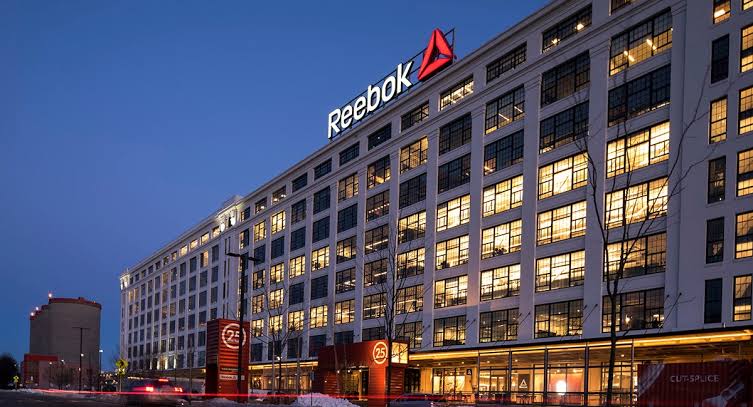
Since Authentic Brands Group operates primarily as a licensing and brand management company, Reebok’s day to day manufacturing and product operations run through contracted partners rather than factories owned directly by Reebok or its parent company.
This model relies on established footwear manufacturing hubs in Vietnam, China, and Indonesia, countries with decades of experience producing athletic footwear for global brands.
Production decisions can shift between these countries based on cost, capacity, and trade conditions, which is why exact percentages tend to move somewhat from year to year.
This is a similar setup to most major athletic footwear companies, where design and branding happen in one country while physical manufacturing happens almost entirely in another.
Is Reebok Made In The USA?
There is no solid evidence that Reebok manufactures a meaningful share of its footwear inside the United States.
The brand’s design and headquarters functions may involve US based teams, but the actual shoes come from factories in Vietnam, China, and Indonesia.
Shoppers hoping to find domestically produced Reebok sneakers should treat any such claims with caution, since the available sourcing data consistently points to overseas manufacturing across the current lineup.
Reebok vs Nike: Who Makes Each?
Nike is the obvious comparison, since both brands compete directly in athletic footwear and both rely on contracted overseas manufacturing rather than company owned factories.
Nike has long relied heavily on manufacturing partners across Vietnam, China, and Indonesia, the same three countries that dominate Reebok’s supply chain, though the exact split between them can vary by year and by product category.
Neither brand claims significant domestic manufacturing for its mainline sneaker collections.
The bigger difference between the two companies is scale and ownership, since Nike remains an independent, publicly traded company, while Reebok now operates as one brand inside the larger Authentic Brands Group portfolio.
For a shopper comparing the two, the honest answer is that a Reebok sneaker and a Nike sneaker are likely to have been built in very similar parts of the world, even if the two companies structure their supply chains a little differently behind the scenes.
What Is Next For Reebok?
Reebok has spent the past few years rebuilding its identity under Authentic Brands Group, leaning into retro releases and collaborations to reconnect with longtime fans.
Because Authentic Brands Group operates more as a licensing company than a traditional manufacturer, Reebok’s future manufacturing decisions will likely continue to be shaped by whichever regional partners or joint ventures the company works with in different markets.
Given how concentrated Reebok’s production is in Vietnam, China, and Indonesia, any shifts in US trade policy or tariffs affecting those countries could influence pricing or sourcing strategy through 2026.
There is no public indication of a move toward domestic manufacturing, so shoppers should expect Reebok’s overseas production model to continue for the foreseeable future.
For more brand supply chain breakdowns like this one, see our guides on Nike Cleats and Vans Shoes.
Frequently Asked Questions About Where Reebok Is Made
Is Reebok owned by Adidas?
No, not anymore.
Adidas owned Reebok from 2005 until 2021, when it sold the brand to Authentic Brands Group.
Since that sale, Reebok has operated as part of the Authentic Brands Group portfolio rather than under Adidas.
Are Reebok shoes made in Vietnam?
Yes, Vietnam is Reebok’s largest manufacturing base by a wide margin.
Recent supply chain data suggests Vietnam accounts for around 42 percent of Reebok’s production, with the country’s footwear industry having supplied as much as three quarters of Reebok’s footwear in prior years.
China and Indonesia also play significant roles, together accounting for a large share of the remaining production.
Is Reebok British or American?
Reebok’s roots are actually British.
The brand descends from J.W. Foster and Sons, an English shoemaking company founded in Bolton, Lancashire in 1895, with the Reebok name itself launched by the Foster family in 1958.
Today, Reebok is often thought of as an American brand because its current owner, Authentic Brands Group, is based in the United States, but its founding heritage is firmly English.
Does Reebok make any shoes in the United States?
There is no clear evidence that Reebok currently manufactures a meaningful portion of its shoes domestically.
Its production is concentrated in Vietnam, China, and Indonesia, consistent with the sourcing pattern used by most major global athletic footwear brands.
Shoppers looking for domestically produced athletic shoes generally need to look toward smaller, specialty footwear makers instead.

I am Jack Neel, a mechanical engineer, researcher, and writer. I created this website to share my knowledge about different brands and products with you. I research the manufacturers behind the brands and provide you with the information you need to make smart buying decisions.