
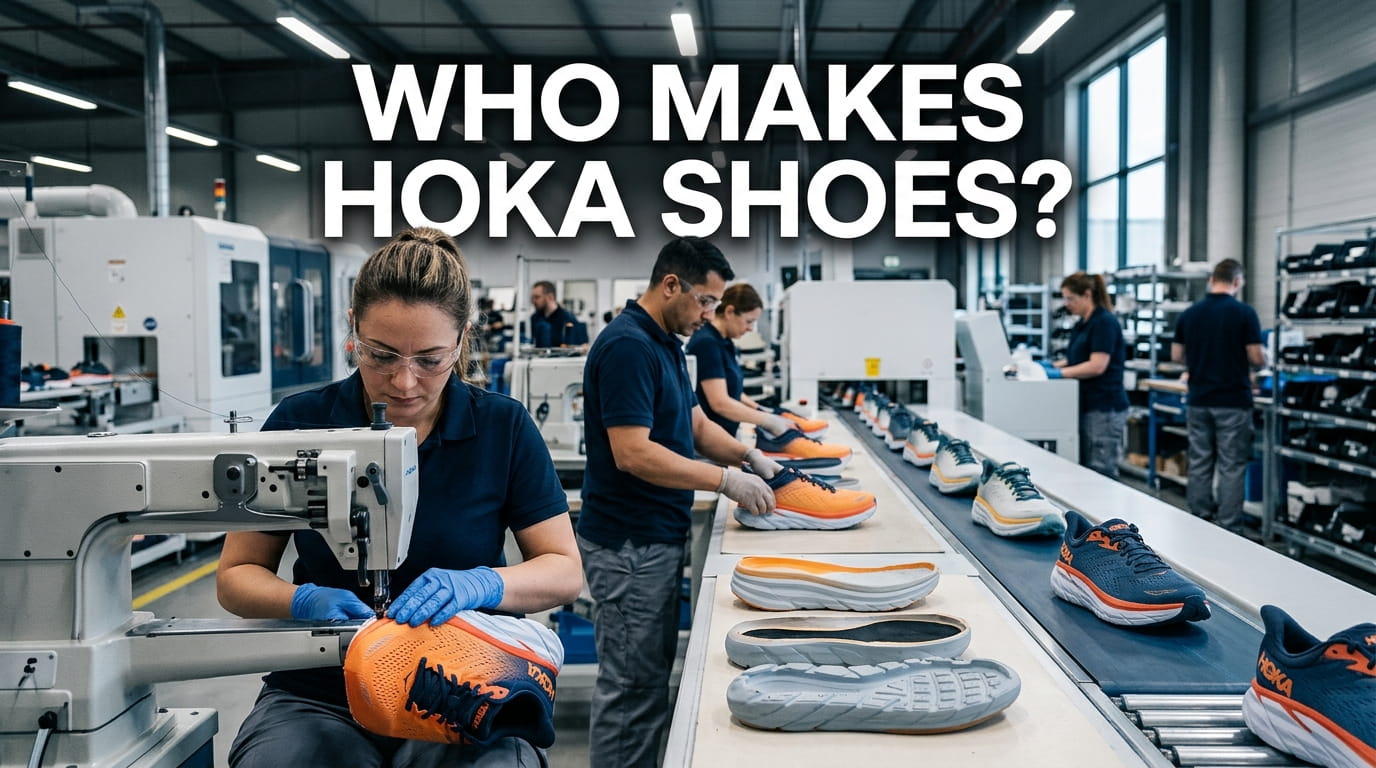
Hoka shoes are made by the French-founded, American-owned company Hoka One One, Inc. The manufacturing process itself takes place in various factories, primarily located in Asia, rather than in a single domestic facility.
Hoka is a recognized brand that specializes in performance footwear. It is particularly known for its distinctive oversized midsoles, which provide exceptional cushioning and a stable ride. While initially popular with ultra-runners, the brand now appeals to everyday runners, walkers, and individuals needing comfort for occupational use.
Since 2013, Hoka One One has operated as a subsidiary of Deckers Brands, a prominent American footwear company. This acquisition connected Hoka with a larger corporate structure, giving it significant support for research, development, and worldwide distribution.
Learning about a brand’s ownership and manufacturing helps consumers understand its quality, ethical standards, and market position. This information enables more informed purchasing decisions.
This article will examine Hoka’s corporate structure, explore its manufacturing origins, analyze the brand’s unique appeal, and explain where to find authentic Hoka footwear. We will also cover its history and how it compares in the wider athletic shoe market.
So let’s get started.
Table of Contents
Who is the Company Behind Hoka Shoes?
Hoka One One, Inc., commonly known as Hoka, is the company that produces Hoka shoes. It functions as a unique brand within a larger corporate group.
In 2013, Hoka became a subsidiary of Deckers Brands. This acquisition represented a key moment, giving the newer Hoka brand significant financial and operational support.
Deckers Brands, an American footwear designer and distributor, owns Hoka. This ownership provides Hoka with access to robust supply chains and marketing capabilities, which are essential for worldwide growth.
This parent company structure allows Hoka to keep its distinct product identity while benefiting from the resources of an established global corporation.
Where Are Hoka Shoes Actually Made?
Similar to many major footwear brands, Hoka shoes are produced using a global supply chain. Actual manufacturing occurs in factories mainly located in Asian countries.
These manufacturing locations include countries like Vietnam, China, Cambodia, and the Philippines. This approach is standard in the athletic shoe industry, driven by specialized facilities and competitive labor costs.
Deckers Brands, Hoka’s parent company, supervises these manufacturing operations. They collaborate with several third-party factories to produce footwear that meets Hoka’s designs and quality requirements.
Hoka’s development teams handle the design and engineering, but the physical assembly of the shoes is a global undertaking.
What Is Deckers Brands and What Other Companies Do They Own?
Deckers Brands leads globally in designing, marketing, and distributing innovative footwear, apparel, and accessories. This American corporation is headquartered in Goleta, California.
In addition to Hoka, Deckers Brands owns several other well-known and successful footwear brands, such as UGG, Teva, and Sanuk.
UGG is recognized for its sheepskin boots and lifestyle footwear, popular worldwide for comfort and warmth. Teva focuses on outdoor sandals and active lifestyle shoes, noted for their durability and versatility.
Sanuk provides distinctive, comfortable footwear, including sandals and shoes with patented “Sandal Sidewalk” construction. Deckers’ varied brand portfolio highlights its knowledge across different footwear categories.
This extensive ownership shows Deckers’ substantial presence and influence in the global footwear market, placing Hoka within a robust corporate family.
How Did Hoka Start and Who Founded the Brand?

Nicolas Mermoud and Jean-Luc Diard, both former Salomon employees, founded Hoka in 2009. They launched the company in Annecy, France.
Their initial aim was to design a running shoe for faster trail descents. They pursued this by maximizing cushioning, which led to the development of their signature oversized midsole.
The brand name, “Hoka One One,” comes from a Māori phrase that means “to fly over the earth.” This name mirrors their philosophy of delivering an effortless, floating running experience.
Hoka rapidly developed a strong following among ultra-marathon runners who valued the increased comfort and injury protection from its maximalist design. This specialized appeal later grew to attract a broader audience.
The founders’ innovative approach questioned the minimalist trend popular in running shoes then, establishing Hoka as a distinct and influential brand.
What Makes Hoka Shoes Unique and Popular?
Hoka shoes are primarily unique because of their “maximalist” design philosophy, which features exceptionally thick and cushioned midsoles. This design provides superior shock absorption.
The Meta-Rocker geometry is another key feature. This subtly curved sole shape helps propel the foot forward, allowing for a smooth transition from heel strike to toe-off.
The brand also offers various stability options, designed for different foot types and running gaits. This includes shoes featuring active foot frames that cradle the foot deeply inside the midsole.
Their popularity comes from the comfort and protection these features offer, particularly for long distances or for people seeking relief from joint impact. Hoka is now a preferred choice for many runners, walkers, and medical professionals.
This blend of advanced cushioning, unique geometry, and focus on foot protection has established Hoka as a leader in comfort-focused performance footwear.
Are Hoka Shoes a Premium or Value Brand?
Hoka shoes are generally seen as a premium brand in the athletic footwear market. Their prices usually reflect advanced technology, specialized design, and high-quality materials.
Although specific models differ, Hoka footwear typically sits in a higher price bracket than many entry-level or mid-tier running shoes. This placement aligns with their emphasis on performance and comfort innovation.
Their investment in research and development, especially for proprietary cushioning compounds and Meta-Rocker technology, contributes to their premium pricing strategy.
Many consumers find that the enhanced cushioning, durability, and injury prevention benefits from Hoka justify the higher cost. These shoes are often viewed as an investment in foot health and athletic performance.
Thus, while not a “value” brand based on a low price point, Hoka offers significant value through its specialized features and comfort, earning its premium standing.
Where Can You Buy Genuine Hoka Footwear?
You can buy genuine Hoka footwear through several authorized channels, which ensures you receive authentic products and proper customer support.
The official Hoka website is the most direct purchasing option. It offers access to the full range of current models, sizes, and colors, often including exclusive releases.
Major athletic specialty retailers, both online and in physical stores, also serve as authorized Hoka dealers. Examples include Fleet Feet, REI, Dick’s Sporting Goods, and various independent running stores.
Trusted online retailers like Zappos, Amazon (often via authorized sellers), and other specialists in footwear or outdoor gear stock Hoka. Always verify seller reputation to prevent buying counterfeits.
Buying from unauthorized sellers, particularly on third-party marketplaces, risks counterfeit products or voided warranties. Always use trusted sources for guaranteed authenticity.
What Are the Key Technologies in Hoka Running Shoes?
Hoka running shoes feature several key technologies that enhance performance, comfort, and protection. These innovations create the brand’s distinct feel.
A primary technology is the Cushioned Midsole often constructed with proprietary EVA foams or blends. This offers exceptional impact absorption and a soft ride, Hoka’s most recognized characteristic.
The Meta-Rocker Geometry is another vital component. This curved sole profile, similar to a rocking chair, encourages a smooth, efficient transition through the gait cycle, from landing to push-off.
Hoka also uses an Active Foot Frame, which cradles the foot deep within the midsole instead of merely placing it on top. This design provides built-in stability without traditional rigid supports.
Many models include J-Frame™ Technology or comparable stability features. These use denser foam on the medial side to guide the foot and prevent overpronation while preserving flexibility.
Outsoles are usually engineered with Hi-Abrasion Lightweight Rubber for durability and traction. This material is strategically placed to reduce weight and maximize grip.
Is Hoka a Good Investment for Runners and Walkers?
Many runners and walkers consider Hoka shoes a good investment, especially if comfort, cushioning, and injury prevention are top priorities. The initial cost often balances out with the benefits.
The substantial cushioning helps reduce impact on joints. This is useful for long-distance training, recovery runs, or for people with pre-existing conditions such as knee or hip pain.
Walkers frequently find that Hoka shoes’ plush feel and stable platform offer all-day comfort, particularly for jobs that involve prolonged standing or walking.
Meta-Rocker technology can also help maintain an efficient stride, potentially lessening fatigue during extended periods for both runners and walkers.
However, whether it’s a “good investment” is subjective. Individuals preferring a minimalist feel or a very firm ride might not find Hoka suitable. It ultimately depends on personal preferences and biomechanical needs.
How Does Hoka Compare to Other Popular Running Shoe Brands?
Hoka stands out from many popular running shoe brands mainly due to its maximalist approach to cushioning. While other brands have added more cushioning, Hoka led the ultra-cushioned trend.
Brooks, Saucony, and New Balance, for example, offer many shoes, including well-cushioned options. However, Hoka’s signature stack height and Meta-Rocker often appear more distinct.
Unlike Nike or Adidas, which frequently focus on speed and responsiveness in their top racing shoes, Hoka typically prioritizes protection and comfort for endurance and daily training.
ASICS also focuses on GEL cushioning and stability. However, Hoka’s overall shoe geometry and integrated stability systems offer a distinct feel and approach to support.
Ultimately, Hoka competes by providing a unique ride experience. This appeals to individuals looking for maximum comfort, shock absorption, and a smooth, rockered transition, distinguishing it in a competitive market.

I am Jack Neel, a mechanical engineer, researcher, and writer. I created this website to share my knowledge about different brands and products with you. I research the manufacturers behind the brands and provide you with the information you need to make smart buying decisions.