
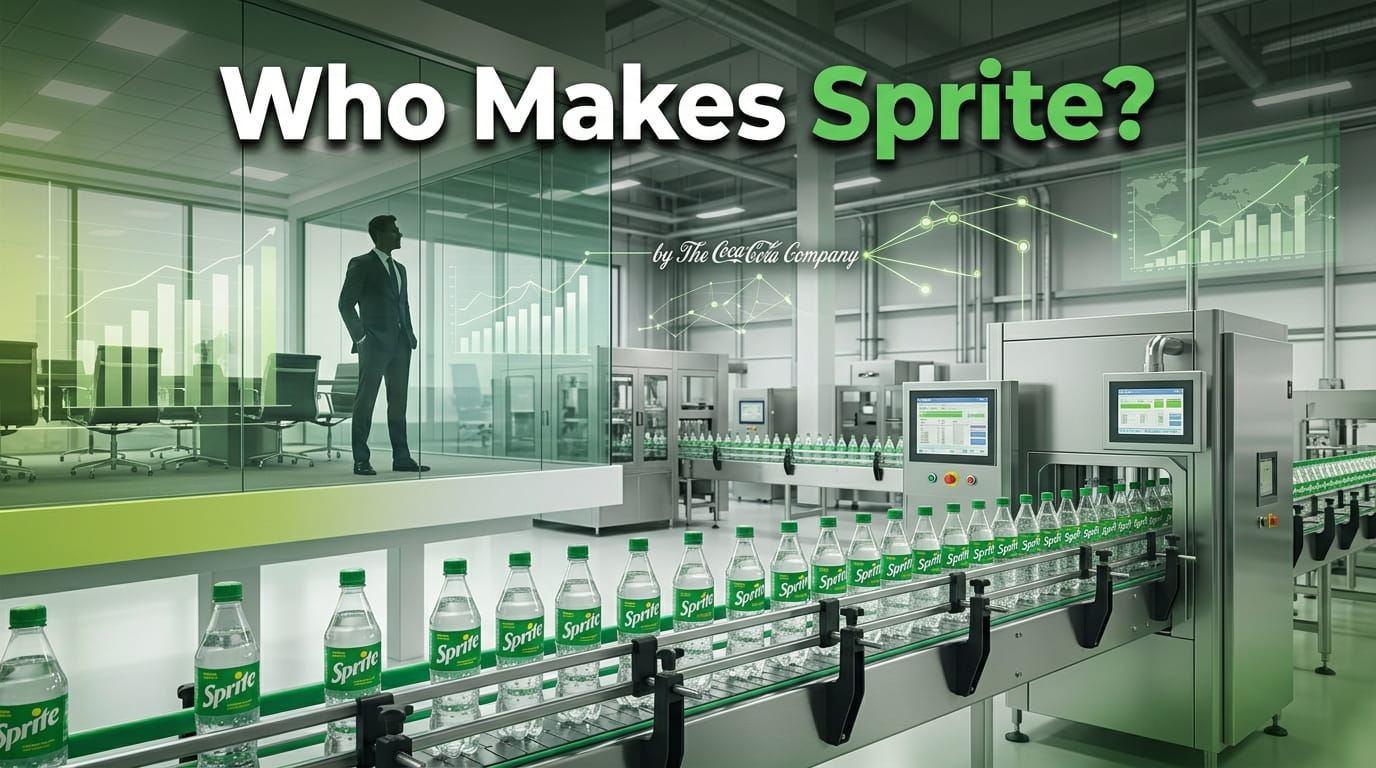
Sprite is made by The Coca-Cola Company, the Atlanta-based beverage giant that has owned and operated the brand since launching it in 1961 as a response to 7 Up and other lemon-lime sodas.
Sprite is the world’s number one lemon-lime soft drink and ranks as the third-largest carbonated soft drink brand in the United States, surpassing Pepsi in U.S. market share with approximately 8 percent of the American carbonated beverage market as of 2024 to 2025 industry data.
The Coca-Cola Company (NYSE: KO), headquartered in Atlanta, Georgia, owns the Sprite brand, concentrate formula, and trademark, while physical production of Sprite in each market is handled by a global network of independent licensed bottling partners who mix Coca-Cola’s concentrate with local carbonated water.
Knowing who makes Sprite clarifies the difference between brand ownership and physical manufacturing, a distinction that matters when consumers want to understand the full supply chain behind what they drink.
This article covers Coca-Cola’s role as Sprite’s creator and brand owner, how and where Sprite is actually bottled, the history of the brand, and how Sprite compares to 7 Up on ownership.
So let’s get started.
Table of Contents
Who Makes Sprite?
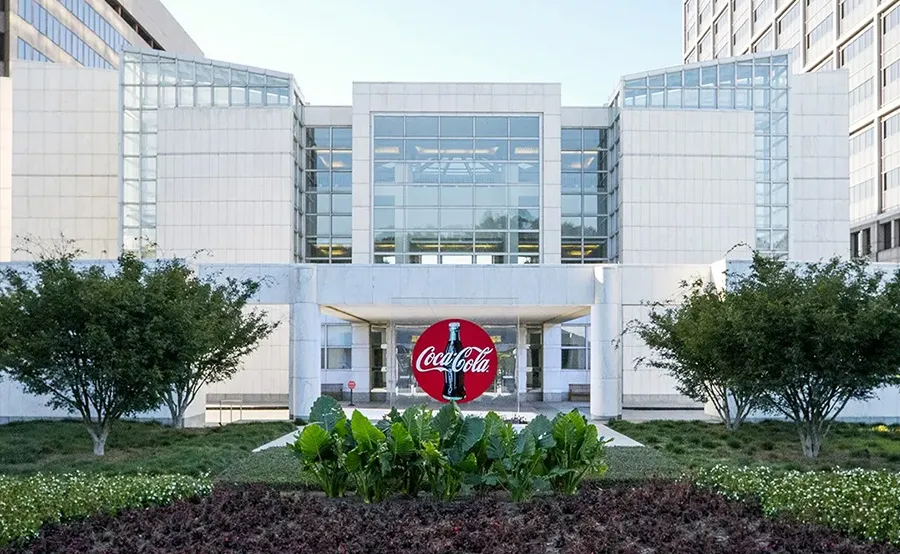
The Coca-Cola Company owns Sprite and controls every aspect of the brand, including the formula, concentrate production, marketing, and trademark protection worldwide.
According to the Sprite Wikipedia entry, the brand was introduced in 1961 and is now sold in over 190 countries, making it one of Coca-Cola’s most globally distributed products.
Coca-Cola does not bottle and distribute Sprite itself in most markets.
Instead, it sells a proprietary concentrate to licensed bottling partners, who combine it with purified carbonated water and package the finished product in cans, glass bottles, and plastic bottles for local sale.
More than 90 percent of Sprite sold in any given market is produced locally in that country by one of Coca-Cola’s bottling partners.
In the United States, major Coca-Cola bottling partners include Coca-Cola Consolidated, Reyes Coca-Cola Bottling, and other regional operators who handle production and distribution under long-term franchise agreements with The Coca-Cola Company.
Where Is Sprite Made?
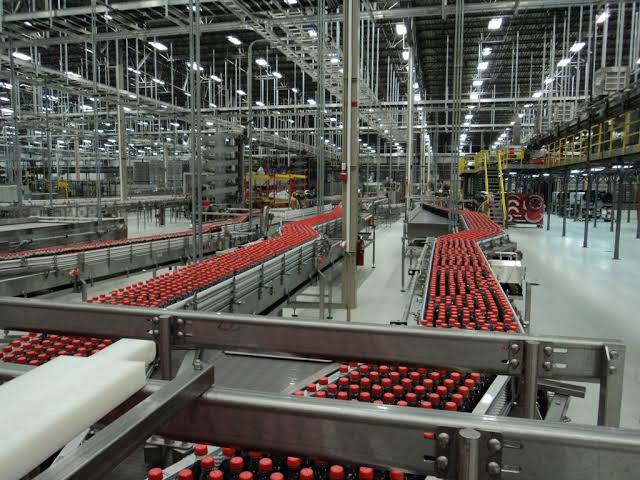
Sprite concentrate is produced by The Coca-Cola Company at its own concentrate manufacturing facilities.
The final product, the canned or bottled Sprite that consumers buy, is made locally in each country by Coca-Cola’s network of independent bottling partners. This decentralized production model is standard across all of Coca-Cola’s major brands.
In Europe, Coca-Cola Europacific Partners is the primary bottling operator, handling Sprite production across Western and Central Europe.
In Asia-Pacific, Coca-Cola Europacific Partners also operates in several markets including Australia, New Zealand, and parts of Southeast Asia.
Each regional bottler is responsible for local manufacturing, quality compliance, and distribution within its licensed territory.
The Sprite formula is standardized globally, meaning the drink tastes the same whether bottled in the United States, Germany, Japan, or Brazil. Coca-Cola enforces strict recipe compliance through its bottling agreements and regular quality audits across every market where Sprite is produced.
What Is the History of Sprite?
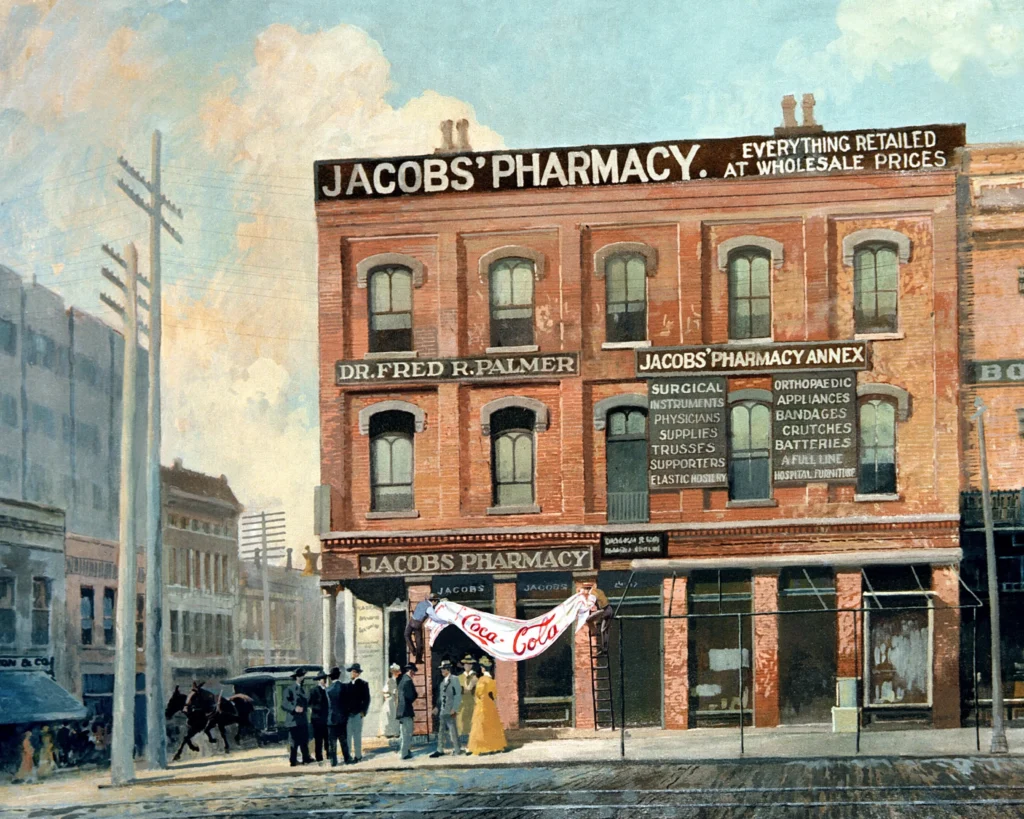
The Sprite name was first used around 1955 by a Houston-based Coca-Cola bottler for a line of flavored sodas, and Coca-Cola acquired the rights to the name in 1960.
The lemon-lime drink that consumers know today was developed in West Germany under the name Fanta Klare Zitrone before being relaunched globally as Sprite in 1961, specifically to compete against 7 Up and other citrus sodas in the U.S. market.
Sprite grew steadily through the 1970s and 1980s on the back of heavy marketing investment and its crisp, clean lemon-lime flavor profile that positioned it as a caffeine-free alternative to cola drinks.
In July 2022, Coca-Cola announced that Sprite would discontinue its iconic green plastic bottles in favor of clear plastic for sustainability reasons, as the green polyethylene terephthalate additive cannot be recycled into new bottles.
In March 2026, Coca-Cola launched a new global brand platform for Sprite called “It’s That Fresh,” rolling it out across 180 markets with updated visual identity, sonic branding, and deeper cultural partnerships in music and spicy food categories.
Sprite vs. 7 Up: Who Makes Each Brand?
Sprite and 7 Up are the two dominant lemon-lime carbonated soft drinks in the world, and they are made by rival beverage conglomerates.
Sprite is made by The Coca-Cola Company, while 7 Up in the United States is owned and produced by Keurig Dr Pepper (Nasdaq: KDP), the beverage company formed in 2018 through the merger of Keurig Green Mountain and Dr Pepper Snapple Group.
The ownership split between markets makes 7 Up more complicated than Sprite. Outside the United States, 7 Up is licensed to PepsiCo in many markets, meaning the same brand is distributed by different companies depending on the country.
Sprite, by contrast, is exclusively a Coca-Cola product in every market where it is sold, with no third-party brand licensing involved.
On market share, Sprite has significantly outpaced 7 Up in the United States in recent years, driven by Coca-Cola’s marketing scale and the strength of its bottling network.
7 Up remains competitive in certain international markets but no longer holds the dominant lemon-lime position it once had in the U.S. For other brand ownership articles in the beverage category, see Who Makes 7UP.
Does Coca-Cola Own Any Other Similar Brands?
Yes. The Coca-Cola Company owns a large portfolio of non-cola beverages that compete in adjacent categories to Sprite.
These include Fanta (fruit-flavored sodas), Schweppes (tonic water and mixers in many markets), Minute Maid (juices), Dasani (water), Powerade (sports drinks), and Simply Orange (premium juices). In 2024, Coca-Cola acquired a significant stake in sports drink brand BodyArmor, further expanding its non-cola portfolio.
Within the lemon-lime category specifically, Coca-Cola also owns Starry in the United States, a newer lemon-lime brand it launched in 2023 through its partnership with PepsiCo’s distribution network.
Starry was created to capture lemon-lime market share in fountain and convenience channels rather than to directly compete with Sprite, which remains Coca-Cola’s flagship citrus soda.
Coca-Cola’s bottling partner structure means that even brands not owned outright by The Coca-Cola Company may be distributed through its network in certain markets, making the lines between ownership and distribution sometimes difficult for consumers to trace without looking at the corporate structure directly.
Frequently Asked Questions About Sprite
Is Sprite owned by Coca-Cola?
Yes. Sprite is fully owned by The Coca-Cola Company and has been since 1960 when Coca-Cola acquired the brand name rights. Coca-Cola owns the formula, trademark, and global licensing rights for Sprite in all 190-plus countries where it is sold.
Who actually bottles Sprite?
Sprite is bottled by a global network of independent Coca-Cola licensed bottling partners, not by The Coca-Cola Company itself. Bottlers receive concentrate from Coca-Cola and mix it with local carbonated water to produce the finished product. In the U.S., bottlers include Coca-Cola Consolidated and Reyes Coca-Cola Bottling among others.
Is Sprite the same company as 7 Up?
No. Sprite is made by The Coca-Cola Company and 7 Up in the United States is owned by Keurig Dr Pepper. They are competing lemon-lime sodas from rival beverage conglomerates, though outside the U.S., 7 Up is licensed to PepsiCo in many markets.
Where is Sprite made?
Sprite is made locally in each country by Coca-Cola’s licensed bottling partners. The concentrate is produced by The Coca-Cola Company and shipped to bottlers, who produce the final drink domestically. More than 90 percent of Sprite in any given market is produced within that country.

I am Jack Neel, a mechanical engineer, researcher, and writer. I created this website to share my knowledge about different brands and products with you. I research the manufacturers behind the brands and provide you with the information you need to make smart buying decisions.