
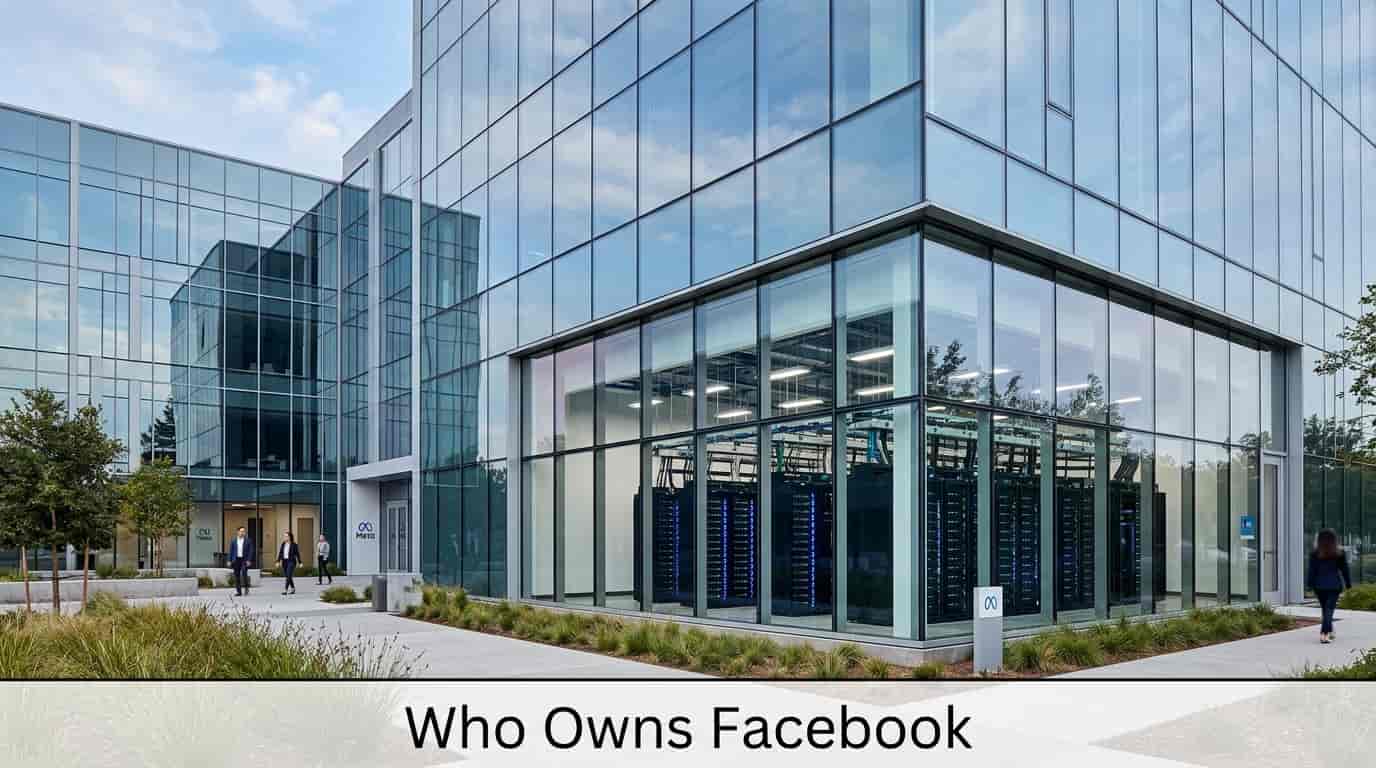
Facebook is owned by Meta Platforms, the parent company founded by Mark Zuckerberg, who has served as Chairman and CEO since he started the platform in 2004.
Facebook remains one of the largest social networks in the world, with roughly 3 billion monthly active users, even as newer platforms compete for younger audiences.
Zuckerberg controls Meta through a dual class share structure that gives him about 61 percent of total voting power, even though he owns closer to 13 percent of total shares outstanding.
So if Facebook has millions of public shareholders, how does one founder maintain so much control over the company more than two decades after it launched?
This guide covers Facebook’s ownership under Meta, its founding story, the 2021 rebrand, and whether Facebook is still worth using in 2026.
So lets get started.
Table of Contents
Facebook Ownership Under Meta Platforms
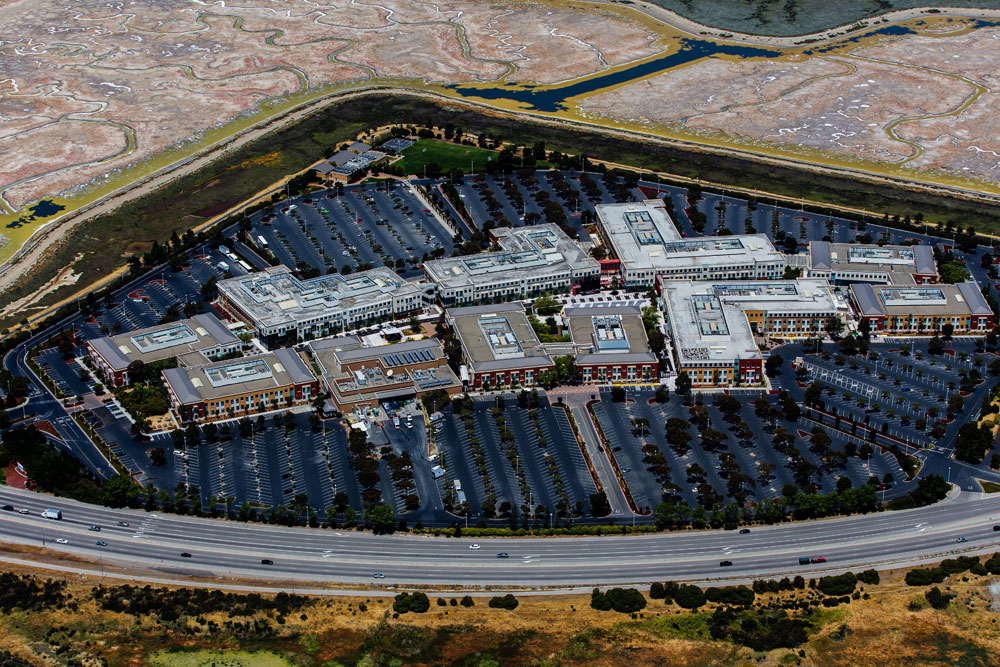
Meta’s SEC filings show that while the company is publicly traded, Zuckerberg’s Class B shares carry 10 votes each, giving him effective control over board decisions regardless of how other shareholders vote.
Vanguard Group, BlackRock, and State Street are Meta’s largest institutional shareholders, together holding around 20 percent of total shares, though their voting influence remains limited compared to Zuckerberg.
Facebook Founding Story
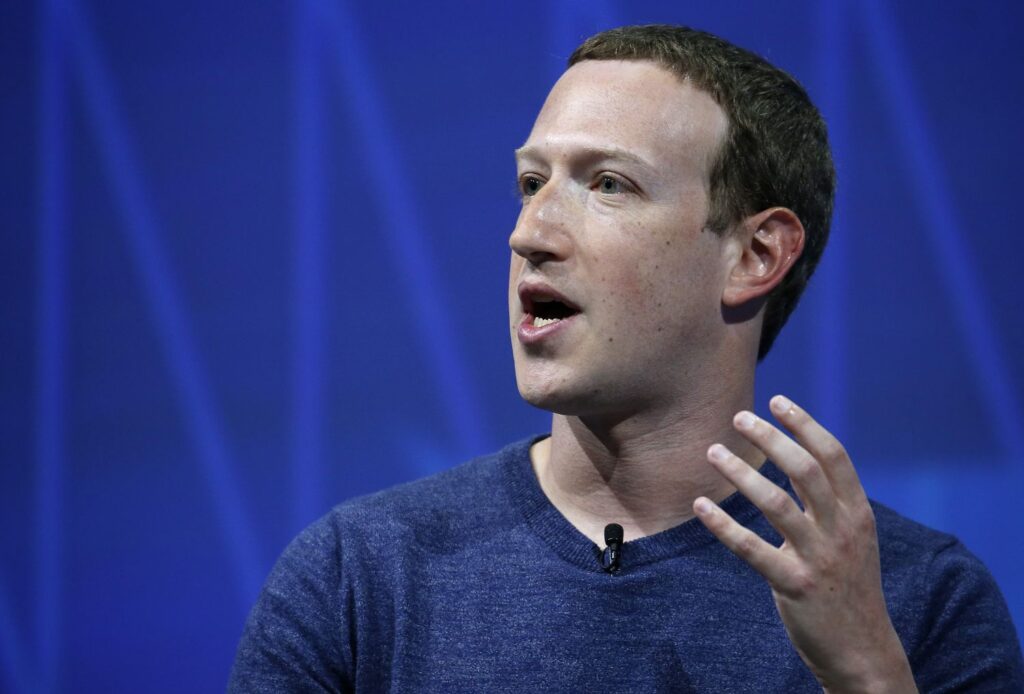
Mark Zuckerberg launched Facebook from his Harvard dorm room in February 2004, initially as a social network limited to Harvard students before expanding to other universities and eventually the general public.
Early co founders included Eduardo Saverin, Dustin Moskovitz, Andrew McCollum, and Chris Hughes, though Zuckerberg retained the largest ownership stake and control over the company’s direction from the start.
Facebook went public in May 2012 in one of the largest technology IPOs in history at the time, raising approximately 16 billion dollars.
The 2021 Rebrand To Meta
In October 2021, Facebook Inc officially changed its corporate name to Meta Platforms Inc, reflecting a strategic shift toward virtual and augmented reality products beyond the core Facebook app.
The Facebook app itself kept its name and continues to operate as one of several products under the Meta umbrella, alongside Instagram, WhatsApp, and Messenger.
Facebook Acquisition History
Facebook acquired Instagram in 2012 for approximately 1 billion dollars and WhatsApp in 2014 for approximately 19 billion dollars, two deals that dramatically expanded the company’s reach into photo sharing and messaging.
FTC antitrust litigation against Meta has specifically challenged these acquisitions, arguing they were designed to neutralize potential competitors rather than simply expand the company’s product lineup.
Facebook Leadership And Governance
Zuckerberg remains both Chairman and CEO of Meta, a dual role that shareholder advocacy groups have periodically pushed to separate, arguing it concentrates too much power in one individual.
Because of his voting control through Class B shares, these governance proposals have consistently failed at Meta’s annual shareholder meetings despite outside support.
Facebook Versus Other Social Platforms
Facebook’s user base skews older than platforms like Instagram and TikTok, with Facebook remaining particularly popular among users over 35 for staying connected with family and local community groups.
Unlike newer platforms built primarily around short video content, Facebook still emphasizes text posts, Groups, Marketplace, and event planning tools that have kept it relevant for specific use cases even as younger users spend more time elsewhere.
Is Facebook Still Worth Using
Facebook remains valuable for staying in touch with extended family, joining local community groups, and using Facebook Marketplace for buying and selling items locally.
Common criticisms include an aging user base, concerns about misinformation spreading through Groups and Pages, and ongoing scrutiny over how user data is collected and used for advertising.
Trustpilot reviews of Facebook show widespread frustration with account recovery and customer support, though the platform’s core social and marketplace features continue to see heavy daily use.
For users focused on family connections and local buying and selling, Facebook remains genuinely useful, even if it no longer feels like the cutting edge platform it was in its early years.
Frequently Asked Questions About Who Owns Facebook
Who owns Facebook in 2026?
Facebook is owned by Meta Platforms, controlled by founder Mark Zuckerberg, who holds about 61 percent of voting power through Class B shares.
When did Facebook become Meta?
Facebook Inc officially renamed itself Meta Platforms Inc in October 2021, though the Facebook app itself kept its original name.
Who founded Facebook?
Facebook was founded by Mark Zuckerberg in 2004, along with early collaborators including Eduardo Saverin, Dustin Moskovitz, and Chris Hughes.
Does Mark Zuckerberg still control Facebook?
Yes, Zuckerberg maintains effective control over Facebook and all of Meta through his majority voting stake, despite owning a minority of total company shares.
For more on Meta’s overall ownership structure, see who owns Meta.

I am Jack Neel, a mechanical engineer, researcher, and writer. I created this website to share my knowledge about different brands and products with you. I research the manufacturers behind the brands and provide you with the information you need to make smart buying decisions.