
Goldman Sachs is not owned by any single parent company. It is a publicly traded corporation, The Goldman Sachs Group Inc, listed on the New York Stock Exchange under the ticker symbol GS, and its shares are held by thousands of institutional and individual shareholders.
Goldman Sachs is one of the largest investment banks and financial services firms in the world, operating through investment banking, global banking and markets, and asset and wealth management.
The firm grew from a small commercial paper business founded in New York in 1869 into a global institution that went public through its 1999 initial public offering and now oversees more than 3 trillion dollars in assets under supervision.
So how does a firm started by one immigrant trading commercial paper end up as one of the most powerful names on Wall Street, and who actually controls it today?
This article looks at Goldman Sachs ownership structure, its largest institutional shareholders, its CEO and founder history, how its business lines and bank holding status have evolved, its retirement and investment services, and how to reach Goldman Sachs customer support.
So let us get started.
Table of Contents
Company Overview
Goldman Sachs is one of the largest investment banks and financial services firms in the world.
The firm operates through four main segments: investment banking, global banking and markets, asset and wealth management, and platform solutions.
It serves corporations, governments, institutions, and high net worth individuals rather than typical retail banking customers.
| Category | Details |
|---|---|
| Founded | 1869 |
| Founders | Marcus Goldman, later joined by Samuel Sachs |
| Headquarters | 200 West Street, New York City |
| Ownership | Publicly traded, no controlling parent |
| Stock Ticker | NYSE: GS |
| CEO | David Solomon, Chairman and CEO |
| Type | Global investment bank and financial services firm |
Ownership and Parent Company
Goldman Sachs operates as The Goldman Sachs Group Inc, a bank holding company regulated by the Federal Reserve.
There is no outside parent corporation controlling Goldman Sachs. It has been an independent, publicly traded firm since converting from a private partnership in 1999.
Its main subsidiaries include Goldman Sachs Bank USA, Goldman Sachs and Co LLC, and Goldman Sachs Asset Management, which manages investment products for institutions and individuals.
Chartered bank subsidiary
Broker dealer
Investment management arm
Public or Private, Shareholders
Goldman Sachs is a public company that trades on the New York Stock Exchange under the ticker GS.
Institutional investors hold the large majority of shares, commonly reported at close to 70 percent of total shares outstanding according to ownership data from WallStreetZen and Simply Wall St.
The largest institutional shareholders typically include Vanguard Group, BlackRock, and State Street, the same index fund managers that hold large stakes in most S&P 500 companies.
No individual or family holds a controlling stake, and CEO David Solomon owns a comparatively small personal stake typical of an executive rather than a founding owner.
CEO and Founder
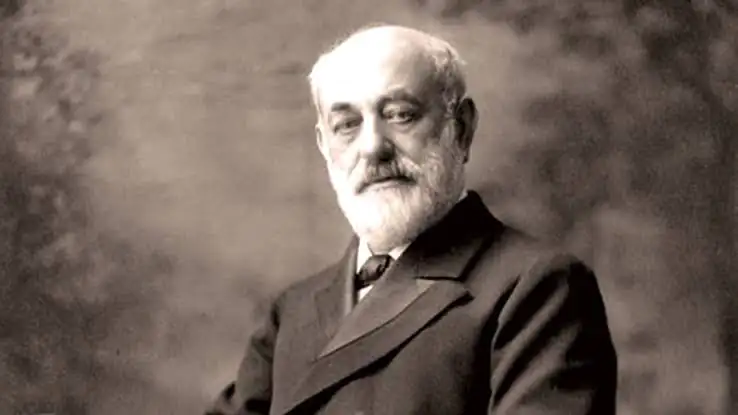
Goldman Sachs was founded in 1869 by Marcus Goldman, a German immigrant who started a commercial paper business in New York.
His son in law Samuel Sachs joined the firm shortly after, and the company was renamed Goldman Sachs and Co.
David Solomon has served as Chairman and Chief Executive Officer since October 2018, succeeding longtime CEO Lloyd Blankfein.
Solomon joined Goldman Sachs in 1999 and previously led the investment banking division before becoming president and eventually CEO.
Ownership and Acquisition History
Marcus Goldman opens a commercial paper trading business in New York.
Goldman Sachs converts from a private partnership and lists on the New York Stock Exchange.
During the financial crisis, Goldman Sachs becomes a bank holding company regulated by the Federal Reserve.
Goldman Sachs debuts Marcus by Goldman Sachs, a consumer lending and savings brand, later scaled back.
David Solomon becomes Chairman and CEO, succeeding Lloyd Blankfein.
Goldman Sachs pulls back from consumer banking to concentrate on investment banking, trading, and asset management.
Goldman Sachs reports record full year net revenues, driven by strength in investment banking and trading.
Financials: Revenue, Net Income, AUM or Valuation
Goldman Sachs is a public company and files detailed quarterly and annual results with the Securities and Exchange Commission.
The firm reported record full year net revenues for fiscal year 2025, with strong contributions from investment banking fees and global markets trading revenue, according to its official fourth quarter earnings release.
Assets under supervision across Goldman Sachs Asset Management have climbed above 3 trillion dollars in recent reporting periods, reflecting growth in both institutional and wealth management client assets.
Because quarterly results shift with market activity, readers should always check the official Goldman Sachs investor relations page for the most current audited figures before citing exact totals.
Retirement and Investment Services
Goldman Sachs Asset Management offers mutual funds, exchange traded funds, and separately managed accounts used inside individual retirement accounts and employer sponsored 401k plans.
The firm also provides institutional retirement plan services, helping companies design and administer 401k and pension investment lineups.
Through Goldman Sachs Private Wealth Management, high net worth clients receive personalized investment, estate, and retirement planning services.
Anyone weighing a 401k rollover or choosing between retirement account types should speak with a qualified financial or tax professional, since the right choice depends on individual circumstances.
For comparison with other large wealth management platforms, see our coverage of Merrill Lynch.
Customer Service and Contact Information
Goldman Sachs does not operate typical retail bank branches, so contact channels vary by division.
Individual clients of Goldman Sachs Private Wealth Management and Goldman Sachs Personal Financial Management work directly with an assigned advisor or team.
Media and general inquiries can be directed through the official contact page at goldmansachs.com, which lists current phone numbers and department contacts.
Goldman Sachs Headquarters

Goldman Sachs is headquartered at 200 West Street in Lower Manhattan, New York City.
The firm also maintains major regional hubs in cities such as London, Hong Kong, and Salt Lake City, supporting its global trading and banking operations, similar in scale to peers like Wells Fargo Advisors.
Is Goldman Sachs Worth It or Good?
For institutional and high net worth clients, Goldman Sachs carries a strong reputation for deal execution, research, and trading capability built over more than 150 years.
The firm has faced regulatory scrutiny and legal settlements over the years, including matters tied to the 1MDB scandal, which are documented in public news coverage and regulatory filings.
For everyday retail banking needs, Goldman Sachs is not the typical choice, since it largely exited direct to consumer banking after scaling back the Marcus brand.
- Deep expertise in investment banking and capital markets
- Strong institutional research and trading platform
- Well capitalized, publicly traded, and regulated as a bank holding company
- High account minimums for private wealth services
- Limited retail branch presence for everyday banking
- Past regulatory settlements tied to specific business lines
Frequently Asked Questions About Goldman Sachs
Who owns Goldman Sachs?
Goldman Sachs is publicly owned through The Goldman Sachs Group Inc, traded on the New York Stock Exchange under GS. No single company or individual controls it, and the largest shareholders are institutional investors such as Vanguard, BlackRock, and State Street.
Is Goldman Sachs a bank?
Yes. Goldman Sachs became a bank holding company in 2008 and operates Goldman Sachs Bank USA, giving it access to Federal Reserve programs and subjecting it to bank level regulatory oversight.
Who is the CEO of Goldman Sachs?
David Solomon has served as Chairman and Chief Executive Officer of Goldman Sachs since October 2018, succeeding Lloyd Blankfein.
Is Goldman Sachs publicly traded?
Yes. Goldman Sachs has been publicly traded on the New York Stock Exchange under the ticker GS since its 1999 initial public offering.
Sources
Learn more from the Goldman Sachs Wikipedia entry and the official 2025 full year and fourth quarter earnings release, or visit the official Goldman Sachs website directly.
I am Jack Neel, a mechanical engineer, researcher, and writer. I created this website to share my knowledge about different brands and products with you. I research the manufacturers behind the brands and provide you with the information you need to make smart buying decisions.