
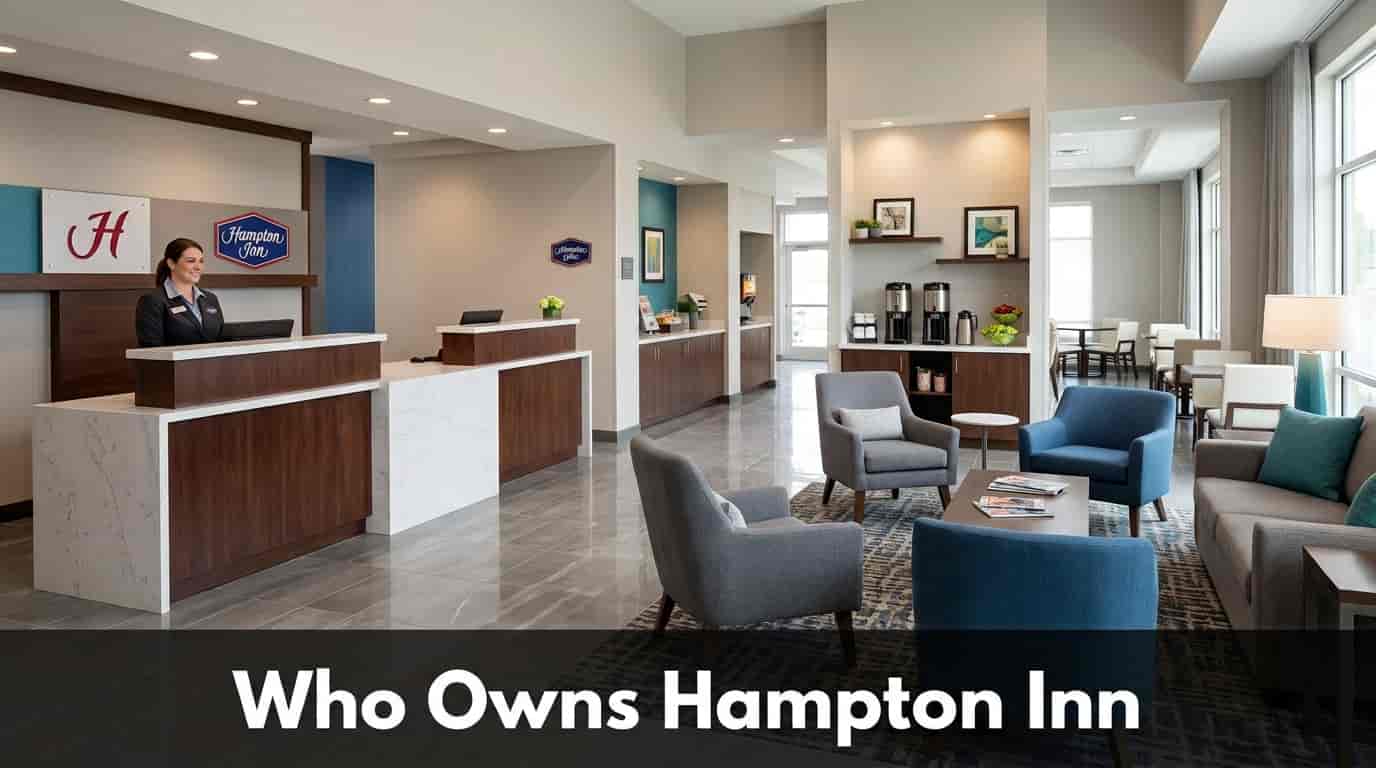
Hampton Inn is owned by Hilton Worldwide Holdings, the global hotel giant that controls the Hampton brand name, standards, and reservation system, though most individual hotels are run by independent franchisees.
Hampton Inn built its reputation as one of the most consistent midscale hotel brands in the country, known for its free breakfast, clean rooms, and satisfaction guarantee promise.
Hilton first gained control of the Hampton brand in 1999, when it acquired Promus Hotel Corporation, the company that had originally created Hampton Inn back in 1984.
So if Hilton owns the brand, who actually owns the building you check into on a road trip.
This guide will explore Hampton Inn ownership structure, the franchise model behind most locations, its founding history, and how it compares to sibling Hilton brands.
So let us get started.
Table of Contents
Who Owns Hampton Inn Right Now
Hilton Worldwide Holdings Inc owns the Hampton Inn brand, trademarks, and quality standards, operating it as one of its largest hotel chains by total location count. Brand details are listed on the official Hampton by Hilton website.
Hilton itself trades publicly on the New York Stock Exchange under the ticker HLT, meaning it is owned by shareholders rather than a single founder or family.
Over eighty percent of Hilton properties, including most Hampton Inn locations, are owned by outside franchisees who pay Hilton for the right to use the brand name and booking systems.
The Founding Story Behind Hampton Inn
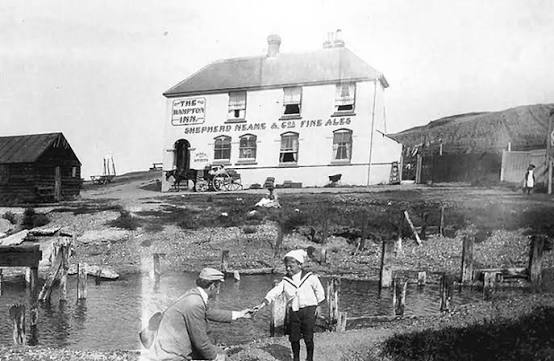
Hampton Inn launched in 1984 under Holiday Corporation, the parent company of Holiday Inn at the time, aiming to create a lower cost midscale hotel option.
Holiday Corporation later restructured into Promus Companies, which continued growing the Hampton Inn brand throughout the late 1980s and 1990s.
Hilton acquired Promus Hotel Corporation in 1999 for roughly 3.7 billion dollars, gaining control of Hampton Inn along with sister brands Homewood Suites and Embassy Suites.
How The Hilton Franchise Model Works For Hampton Inn
Hilton operates what the hotel industry calls an asset light model, meaning the company itself owns very few of the physical hotel buildings carrying its brand names.
Individual investors or hotel management companies typically own each Hampton Inn property, paying Hilton ongoing franchise fees in exchange for the brand name, reservation system, and loyalty program access.
This structure lets Hilton grow its total room count quickly without taking on the massive capital costs of building and owning every hotel itself, according to Wikipedia.
Hilton Overall Brand Portfolio And Scale
Hilton operates more than a dozen distinct hotel brands worldwide, ranging from luxury Waldorf Astoria properties down through midscale names like Hampton Inn and extended stay brands like Homewood Suites.
This wide brand ladder lets Hilton capture travelers across nearly every price point while keeping loyalty points and elite status benefits shared across the entire portfolio.
Hampton Inn remains one of the largest single brands within that portfolio by total room count, making it a major contributor to Hilton overall franchise fee revenue each year.
What Franchise Owners Pay To Run A Hampton Inn
Hampton Inn franchisees typically pay an initial franchise fee along with ongoing royalty and marketing fees calculated as a percentage of each hotel monthly room revenue.
Owners are also required to fund periodic renovations and upgrades to keep each property matching current Hampton Inn brand standards, an ongoing cost built into the franchise agreement.
In exchange, franchisees gain access to Hilton global reservation system, marketing, and the Hilton Honors loyalty program, tools that would be extremely expensive for an independent hotel to build on its own.
Hampton Inn Compared To Other Hilton Brands
Hilton runs Hampton Inn as its flagship midscale brand, positioned below premium chains like Hilton Garden Inn and DoubleTree in typical pricing.
Hampton Inn free hot breakfast and satisfaction guarantee remain two of its most recognized features compared to other budget and midscale hotel brands in the Hilton portfolio.
Travelers who want to compare Hilton midscale brand against a competing hotel company can check our guide to who owns Hyatt, which covers a rival hospitality company with a very different ownership structure.
Hampton Inn locations also participate fully in the Hilton Honors loyalty program, letting guests earn and redeem points across the entire Hilton portfolio rather than being locked into a single brand.
That shared loyalty structure is part of why many frequent travelers choose Hampton Inn specifically when they already hold Hilton Honors status from stays at other Hilton brands, and some travelers also pair hotel stays with airline rewards, similar to our guide on who issues the American Airlines credit card.
Is Hampton Inn Really Good Or Really Worth It
Hampton Inn consistently earns strong ratings in customer satisfaction surveys, largely thanks to its predictable quality standards across thousands of individually owned locations.
Common complaints in guest reviews on Trustpilot focus on inconsistent experiences between specific franchise locations, since quality can vary more by individual ownership and management than the brand itself.
Hilton satisfaction guarantee, which promises a refund or discount if a stay does not meet expectations, remains a frequently praised feature among repeat Hampton Inn guests.
For road trip travelers who want reliable, predictable midscale rooms with free breakfast, Hampton Inn remains one of the most dependable choices in its price category.
For travelers loyal to a different hotel points program, comparing Hampton Inn against similarly priced options from other chains is worth doing before booking.
Hampton Inn also frequently ranks near the top of midscale hotel brand studies from organizations like J.D. Power, largely because Hilton enforces consistent brand standards through regular franchisee inspections and renovation requirements.
Those inspections mean an underperforming franchisee can eventually lose the right to fly the Hampton Inn flag, which helps explain why quality tends to stay more consistent across this brand than at hotels with looser franchise oversight.
Renovation cycles typically run on a set schedule tied to the franchise agreement, requiring owners to periodically refresh furniture, bedding, and amenities to keep the physical hotel matching current Hampton Inn brand standards.
Frequently Asked Questions About Hampton Inn
Does Hilton Own Every Hampton Inn Building?
No. Hilton owns the brand, trademarks, and standards, but most individual Hampton Inn hotels are owned by independent franchisees.
When Did Hilton Acquire Hampton Inn?
Hilton gained control of Hampton Inn in 1999 when it acquired Promus Hotel Corporation for roughly 3.7 billion dollars.
Who Created Hampton Inn Originally?
Hampton Inn launched in 1984 under Holiday Corporation, the parent company that also owned Holiday Inn at the time.
Is Hilton A Public Company?
Yes. Hilton Worldwide Holdings trades on the New York Stock Exchange under the ticker HLT and is owned by public shareholders.

I am Jack Neel, a mechanical engineer, researcher, and writer. I created this website to share my knowledge about different brands and products with you. I research the manufacturers behind the brands and provide you with the information you need to make smart buying decisions.