
Metro by T Mobile is owned by T Mobile US, which acquired the company, then known as MetroPCS, in a deal that closed in 2013.
Metro by T Mobile built its reputation as a prepaid, no contract wireless brand aimed at budget conscious customers who still want access to a major nationwide network.
Before the T Mobile deal, MetroPCS had operated as its own independent, publicly traded wireless carrier since it launched service in 2002.
So how did an independent regional carrier end up folded entirely into one of the biggest wireless companies in the country.
This guide will explore the T Mobile acquisition of MetroPCS, the brand rename to Metro, which network it runs on today, and whether the service is worth using in 2026.
So let us get started.
Table of Contents
Who Owns Metro By T Mobile Right Now

T Mobile US owns Metro by T Mobile outright, operating it as its primary prepaid brand alongside its flagship postpaid service. Current plans are listed on the official Metro by T Mobile website.
Metro runs entirely on the T Mobile network today, giving prepaid customers access to the same 5G towers used by full price T Mobile subscribers.
Unlike some prepaid brands that operate as a separate legal entity, Metro functions as a direct division of T Mobile US rather than an independently run subsidiary.
The MetroPCS Story Before T Mobile
MetroPCS was founded in 1994 by Roger Linquist and Malcolm Lorang, and the company launched its first commercial wireless service in Texas in 2002.
MetroPCS grew by building out its own regional network infrastructure in major metro areas, offering flat rate, no contract plans years before that pricing model became common industry wide.
The company went public and expanded into dozens of markets on its own before eventually agreeing to combine with T Mobile.
How The T Mobile And MetroPCS Deal Came Together
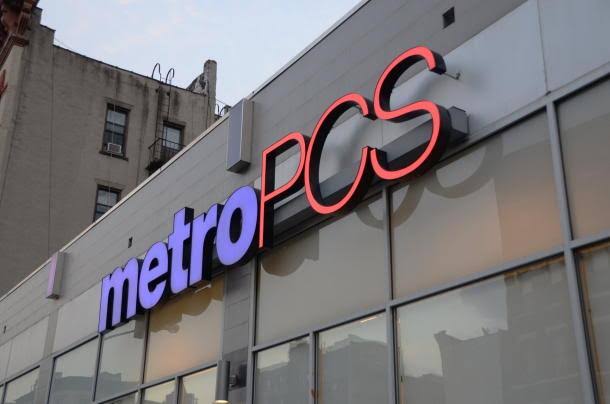
T Mobile USA and MetroPCS Communications completed their business combination on April 30 2013, structured as a reverse merger that made MetroPCS shareholders partial owners of the newly combined T Mobile US, according to Wikipedia.
The deal gave T Mobile an instant, established prepaid customer base and network assets in key metro markets without having to build a prepaid brand from nothing.
T Mobile initially kept running MetroPCS as a separate branded subsidiary before folding it more directly into the parent company over the following years.
Why MetroPCS Became Metro By T Mobile
In September 2018, T Mobile rebranded MetroPCS as Metro by T Mobile, dropping the old PCS name entirely and tying the brand directly to its parent company.
The rebrand also came with a shift toward T Mobile own network entirely, phasing out the older MetroPCS specific network infrastructure in many markets.
Today the Metro name signals to shoppers that they are getting T Mobile coverage at a lower prepaid price point, rather than a separate regional network.
How Metro By T Mobile Fits Into T Mobile Overall Business
T Mobile uses Metro as its main entry point for customers who want a lower monthly bill without giving up access to the full nationwide T Mobile network.
The brand also plays a role in T Mobile competitive strategy against similar prepaid offerings from Verizon and AT&T, both of which run their own budget branded services.
Because Metro shares infrastructure directly with T Mobile main network, upgrades and coverage expansions generally reach Metro customers at the same time as full price subscribers.
Metro By T Mobile Compared To Other Prepaid Brands
T Mobile also owns Mint Mobile, a separate prepaid brand it acquired in 2023. Our guide to who owns Mint Mobile explains how that carrier fits alongside Metro under the same parent company.
Metro tends to focus on retail store availability and family plan discounts, while Mint Mobile leans on online only sales and bulk prepaid pricing for lighter data users.
Outside the T Mobile family, other carriers like the one covered in our guide to who owns Visible take a similar prepaid approach but run on the Verizon network instead.
Is Metro By T Mobile Really Good Or Really Worth It
Metro by T Mobile earns a mixed rating on Trustpilot, though customers get access to the same towers as full price T Mobile plans and generally solid coverage.
Common complaints in customer reviews focus on customer service wait times at individual retail locations and data deprioritization during network congestion, a standard tradeoff for prepaid plans industry wide.
Long time customers often highlight the value of family plan discounts and included streaming perks on higher tier Metro plans.
For budget minded shoppers who want reliable T Mobile coverage without a long term contract, Metro remains one of the more competitive prepaid options available.
For anyone who rarely visits a physical store, comparing Metro against fully online prepaid brands under the same parent company can sometimes turn up a better price.
Metro also offers its own lineup of budget and midrange phones alongside financing options, which helps the brand compete directly with other prepaid carriers that rely more heavily on bring your own phone customers.
Metro branded stores today are largely run by independent authorized dealers, similar to how many major carriers structure their retail footprint, though T Mobile still owns the network and brand itself.
Frequently Asked Questions About Metro By T Mobile
Is Metro By T Mobile The Same As MetroPCS?
Yes. MetroPCS was rebranded as Metro by T Mobile in September 2018 after years of operating as a T Mobile owned subsidiary.
When Did T Mobile Buy MetroPCS?
T Mobile completed its business combination with MetroPCS on April 30 2013.
Does Metro By T Mobile Use Its Own Network?
No. Metro by T Mobile now runs entirely on the T Mobile network rather than any separate infrastructure.
Is Metro By T Mobile Owned By The Same Company As Mint Mobile?
Yes. T Mobile US owns both Metro by T Mobile and Mint Mobile, running them as separate prepaid brands under the same parent company.

I am Jack Neel, a mechanical engineer, researcher, and writer. I created this website to share my knowledge about different brands and products with you. I research the manufacturers behind the brands and provide you with the information you need to make smart buying decisions.