

Starlink is owned by SpaceX, the rocket and satellite company controlled by Elon Musk, who holds roughly 42 percent equity and more than 80 percent of total voting power through a dual class share structure.
Starlink built its reputation as the largest satellite internet constellation ever launched, delivering broadband access to rural and hard to reach areas where traditional cable or fiber service never expanded.
Starlink operates as a division within SpaceX rather than a separately incorporated company, meaning every satellite, ground station, and customer contract legally belongs to the parent rocket company.
So how does a company built to launch rockets end up running one of the biggest internet providers in the world.
This guide will explore how Starlink fits inside SpaceX, Elon Musk actual ownership stake, the company recent public listing, and how Starlink compares to traditional broadband providers.
So let us get started.
Table of Contents
Who Owns Starlink Right Now
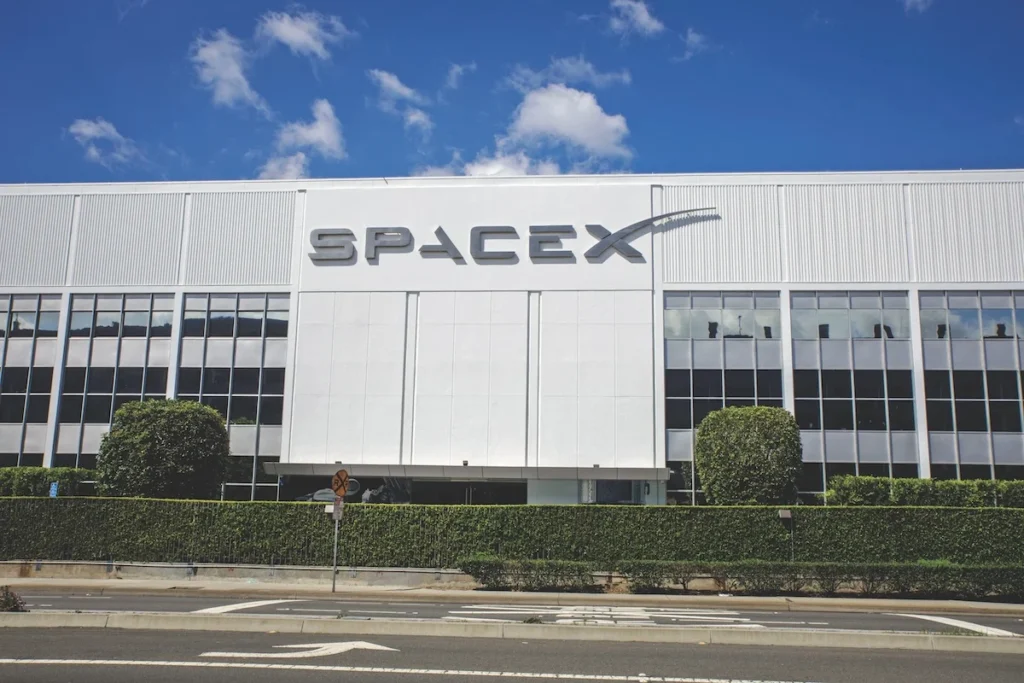
SpaceX owns Starlink outright, running the satellite internet service as an internal division rather than a spun off subsidiary. Current plans and coverage maps are listed on the official Starlink website.
Because Starlink is not separately incorporated, there is no distinct Starlink stock or ownership structure apart from SpaceX itself.
SpaceX began trading publicly on Nasdaq under the ticker SPCX in June 2026, giving outside investors their first direct opportunity to own a piece of the company, including its Starlink division.
How Much Of SpaceX Does Elon Musk Actually Own
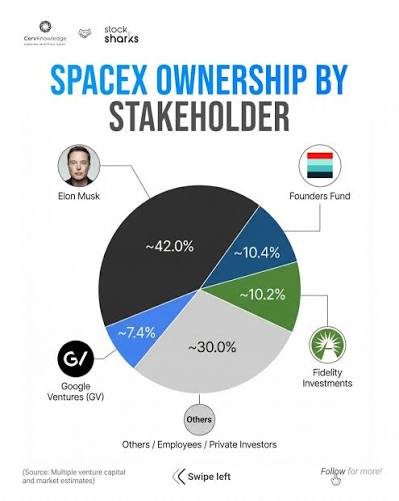
Elon Musk holds roughly 42 percent of SpaceX total equity, along with more than 80 percent of voting power through a dual class share structure.
SpaceX issues Class A shares carrying one vote each and Class B shares carrying ten votes each, and Musk holds a large block of both share classes, giving him firm control over company decisions.
This voting structure means Musk keeps decisive control over Starlink strategy and pricing even as outside investors and now public shareholders hold a meaningful chunk of the overall equity, according to Wikipedia.
Why Starlink Stayed Inside SpaceX Instead Of Spinning Off
Keeping Starlink as a division rather than a separate company lets SpaceX use satellite internet revenue to help fund its rocket launch and space exploration ambitions directly.
Starlink has grown into one of SpaceX largest revenue sources, crossing 12 million active subscribers across more than 160 countries by June 2026, according to industry revenue estimates.
Musk has occasionally discussed a possible future public listing specifically for Starlink, though as of 2026 it remains bundled with the broader SpaceX business rather than trading separately.
SpaceX Public Listing And What It Means For Starlink
SpaceX began trading publicly on Nasdaq under the ticker SPCX in June 2026, a major milestone for a company that had operated as privately held since its founding in 2002.
The public listing gives investors indirect exposure to Starlink growth without a dedicated Starlink stock existing on its own.
Analysts have pointed to Starlink rapid subscriber growth as one of the key value drivers behind investor interest in the broader SpaceX public offering.
Starlink Growth And Global Subscriber Numbers
Starlink subscriber base grew from roughly 4.6 million at the end of 2024 to well over 10 million by early 2026, one of the fastest growth curves of any internet provider in history.
That rapid growth has come partly from expansion into price sensitive markets across Africa and South East Asia, where Starlink is often the only reliable broadband option available at any price.
Other satellite and wireless internet providers, including budget wireless carriers covered in our guide to who owns Visible, compete for some of the same rural and value focused customers Starlink increasingly targets.
Starlink Compared To Traditional Broadband And Cable Providers
Unlike cable and fiber companies that depend on physical wired infrastructure, Starlink delivers internet directly from orbit, letting it reach areas that traditional providers have never built out to.
Our guide to who owns Spectrum covers one of the largest traditional cable internet providers that Starlink increasingly competes against in rural and suburban markets.
Starlink pricing tends to run higher than typical cable internet plans, but its availability in areas with no other broadband option remains its biggest competitive advantage.
Average revenue per Starlink user has actually declined even as subscriber counts climb, falling from close to 99 dollars a month in 2023 to around 66 dollars a month in early 2026, reflecting that broader push into lower income markets worldwide.
Is Starlink Really Good Or Really Worth It
Starlink earns strong praise from rural customers who previously had no reliable broadband option, with many reviewers describing it as a genuine improvement over satellite competitors or slow rural DSL service.
Common complaints in customer reviews mention higher monthly costs compared to urban cable plans and occasional speed drops during periods of heavy network congestion in a given area.
Business and remote work customers frequently cite Starlink reliability as a major upgrade over older satellite internet providers that struggled with high latency and frequent outages.
For rural households with no cable or fiber option nearby, Starlink remains one of the best available choices despite its higher price point.
For urban and suburban customers who already have access to fiber or cable, traditional wired broadband is generally still faster and cheaper than switching to Starlink.
SpaceX has continued launching new generations of Starlink satellites, including larger versions carried aboard its Starship rocket, aiming to expand capacity and reduce latency even further for existing and future customers.
Those satellite upgrades are part of why analysts expect Starlink revenue to keep climbing even as pricing continues shifting toward lower cost international markets.
Frequently Asked Questions About Starlink
Is Starlink A Separate Company From SpaceX?
No. Starlink operates as a division within SpaceX rather than a separately incorporated company.
Can I Buy Starlink Stock Directly?
No. There is no separate Starlink stock. Investors can only gain exposure through SpaceX shares, which began trading publicly on Nasdaq in June 2026.
How Much Of SpaceX Does Elon Musk Control?
Musk holds roughly 42 percent of SpaceX equity and more than 80 percent of total voting power through a dual class share structure.
When Did SpaceX Go Public?
SpaceX began trading publicly on Nasdaq under the ticker SPCX in June 2026.

I am Jack Neel, a mechanical engineer, researcher, and writer. I created this website to share my knowledge about different brands and products with you. I research the manufacturers behind the brands and provide you with the information you need to make smart buying decisions.