
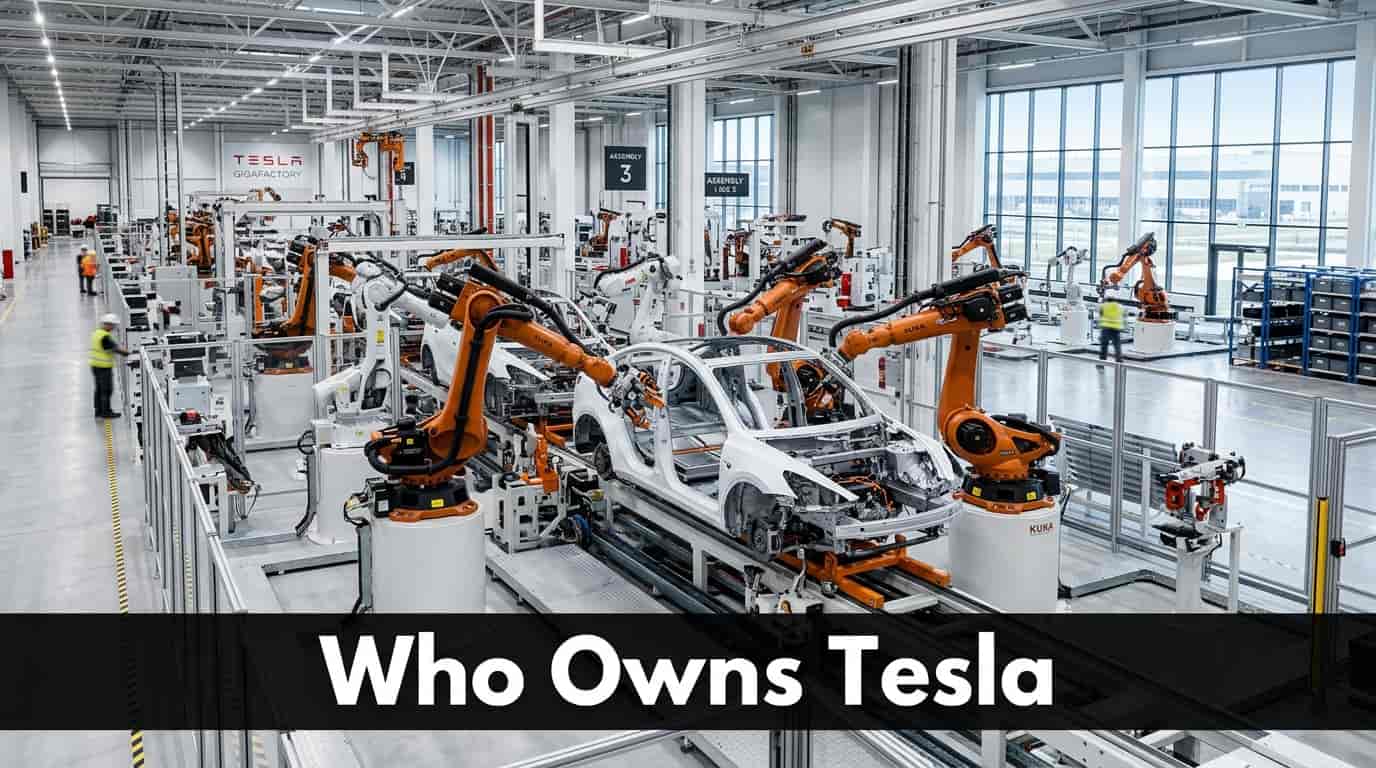
Tesla is a publicly traded company controlled by CEO Elon Musk, who owns roughly 20 percent of outstanding shares, making him by far the largest individual shareholder.
Tesla is the leading electric vehicle manufacturer in the United States, also producing energy storage products and solar technology alongside its lineup of electric cars.
Musk’s ownership stake has fluctuated over the years due to large stock option exercises, occasional share sales, and an enormous 2025 pay package tied to ambitious company performance targets.
So how much control does Musk actually have over Tesla compared to the company’s other shareholders?
This guide covers Tesla’s ownership structure, how much stock Musk personally holds, its largest institutional shareholders, and whether Tesla vehicles are still worth buying in 2026.
So lets get started.
Table of Contents
Elon Musk Ownership Stake In Tesla
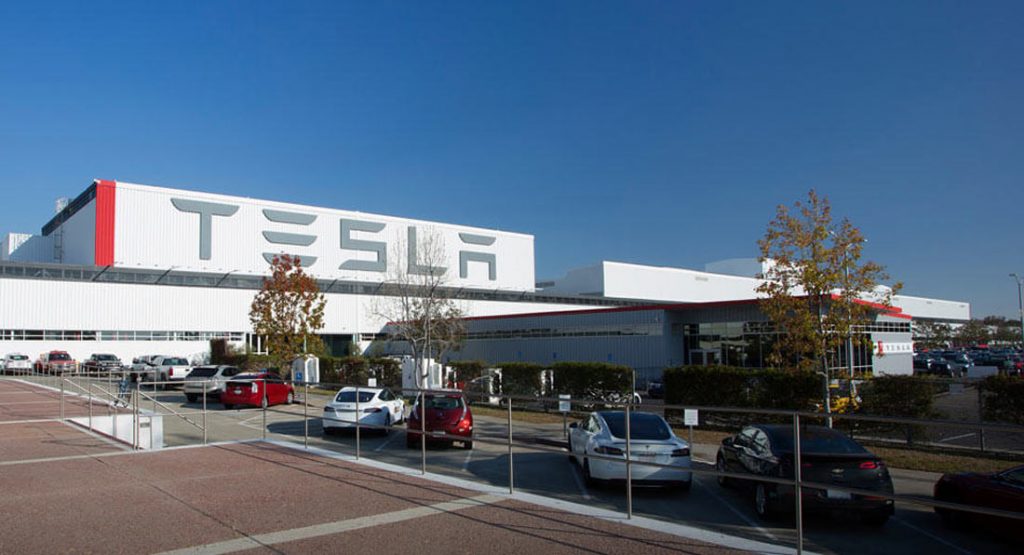
Tesla’s SEC filings show Musk holding roughly 717 million shares as of early 2026, a stake that has grown through option exercises tied to his performance based compensation packages.
While reports on the exact percentage vary depending on when options are counted, most estimates place Musk’s Tesla ownership between 20 and 28 percent of the company’s total shares outstanding.
Tesla Founding History
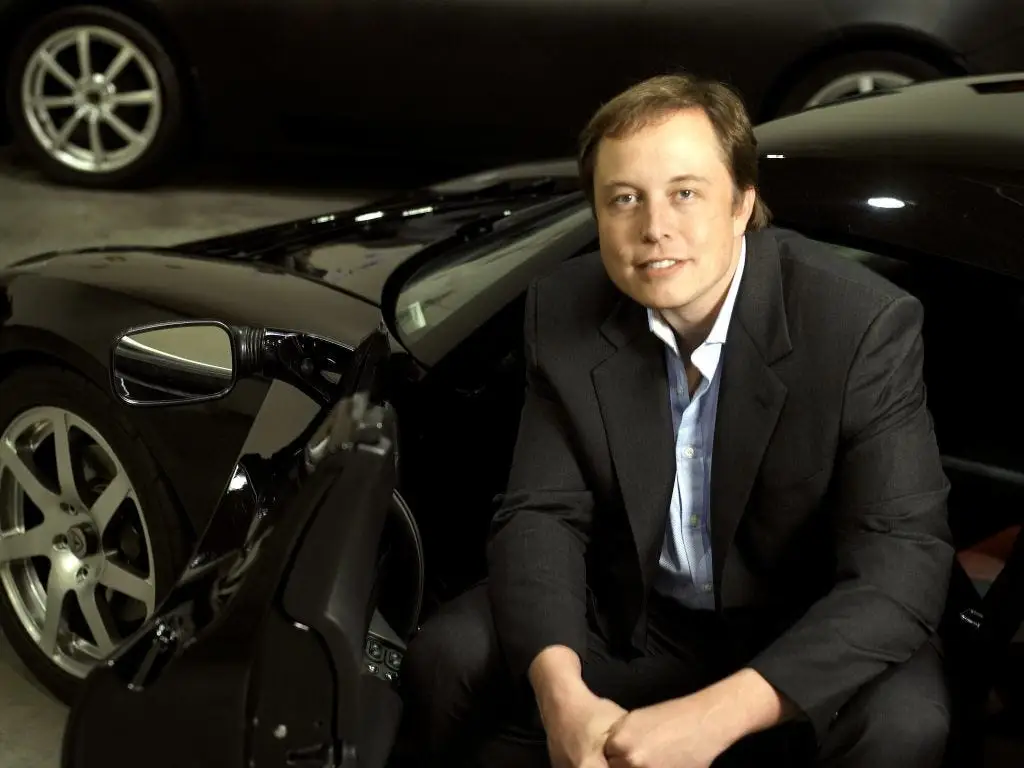
Tesla was founded in 2003 by Martin Eberhard and Marc Tarpenning, with Elon Musk joining shortly after as an early investor and chairman before eventually becoming CEO in 2008.
Musk has since been widely credited as Tesla’s primary public face and driving force, though the company’s founding predates his direct involvement by several months.
Elon Musk 2025 Pay Package
Tesla shareholders approved a massive new compensation package for Musk in 2025, tied to the company hitting ambitious valuation and operational milestones over the coming decade.
Financial coverage of the vote noted that the package could eventually make Musk one of the wealthiest individuals in history if Tesla achieves the specific targets tied to the award.
Some shareholders and governance groups opposed the package, arguing it was excessive, though the proposal ultimately passed with strong support from the majority of voting shareholders.
Largest Institutional Shareholders Of Tesla
Vanguard Group is Tesla’s largest institutional shareholder outside of Musk, holding approximately 6.1 percent of outstanding shares, followed by BlackRock and State Street.
These institutional investors hold Tesla shares primarily through index funds, meaning their influence over company decisions is generally more limited than an activist investor with a concentrated stake.
Tesla Board Of Directors And Governance
Tesla’s board includes figures like Robyn Denholm, who has served as chair since 2018, overseeing governance matters and executive compensation decisions on behalf of shareholders.
Musk’s outsized influence, driven both by his large ownership stake and his public visibility, has occasionally drawn scrutiny from governance experts who question how independently the board can act on matters directly affecting Musk personally.
Tesla Versus Other Automakers
Unlike traditional automakers such as Jeep parent company Stellantis, Tesla has no dual class share structure, meaning Musk’s influence comes purely from the sheer size of his ownership stake rather than special voting shares.
This makes Musk’s position at Tesla somewhat different from founders like Mark Zuckerberg at Meta, who maintains control primarily through supervoting shares rather than raw economic ownership.
Are Tesla Cars Worth Buying
Tesla vehicles are frequently praised for performance, software updates, and access to the company’s extensive Supercharger network, which remains one of the most developed charging networks in the industry.
Common criticisms include panel gap and build quality complaints, along with concerns over service center availability and repair wait times in certain regions.
Consumer Reports reliability surveys have historically ranked Tesla below average on build quality, even as the brand consistently scores well on performance and technology categories.
For buyers prioritizing technology and charging convenience, Tesla remains a strong option, though shoppers focused purely on build quality may want to compare closely against more established automakers before deciding.
Frequently Asked Questions About Who Owns Tesla
Who owns Tesla in 2026?
Tesla is controlled by CEO Elon Musk, who owns roughly 20 percent of outstanding shares, making him by far the largest individual shareholder.
Did Elon Musk found Tesla?
Tesla was founded in 2003 by Martin Eberhard and Marc Tarpenning, with Musk joining shortly after as an early investor before becoming CEO in 2008.
How much of Tesla does Elon Musk own?
Estimates place Musk’s Tesla ownership between roughly 20 and 28 percent of total shares outstanding, depending on how unexercised stock options are counted.
Who are Tesla’s other major shareholders?
Vanguard Group is Tesla’s largest institutional shareholder outside of Musk, followed by BlackRock and State Street, each holding a mid single digit percentage of shares.
For a look at another major automaker’s ownership structure, see who owns Jeep.

I am Jack Neel, a mechanical engineer, researcher, and writer. I created this website to share my knowledge about different brands and products with you. I research the manufacturers behind the brands and provide you with the information you need to make smart buying decisions.