
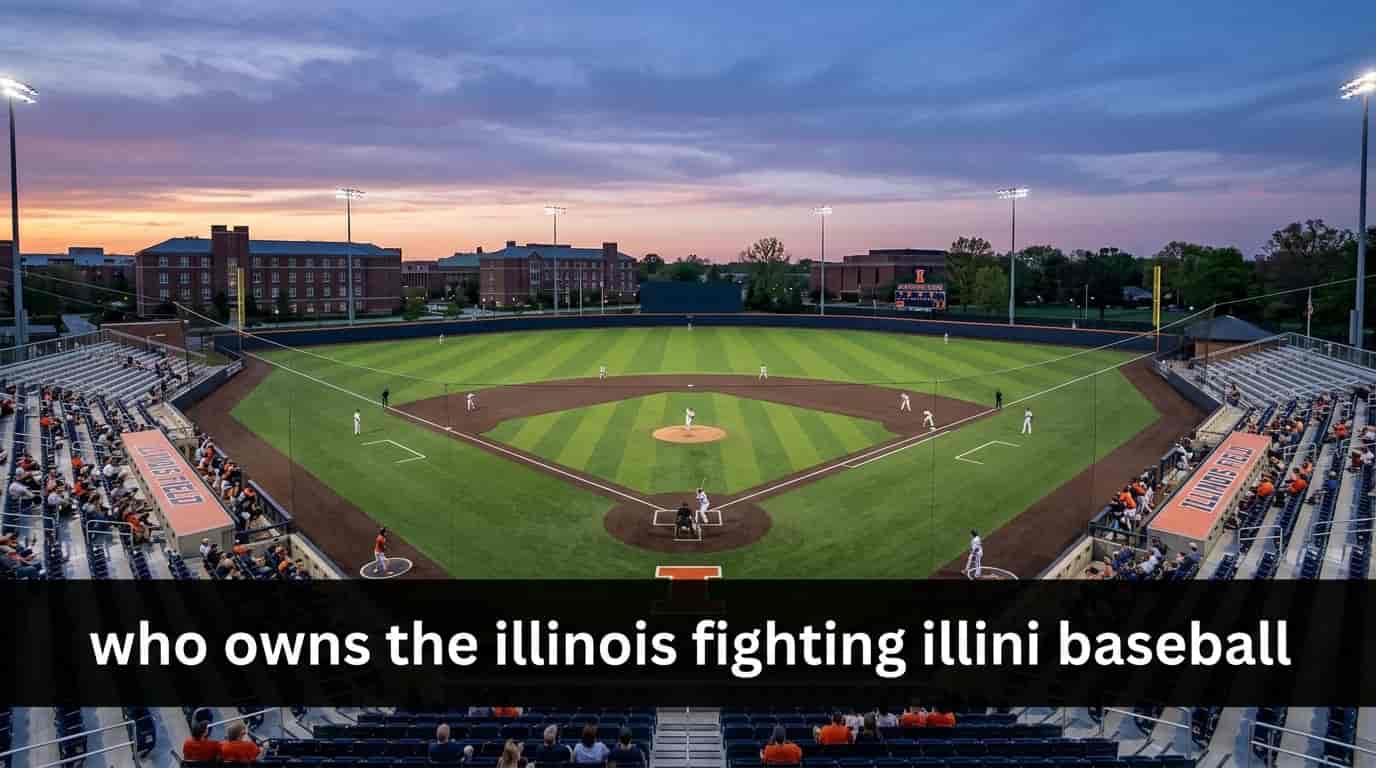
The Illinois Fighting Illini baseball program is one of the oldest college baseball programs in the Big Ten Conference, and fans searching for its owner often expect to find a billionaire or a private company behind the scenes.
That is not how college athletics works. Illinois Fighting Illini baseball is not privately owned at all. It is a program run by a public university, funded through the school and its athletic department, and overseen by an elected board.
This article breaks down exactly who governs the program, who funds it, who coaches it, and how decisions about its future actually get made in 2026.
We will also look at the program history, the coaching staff, the conference it plays in, and the pressures created by the new era of revenue sharing in college sports.
So if you assumed a wealthy family or a corporation controls this team, get ready for a very different answer.
| Program | Illinois Fighting Illini Baseball |
| Governing Institution | University of Illinois Urbana Champaign |
| Athletic Director | Josh Whitman |
| Head Coach | Dan Hartleb |
| Conference | Big Ten Conference |
| Founded | 1881 |
| Home Stadium | Illinois Field |
| Ownership Type | Public University Athletic Department / Board of Trustees |
Table of Contents
What Governing Illinois Fighting Illini Baseball Actually Means
There is no owner in the traditional sense here. The University of Illinois Urbana Champaign is a public institution funded by the State of Illinois, student tuition, donors, and athletic revenue.
The baseball program sits inside the athletic department, which itself sits inside the university. Every major decision, from the athletic budget to facility upgrades, ultimately flows through the same public governance chain.
That means taxpayers, alumni, and students all have an indirect stake in the program, even though none of them holds a private equity stake in it the way an NFL owner might hold a franchise.
University of Illinois Urbana Champaign: The Public Institution Behind The Program
Founded in 1867, the University of Illinois Urbana Champaign is the flagship campus of the University of Illinois System, based in the twin cities of Champaign and Urbana, Illinois.
As a land grant research university, it operates under a public charter, meaning its finances, land, and major policy decisions are subject to oversight that a private college does not face.
According to Wikipedia, the athletic teams compete under the Fighting Illini name across the Big Ten Conference, with baseball being one of the longest running programs on campus.
How The Ownership And Governance Structure Works
The chain of authority for Illinois Fighting Illini baseball starts at the top with the University of Illinois Board of Trustees and flows downward to the coaching staff on the field.
Campus and system leadership
Director of Athletics
Head Baseball Coach
Pitching, hitting, and recruiting
Roster and team operations
Trustees are appointed and elected officials responsible for the entire university system, not just athletics, so their involvement in baseball is limited to broad budget and policy approval rather than day to day management.
Meet Athletic Director Josh Whitman And His Role
Josh Whitman serves as the Director of Athletics at the University of Illinois Urbana Champaign, a role he has held since 2016 according to the school’s own staff directory.
Whitman oversees every varsity sport on campus, including baseball, and reports directly to the Chancellor. His office manages budgets, hiring of head coaches, facility planning, and compliance with Big Ten and NCAA rules.
He is effectively the closest thing this program has to a chief executive, though he answers to university leadership rather than a private ownership group.
Head Coach Dan Hartleb And The Program He Built
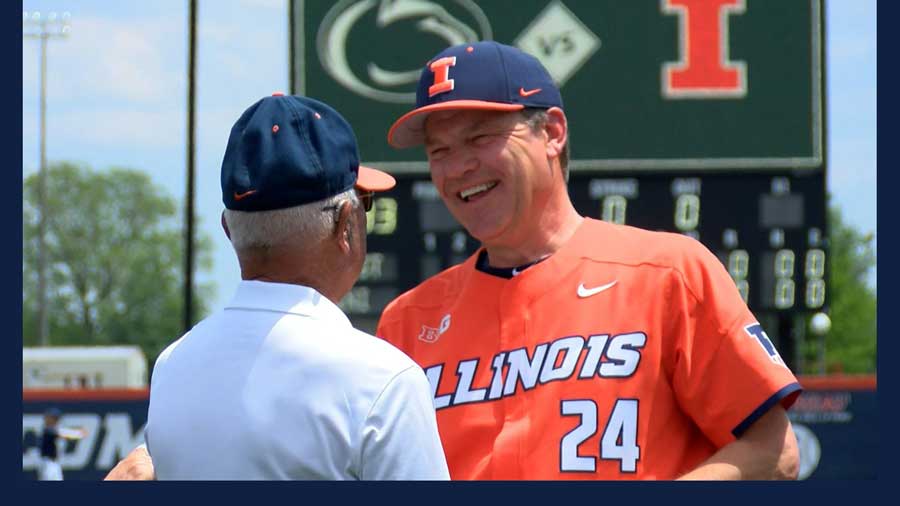
Dan Hartleb has served as head coach of Illinois Fighting Illini baseball since he was hired in June 2005, making him one of the longest tenured coaches in the Big Ten.
He is the winningest coach in program history, with career totals well past 600 wins, and he has guided the Illini to three Big Ten regular season titles, including a championship in 2024.
Under Hartleb, Illinois has reached the NCAA Tournament multiple times and advanced to a Super Regional in 2015, a season that also produced a school record win total and a Big Ten record winning streak.
Full details on his career are listed on the university’s own coaching staff page.
A Timeline Of Illinois Fighting Illini Baseball History
The program has a long and layered history that stretches from the nineteenth century to the modern era of paid student athletes.
Organized baseball at the University of Illinois takes shape in the early 1880s.
The mascot figure debuts and later becomes a source of national debate.
Dan Hartleb takes over as head coach and begins building a top Big Ten program.
The University of Illinois Board of Trustees retires Chief Illiniwek following years of concern over Native American imagery.
Illinois posts a school record win total and reaches the NCAA Super Regional round.
The Illini claim another Big Ten regular season title under Hartleb.
The approved House settlement allows Illinois to directly pay student athletes for the first time.
The Fighting Illini Name And Chief Illiniwek: Understanding The Background
Any conversation about who runs this program has to include some background on its identity. From 1926 until 2007, a student performer portrayed Chief Illiniwek at events, wearing regalia that critics noted was not accurate to the actual Illinois Confederation.
Native American organizations and educators raised concerns for decades, and in 2005 the NCAA listed the mascot among names it considered hostile or abusive, which limited the university’s ability to host postseason events.
In February 2007, the University of Illinois Board of Trustees retired the figure permanently. The last performance took place at a men’s basketball game against Michigan.
Importantly, the NCAA drew a distinction between the mascot and the team name itself. Because Illini and Fighting Illini refer to the state’s name rather than a specific tribe, the university kept both names for its baseball team and every other sport.
Is Illinois Doing A Good Job Running The Fighting Illini Baseball Program: Is The Investment Really Worth It
On the positive side, the program has been remarkably stable. Hartleb has produced nineteen winning seasons out of twenty one, three Big Ten titles, and dozens of players who moved on to professional baseball.
That kind of consistency is rare in college sports, and it has helped the athletic department justify continued investment in facilities and recruiting at Illinois Field.
On the other side, baseball is not a revenue sport at most Big Ten schools, football and basketball generate the vast majority of ticket and media income, which means baseball often competes for a smaller share of the athletic budget.
Facilities at Illinois Field are also smaller than some newer Big Ten ballparks, and boosters have periodically pushed for renovations that have been slow to materialize given competing priorities across the department.
Overall, most observers would call the investment worthwhile given the on field results, though it remains a modest line item compared to the resources poured into the football and basketball programs.
How Is Illinois Baseball Funded In The New Era Of College Sports
Funding for the program comes from a mix of state support, ticket sales, conference media distributions, donor gifts, and licensing revenue shared across the athletic department.
The House settlement, approved in 2025, changed the funding picture significantly. Big Ten schools including Illinois can now share athletic revenue directly with student athletes, up to a cap of roughly twenty million dollars per year across all sports.
Because football and basketball tend to absorb most of that pool, baseball programs across the conference are adjusting name, image, and likeness deals and roster spending carefully to stay competitive without overspending.
Could The Illinois Fighting Illini Baseball Program Leave The Big Ten In 2026
There is no credible evidence that Illinois plans to leave the Big Ten Conference. The conference has been remarkably stable and Illinois has been a member since the league’s earliest days.
The more realistic pressure facing the program is financial rather than geographic. As schools navigate revenue sharing obligations under the House settlement, athletic departments are reassessing budgets across every sport, baseball included.
For now, the bigger question is not which conference Illinois plays in, but how the athletic department balances new payments to athletes against traditional funding for facilities, staff, and travel in baseball and every other Olympic sport on campus.
For comparison, professional teams in the same state face very different ownership pressures. See our breakdowns of the Chicago Cubs ownership and the Chicago White Sox ownership for how private franchises operate compared to a public university program.
Frequently Asked Questions About Illinois Fighting Illini Baseball Ownership
Who owns the Illinois Fighting Illini Baseball program
No private individual or company owns the team. It is operated by the University of Illinois Urbana Champaign, a public institution overseen by the University of Illinois Board of Trustees.
Who is the Illinois baseball head coach
Dan Hartleb has led the program since 2005 and is the winningest coach in its history, with three Big Ten titles to his name.
How is Illinois baseball funded
The program is funded through the athletic department budget, which draws on ticket sales, conference distributions, donations, and, since 2025, direct revenue sharing payments to athletes under the House settlement.
Does Illinois still use the Chief Illiniwek mascot
No. The University of Illinois Board of Trustees retired Chief Illiniwek in February 2007, though the school retained the Fighting Illini team name, which the NCAA has confirmed does not fall under its mascot restrictions.

I am Jack Neel, a mechanical engineer, researcher, and writer. I created this website to share my knowledge about different brands and products with you. I research the manufacturers behind the brands and provide you with the information you need to make smart buying decisions.