
YouTube is owned by Google, which sits inside the publicly traded parent company Alphabet Inc, after Google acquired the video platform in 2006 for 1.65 billion dollars.
YouTube built its reputation as the largest video sharing platform in the world, hosting everything from music videos and gaming streams to full length movies and educational content.
Three former PayPal employees, Steve Chen, Chad Hurley, and Jawed Karim, founded YouTube in 2005, growing it explosively before selling to Google less than eighteen months later.
So how did a scrappy startup founded in a garage end up as one of the most valuable acquisitions in internet history.
This guide will explore YouTube founding story, the Google acquisition deal, how it fits inside Alphabet today, and how it compares to competing video platforms.
So let us get started.
Table of Contents
Who Owns YouTube Right Now
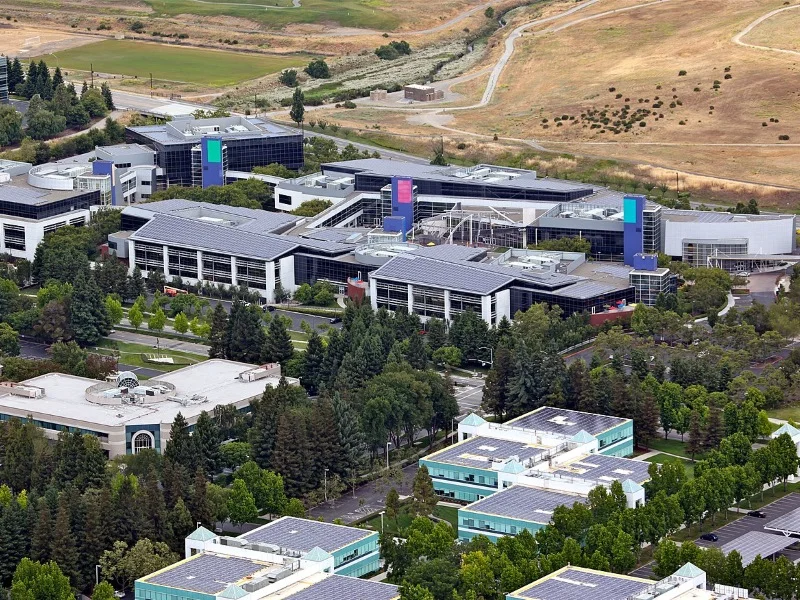
Google owns YouTube directly, and Google itself is a subsidiary of Alphabet Inc, the publicly traded holding company. Current YouTube policies and creator tools are listed on the official YouTube about page.
For legal and financial reporting purposes, Alphabet is the ultimate parent company, though YouTube operates with its own dedicated leadership and product teams.
YouTube generates revenue primarily through advertising and its Premium subscription service, with financial results reported as part of Alphabet overall earnings each quarter.
The Founding Story Behind YouTube
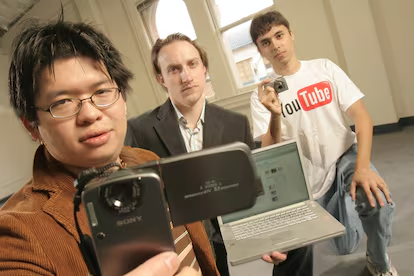
Steve Chen, Chad Hurley, and Jawed Karim founded YouTube in February 2005 after previously working together at PayPal.
The platform grew at an explosive rate, going from a small startup to one of the most visited websites in the world within just over a year of launching.
That rapid growth caught Google attention almost immediately, setting up one of the fastest and most consequential acquisitions in Silicon Valley history.
How Google Acquired YouTube For 1.65 Billion Dollars
Google announced its purchase of YouTube in October 2006, and the deal closed the following month, paid entirely in Google stock rather than cash.
Cofounders Chad Hurley and Steve Chen each received roughly 300 million dollars worth of Google stock from the deal, while Jawed Karim earned about 66 million dollars, according to Wikipedia.
Even conservative valuation estimates today suggest YouTube is worth at least one hundred times what Google originally paid, making it one of the most successful acquisitions in technology history.
How YouTube Fits Inside Alphabet Today
Google reorganized into Alphabet in October 2015, separating core products like Search, YouTube, and Android from longer term experimental ventures.
YouTube remained under Google direct control through that reorganization, unlike divisions such as Waymo, which spun out as a more independent Alphabet subsidiary with its own outside investors.
Our guide to who owns Google explains how the founders still control Alphabet voting power even after that broader corporate restructuring.
YouTube Compared To Other Video Platforms
YouTube massive scale and ad revenue give it a significant advantage over competing video platforms owned by other major technology companies.
TikTok, a rival short form video platform, recently underwent its own major ownership change after concerns about its Chinese parent company. Our guide to who owns TikTok covers that ownership shift in more detail.
Unlike TikTok recent restructuring, YouTube ownership has remained stable under Google and Alphabet for nearly two decades since the original 2006 acquisition.
YouTube Revenue And Business Model Explained
YouTube generates the bulk of its revenue from advertising, splitting a majority share of ad revenue with creators through its Partner Program.
YouTube Premium, a paid subscription tier that removes ads and adds offline downloads, has grown into a meaningful secondary revenue stream alongside advertising.
Alphabet reports YouTube advertising revenue separately in its quarterly earnings, giving investors visibility into the platform financial performance even though it does not trade as its own separate stock.
YouTube Shorts And Competing With TikTok
Google launched YouTube Shorts in 2020 as a direct response to the explosive growth of short form video on TikTok and Instagram Reels.
Shorts has since grown into a major traffic driver for the platform, and YouTube has adjusted its monetization tools to give short form creators more of the same earning potential as traditional long form videos.
This kind of competitive feature race is common across major platforms owned by different technology companies, each racing to match whichever format is currently pulling in viewer attention.
Is YouTube Really Good Or Really Worth It
YouTube remains the dominant video platform worldwide, with billions of monthly active users and a massive library of content spanning nearly every topic imaginable.
Common criticism of YouTube centers on its content moderation policies, ad load for free tier viewers, and the algorithm influence over what content gets promoted, according to industry analysis of the platform business model.
Creators frequently cite YouTube revenue sharing program as more generous than many competing platforms, even as some express frustration over demonetization and policy changes.
For viewers, YouTube remains one of the most comprehensive free video libraries available anywhere, even with an increasing amount of advertising.
For creators building a business around video content, YouTube established monetization tools generally still outperform newer competing platforms in total earning potential.
YouTube also continues investing heavily in its live streaming and gaming categories, competing directly against platforms like Twitch for creators who build their audience around real time broadcasts.
That live streaming push has made YouTube one of the top destinations for esports broadcasts and creator hosted events, further widening the gap between it and smaller video platforms.
YouTube also plays a growing role in television viewing habits, with connected TV apps now accounting for a large share of overall watch time as more households replace traditional cable subscriptions with streaming.
Frequently Asked Questions About YouTube
Did Google Really Buy YouTube?
Yes. Google acquired YouTube in November 2006 for 1.65 billion dollars, paid entirely in Google stock.
Is YouTube Owned By Alphabet Or Google?
Google owns YouTube directly, and Google itself is a subsidiary of the publicly traded parent company Alphabet Inc.
Who Founded YouTube?
Steve Chen, Chad Hurley, and Jawed Karim founded YouTube in February 2005.
How Much Did YouTube Founders Make From The Google Deal?
Chad Hurley and Steve Chen each received roughly 300 million dollars in Google stock, while Jawed Karim received about 66 million dollars.

I am Jack Neel, a mechanical engineer, researcher, and writer. I created this website to share my knowledge about different brands and products with you. I research the manufacturers behind the brands and provide you with the information you need to make smart buying decisions.