
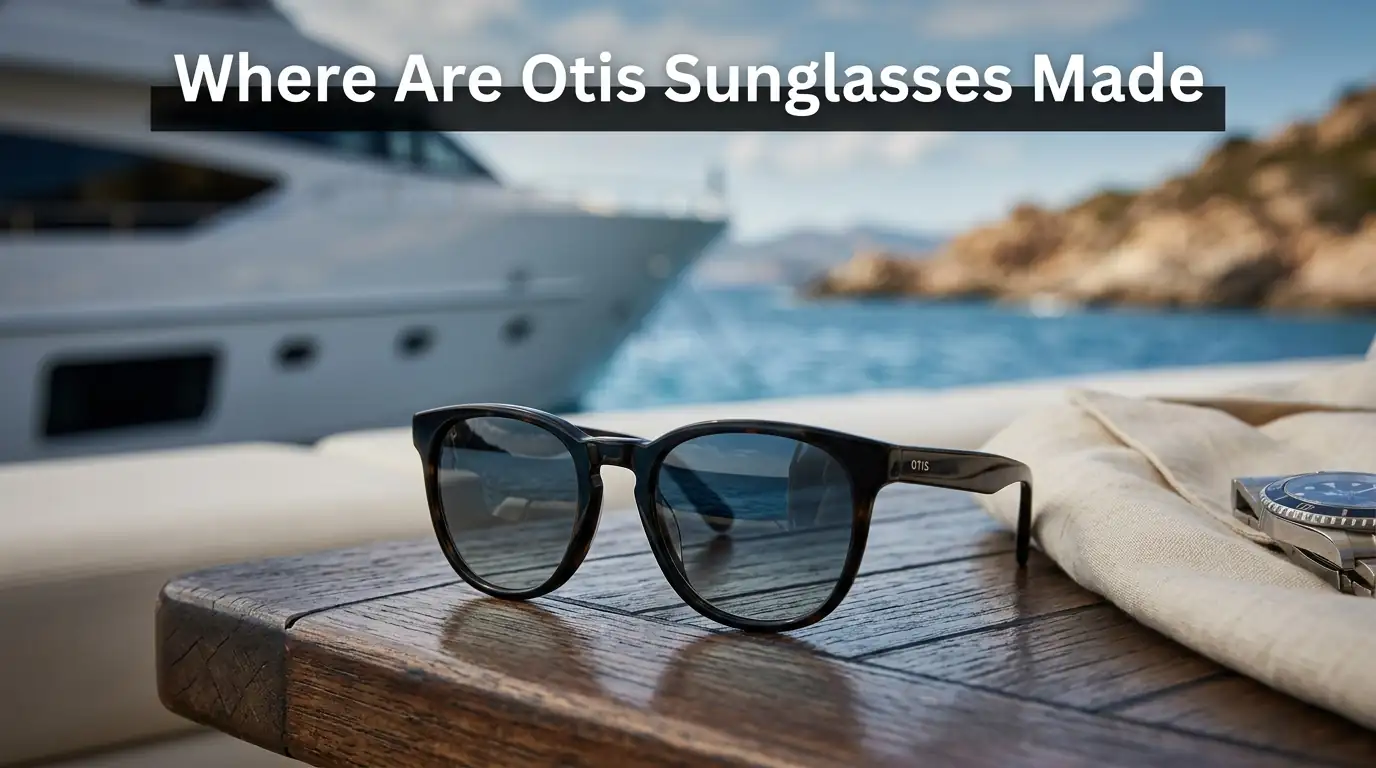
Otis sunglasses are made in Italy, where the frames are produced by a manufacturing partner the brand has worked with for over two decades. The company itself, OTIS Eyewear, was founded in 2000 in Yallingup, a surf town on the coast of Western Australia, not California as some shoppers assume.
Otis grew out of Australia’s surf culture, built by people who wanted sunglasses tough enough for salt water, sand, and constant sun exposure. That coastal, board sport identity has stayed at the center of the brand ever since.
It is worth separating three things that often get blurred together: the brand that designs and sells the sunglasses, the factory that physically manufactures them, and the country the brand calls home. Otis is the brand, Italy is where production happens, and Western Australia is where the company was founded and is still headquartered.
For a lifestyle brand built on surf credibility, manufacturing overseas raises a fair question. Does making frames in Italy rather than in house in Australia change anything about how the sunglasses perform or hold up.
This article walks through where Otis sunglasses are actually produced, who owns the company, how the brand is positioned, and whether the quality holds up once you factor in real reviews and warranty terms.
Table of Contents
Where Are Otis Sunglasses Made?
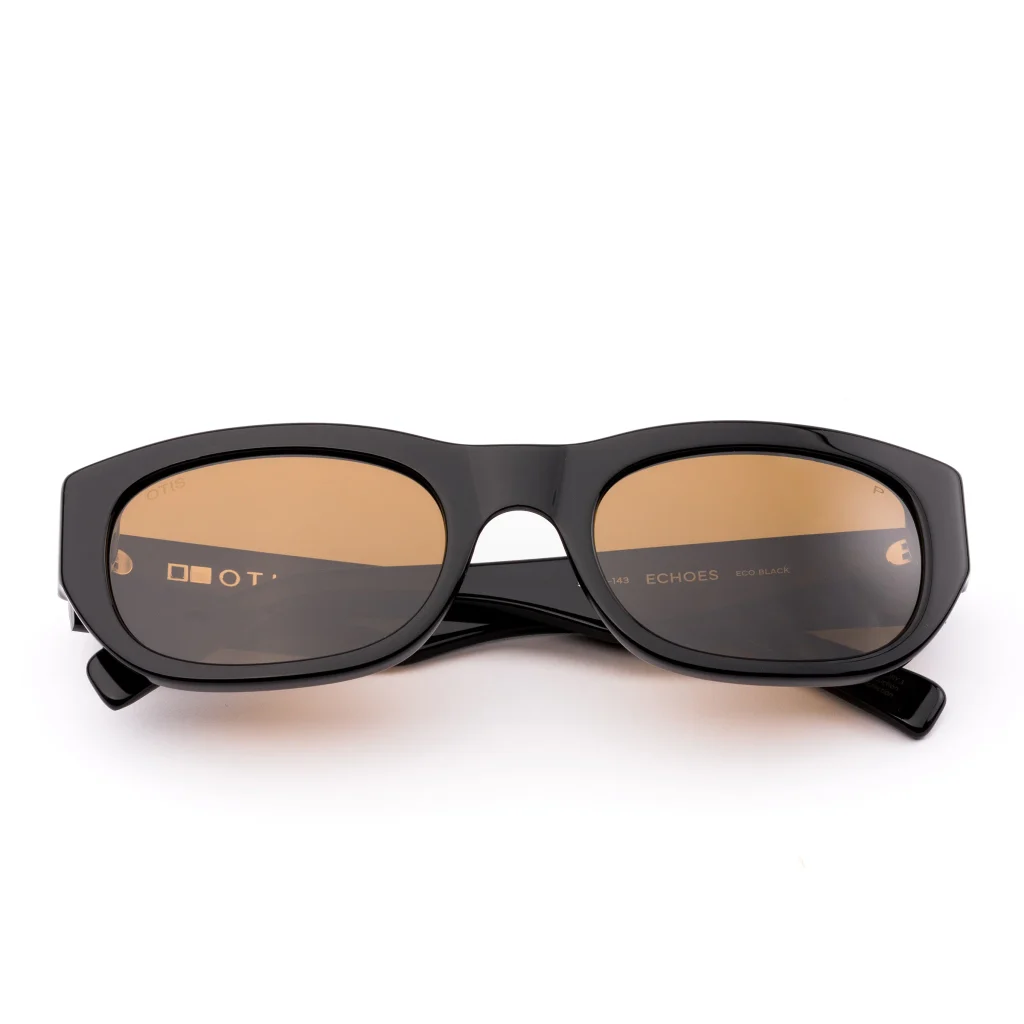
Otis sunglasses are made in Italy. The brand states directly that it has worked with the same design and manufacturing team, across three global eyewear brands, for roughly 25 years.
Italy has a long standing reputation in eyewear production, and Otis leans into that heritage rather than hiding it, dedicating a page on its site to explaining why Italian made frames matter to the final product.
The frames themselves use materials like Eco Acetate, a plant based material derived partly from cotton seeds, and a bio based Grilamid made with castor oil derived resin instead of standard petrochemical inputs.
Lenses are a separate story. Otis uses mineral glass lenses across its entire range, sourced from natural elements like sand and soda ash rather than plastic, and markets them as scratch resistant and more durable than standard polycarbonate lenses.
The brand explains its Italian manufacturing partnership in detail on its own site, which is worth a look for anyone who wants the full story straight from Otis Eyewear’s Made in Italy page.
Working with an established Italian manufacturer also means the brand benefits from decades of tooling knowledge, precise hinge engineering, and finishing techniques that smaller, newer factories often take years to match.
Who Owns Otis Eyewear?

Otis Eyewear is an independent, privately held company. It operates under a parent company called The Leisure Collective, based in Australia.
Nathan Omodei serves as CEO of Otis Eyewear and has spoken publicly about the brand’s direction, including its sustainability commitments and its B Corp certification process.
There is no public record of Otis being owned by a large eyewear conglomerate, private equity firm, or fashion holding company. It remains a smaller, founder driven brand rather than part of a portfolio like Luxottica or Safilo.
Otis recertified as a B Corp in 2026, a step that trade press covered as part of its ongoing sustainability push, detailed in this Eyestylist report on the certification.
What Is Otis Eyewear’s Country of Origin?
Otis Eyewear’s country of origin, meaning where the brand was founded and built its identity, is Australia, specifically the coastal town of Yallingup in Western Australia.
That is a distinct question from where the physical product comes from. The company’s design language, marketing, and brand story are unmistakably Australian, drawing on surf culture from the country’s southwest coast.
Manufacturing, on the other hand, sits with Italian partners. This split between an Australian brand identity and Italian production is common in the eyewear industry, where design headquarters and factories rarely sit in the same country.
Shoppers searching for a California connection often confuse Otis with other surf branded eyewear labels. Otis has no confirmed California headquarters or California based factory, based on the brand’s own published history.
Are Otis Sunglasses Made in China?
No, Otis sunglasses are not made in China. Based on the brand’s own statements, production is centered in Italy, not East Asia.
This sets Otis apart from a lot of budget and mid range sunglasses brands, many of which do rely on factories in China to keep costs down.
Choosing Italian manufacturing generally means higher production costs, which lines up with Otis positioning itself as a premium option, with most styles starting around 150 dollars rather than sitting in the 30 to 60 dollar range typical of mass produced sunglasses.
That said, some smaller accessories or packaging components in any global supply chain can originate from multiple countries, so shoppers who want frame by frame sourcing detail should check individual product pages before buying.
When Was Otis Eyewear Founded?
Otis Eyewear was founded in the year 2000, with its first collection released that same year. The brand marked its 25th anniversary in 2025.
It started as a small operation focused on surfers and travelers who needed sunglasses that could survive constant exposure to sun, salt, and sand.
Over the following two decades the brand expanded well beyond Australia, building a presence in the United States, New Zealand, the United Kingdom, and continental Europe, while keeping its founding story tied to Yallingup.
A detailed retrospective on the brand’s first 25 years, including its founding story, is covered in this Boardsport SOURCE brand profile.
What Makes Otis Sunglasses Different?
The biggest differentiator is the lens material. Otis uses mineral glass across its lineup instead of the plastic or polycarbonate lenses most competitors default to.
The brand claims this glass is roughly 12 times more scratch resistant than standard lens materials, and it markets the choice as both a durability feature and an environmental one, since mineral glass is fully recyclable.
Frame materials also stand out. Eco Acetate and bio based Grilamid are built to cut down on petrochemical content without sacrificing the flexibility and fit people expect from acetate frames.
Every pair comes with a lifetime warranty against manufacturing defects, plus a 30 day return window on full price purchases, which is a stronger guarantee than many sunglasses brands offer.
Otis has also leaned into sustainability as a core identity marker, going as far as B Corp certification, which requires independent verification of environmental and social practices rather than self reported claims.
Design details like integrated nose pads, secure temple tips, and increased pantoscopic tilt on active styles are aimed at surfers and runners who need frames that stay put during motion.
Are Otis Sunglasses Good Quality? Are They Worth It?
Independent review data on Otis is limited compared to giants like Ray Ban or Oakley, which is typical for a smaller, independent brand rather than a red flag on its own.
One eyewear review site scored Otis at 78 percent for quality and design, 75 percent for choice and functionality, and 72 percent for value for money, putting the brand solidly in the good, not exceptional, range.
At the time of writing there is no dedicated Trustpilot page specifically for otiseyewear.com with a large volume of verified reviews, so broad consumer sentiment scores should be treated with some caution rather than cited as definitive.
What is verifiable is the warranty and material story. Mineral glass lenses and a lifetime defect warranty are concrete, checkable claims rather than vague marketing language, and they align with what buyers report about scratch resistance holding up over time.
Whether Otis is worth it depends on what you are comparing it to. Against a 20 dollar gas station pair, Otis is a clear step up in materials and warranty coverage. Against premium legacy brands, it competes on sustainability credentials more than on brand prestige.
Otis Customer Service & Where to Buy
Otis sells directly through its own regional websites, including a United States storefront and an Australian storefront, along with authorized surf and outdoor retailers.
Customers can reach the brand through the contact and support pages on its official site, where warranty claims, order issues, and returns are handled directly rather than through a third party.
For readers who want to compare Otis against other well known names, it is useful to look at how a legacy mass market brand is produced, such as where Ray Ban sunglasses are made, or how another California adjacent, surf and skate rooted brand handles overseas manufacturing, like where Vans shoes are made.
Both comparisons highlight the same pattern seen with Otis: a brand built on a specific coastal or youth culture identity, manufactured in a different country entirely, which is closer to the industry norm than the exception.
Frequently Asked Questions About Otis Sunglasses
Is Otis Eyewear an Australian company?
Yes. Otis Eyewear was founded in Yallingup, Western Australia in 2000, and it remains an Australian founded, privately owned brand under parent company The Leisure Collective.
Is Otis a luxury or budget sunglasses brand?
Otis sits in the mid to premium range, with most styles priced from about 150 dollars, positioning it above mass market plastic sunglasses but below true luxury eyewear houses.
Do Otis sunglasses use real glass lenses?
Yes. Otis uses mineral glass lenses across its full range rather than plastic or polycarbonate, and markets this glass as significantly more scratch resistant than standard lens materials.
Does Otis Eyewear offer a warranty?
Yes. Otis backs its sunglasses with a lifetime warranty against manufacturing defects, along with a 30 day return window on full price purchases bought directly from the brand.

I am Jack Neel, a mechanical engineer, researcher, and writer. I created this website to share my knowledge about different brands and products with you. I research the manufacturers behind the brands and provide you with the information you need to make smart buying decisions.