
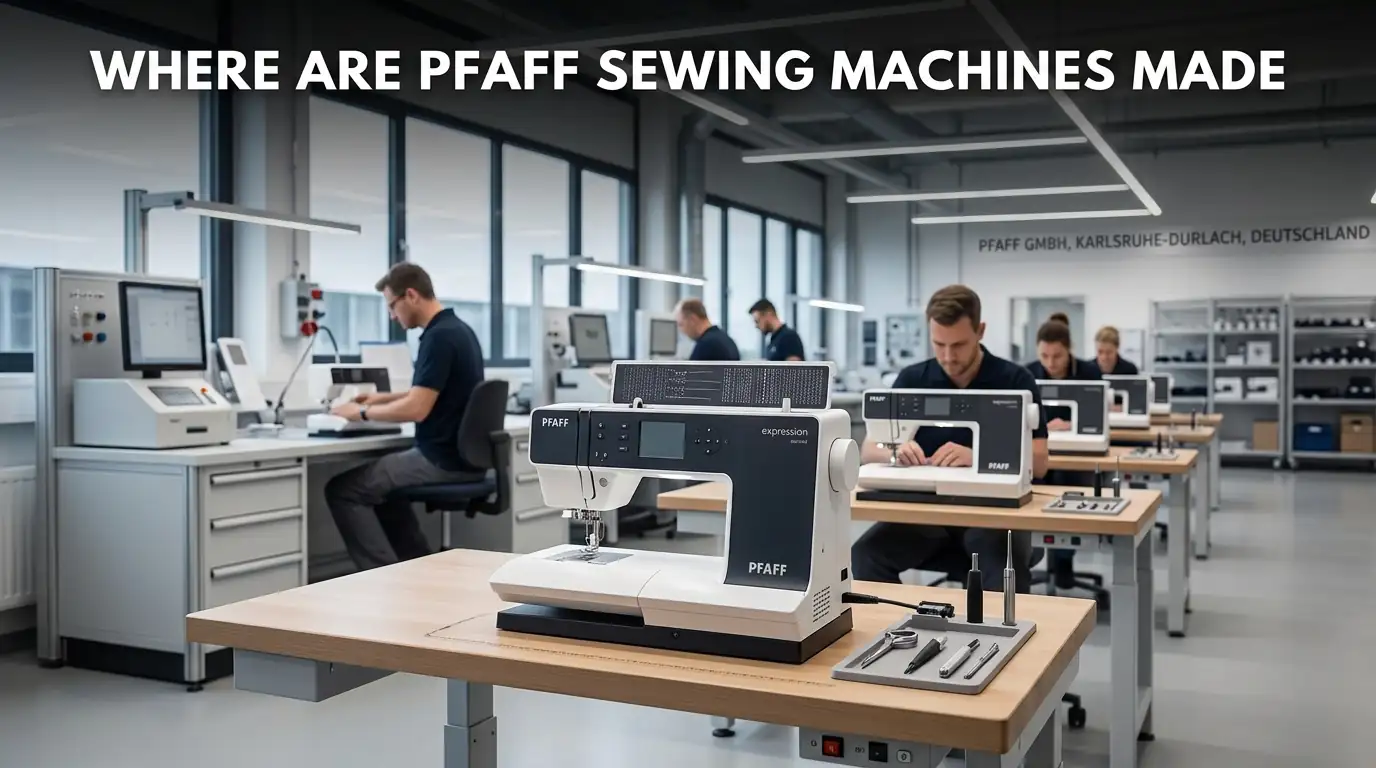
Pfaff sewing machines are made by SVP Worldwide, an American owned company that manufactures current Pfaff models primarily in China.
Pfaff is known as a German heritage sewing machine brand, with a heritage stretching back to 1862 in Kaiserslautern, Germany, and a product range that covers home sewing machines, quilting machines, and embroidery machines.
SVP Worldwide’s ownership structure is documented on Wikipedia, and the company is headquartered in Nashville, Tennessee, alongside sister brands Singer and Husqvarna Viking.
Knowing where Pfaff sewing machines are made helps buyers understand that German design heritage no longer means German factory assembly for current models.
This article covers Pfaff’s founding, SVP Worldwide’s ownership, where Pfaff sewing machines are made today, its current product range, and how it compares to Singer and Husqvarna Viking. So let’s get started.
Table of Contents
Who Owns Pfaff and How That Affects Manufacturing
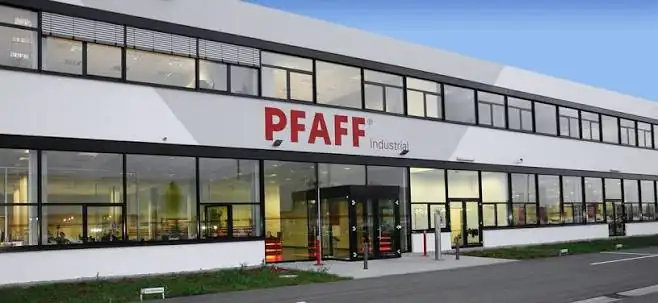
According to Pfaff’s official company history page, the brand was established in 1862 when Georg Michael Pfaff built the first Pfaff sewing machine in Kaiserslautern, and the company has since built over one million machines under that name.
Pfaff has not been an independently owned German company for decades. In 1999, the Swedish VSM Group, which already owned Husqvarna Viking, acquired the Pfaff brand.
In 2006, VSM Group merged with Singer under a new parent company called SVP Worldwide, formed through an investment led by Kohlberg and Company.
SVP Worldwide has changed hands more than once since then. Ares Management acquired the company in 2018, and Platinum Equity became the owner in 2021.
Today SVP Worldwide is headquartered in Nashville, Tennessee, with regional offices in Sweden, Italy, Brazil and Australia. It owns three major sewing brands, Singer, Husqvarna Viking and Pfaff, and it makes sourcing and production decisions across all three, as detailed on SVP Worldwide’s Wikipedia page.
Because one company controls all three brands, manufacturing strategy tends to be shared. Entry level and mid range machines across Singer, Husqvarna Viking and Pfaff commonly come from the same supplier network in Asia rather than separate national factories.
Where Pfaff Machines Are Actually Assembled
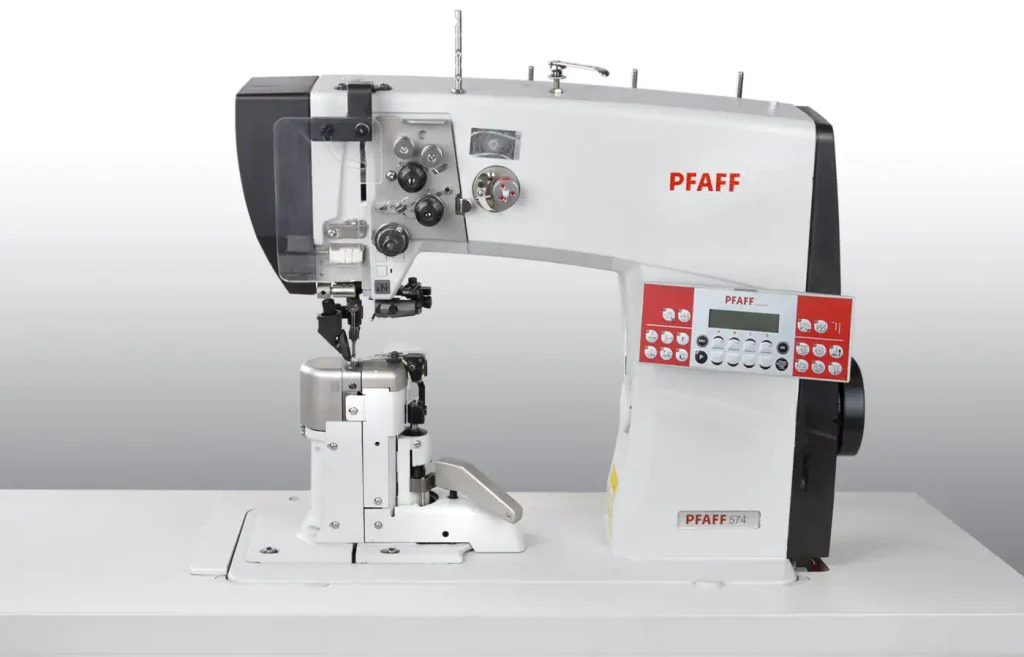
SVP Worldwide does not publish a detailed public list of factory addresses for each Pfaff model, so buyers cannot always trace a specific machine to a specific plant from marketing materials alone.
Based on sourcing patterns across the sewing machine industry and SVP’s own brands, the consistent picture is that mainstream consumer sewing machines carrying the Pfaff name are manufactured in China.
Singer, a sibling brand under the same parent company, has stated in its own materials that its machines are produced in multiple countries including China, Taiwan, Vietnam and Brazil, depending on the model line.
It is reasonable to expect similar multi country sourcing applies to parts of the Pfaff lineup as well, since SVP often shares manufacturing partners and supply chains across its brands to control cost and quality.
What can be said with confidence, and is not in dispute, is that Pfaff machines sold today are not built in the original Kaiserslautern factory, and mass production left Germany years ago as ownership changed hands.
Brand Origin vs Where the Machine Is Actually Built
There is an important difference between where a brand originated and where its current products are physically manufactured, and Pfaff is a clear example of this gap.
Pfaff’s heritage, its name, its design language and much of its engineering pedigree trace back to Germany, and the company still markets itself around that legacy.
But heritage and current manufacturing location are two separate things. A brand can be German in history and identity while its factories, supply chain and assembly lines are located elsewhere.
This pattern is common across consumer sewing machines generally. Long established European and Japanese names frequently manufacture current models in Asia to manage labor costs and stay competitive on price.
Buyers who assume a Pfaff machine is built in Germany simply because the brand is German are working from outdated information rather than the current supply chain.
Do Manufacturing Locations Differ by Model Tier
Yes, sourcing and build quality controls can vary by model tier, even when the general manufacturing region stays similar across the lineup.
Entry level and mid range Pfaff machines, the kind sold to beginner and casual home sewists, are produced at higher volumes and tend to follow standard mass production processes typical of budget focused sewing machine manufacturing.
Higher end Pfaff machines, including computerized and embroidery combo models, generally receive more testing, tighter quality control checkpoints and more advanced electronics sourced under SVP’s premium product standards.
Even so, “higher end” in this context usually refers to the level of components, testing and engineering applied, not a return to manufacturing inside Germany itself.
If the exact factory location of a specific model matters to you, the most reliable step is contacting Pfaff or SVP Worldwide customer service directly and asking about that specific model number.
Is Pfaff a Good Sewing Machine Brand
Pfaff has a long standing reputation in the sewing community, particularly for its Integrated Dual Feed system, commonly called IDT, which many quilters and garment sewists value for feeding multiple fabric layers evenly.
Pros commonly mentioned by long time Pfaff users include smooth stitch quality, the usefulness of IDT for tricky fabrics, and a range of machines that scale from beginner to advanced embroidery capable models.
Cons that show up in owner discussions and reviews include the price of higher end models, the cost and availability of Pfaff specific parts and accessories, and mixed experiences with customer service response times in some regions.
Overall sentiment toward Pfaff tends to be positive among sewists who specifically want the IDT feeding system, while more price sensitive buyers sometimes look at other brands offering similar features for less.
As with any brand, individual experience can vary by model, dealer and how well the machine is maintained, so it is worth reading reviews for the exact model you are considering rather than judging the brand as a whole.
Pfaff Compared to Other Sewing Machine Brands
Comparing Pfaff to other well known brands helps put its manufacturing situation and reputation in context, since Pfaff is far from the only brand now building most machines in Asia.
Brother and Janome, two of Pfaff’s biggest competitors, also manufacture the large majority of their consumer machines outside their brand’s country of origin, largely across Asian facilities.
Juki, a brand especially popular with garment sewists and small manufacturers, has its own distinct manufacturing footprint that is worth researching separately if you are comparing options directly. You can read more in our guide to where Juki sewing machines are made.
Husqvarna Viking is especially relevant to compare since it shares the same parent company, SVP Worldwide, as Pfaff, and often draws on overlapping supply chains and factories. See our breakdown of where Husqvarna sewing machines are made for more detail.
No single brand is a universal winner. The right choice depends on your budget, the type of sewing you do, whether IDT style even feeding matters to your projects, and how important a specific manufacturing origin is to you personally.
SVP Worldwide has publicly discussed its multi brand strategy and business direction in the sewing industry, including in a Forbes profile covering Singer, Husqvarna Viking and Pfaff and their shared anniversaries.
Common Pfaff Problems and Troubleshooting
Like any mechanical or computerized sewing machine, Pfaff models can develop issues over time, and troubleshooting steps vary depending on the specific model and whether it is mechanical or computerized.
Thread tension problems are among the most commonly reported issues. These are often caused by incorrect threading, a dirty tension disc, or using the wrong needle or thread weight for the fabric.
The basic fix is to rethread the machine carefully following the manual, clean out lint around the tension mechanism, and confirm the needle size matches the fabric and thread being used.
Skipped stitches or breaking needles are frequently linked to a bent or dull needle, an old needle that has not been replaced recently, or the wrong needle type for stretch versus woven fabric.
IDT engagement issues, specific to Pfaff’s dual feed system, can sometimes result from the IDT foot not being fully lowered and locked, or debris caught in the feed mechanism.
For computerized models, error messages or display issues are best diagnosed using the specific error code shown, since SVP publishes model specific troubleshooting guidance rather than one universal fix.
When cleaning, basic threading fixes and needle replacement do not resolve the problem, or if you hear grinding, unusual noises, or see visible damage to internal components, it is time to take the machine to an authorized Pfaff service center rather than attempting a repair yourself.
Buying Guidance for Pfaff Sewing Machines
If IDT even feed is a priority for your sewing, quilting or garment work, Pfaff remains one of the more established brands offering that feature across multiple price points.
Match the model to your actual sewing habits. Occasional home sewists rarely need a full embroidery combo machine, while quilters and small business sewists may find the investment worthwhile.
Buy from an authorized Pfaff or SVP Worldwide dealer whenever possible. Authorized dealers provide legitimate warranty coverage and access to genuine parts and accessories.
Ask the dealer directly about the specific model’s origin if manufacturing location matters to your purchase decision, since this information is not always listed clearly on packaging or in general marketing.
Factor in long term costs, including proprietary feet, bobbins and service availability in your area, not just the sticker price of the machine itself.
Frequently Asked Questions About Pfaff Sewing Machines
Is Pfaff still made in Germany?
No, not for mass production. Pfaff was founded in Kaiserslautern, Germany in 1862, and that heritage remains central to the brand. However, current ownership under SVP Worldwide has shifted the manufacturing of most consumer Pfaff machines to facilities in Asia, primarily China, rather than continuing production in Germany.
Who owns Pfaff now?
Pfaff is owned by SVP Worldwide, the same parent company behind Singer and Husqvarna Viking. SVP Worldwide has changed ownership several times, moving from Kohlberg and Company to Ares Management in 2018 and then to Platinum Equity in 2021. The company is headquartered in Nashville, Tennessee.
Is Pfaff a good sewing machine brand?
Many sewists consider Pfaff a good brand, especially for its Integrated Dual Feed, or IDT, system that helps evenly feed multiple fabric layers. Reported downsides include higher prices on advanced models and the cost of Pfaff specific accessories. Overall reputation is generally positive among quilters and garment sewists who value even feeding.
Is Pfaff the same as Husqvarna Viking?
Pfaff and Husqvarna Viking are not the same brand, but they are sibling brands under the same parent company, SVP Worldwide. They are marketed and sold separately with distinct model lines and features, such as Pfaff’s IDT system, but they can share manufacturing partners, supply chains and corporate resources behind the scenes.
Conclusion
So, where are Pfaff sewing machines made? The direct answer is that most Pfaff machines sold today are manufactured in Asia, primarily China, under SVP Worldwide, the company that also owns Singer and Husqvarna Viking, rather than in Pfaff’s original home of Kaiserslautern, Germany.
The Pfaff name still carries genuine German engineering heritage dating back to 1862, and that history shapes the brand’s design philosophy, but heritage is not the same as current factory location.
If you are buying a Pfaff machine, focus on the features that matter for your sewing, like IDT even feed, buy from an authorized dealer, and ask directly about a specific model’s origin if that detail is important to your decision.
I am Jack Neel, a mechanical engineer, researcher, and writer. I created this website to share my knowledge about different brands and products with you. I research the manufacturers behind the brands and provide you with the information you need to make smart buying decisions.