
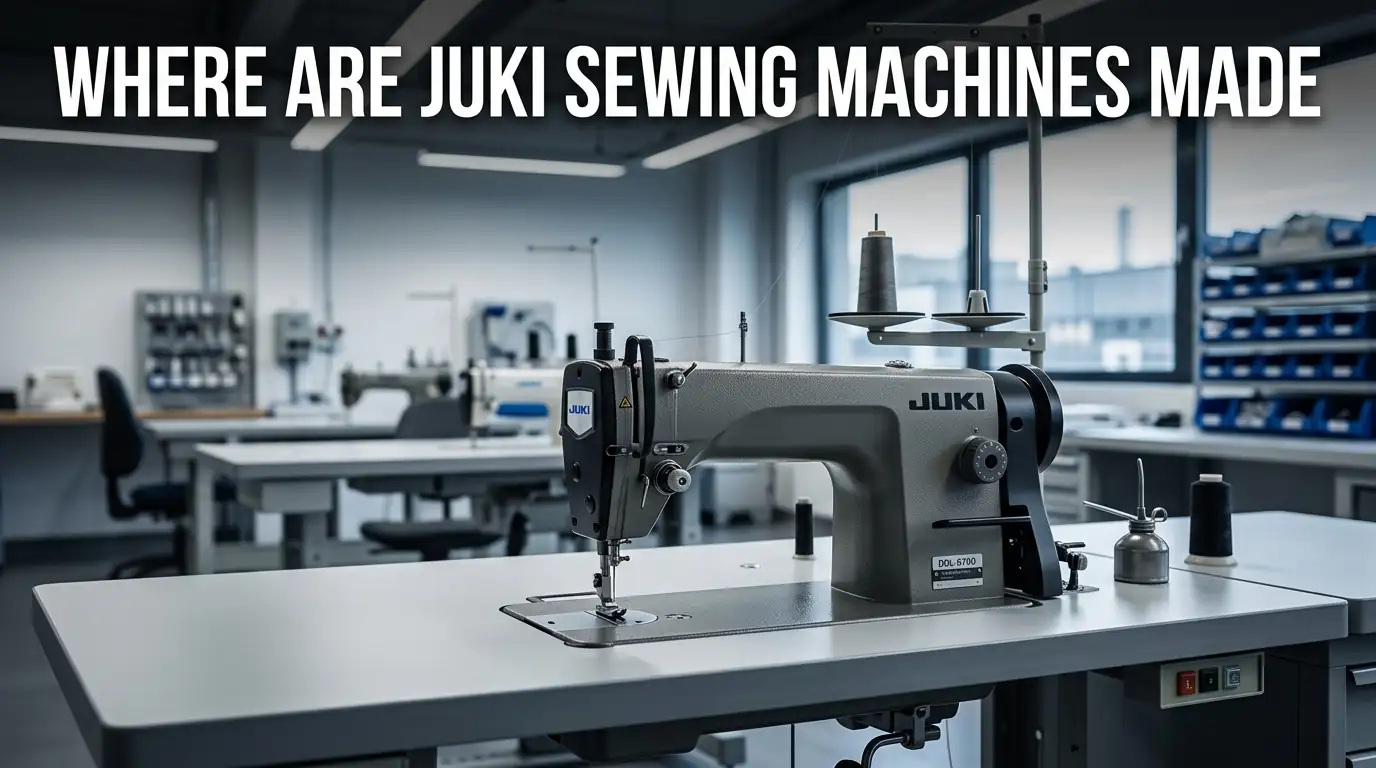
Juki sewing machines are made by Juki Corporation, a Japanese company that manufactures its machines at its own factories in Japan, Vietnam, and China.
Juki is known as a leading industrial sewing machine manufacturer, with a heritage stretching back to 1938 and a product range that covers industrial machines, home sewing machines, and quilting machines.
Juki Corporation’s global operations are outlined on Wikipedia, and the company remains headquartered in Tokyo, Japan, while running dedicated plants across Asia for different machine categories.
Knowing where Juki sewing machines are made helps buyers understand why industrial and higher end home machines are more likely to trace back to Japan while many mainstream models come from Vietnam or China.
This article covers Juki’s founding, its manufacturing footprint, where Juki sewing machines are made today, its current product range, and how it compares to Brother and Pfaff. So let’s get started.
Table of Contents
Where Are Juki Sewing Machines Made? The Direct Answer
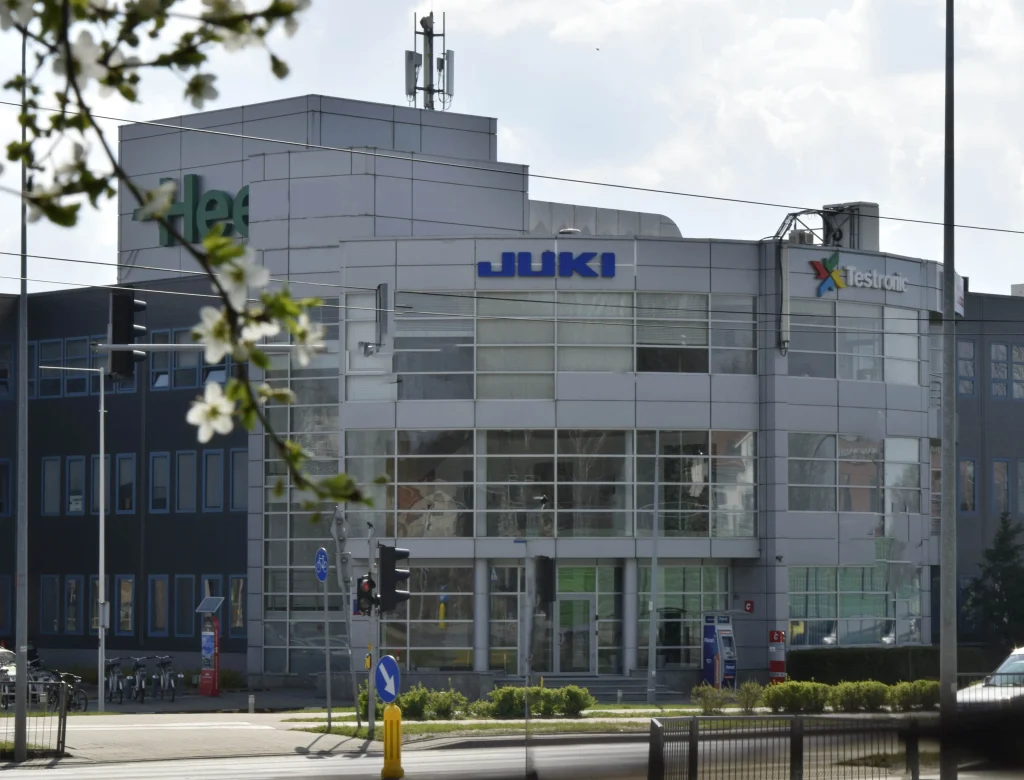
Juki Corporation is headquartered in Tama, Tokyo, Japan, and it manufactures sewing machines and parts at its own factories in Japan, Vietnam, and China.
According to Juki Corporation’s official group company information, the group operates manufacturing sites including the Ohtawara Plant in Tochigi, Japan, plus parts manufacturing operations in Fukushima and Hiroshima, and industrial machine development and manufacturing in Shimane.
Outside Japan, Juki Vietnam Co., Ltd, based in Ho Chi Minh City, handles development, manufacturing, and sales. In China, Juki (Shanghai) Industrial Co., Ltd and Juki (Langfang) Industrial Co., Ltd handle manufacturing, with a holding company in Shanghai overseeing the group’s Chinese operations.
So there is no single country of origin. Juki is a Japanese company by ownership and engineering, but the physical assembly of many machines happens across its own Asian factory network.
Juki Factories: Japan, Vietnam, and China Explained
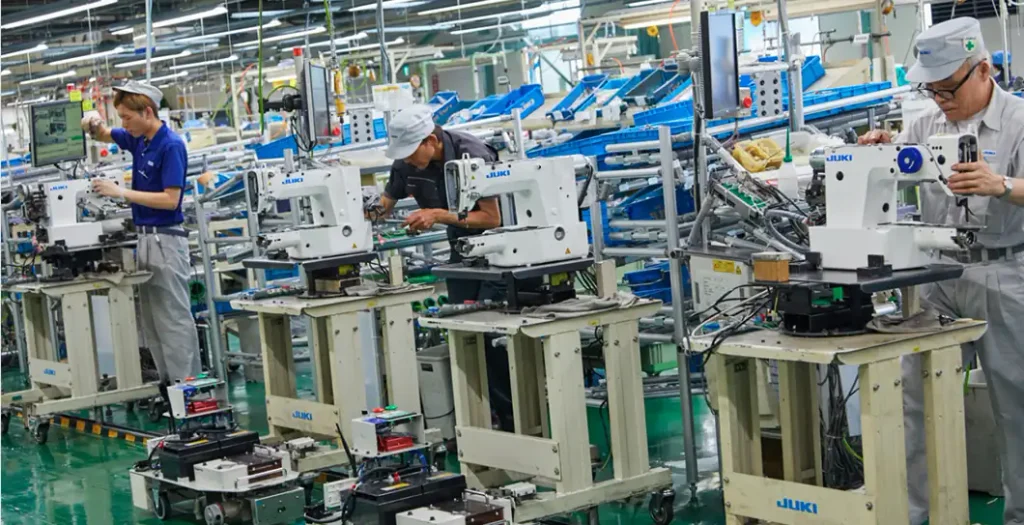
Understanding where a Juki machine comes from means understanding its factory network rather than a single national label.
Japan.
Juki keeps core engineering, product development, and a significant share of manufacturing in Japan. The Ohtawara Plant in Tochigi Prefecture is listed by Juki as a manufacturing and development site, and Juki Matsue Corporation in Shimane focuses on industrial sewing machine development and production.
Japan based production tends to concentrate on industrial machines and premium home sewing and quilting models where precision engineering matters most.
Vietnam.
Juki Vietnam Co., Ltd, located in Ho Chi Minh City, is described in Juki’s own corporate materials as handling development, manufacturing, and sales. This plant has become a major production hub for the company over the past several decades.
Vietnam based manufacturing allows Juki to produce large volumes of both industrial and home sewing machines at competitive cost while still operating under direct Juki ownership and quality control, rather than through a third party contractor.
China.
Juki also manufactures in mainland China through Juki (Shanghai) Industrial Co., Ltd and Juki (Langfang) Industrial Co., Ltd in Hebei province. These operations are part of the same Juki corporate group, not independent licensees.
Chinese production has historically supported both industrial machine output and parts supply for the wider Juki manufacturing network.
Brand Origin Versus Country of Manufacture
It helps to separate two different questions: where Juki as a brand comes from, and where a specific physical machine was assembled.
Juki is unambiguously a Japanese company. It was founded in Tokyo in 1938, originally as the Tokyo Juki Manufacturers Association, and it has been headquartered in Japan for its entire history, according to Juki’s own corporate history page and Wikipedia.
That Japanese origin covers engineering standards, design, and corporate quality control across every Juki factory worldwide, whether the physical build happens in Tochigi, Ho Chi Minh City, or Shanghai.
This is common in global manufacturing. A brand can be thoroughly Japanese in ownership and design while operating factories abroad to manage cost and scale. The country stamped inside a machine is about final assembly location, not about who owns or engineers the product.
Industrial Versus Home Sewing Machines: Does Manufacturing Differ?
Yes, and this is one of the most important distinctions for buyers trying to understand where their machine was made.
Juki industrial machines, the kind used in garment factories and professional sewing operations, are a core focus of Japanese engineering and manufacturing, with dedicated facilities such as Juki Matsue Corporation supporting industrial machine development in Japan.
Home and hobby sewing machines, including many of Juki’s popular quilting and domestic models, are more commonly produced at the company’s overseas plants in Vietnam and, in some product lines, China, where higher volume consumer manufacturing is more cost effective.
Because Juki does not publish a single public country of origin list broken down by every individual model, the safest way to confirm a specific machine’s origin is to check the label on the machine itself or the model’s official spec sheet, since sourcing can shift over time as production is reallocated across plants.
Is Juki a Good Sewing Machine Brand?
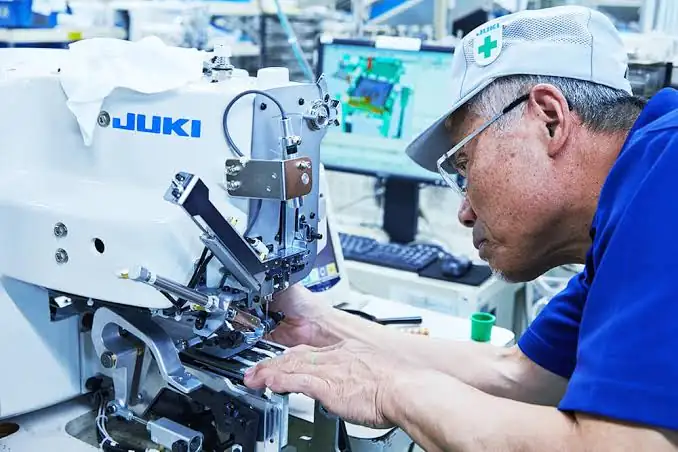
Juki has a strong, long standing reputation, particularly in the industrial and semi industrial sewing machine world, where it is widely regarded as one of the leading manufacturers globally.
Juki was for years considered among the largest industrial sewing machine manufacturers in the world by volume, and its straight stitch industrial and semi industrial machines, such as the long running TL series, are popular with quilters and garment sewists for their speed and stitch consistency.
On the home sewing side, reviewers and users generally praise Juki machines for solid build quality, reliable straight stitching, and strong performance on heavier fabrics compared with many entry level competitors.
Common criticisms in user reviews include a smaller dealer and service network in some regions compared with brands like Brother or Singer, and computerized home models that some users find less feature rich for decorative stitching than competitors aimed purely at hobbyists. The BBB business profile for Juki America Inc Home Sewing Division is one place buyers can check current customer service history before purchasing.
Overall, Juki’s reputation is strongest for straightforward, heavy duty, high speed sewing and quilting rather than for elaborate embroidery or decorative stitch libraries.
Juki Compared With Other Sewing Machine Brands
No single brand is a universal winner. The right choice depends on what you sew, your budget, and how important a local dealer network is to you.
The table below compares general positioning rather than any one specific model.
| Brand | Typical manufacturing regions | Known strengths |
|---|---|---|
| Juki | Japan, Vietnam, China | Industrial grade durability, strong straight stitch quilting machines |
| Brother | Japan, China, Vietnam, Taiwan among others depending on line | Wide home and embroidery model range, large dealer network |
| Pfaff | Germany and other facilities depending on model, under the SVP Worldwide group | Precision feeding systems, quilting and garment sewing features |
For readers comparing brands directly, our detailed breakdown of where Brother sewing machines are made and our guide to where Pfaff sewing machines are made cover how those two brands source their manufacturing.
None of these brands is objectively best for every sewist. Juki tends to appeal most to quilters and anyone prioritizing heavy duty straight stitching, while other brands may suit buyers who want built in embroidery or a larger local repair network.
Common Juki Sewing Machine Problems and Basic Troubleshooting
Like any mechanical sewing machine, Juki models can develop issues over time, and the exact cause and fix vary by model, so always check your specific machine’s manual before attempting a repair.
Thread bunching or bird nesting underneath the fabric.
This is usually caused by incorrect upper thread tension, improper threading, or a bobbin that is inserted the wrong way. Rethreading the machine from scratch, following the exact path in the manual, resolves most cases.
Skipped stitches.
A bent, dull, or incorrectly inserted needle is the most common cause. Replacing the needle with the correct type and size for your fabric, and confirming it is fully seated, usually fixes this.
Machine jamming or making unusual noise.
This can point to lint buildup around the bobbin case and feed dogs, or a timing issue on industrial and long term used machines. Basic cleaning and lubrication as described in the manual solves lint related jams; timing issues need a qualified sewing machine technician.
If a problem persists after basic troubleshooting, or if it involves internal timing, motor, or electronic components, it is best to take the machine to an authorized Juki service center rather than attempting further disassembly.
Buying Guidance: What to Check Before Purchasing a Juki Machine
Start by matching the machine type to your actual sewing, not just the brand name.
If you sew garments, alterations, or light home projects, a Juki home sewing machine model is usually sufficient. If you quilt regularly or sew heavier or multiple layers of fabric, Juki’s straight stitch quilting machines are a well regarded option in that category specifically.
If you run or plan to run a small production or alterations business, Juki industrial machines are worth serious consideration given the brand’s long track record in that segment.
Always confirm current warranty terms and authorized dealer or service network coverage in your country before buying, since support availability can vary by region and by whether the seller is an authorized Juki dealer.
Finally, check the specific model’s documentation or packaging for its country of origin if that detail matters to you, since Juki manufactures across multiple countries and the exact plant can vary by model and production run.
Frequently Asked Questions About Juki Sewing Machines
Are Juki sewing machines made in Japan?
Some Juki machines, especially industrial models and certain premium home and quilting machines, are manufactured in Japan at plants such as the Ohtawara Plant and Juki Matsue Corporation. However, Juki also manufactures extensively in Vietnam and China, so not every Juki machine is made in Japan.
Is Juki a good sewing machine brand?
Yes, Juki has a strong reputation, particularly for industrial and semi industrial straight stitch machines known for speed and durability. Home sewists and quilters generally rate Juki machines highly for build quality and reliable stitching, though some note a smaller local dealer network compared with larger consumer brands.
Is Juki good for quilting?
Juki is widely regarded as a strong choice for quilting, especially its dedicated straight stitch quilting machines such as the long running TL series, which are popular for their speed, large throat space on some models, and stitch consistency on multiple fabric layers.
Are Juki machines industrial grade?
Juki produces both true industrial machines used in garment factories and separate home or semi industrial models sold to consumers. Not every Juki product is industrial grade; it depends on the specific model, so check the product category before assuming a home machine has industrial specifications.
Final Answer: Where Juki Sewing Machines Are Made
Juki sewing machines are made in Japan, Vietnam, and China at factories directly owned and operated by Juki Corporation, a Japanese company headquartered in Tokyo since 1938.
There is no single country of origin for every Juki machine. Industrial and higher end models often trace back to Japanese plants, while many home and quilting machines come from Juki’s Vietnam and China facilities.
If country of origin matters to your purchase, check the specific model’s label or spec sheet. Regardless of assembly location, all Juki machines are built under the same Japanese engineered corporate quality standards, which is why the brand remains well respected across both industrial and home sewing markets.

I am Jack Neel, a mechanical engineer, researcher, and writer. I created this website to share my knowledge about different brands and products with you. I research the manufacturers behind the brands and provide you with the information you need to make smart buying decisions.