
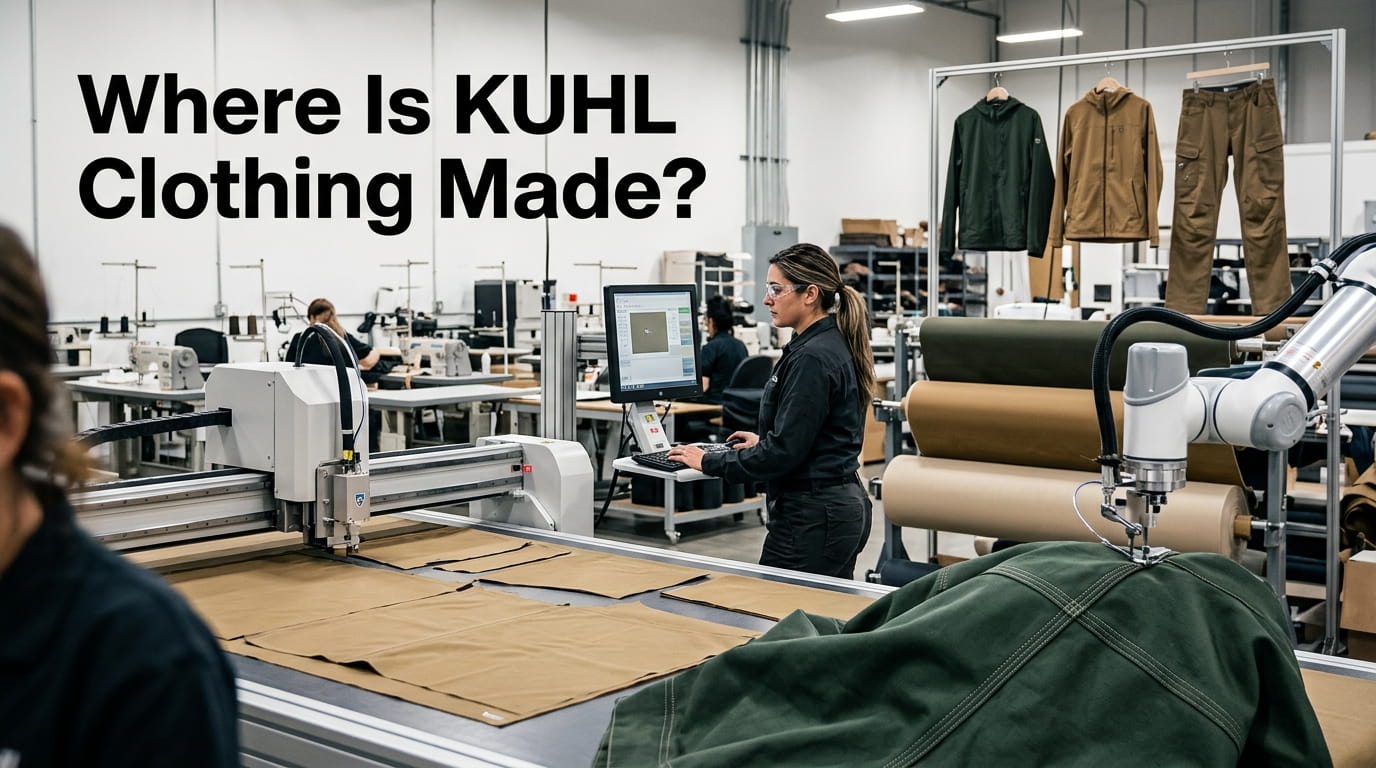
KUHL clothing is made by Alfwear Inc, and the brand remains privately owned by founder Kevin Boyle, who has never brought in outside shareholders.
KUHL is an outdoor lifestyle brand built around mountain culture, known for durable hiking pants, technical shirts, and outerwear designed for an active lifestyle rather than fast fashion trends.
The company started as a hat business called Alfwear in 1983 before evolving into the KUHL brand recognized today, and it has manufactured its clothing both in the USA and overseas at different points in its history.
But where exactly are KUHL clothes made today, and does the brand still live up to its independently owned, ethics driven reputation?
This article will explore who owns KUHL, where its clothing is actually manufactured, why the brand moved away from local production, and what customers say about its quality today.
So let’s get started.
Table of Contents
Who Owns KUHL Clothing?
KUHL is the public brand name used by Alfwear Inc, a privately held company based in Salt Lake City, Utah.
Current collections are shown on KUHL’s official website.
Kevin Boyle has owned and led the company since the 1980s, and KUHL has no outside shareholders or private equity backing.
A related entity called Skythe Inc, also registered to Boyle, handles some of the brand’s corporate and trademark functions.
KUHL generates an estimated 23 million dollars in annual revenue and employs roughly 172 people, according to business data from Buzzfile, a relatively small footprint for a nationally recognized outdoor brand.
Where Is KUHL Clothing Made?
Most KUHL clothing is manufactured overseas rather than in the United States.
Vietnam and China are the most commonly cited production countries for KUHL’s core apparel lines, including pants, shirts, and outerwear.
A small number of accessory items, including some belts, have been reported as assembled in the USA using imported materials.
KUHL’s headquarters and main distribution center remain in Salt Lake City, Utah, where every online order ships from regardless of where the garment was manufactured.
The company states on its website that it maintains ethical production standards at its overseas factories, including paying 100 percent of employee health insurance premiums at its own facilities for two decades.
Why Did KUHL Move Away From Local Manufacturing?
KUHL originally relied on a local Utah manufacturer, Burdett Apparel Inc, to produce its clothing in the years after the brand’s 1994 relaunch.
In 2002, the company shifted to sewing contractors in California, Canada, and India, according to former Alfwear representative Robin West, as documented in a detailed company history.
Production has continued to shift over the following two decades, with Vietnam and China becoming the primary countries listed on current KUHL garment tags.
This mirrors a broader pattern across the outdoor apparel industry, where technical fabric sourcing and lower labor costs have pulled most manufacturing toward Asia over the past twenty years.
When Was KUHL Founded?
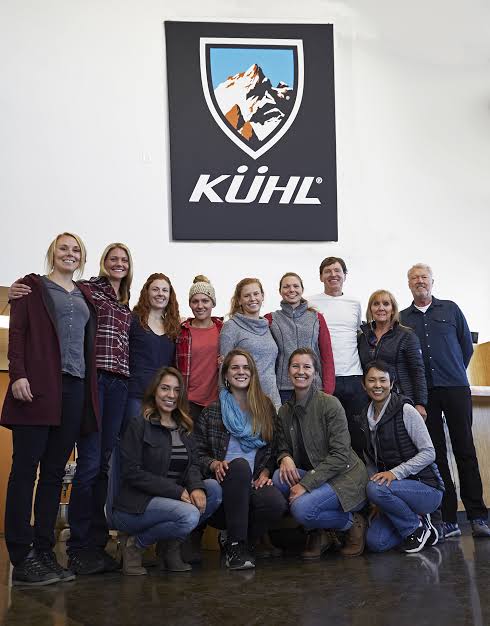
Alfwear was founded in 1983 by John Alf Engwall, originally as a hat company selling a design called the Alf hat.
In 1986, three additional partners bought into the company for 2,000 dollars each: Conrad Anker, Jay Boyle, and Kevin Boyle.
Kevin Boyle later took the brand in a new direction, designing technical outdoor apparel inspired by his own skiing and mountain lifestyle.
The company adopted the KUHL name in 1994, taken from the German word for cool, a nod to a pattern maker on the team at the time.
KUHL introduced its signature Jacquard fleece jacket in 1990, featuring an early built in thumb loop cuff design that won a Polartec Apex Award and helped establish the brand’s reputation.
The brand has since expanded to four retail stores across California, Utah, Washington, and Wyoming, alongside its primary wholesale and online business.
KUHL vs Prana: How Do They Compare?
KUHL and Prana are frequently compared as similar independent outdoor lifestyle brands, both known for versatile hiking and climbing apparel rather than heavy technical mountaineering gear.
Prana is owned by Columbia Sportswear, giving it access to a larger corporate manufacturing and distribution network, while KUHL has remained independently owned and operated at a smaller scale.
Both brands manufacture the large majority of their clothing overseas, with production concentrated across Vietnam, China, and other parts of Asia.
Reviewers generally describe KUHL’s fits as more rugged and mountain focused, while Prana leans slightly more toward yoga and climbing specific stretch fabrics, though the two brands overlap heavily in their core hiking pant and shirt categories.
Is KUHL Good Quality?
KUHL has built a loyal following in the outdoor community, and long time customers frequently describe its pants and jackets as durable enough to survive years of hiking, climbing, and daily wear.
The brand’s proprietary fabrics, including its DuraStretch and Kliffside lines, are generally well reviewed for balancing stretch, water resistance, and toughness in outdoor conditions.
Complaints that do appear tend to focus on price relative to some larger competitors, since KUHL’s independent scale means less pricing flexibility than brands backed by bigger corporate parents.
A smaller number of reviewers have noted inconsistent sizing between different KUHL styles, which is common across the outdoor apparel category more broadly.
Overall, most customer feedback supports KUHL’s reputation for durability and mountain ready design, and the brand’s no sale, no overproduction policy has helped it maintain consistent quality standards rather than chasing rapid fashion cycles.
For more outdoor apparel ownership stories, see our guides to where Patagonia is made, where Carhartt is made, and where Brunt boots are made.

I am Jack Neel, a mechanical engineer, researcher, and writer. I created this website to share my knowledge about different brands and products with you. I research the manufacturers behind the brands and provide you with the information you need to make smart buying decisions.