
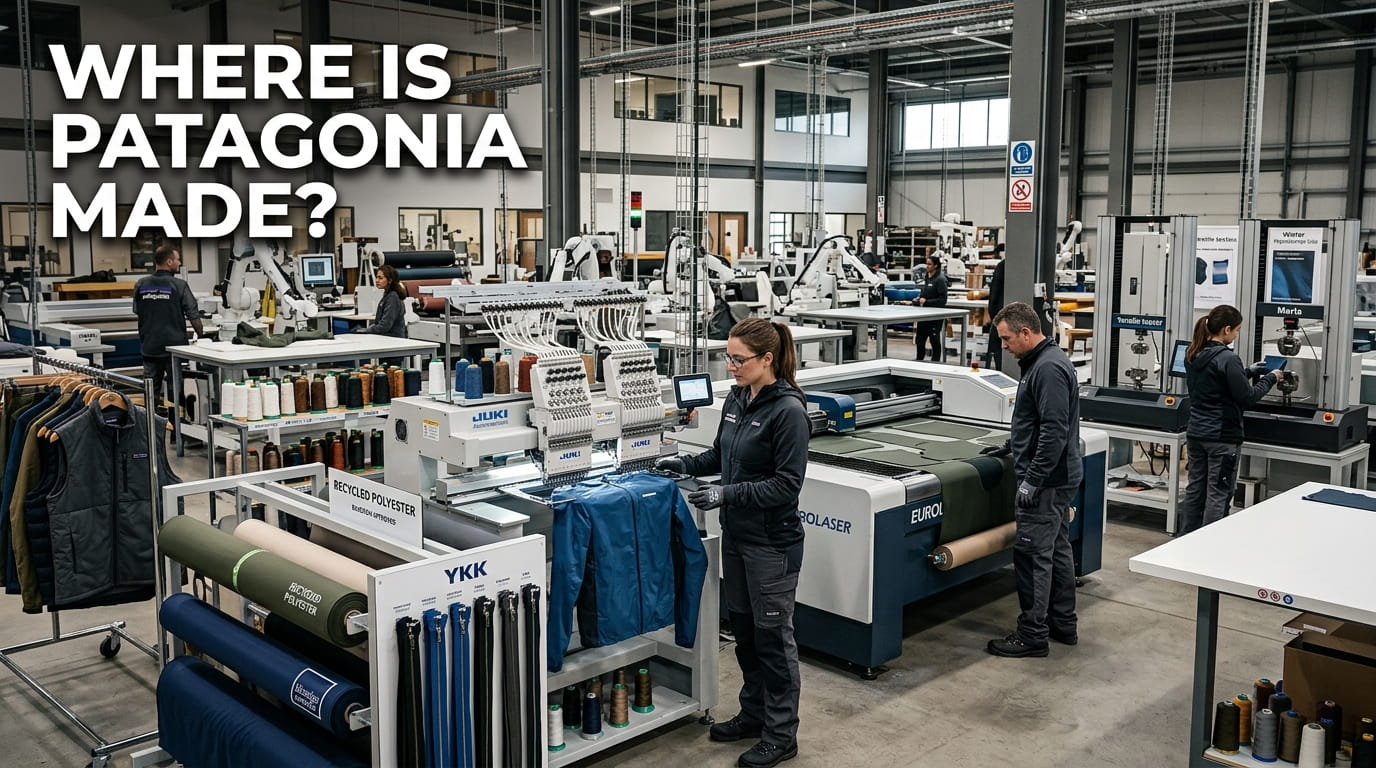
Patagonia is made primarily in Vietnam and China, which together account for over 37 percent of the brand’s production, with additional manufacturing spread across Sri Lanka, Cambodia, Indonesia, Bangladesh, Portugal, and approximately 40 other factories across 16 countries.
Patagonia is known for its premium outdoor apparel including the Nano Puff jacket, R1 fleece, and Torrentshell rain jacket, and for its environmental activism, Fair Trade certification program, and public commitment to donating company profits to environmental causes.
Patagonia, Inc. is a private benefit corporation headquartered in Ventura, California, founded by rock climber and environmentalist Yvon Chouinard in 1973, and uniquely owned since 2022 by the Patagonia Purpose Trust and the Holdfast Collective, a non-profit environmental organization, rather than by any individual or traditional shareholders.
Knowing where Patagonia is made matters to buyers who associate the brand’s environmental and ethical mission with domestic or near-shore manufacturing, and who want to understand the gap between Patagonia’s values story and the Asian production reality shared with most apparel brands.
This article covers where Patagonia products are manufactured, why most production is in Asia despite the brand’s sustainability mission, who owns Patagonia following the 2022 ownership transfer, and how it compares to Arc’teryx and The North Face.
So let’s get started.
Table of Contents
Who Makes Patagonia Clothing?
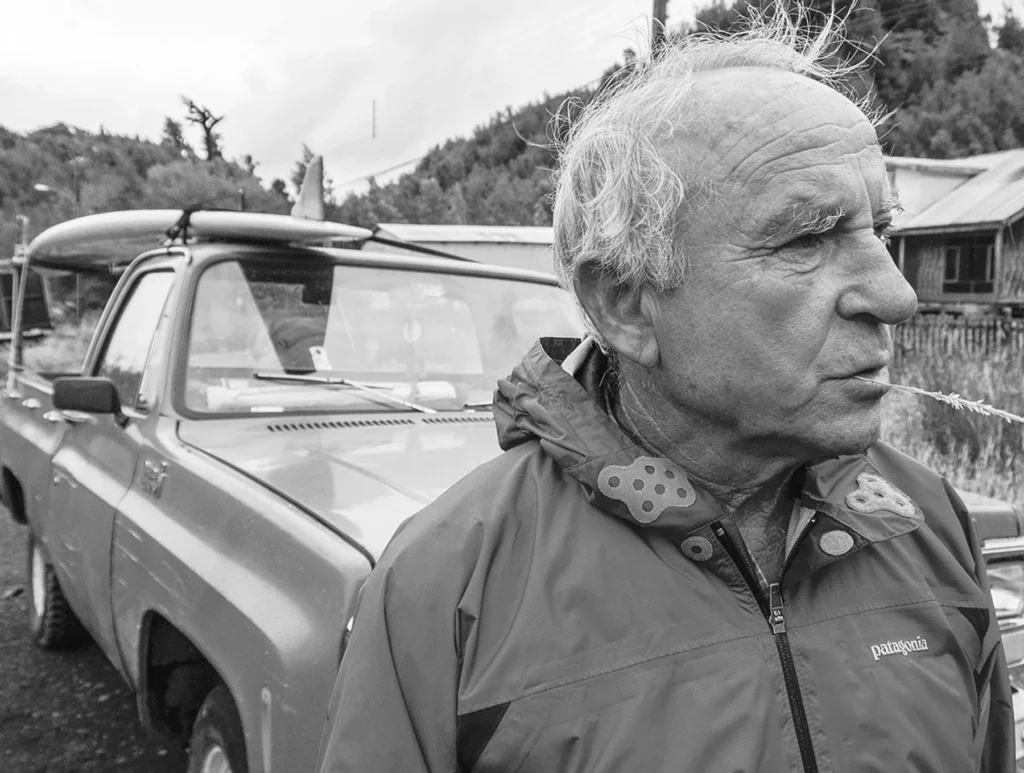
Patagonia does not own any manufacturing facilities. As the company states directly on its website: “Like most clothing companies, we do not make our products, nor do we own any of the factories that do.
We design, test, market and sell Patagonia gear. We pay other companies to produce fabrics and do the actual cutting and sewing.” Patagonia contracts with approximately 43 independently operated factories across 16 countries, publishing its full supplier list on its website for complete transparency.
Patagonia was founded in 1973 by Yvon Chouinard, who started by making climbing hardware from a forge in his parents’ backyard in Burbank, California.
The name Patagonia was chosen to evoke wild, remote places. In 2022, Chouinard made headlines by transferring ownership of the company to a structure where all profits not reinvested in the business go to fighting climate change.
Where Is Patagonia Made?
Vietnam is Patagonia’s largest production hub, contributing approximately 13 percent of the brand’s total volume.
Vietnam’s expertise in technical outdoor fabrics and its established garment manufacturing infrastructure make it the natural center for Patagonia’s high-performance shell and insulation production.
China contributes approximately 24 percent of production volume across multiple categories, though Patagonia has been working to reduce this concentration.
Sri Lanka, known for high ethical standards through factories like MAS Holdings and Brandix, handles a significant share of base layers, sports bras, and fitted garments.
Portugal, the only European country in Patagonia’s factory list, handles some premium heritage products.
The United States is represented by Nester Hosiery in Mount Airy, North Carolina, which produces some of Patagonia’s base layer sock products.
Patagonia also sources technical fabrics from U.S. mills including Polartec in Lawrence, Massachusetts and Primaloft materials from Albany, New York.
Why Does Patagonia Make Clothes in Asia Despite Its Environmental Mission?
Patagonia acknowledges directly that it cannot claim to be a “Made in America” company.
The brand’s position is that the U.S. apparel manufacturing infrastructure has largely ceased to exist at the scale and technical capability level needed to produce Patagonia’s technical products.
Moving production to Asia was not a cost-cutting decision made at a specific moment; it was a gradual response to the disappearance of domestic manufacturing capacity for high-quality technical garments.
Patagonia compensates for offshore production through its strict factory auditing program, Fair Trade certification for a growing number of products, and its use of recycled materials and bluesign-certified fabrics.
Over 68 percent of Patagonia products use recycled materials, and the company targets 100 percent sustainable materials across its range.
Who Owns Patagonia Now?
In September 2022, Yvon Chouinard transferred ownership of Patagonia, Inc. to two entities: the Patagonia Purpose Trust, which holds all voting shares and ensures the company stays true to its environmental mission, and the Holdfast Collective, a non-profit that receives all annual profits not needed for reinvestment.
This structure means Patagonia is effectively owned by its mission rather than by profit-seeking shareholders.
The transfer was widely called one of the most unusual and celebrated corporate ownership moves in business history.
By directing profits to Holdfast, Patagonia contributes an estimated $100 million or more per year to environmental organizations and causes.
Patagonia vs. Arc’teryx vs. The North Face: Where Is Each Brand Made?
Patagonia, Arc’teryx, and The North Face are the three most premium outdoor apparel brands in North America and all three manufacture primarily in Asia. Patagonia is California-based and privately owned by its mission trust.
Arc’teryx is a Canadian brand owned by Amer Sports, which is controlled by Chinese conglomerate Anta Sports.
The North Face is owned by VF Corporation, a publicly traded American company.
On manufacturing, all three brands produce in Vietnam, China, and other Asian countries. Patagonia leads on supply chain transparency, publishing its full factory list publicly.
Arc’teryx stands out for its Leaf military line, which is assembled at its own factory in Vancouver. The North Face does not maintain domestic production.
For other outdoor and apparel brand origins, see Where Is Lululemon Made and Where Is Carhartt Made.
Frequently Asked Questions About Where Patagonia Is Made
Is any Patagonia clothing made in the USA?
A very small amount of Patagonia products are made in the United States. The only confirmed U.S. garment factory partner is Nester Hosiery in Mount Airy, North Carolina. Patagonia also sources fabric from U.S. mills including Polartec in Massachusetts. Over 68 percent of total production takes place in Asia.
Who owns Patagonia after Yvon Chouinard gave it away?
In 2022, Chouinard transferred Patagonia to the Patagonia Purpose Trust, which holds voting shares and protects the mission, and the Holdfast Collective, a non-profit that receives all annual profits. No individual owns Patagonia in a traditional sense. The company is structured to be owned by its environmental mission permanently.
Is Patagonia’s sustainability claim genuine despite Asian manufacturing?
Patagonia’s sustainability work is genuine but applies primarily to materials and environmental programs rather than domestic production. The brand uses over 68 percent recycled materials, has Fair Trade certified products, publishes its full factory list, audits suppliers rigorously, and donates all profits above reinvestment to environmental causes. The critique that it produces in the same factories as fast fashion brands is factually accurate but does not negate the significant investments Patagonia makes in supply chain responsibility and environmental giving.

I am Jack Neel, a mechanical engineer, researcher, and writer. I created this website to share my knowledge about different brands and products with you. I research the manufacturers behind the brands and provide you with the information you need to make smart buying decisions.