
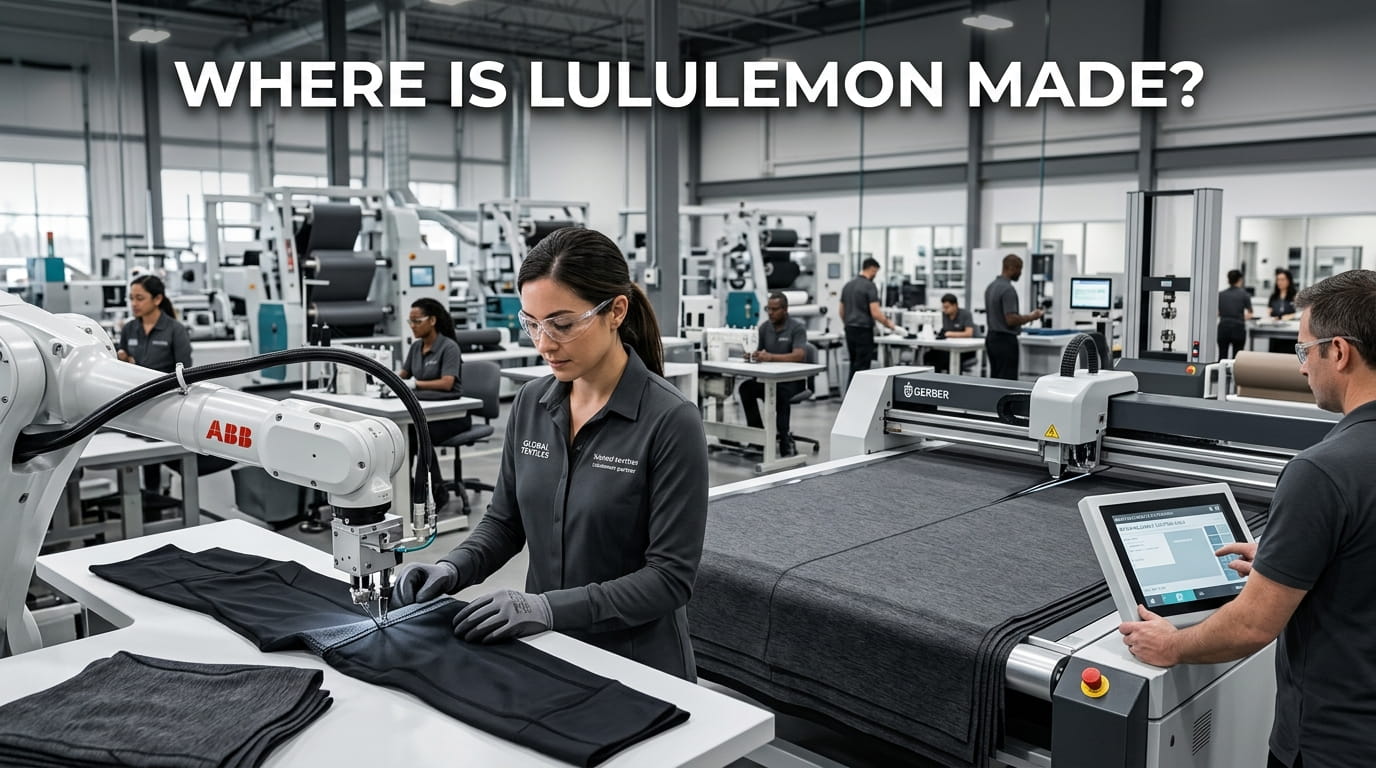
Lululemon is made primarily in Vietnam, which accounts for approximately 33 percent of total production as of 2025, followed by China at around 16 percent, with Sri Lanka, Cambodia, Indonesia, Bangladesh, and other Asian countries making up the remainder through a network of over 50 third-party factories.
Lululemon is known for its premium technical activewear including its signature Align leggings, ABC pants, Define jackets, and Scuba hoodies, which command prices well above mainstream athletic brands through a combination of proprietary fabric technology and strong brand positioning in the yoga and fitness lifestyle market.
Lululemon Athletica Inc. is a Canadian company founded in 1998 by Chip Wilson in Vancouver, British Columbia, publicly traded on the NASDAQ under the ticker LULU, and currently led by CEO Calvin McDonald who joined in 2018.
Knowing where Lululemon is made helps buyers understand that the brand’s Canadian identity and premium pricing do not reflect domestic North American manufacturing, and that the garments are produced through the same Asian supply chains used by most global activewear competitors.
This article covers where each Lululemon product category is made, how the brand’s proprietary fabrics are sourced, who owns Lululemon today, and how it compares to Athleta and Alo Yoga on manufacturing origin and pricing.
So let’s get started.
Table of Contents
Who Makes Lululemon?

Lululemon Athletica Inc. designs all its products at its Vancouver headquarters but does not own any manufacturing facilities.
All Lululemon garments are produced by an independent network of contracted factories, with Lululemon publishing its full supplier list twice per year as part of its supply chain transparency commitment.
Key manufacturing partners include Crystal Martin, Eclat Textile Vietnam, Far Eastern Apparel, and MAS Holdings in Sri Lanka.
Lululemon was founded in 1998 by Chip Wilson in Vancouver as a design studio and yoga space that evolved into a retail and product company.
The brand went public in 2007 and has grown into one of the most valuable apparel companies in the world with a market capitalization in the tens of billions of dollars. Wilson departed from the board in 2015 and no longer has operational involvement.
Where Is Lululemon Made?
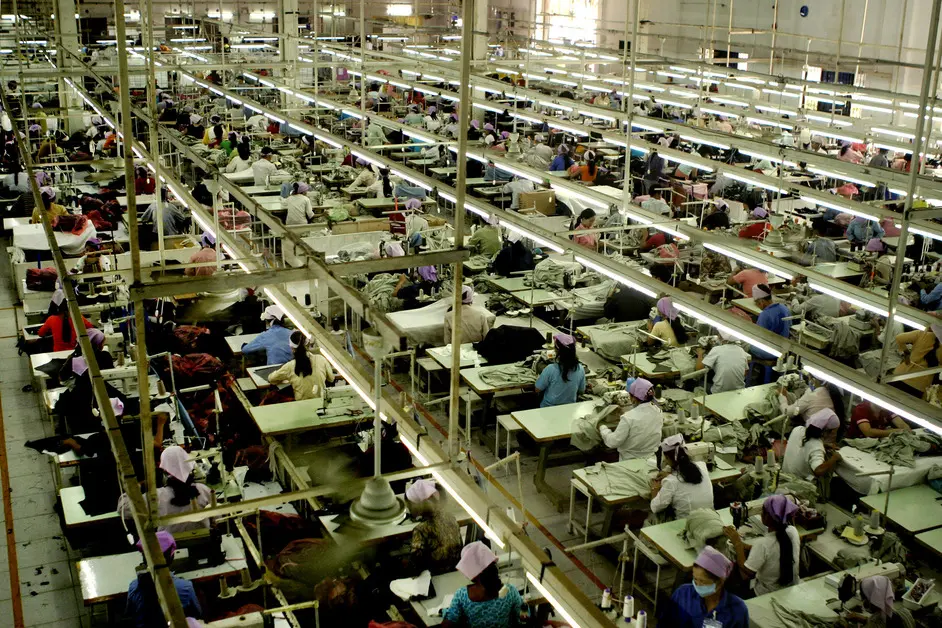
Vietnam is Lululemon’s largest production country, contributing approximately 33 percent of total garment volume as of the October 2025 Supplier List.
Key Vietnamese partners include Eclat Textile Vietnam and Pungkook Bentre Co., Ltd., which employ thousands of workers producing core leggings, tops, and technical sportswear.
China is the second largest production country at approximately 16 percent of volume, covering finished apparel in Guangdong, Jiangsu, and Anhui provinces, footwear in Guangdong, and accessories nationwide.
China is also the dominant Tier 2 supplier for fabrics and trims through mills like Apex Textile, Best Pacific Textile, and Changzhou New Wide Knitting.
Sri Lanka contributes approximately 11 percent of Lululemon’s production through partners including MAS Holdings and Bodyline Private Limited, both of which are globally respected for their labor standards.
Cambodia at 9 percent, Indonesia at 6 percent, Bangladesh, Taiwan, Philippines, Peru, and other countries make up the remaining volume. Taiwan is specifically important as the home of Eclat Textile, the manufacturer of Lululemon’s signature Luon and Nulu fabrics.
What Are Lululemon’s Proprietary Fabrics and Where Are They Made?
Lululemon’s premium pricing is partly justified by its proprietary fabric portfolio. Luon, the original signature fabric used in the Align legging and many yoga styles, is manufactured by Eclat Textile in Taiwan.
Nulu, the ultra-soft four-way stretch fabric, also comes from Eclat. Everlux, the sweat-wicking performance fabric used in high-intensity training styles, is produced at partner mills with specialized technical knitting capabilities.
These fabric partnerships give Lululemon exclusive access to performance materials that competitors cannot easily replicate, which is a key source of competitive advantage.
The finished garments made from these fabrics are then cut and sewn at assembly factories in Vietnam, Cambodia, Sri Lanka, and other countries rather than at the fabric mills themselves.
Lululemon vs. Athleta vs. Alo Yoga: Where Is Each Brand Made?
Lululemon, Athleta, and Alo Yoga are the three most premium women’s activewear brands in the United States and all three manufacture primarily in Asia. Lululemon leads in Vietnam and Sri Lanka production.
Athleta, owned by Gap Inc., also manufactures in Vietnam, Cambodia, and Sri Lanka at overlapping factories. Alo Yoga is a Los Angeles-based privately held brand that sources from Asia including Vietnam and China.
None of the three major premium activewear brands manufacture primarily in North America. The differentiation between them comes down to fabric technology, fit philosophy, retail experience, and brand community rather than geographic manufacturing origin. For other apparel brand origins, see Where Is Carhartt Made and Where Is Adidas Made.
Frequently Asked Questions About Where Lululemon Is Made
Is Lululemon made in Canada?
No. Lululemon is a Canadian company headquartered in Vancouver, but the vast majority of its products are made in Asia, primarily Vietnam, China, Sri Lanka, and Cambodia. Canada accounts for less than 5 percent of Lululemon’s manufacturing, and that small fraction is mostly limited to specialized or R&D-focused production.
Why is Lululemon so expensive if it’s made in Asia?
Lululemon’s pricing reflects proprietary fabric technology developed with exclusive manufacturing partners, extensive product testing and quality control, significant R&D investment in fit and performance, premium retail store costs, and strong brand positioning. The country of assembly does not alone determine price: Lululemon invests more per garment in material quality and testing than most comparably priced activewear brands, even though assembly happens in Asia.
How do I find out where a specific Lululemon garment was made?
Check the care label sewn inside any Lululemon garment. It will list the country of origin such as Vietnam, Sri Lanka, Cambodia, or China. Lululemon also publishes its full supplier factory list twice per year on its website at lululemon.com, providing transparency on which factories produce which product categories.

I am Jack Neel, a mechanical engineer, researcher, and writer. I created this website to share my knowledge about different brands and products with you. I research the manufacturers behind the brands and provide you with the information you need to make smart buying decisions.