
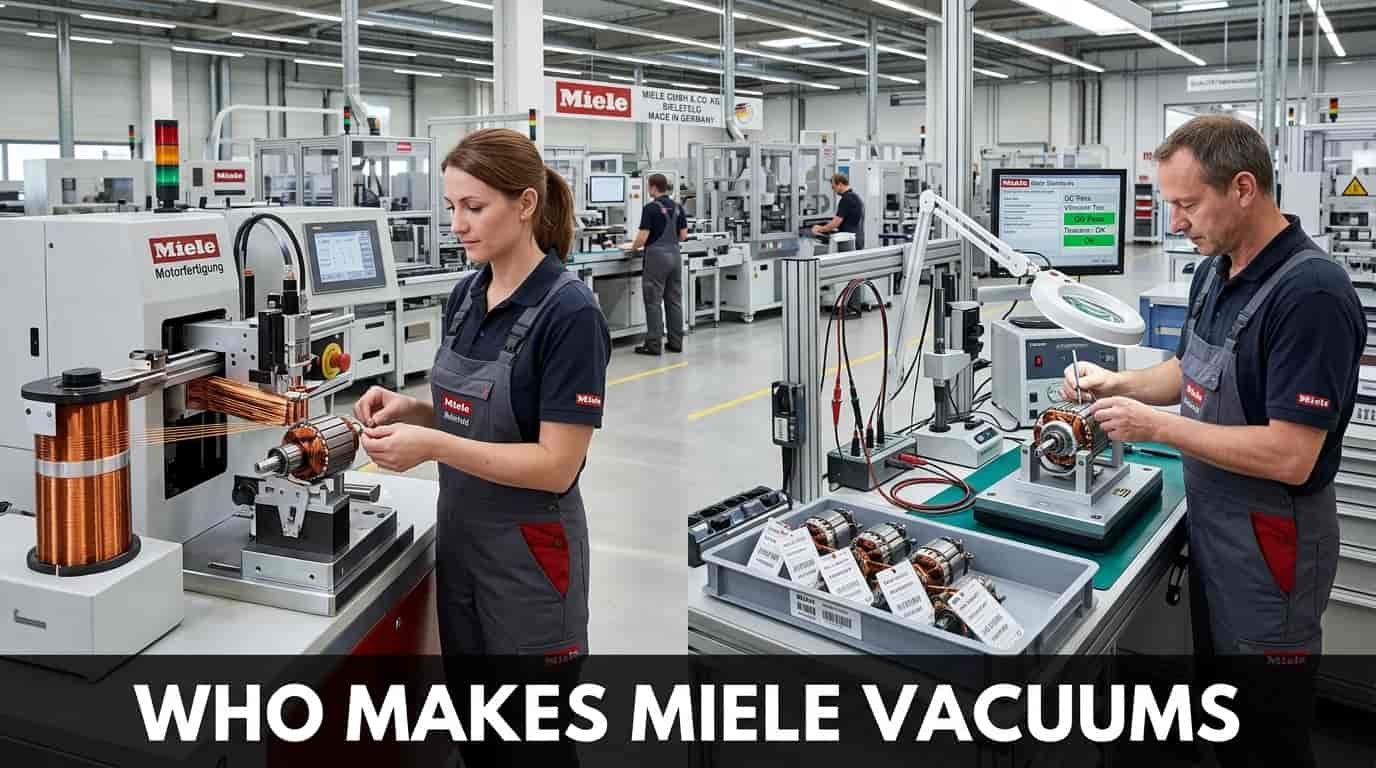
Miele vacuums are made by Miele and Cie KG, a family owned German manufacturer headquartered in Gutersloh, Germany.
Miele has built a premium reputation for engineering quality across vacuums, washing machines, and kitchen appliances, often marketed as a lifetime investment.
The company was founded in 1899 by Carl Miele and Reinhard Zinkann and has remained privately owned by the two founding families ever since.
But how has a company stayed family owned and operated for more than a century while competing against publicly traded giants like Dyson and Electrolux?
This guide will explore who owns Miele, where its vacuums are actually built, the brand history, how Miele compares to Dyson, and whether the investment is worth it.
So let’s get started.
Table of Contents
Who Owns The Miele Brand

Miele vacuums are owned and produced by Miele and Cie KG, headquartered in Gutersloh, Germany.
The company has remained privately owned by the founding Miele and Zinkann families since 1899, with the Miele family holding 51.1 percent and the Zinkann family holding 48.9 percent of the business.
Around 80 family stakeholders, all direct descendants of the two founders, hold ownership stakes in the company today. This structure has kept Miele decision making focused on long term product quality rather than short term shareholder pressure.
This long term family ownership structure is unusual among major appliance manufacturers, most of which have gone public or been acquired by larger conglomerates.
Where Are Miele Vacuums Manufactured
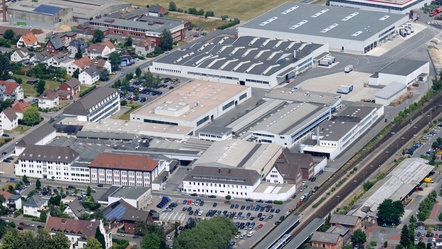
Most Miele vacuums are manufactured in Germany, with a significant portion assembled at the company Bielefeld factory.
Some components come from Romania, supplementing German production while maintaining Miele own quality standards.
Certain lower priced Miele models are built in China, giving the company a tiered manufacturing approach across its product range.
This mostly German manufacturing base is a central part of Miele premium price positioning and marketing.
The History Of Miele
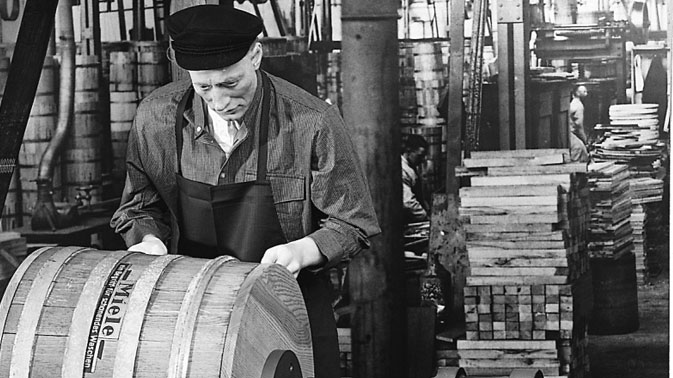
Miele was founded in 1899 by Carl Miele and Reinhard Zinkann in Gutersloh, Germany, initially producing cream separators and other farm equipment, according to Wikipedia.
The company introduced its first vacuum cleaner, called the Melior, in 1927, beginning its long history in the floor care category.
Miele expanded into washing machines, dishwashers, and other major appliances over subsequent decades while maintaining family ownership throughout.
The company has continued operating as a privately held business for more than 125 years, a rare achievement among global appliance manufacturers.
What Makes Miele Vacuums Stand Out
Miele vacuums are known for exceptional build quality, with the company testing many models to withstand decades of household use.
The lineup spans canister, upright, cordless stick, and robot vacuums, with bagged models remaining a core part of the brand identity even as many competitors moved to bagless designs.
Miele emphasizes quiet operation and strong filtration, appealing to households with allergy concerns.
Our guide to who makes Dyson vacuums covers the brand most frequently compared to Miele in the premium vacuum category.
Miele Versus Dyson Vacuums
Dyson, a privately held British company, generally emphasizes bagless cyclonic technology, while Miele has stuck with bagged designs across much of its lineup.
Miele build quality and longer expected lifespan are frequently cited as advantages over Dyson in independent testing and long term ownership reports.
Dyson tends to win on cordless stick vacuum innovation, while Miele tends to win on canister vacuum performance and overall build durability.
Both brands sit at the premium end of the vacuum market, well above mainstream budget brands like Bissell and Eureka.
Miele Product Lineup Beyond Vacuums
Vacuums are only one part of the much wider Miele appliance range.
Our guide to who makes Miele appliances covers the brand full lineup, including washing machines, dishwashers, and kitchen appliances.
This wide category spread, combined with consistent family ownership, has helped Miele maintain a stable premium reputation across every product line it sells.
Buyers who already trust Miele for other major appliances often extend that same trust to the brand vacuum lineup.
Miele Vacuum Warranty Coverage
Most Miele vacuums carry a standard limited warranty, with many models covered for several years depending on the specific product line.
Coverage generally includes defects in materials and workmanship but excludes normal wear on components like filters and brush rolls.
Miele reputation for durability means many owners report using the same vacuum well beyond the standard warranty period without major issues.
Registering a new vacuum through the Miele website can help streamline any future warranty claim. Keeping the original receipt and serial number on file is also worthwhile given the higher repair costs common with premium appliances.
Is Miele Really Good Or Really Worth It
Miele carries a strong overall reputation for build quality and longevity, reflecting its family owned, engineering focused business model.
On Trustpilot, feedback is largely positive, with customers praising easy access to replacement bags and filters, though some reviewers report mechanical issues on specific models and costly out of warranty repairs.
Common complaints involve pricier repair costs once a machine falls outside its warranty period, consistent with Miele premium positioning.
Positive reviews consistently highlight quiet operation, strong suction, and genuine multi decade durability reported by many long term owners.
For buyers who want a vacuum built to last for many years and are willing to pay a premium price upfront, Miele remains one of the strongest choices in the vacuum category. Buyers who mainly want the lowest possible upfront cost may still find better short term value from a budget brand instead.
Frequently Asked Questions About Miele Vacuums
Is Miele Still Family Owned
Yes. Miele has remained owned by the founding Miele and Zinkann families since the company was established in 1899.
Are Miele Vacuums Made In Germany
Most Miele vacuums are manufactured in Germany, though some components come from Romania and certain lower priced models are built in China.
How Long Do Miele Vacuums Typically Last
Miele vacuums are engineered for long term durability, and many owners report using the same machine reliably for well over a decade.
Is Miele More Expensive Than Dyson
Pricing between Miele and Dyson varies significantly by model, but both brands generally sit at the premium end of the vacuum market compared to mainstream competitors.

I am Jack Neel, a mechanical engineer, researcher, and writer. I created this website to share my knowledge about different brands and products with you. I research the manufacturers behind the brands and provide you with the information you need to make smart buying decisions.