
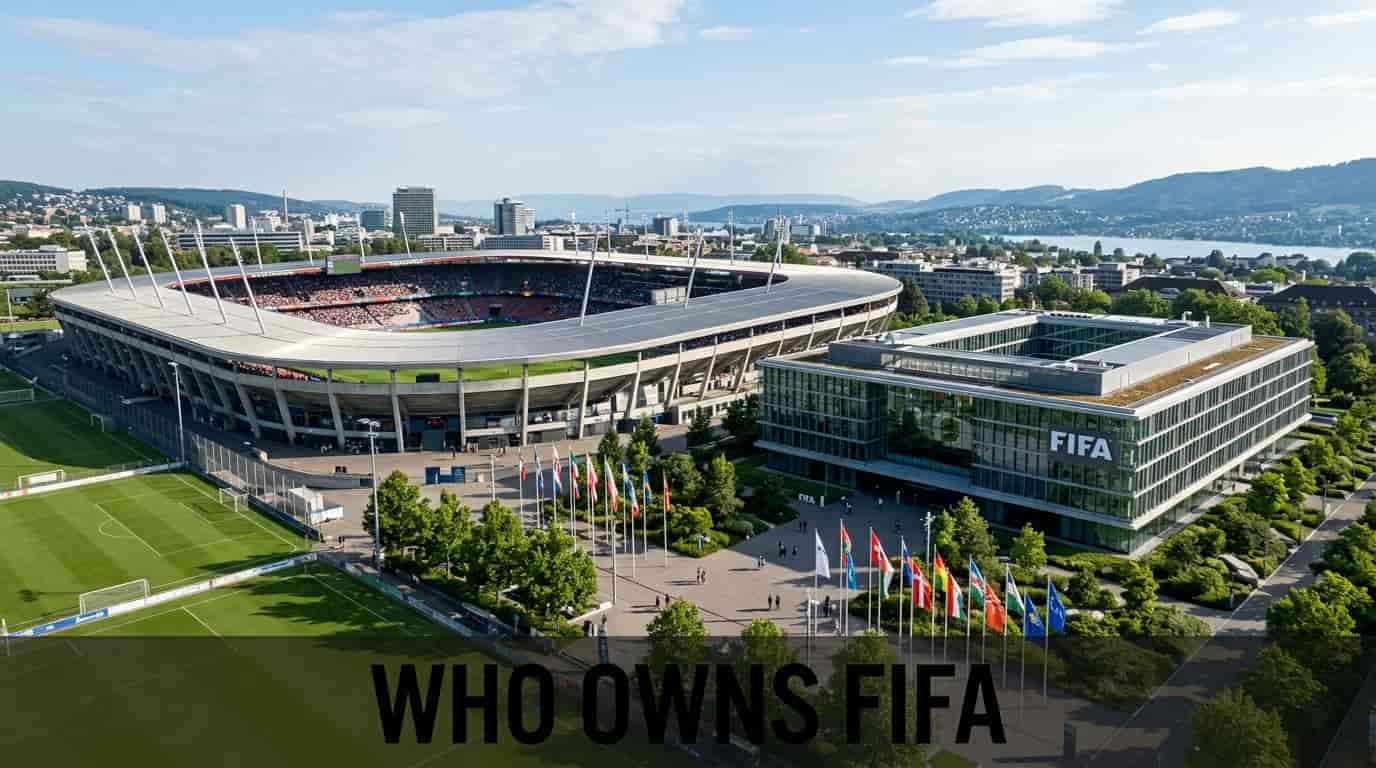
No single person, company, or government owns FIFA. It operates as a private nonprofit association under Swiss law, collectively governed by its 211 member national football associations.
FIFA built its reputation as the governing body of world football, organizing the World Cup and setting the rules that govern the sport across nearly every country on earth.
FIFA was founded in 1904 in Paris by representatives from seven European football associations, long before the organization grew into the global institution it is today.
So if nobody actually owns FIFA, how does an organization that large and powerful actually make decisions.
This guide will explore FIFA nonprofit governance structure, how its member associations vote, the FIFA Council role, and how the organization generates and distributes its enormous revenue.
So let us get started.
Table of Contents
Who Owns FIFA Right Now
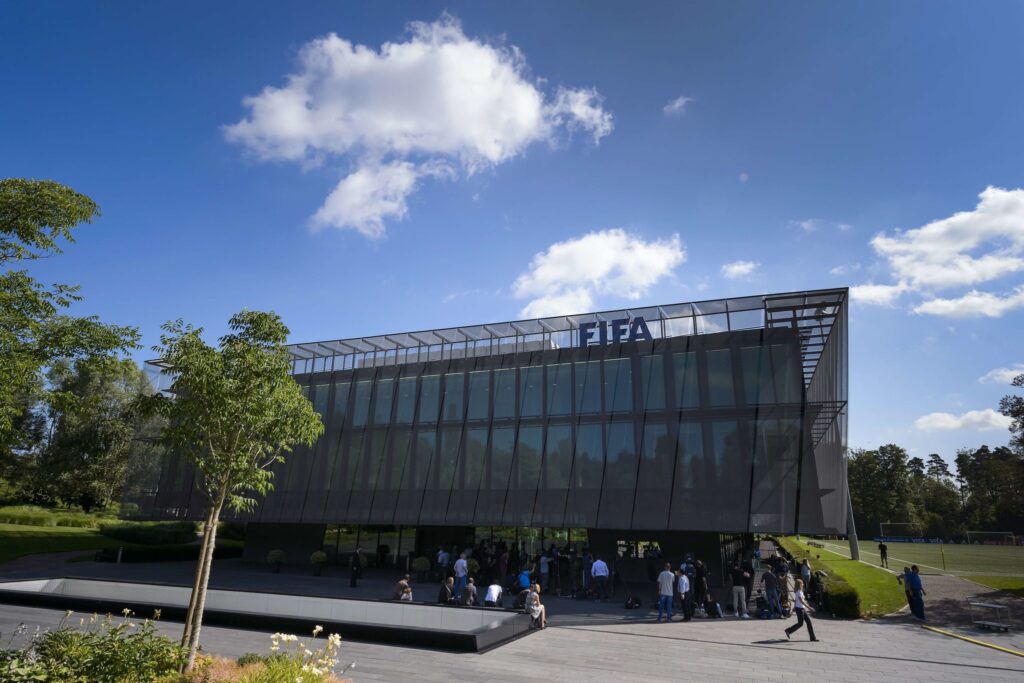
FIFA cannot be bought, sold, or traded like a company, since it operates as a private nonprofit association registered under Swiss law. Organizational details are available on the official FIFA website.
FIFA 211 national football associations collectively form its membership base, each holding equal representation regardless of their country size or wealth.
This structure means no individual billionaire, corporation, or government can purchase controlling ownership of FIFA the way someone might acquire a private company.
How FIFA Governance Structure Actually Works
The FIFA Congress serves as the organization supreme decision making body, where each of the 211 member national associations gets exactly one vote regardless of footballing power or population.
The FIFA Council, which includes the president, vice presidents, and representatives from FIFA six continental confederations, handles ongoing governance between Congress meetings.
Those six continental confederations, UEFA, CONMEBOL, CAF, AFC, CONCACAF, and OFC, each represent a distinct region and play a major role in nominating council representatives, according to legal analysis of the organization structure.
FIFA Founding History From Paris To Global Governance
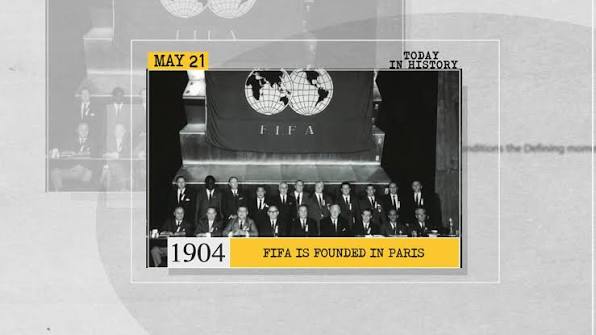
FIFA was founded in May 1904 by representatives from France, Belgium, Denmark, the Netherlands, Spain, Sweden, and Switzerland, aiming to standardize international football rules.
The organization grew slowly through the early twentieth century before the World Cup, first held in 1930, transformed FIFA into a truly global institution.
Membership expanded dramatically throughout the twentieth century as newly independent nations formed their own football associations and joined FIFA one vote per country structure.
How FIFA Generates And Distributes Its Revenue
FIFA generates the vast majority of its revenue through broadcasting rights, sponsorships, and licensing tied to the World Cup, held every four years.
A significant share of that revenue gets redistributed to member associations and confederations worldwide, funding football development programs in countries that could not otherwise afford them.
This redistribution model is central to FIFA stated mission, even as the organization has faced repeated corruption scandals over how some of that money has historically been managed.
The World Cup As FIFA Primary Revenue Engine
The men FIFA World Cup, held every four years, generates the overwhelming majority of FIFA total revenue in each four year financial cycle.
Broadcasting rights alone account for billions of dollars, with networks around the world paying enormous sums for the right to air matches to their national audiences.
The tournament massive global audience also drives lucrative sponsorship deals with major multinational brands, further padding FIFA revenue between each World Cup cycle.
FIFA Compared To Other Sports Governing Bodies
Unlike the NFL, which is owned collectively by its 32 team owners rather than member national associations, FIFA membership structure spans entire countries rather than individual franchises. Our guide to who owns the NFL explains that different ownership model in more detail.
FIFA broader nonprofit structure, spanning 211 countries, gives it a scale and political complexity that most single country sports leagues never have to navigate. Broadcast partners who pay for World Cup rights are often the same media companies covered elsewhere on this site, including our guide to who owns Fox News, whose parent company has held United States broadcast rights to the tournament.
Is FIFA Really Good Or Really Worth It
FIFA remains the unquestioned global authority over football, successfully organizing the most watched sporting event in the world every four years.
Critics point to a long history of corruption scandals, including bribery investigations tied to World Cup host selection, according to governance reporting, as ongoing sources of skepticism about FIFA structure.
Supporters note that FIFA revenue redistribution genuinely funds football development in countries that would otherwise lack resources to grow the sport domestically.
For football fans, FIFA continues delivering the sport biggest global events despite its governance controversies over the decades.
For anyone studying international governance, FIFA one country one vote structure offers a useful case study in how a nonprofit association can wield enormous global influence.
Gianni Infantino has served as FIFA president since 2016, overseeing continued expansion of the World Cup tournament format and the organization overall global reach.
Infantino has expanded the men World Cup to 48 teams starting in 2026, a change aimed at growing the tournament reach into more countries that had previously struggled to qualify.
That expanded format is expected to further increase FIFA broadcast and sponsorship revenue, since more countries qualifying tends to drive larger regional television audiences worldwide.
That growth would further reinforce the redistribution model FIFA relies on to fund football development programs across its 211 member countries.
That funding remains central to FIFA stated mission of growing the sport in places that would otherwise lack the resources to compete on a global stage.
That mission has defined FIFA public identity for well over a century now.
That identity is unlikely to change anytime soon.
Frequently Asked Questions About FIFA
Does One Country Control FIFA?
No. All 211 member national associations get one vote each in the FIFA Congress, regardless of country size or footballing power.
Who Is FIFA Current President?
Gianni Infantino has served as FIFA president since 2016.
Can FIFA Be Bought Or Sold?
No. FIFA operates as a private nonprofit association under Swiss law and cannot be purchased like a corporation.
When Was FIFA Founded?
FIFA was founded in May 1904 in Paris by representatives from seven European football associations.

I am Jack Neel, a mechanical engineer, researcher, and writer. I created this website to share my knowledge about different brands and products with you. I research the manufacturers behind the brands and provide you with the information you need to make smart buying decisions.