

Microsoft is a publicly traded company owned by its shareholders, with no single founder or family holding a controlling stake, since cofounder Bill Gates has sold or given away most of his original shares.
Microsoft built its reputation as one of the largest software companies in the world, best known for Windows, Office, and more recently its massive investment in cloud computing and artificial intelligence.
Bill Gates and Paul Allen founded Microsoft in 1975, growing it from a small programming company into one of the most valuable corporations in history.
So if Bill Gates cofounded the company, why does he own less than two percent of it today.
This guide will explore Microsoft major shareholders, Bill Gates declining ownership stake, current chief executive Satya Nadella role, and how the company compares to its AI investment in OpenAI.
So let us get started.
Table of Contents
Who Owns Microsoft Right Now
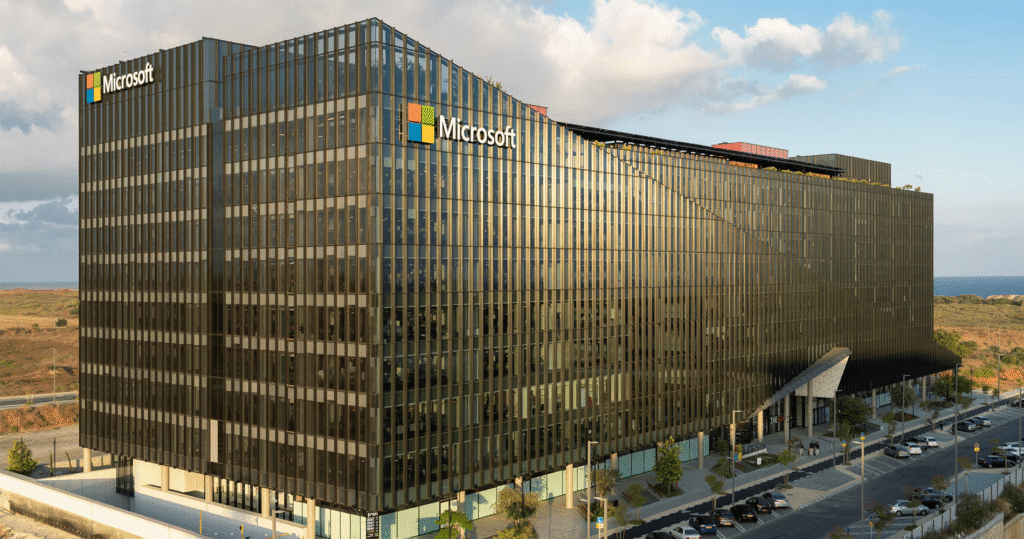
Microsoft trades publicly on Nasdaq under the ticker MSFT, meaning it is owned collectively by institutional investors, individual shareholders, and company insiders. Investor details are listed on the official Microsoft investor relations site.
Institutional investors hold roughly 72 percent of Microsoft outstanding shares, with Vanguard Group at approximately 9.1 percent, BlackRock at approximately 7.5 percent, and State Street at approximately 4.2 percent ranking as the largest holders.
No single individual or family controls a majority stake in Microsoft, making it a widely held public company managed by a professional board and executive team.
Why Bill Gates No Longer Owns Much Of Microsoft
Bill Gates cofounded Microsoft with Paul Allen in 1975 and once held a much larger ownership stake during the company early growth years.
Gates gradually sold and gifted the vast majority of his Microsoft shares over the decades, largely to fund the Bill and Melinda Gates Foundation charitable work.
Gates stepped down from Microsoft board entirely in 2020, and his direct holdings have fallen to less than two percent of the company, according to Wikipedia.
Satya Nadella Role And Ownership Stake
Satya Nadella joined Microsoft in 1992 and became chief executive in 2014, succeeding Steve Ballmer after a lengthy leadership transition.
Nadella owns roughly 0.012 percent of Microsoft outstanding shares, a stake that reflects typical executive compensation rather than founder level ownership.
Under Nadella leadership, Microsoft has shifted heavily toward cloud computing through Azure and made massive investments in artificial intelligence, most notably its stake in OpenAI.
Microsoft Massive Investment In OpenAI
Microsoft has invested roughly 13 billion dollars in OpenAI since 2019, and following OpenAI October 2025 corporate restructuring, that investment converted into a defined equity stake of roughly 27 percent.
Our guide to who owns OpenAI explains how that partnership evolved, including the two companies decision to end their exclusive cloud arrangement in April 2026.
That OpenAI stake represents one of Microsoft largest strategic investments in company history, reflecting how central artificial intelligence has become to its overall business strategy.
Microsoft Compared To Other Big Tech Shareholders Structures
Unlike Google parent company Alphabet, where founders retain majority voting control through special share classes, Microsoft has no comparable dual class structure protecting founder influence. Our guide to who owns Google explains how that founder controlled system works.
This difference means Microsoft shareholders collectively hold more direct influence over company decisions than Alphabet shareholders do, at least in terms of voting power per share owned.
Steve Ballmer Now Owns More Microsoft Stock Than Bill Gates
Steve Ballmer, Microsoft second chief executive who led the company from 2000 to 2014, now personally holds more Microsoft stock than cofounder Bill Gates.
Ballmer largely held onto his shares after leaving the company, while Gates continued gifting his own stake to the Gates Foundation for global health and development work.
This reversal illustrates how ownership at large technology companies often shifts significantly over time as founders age, transition out of leadership, and prioritize philanthropy over maintaining a large personal stake.
Is Microsoft Really Good Or Really Worth It
Microsoft consistently ranks among the most valuable and consistently profitable companies in the world, with Windows, Office, Azure, and Xbox all holding strong positions in their respective markets.
Common criticism of Microsoft centers on subscription pricing changes for Office products and ongoing antitrust scrutiny, according to shareholder analysis of the company growing dominance in cloud computing and artificial intelligence.
Investors frequently cite Microsoft diversified revenue streams across enterprise software, cloud services, and gaming as a key reason for its consistent long term stock performance.
For enterprise customers, Microsoft broad software ecosystem remains one of the most comprehensive available, even as pricing and licensing complexity draw regular criticism.
For investors, Microsoft lack of a founder controlled voting structure means shareholders collectively hold more say over company direction than at some rival technology companies.
Microsoft also runs Xbox, LinkedIn, and GitHub as major subsidiaries, each contributing meaningfully to overall revenue alongside the core Windows, Office, and Azure businesses.
LinkedIn, acquired in 2016, and GitHub, acquired in 2018, both remain independently branded even though Microsoft owns them outright, similar to how Alphabet keeps YouTube operating under its own distinct brand identity.
Microsoft Xbox division has grown significantly through acquisitions as well, including its purchase of Activision Blizzard, further expanding the company reach into console and PC gaming markets worldwide.
That gaming expansion mirrors how nearly every major technology company has pursued large acquisitions to grow beyond its original core business over the past decade.
Microsoft also continues investing heavily in its own AI research separate from OpenAI, developing tools like Copilot that integrate directly into Windows, Office, and its cloud services.
Frequently Asked Questions About Microsoft
Does Bill Gates Still Own Microsoft?
No. Bill Gates holds less than two percent of Microsoft outstanding shares today, after selling and donating most of his original stake over the decades.
Who Is Microsoft Largest Shareholder?
Vanguard Group ranks as Microsoft largest institutional shareholder, holding roughly 9.1 percent of outstanding shares.
Does Microsoft Own OpenAI?
No. Microsoft holds a large minority stake of roughly 27 percent in OpenAI Group PBC, but it does not own or control the company outright.
Who Is Microsoft Current CEO?
Satya Nadella has served as Microsoft chief executive officer since 2014.

I am Jack Neel, a mechanical engineer, researcher, and writer. I created this website to share my knowledge about different brands and products with you. I research the manufacturers behind the brands and provide you with the information you need to make smart buying decisions.