
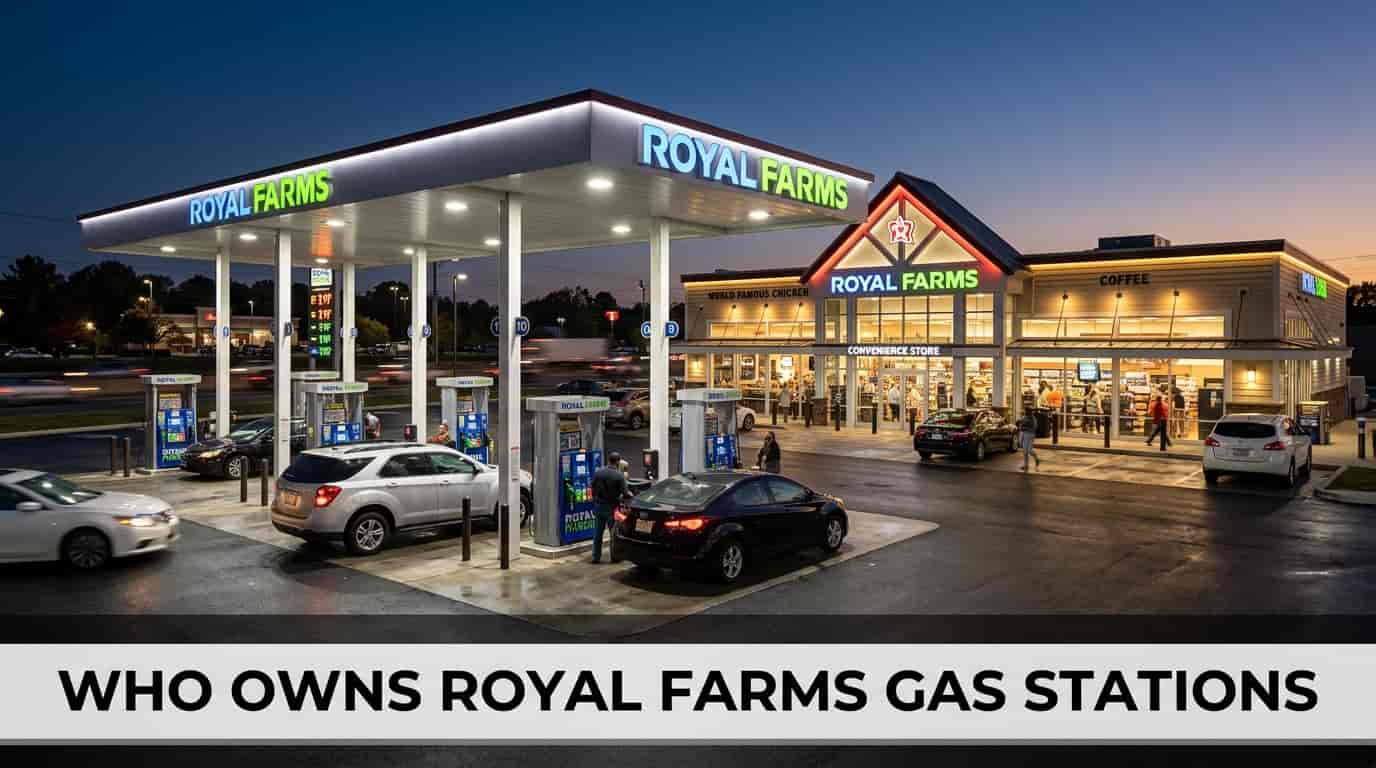
Royal Farms gas stations and convenience stores are privately owned by the Kemp family, descendants of founder Malcolm Kemp, with John Kemp currently serving as president and CEO.
Unlike many gas station chains owned by large public energy companies, Royal Farms has remained a family controlled business throughout its entire history, growing from a small dairy operation into a regional convenience store and fuel chain.
The company traces its roots back to around 1919, when Malcolm Kemp founded Cloverland Farms Dairy, and as home milk delivery declined the family opened its first walk in store in 1959, a date Royal Farms now considers its official founding, according to the companys own history published on Wikipedia.
So how did a Baltimore area dairy business turn into one of the most recognized gas station and fried chicken chains in the mid Atlantic?
This article will explore who owns Royal Farms today, the companys dairy roots, its expansion across several states, and how it compares to other gas station and convenience store brands.
So let’s get started.
Table of Contents
The Kemp Family and Royal Farms Ownership
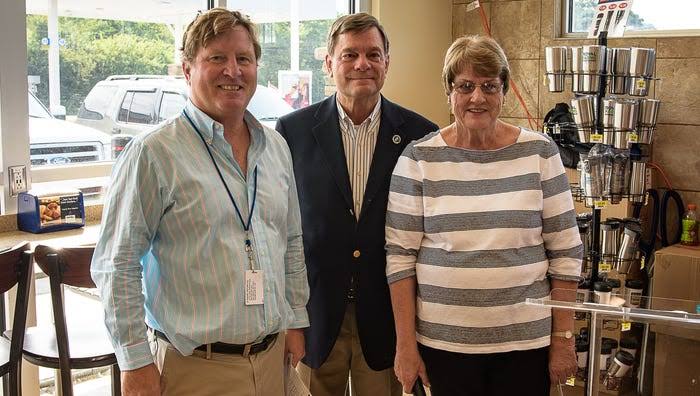
Royal Farms remains privately held by the Kemp family, with John Kemp serving as president and chief executive officer of the company.
More background on the companys leadership and history is available on the official Royal Farms website.
Because the company is privately owned rather than publicly traded, detailed financial figures are not disclosed the way they would be for a public gas station chain. This is common among family run regional chains that value operational control over the fundraising advantages that come with a public listing.
From Cloverland Farms Dairy to Royal Farms
Royal Farms began as Cloverland Farms Dairy, a Baltimore area dairy business founded by Malcolm Kemp around 1919 that delivered milk directly to homes.
As home milk delivery declined through the mid 20th century, the Kemp family opened its first retail dairy store, nicknamed the White Jug, in 1959, which eventually evolved into the modern Royal Farms convenience store format. That gradual transition from dairy delivery to retail convenience store reflects broader shifts in how Americans shopped for groceries throughout the mid 20th century.
Royal Farms Store Locations and Expansion
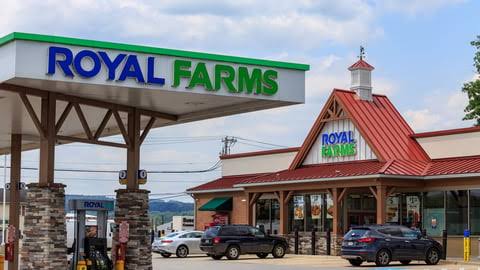
As of 2025, Royal Farms operates roughly 288 locations, with the largest concentration in Maryland, followed by Virginia, Delaware, and Pennsylvania.
The chain has been steadily expanding into new states in recent years, including North Carolina, bringing its distinctive gas station and fried chicken combination to markets that previously had no Royal Farms presence. Each new market entry typically starts with a handful of flagship stores before the chain scales up based on local demand.
The Royal Farms Fried Chicken Business Model
Unlike many gas station chains that treat food service as an afterthought, Royal Farms built its identity around fresh fried chicken made in store, alongside fuel sales and typical convenience store items.
This food first approach has helped Royal Farms build a loyal regional following, with some customers visiting specifically for the chicken rather than for gas. Local media in Maryland and Virginia have covered this phenomenon extensively, noting how unusual it is for a gas station chain to develop this kind of dedicated food following.
How Royal Farms Sources Its Fuel
Like most convenience store chains, Royal Farms purchases wholesale gasoline from major fuel suppliers and sells it under its own Royal Farms branding at the pump.
This is a different model than franchise heavy brands like Sunoco, where independent operators license a national brand name rather than a single private company running its own stores directly. This distinction affects everything from pricing consistency to how quickly the company can respond to customer feedback across its footprint.
Royal Farms Financial Backing and Growth
While Royal Farms remains family owned, the company has taken on investment support to fund its expansion, and coverage of the chains growth strategy is available through CSP Daily News, a trade publication that tracks convenience store industry trends.
This financial backing has allowed Royal Farms to open new locations at a faster pace than a purely self funded family business might otherwise manage. Even with outside investment support, the Kemp family has retained decision making control over the brand and its day to day operations.
Royal Farms vs Other Regional Gas Station Chains
Royal Farms competes with other beloved regional convenience chains known for food quality, occupying a similar niche to how Shell branded stations sometimes partner with well known food brands to differentiate themselves.
Compared to Costco fuel stations, which focus purely on discounted gas for members, Royal Farms takes the opposite approach, prioritizing food quality and customer experience over rock bottom fuel prices.
This positions Royal Farms closer to a hybrid restaurant and gas station than a traditional fuel first convenience store.
Is Royal Farms a Good Gas Station and Convenience Store Chain?
Royal Farms has built an unusually strong regional reputation, particularly for its fried chicken, which regularly draws comparisons to dedicated fast food chains rather than typical gas station food.
Customer sentiment toward the fuel side of the business is generally positive as well, with competitive pricing in most of its core mid Atlantic markets.
The combination of family ownership, consistent food quality, and steady but measured expansion has helped Royal Farms maintain a loyal following even as it grows into new states.
Frequently Asked Questions About Royal Farms Gas Stations
Is Royal Farms a family owned company?
Yes. Royal Farms is privately owned by the Kemp family, with John Kemp serving as president and CEO of the company.
When did Royal Farms start selling gas?
Royal Farms began as a dairy business in 1919 and opened its first retail store in 1959, later expanding into fuel sales as it grew into the modern convenience store chain known today.
How many Royal Farms locations are there?
Royal Farms operated approximately 288 locations as of 2025, concentrated primarily in Maryland, Virginia, Delaware, and Pennsylvania.
Is Royal Farms owned by a large oil company?
No. Unlike brands such as Sunoco, Royal Farms is not owned by a major energy company and instead remains a privately held family business.

I am Jack Neel, a mechanical engineer, researcher, and writer. I created this website to share my knowledge about different brands and products with you. I research the manufacturers behind the brands and provide you with the information you need to make smart buying decisions.