
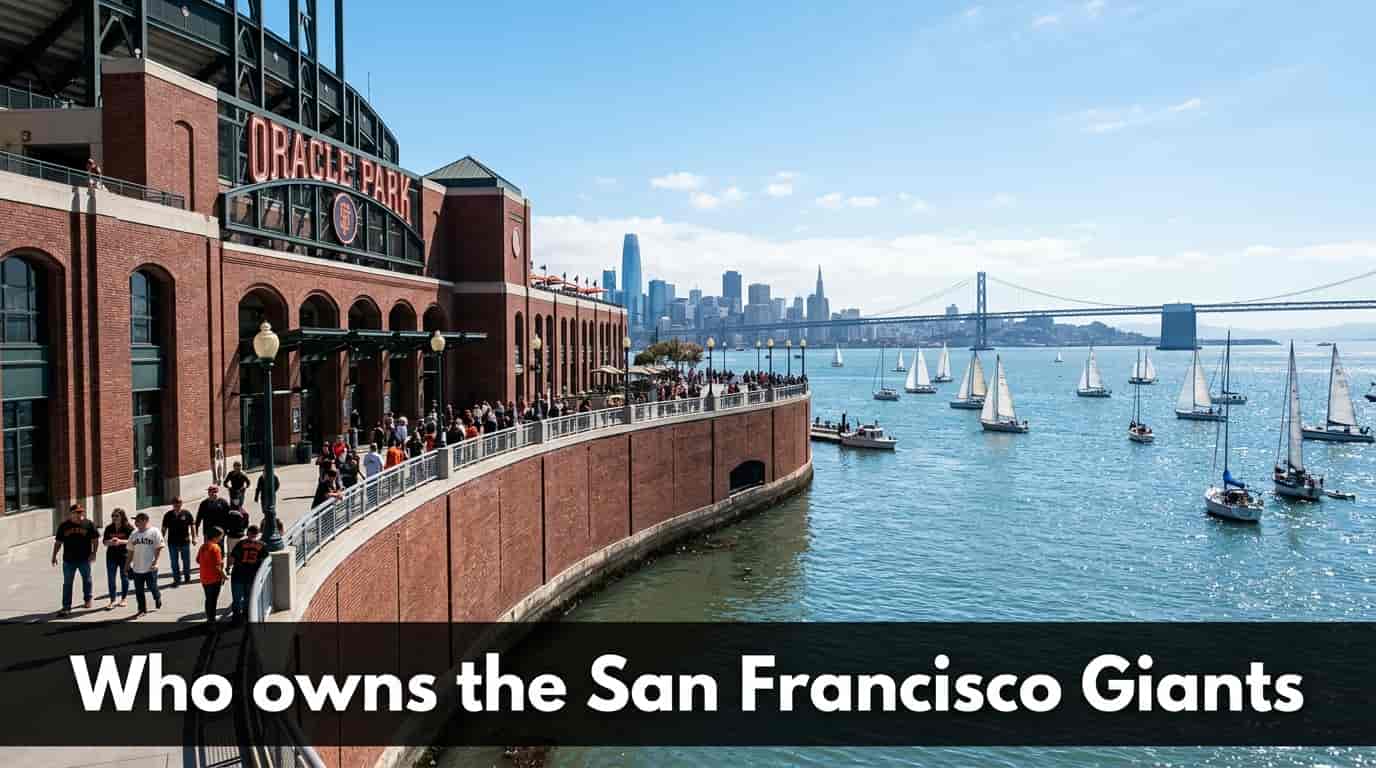
The San Francisco Giants are not owned by a single billionaire the way some MLB clubs are. The team is controlled by a large limited partnership made up of more than thirty principal partners.
Chairman Greg Johnson leads the ownership group today. He is a member of the Johnson family behind Franklin Templeton, the global investment management firm.
His father, Charles B. Johnson, remains one of the largest individual stakeholders in the franchise, holding an estimated twenty six percent of the team.
Larry Baer serves as President and Chief Executive Officer, running the business operations of the club on a daily basis.
The ownership group has grown in recent seasons as institutional investors joined the partnership. Arctos Sports Partners bought in during 2021, and Sixth Street Partners acquired a ten percent stake in 2025.
In April 2026, Forbes reported that Thrive Eternal, the new holding company founded by investor Joshua Kushner, agreed to join the Giants investor group, subject to approval from Major League Baseball.
Buster Posey, the team’s President of Baseball Operations and a former World Series winning catcher, also holds an ownership stake, blending front office leadership with equity in the club.
Forbes valued the Giants at four point zero five billion dollars in 2026, placing the club among the more valuable franchises in Major League Baseball.
Here is the genuinely interesting part. This same partnership model traces back to January 1993, when a group of local business leaders bought the Giants for one purpose only, to stop the team from packing up and moving to Florida. That rescue still shapes how the franchise is owned and run more than three decades later.
Table of Contents
San Francisco Giants Ownership At A Glance
| Team | San Francisco Giants |
| Current Owner And Chairman | Greg Johnson, Chairman, alongside principal owner Charles B. Johnson |
| Ownership Structure | Limited partnership with over thirty principal partners, including Arctos Sports Partners, Sixth Street Partners, and Thrive Eternal |
| Origin Of Current Group | Local group led by Peter Magowan bought the team from Bob Lurie for about one hundred million dollars, completed January 12, 1993 |
| 2026 Valuation | 4.05 billion dollars, per Forbes |
| Founded | 1883, as the New York Gothams |
| League And Division | Major League Baseball, National League West |
| Home Stadium | Oracle Park, San Francisco |
| World Series Titles | 8 total, five in New York and three in San Francisco |
| 2026 Revenue | 477 million dollars, per Forbes |
The Giants Ownership Structure
Rather than one majority owner, the Giants operate as a broad partnership with a chairman at the top and dozens of individual and institutional partners underneath.
Chairman
Principal Owner, roughly 26 percent stake
President and CEO
President of Baseball Operations, minority owner
Institutional investor, joined 2021
Institutional investor, 10 percent stake, joined 2025
Joshua Kushner’s holding company, joined 2026
Minority investor, joined January 2026
San Francisco Giants Ownership History
According to Wikipedia, the franchise began in New York in 1883 and did not arrive on the West Coast until seventy five years later.
The club begins play as the New York Gothams, later renamed the New York Giants.
Owner Horace Stoneham relocates the team to San Francisco for the 1958 season.
Lurie purchases the Giants and keeps the franchise from leaving for Toronto.
Lurie agrees to sell the club to a group planning to move it to the Tampa Bay area.
A group led by Peter Magowan completes its purchase of the Giants on January 12, keeping the club in San Francisco.
The club wins three World Series titles under the ownership group Magowan helped build.
Arctos, Sixth Street, and Thrive Eternal each buy stakes in the ownership group.
How The 1993 Ownership Group Saved The Giants For San Francisco
By the early 1990s, Bob Lurie had spent years failing to get a new downtown ballpark approved, and he ultimately agreed to sell the team to investors who intended to move it to Florida.
San Francisco fans, local officials, and business leaders pushed back hard. According to MLB.com, a local investment group led by Peter Magowan stepped forward to buy the team instead of allowing the relocation to happen.
The purchase closed on January 12, 1993, for a price widely reported at roughly one hundred million dollars, a deal approved unanimously by the other National League owners.
In a bold statement of intent, Magowan’s group signed superstar free agent Barry Bonds before the sale was even officially finalized.
That rescue is why the club still operates as a broad local partnership today rather than under one outside owner, a structure that traces directly back to the 1993 deal.
Is Giants Ownership Really Good Or Worth It
On the positive side, this ownership group delivered three World Series titles in 2010, 2012, and 2014, ending a championship drought that had lasted since the team’s New York days.
Oracle Park, funded privately rather than with heavy public subsidy, is regarded as one of the sport’s most beloved ballparks and remains a point of civic pride.
Perhaps most importantly, the team never left San Francisco, something fans in cities like Montreal and Oakland know is never guaranteed.
On the negative side, the Giants have struggled to return to the playoffs consistently in recent seasons, and some fans have questioned whether ownership spends aggressively enough on payroll.
The club has also faced criticism at times over front office decisions and public relations missteps, including controversy tied to team leadership.
Overall verdict: the ownership model has proven stable and civic minded, even if on field results have been inconsistent lately.
How Much Are The San Francisco Giants Worth In 2026
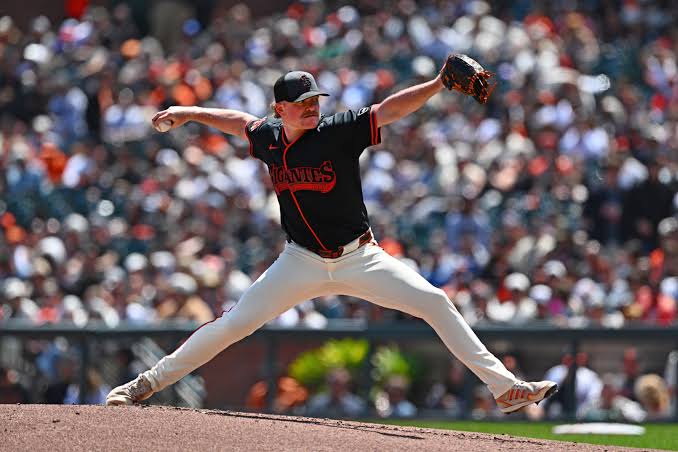
According to Forbes, the San Francisco Giants carry a 2026 franchise valuation of 4.05 billion dollars.
Forbes reports team revenue of 477 million dollars for the period, net of stadium revenue used toward debt payments.
Operating income sits at 54 million dollars, a figure that reflects earnings before interest, taxes, depreciation, and amortization.
That valuation places the Giants among the more valuable clubs in Major League Baseball, helped by a large media market and a privately financed, highly regarded ballpark.
What Is The Giants Ownership Group’s Net Worth In 2026
Chairman Greg Johnson’s wealth is tied to Franklin Templeton, the investment firm his family built. He served as its Chief Executive Officer for nearly two decades before becoming Executive Chairman.
His father, Charles B. Johnson, is estimated to hold a net worth of about 6.8 billion dollars, most of it built through his more than five decades running Franklin Resources.
Under Charles Johnson’s leadership, Franklin’s assets under management grew from about 2.5 million dollars in 1957 to more than 800 billion dollars by the time he stepped back from daily operations.
Beyond the Johnson family, the broader partnership now includes wealthy institutional players such as Arctos Sports Partners and Sixth Street Partners, plus newer entrants like Thrive Eternal, giving the group significant combined financial resources.
Oracle Park And The Giants Business Strategy
Oracle Park opened in 2000 as the first privately financed ballpark built in Major League Baseball since the 1960s, a financial gamble that paid off as the stadium became one of the sport’s signature venues.
Its waterfront location along San Francisco Bay has made it a magnet for tourism and corporate partnerships, much like other iconic Bay Area companies built their brands around the region’s identity, similar to how Waymo grew out of the same tech forward Bay Area culture.
Ownership has leaned into premium hospitality and technology partnerships at the ballpark to offset the limits of playing in a smaller media market than teams in New York or Los Angeles.
Is The San Francisco Giants For Sale In 2026
No, the San Francisco Giants are not for sale in 2026. The ownership group continues to add new limited partners rather than sell the franchise outright.
The recent additions of Sixth Street Partners, Richard Chaifetz, and Thrive Eternal show a pattern of expanding the partnership rather than a change in control.
This mirrors a broader trend across professional sports, similar to how large multi sport organizations like the NFL allow institutional capital into ownership structures while keeping founding families in control.
Frequently Asked Questions About San Francisco Giants Ownership
Who Is The Owner Of The San Francisco Giants
The Giants are owned by a large limited partnership with more than thirty principal partners, led by Chairman Greg Johnson and principal owner Charles B. Johnson.
Who Leads The Giants Ownership Group
Greg Johnson serves as Chairman, while Larry Baer runs day to day business operations as President and Chief Executive Officer.
How Did The Current Owners Get The Giants
A local group led by Peter Magowan bought the team from Bob Lurie on January 12, 1993, stopping a planned move to the Tampa Bay area of Florida.
Is The San Francisco Giants For Sale In 2026
No. The ownership group is actively adding new limited partners in 2026, including Thrive Eternal, but the franchise itself is not up for sale.

I am Jack Neel, a mechanical engineer, researcher, and writer. I created this website to share my knowledge about different brands and products with you. I research the manufacturers behind the brands and provide you with the information you need to make smart buying decisions.