
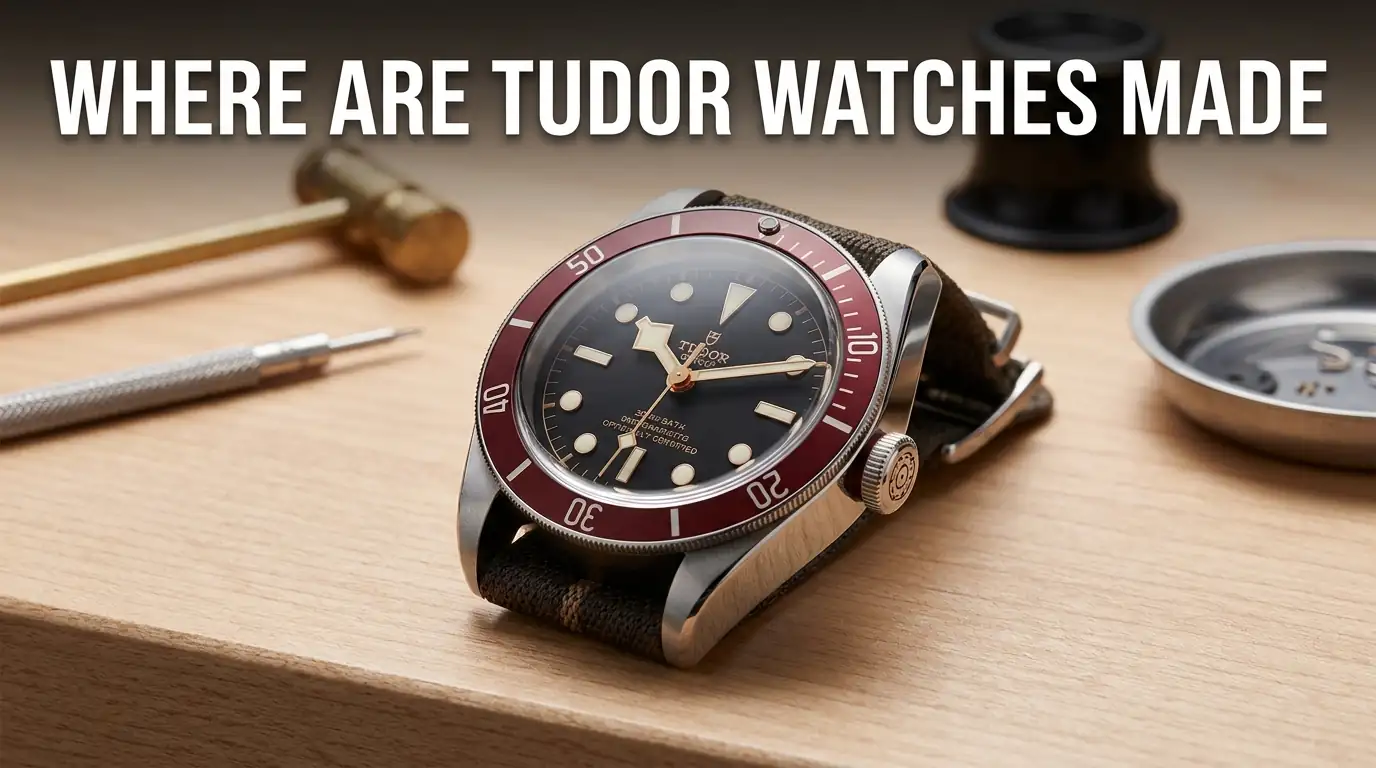
Tudor watches are made in Switzerland alongside Rolex, and the brand is owned by the same ultimate parent structure, the Hans Wilsdorf Foundation, through Rolex’s own corporate ownership.
Hans Wilsdorf, the founder of Rolex, created Tudor in 1926 specifically to offer the same level of case and bracelet quality as Rolex at a more accessible price, using outside sourced movements in its early decades.
Today Tudor produces many of its own in house movements and has become one of the most respected tool watch brands in its own right, particularly known for the Black Bay dive watch collection.
Understanding who makes Tudor means understanding its unusual relationship with Rolex, its shift toward in house manufacturing, and where its watches are actually produced in Switzerland.
This guide covers Tudor’s ownership, founding history, manufacturing locations, movement technology, current collections, pricing, and how it compares with Rolex and Seiko.
Table of Contents
Who Owns Tudor?

Tudor is owned by Montres Tudor SA, a company controlled by the same ownership structure as Rolex, ultimately traced back to the Hans Wilsdorf Foundation, a private trust established by Rolex’s founder.
Wilsdorf set up this foundation structure in the 1940s and 1950s specifically to ensure Rolex, and by extension Tudor, would remain independent and privately controlled rather than being sold to outside investors or going public.
This means Tudor is not a separate publicly traded company or part of a large conglomerate like Richemont or LVMH, but rather a sister brand operating under the same private foundation ownership as Rolex.
When Was Tudor Founded?
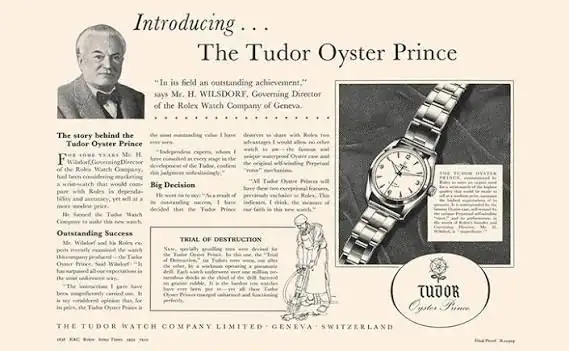
Hans Wilsdorf registered the Tudor trademark in 1926, though the brand was not formally established as its own company, Montres Tudor SA, until 1946.
Wilsdorf’s original goal was to let retailers offer customers a watch with the same Oyster case and bracelet quality found on Rolex, built to the same durability standards, but at a lower price using movements sourced from outside suppliers.
This strategy let Tudor compete in a lower price segment without diluting the Rolex name, a structure that has continued in modified form for nearly a century.
Where Are Tudor Watches Made?
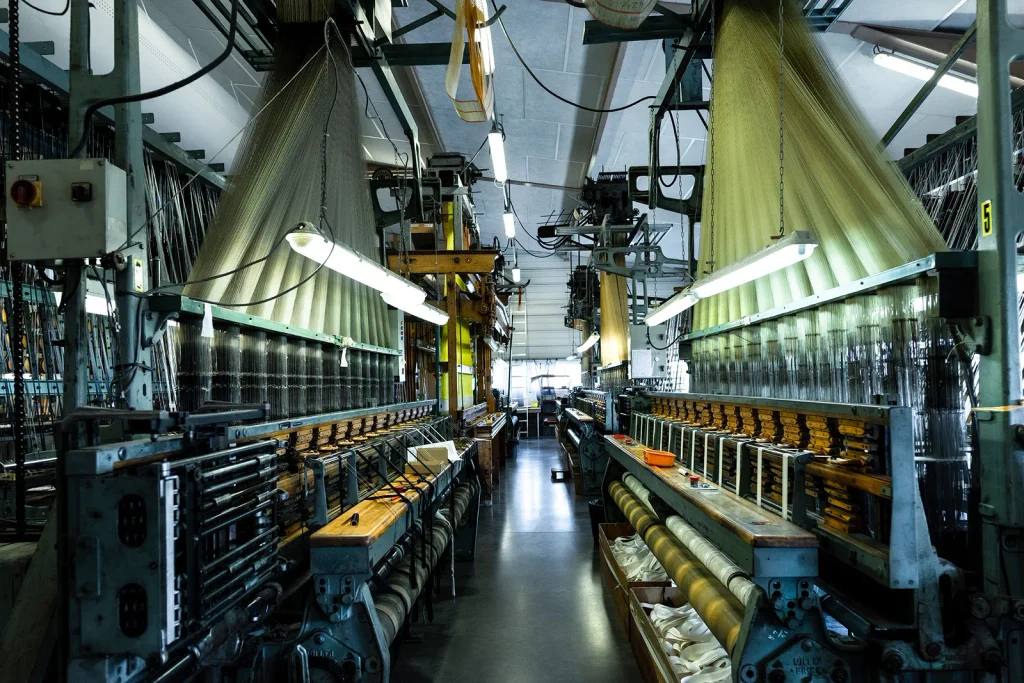
Tudor manufactures its watches in Switzerland, drawing on manufacturing infrastructure closely tied to Rolex’s own facilities, alongside a dedicated movement production partnership based in Le Locle.
Since 2015, many Tudor watches use in house automatic movements from the MT5000 series, developed through Kenissi, a Swiss movement manufacturer in which Tudor holds an ownership stake alongside other watch brands.
Earlier Tudor watches relied on movements from outside suppliers such as ETA, but the brand has steadily shifted toward genuine in house movement production over the past decade. Additional information is on Tudor’s official website.
Tudor’s Historic Military Watch Contracts
During the 1950s through 1970s, Tudor supplied Submariner style dive watches to several military organizations, including the French Navy and the United States Navy, who valued the brand’s Rolex level case durability at a lower procurement cost.
These military issued Tudor Submariners are highly sought after by collectors today, both for their historical significance and their direct connection to Rolex’s own Submariner design lineage.
That military heritage directly influenced the design of the modern Black Bay collection, which borrows case proportions and dial details from these vintage military dive watches.
What Watches Does Tudor Currently Make?
The Black Bay collection, Tudor’s most successful modern line, offers vintage inspired dive watches with in house automatic movements at a fraction of the price of a comparable Rolex Submariner.
The Pelagos line targets more serious diving use with titanium cases and additional technical features, while the Ranger and GMT collections round out Tudor’s tool watch focused catalog.
Tudor has also released special edition models tied to motorsport and sailing partnerships, extending its identity as a rugged, function first alternative to its more expensive sister brand.
How Much Do Tudor Watches Cost?
Most Tudor watches, including the popular Black Bay line, retail between 3,000 and 4,500 dollars, positioning the brand well below Rolex while still offering comparable case and bracelet quality.
The titanium Pelagos and more complicated GMT models generally range from 4,000 to 5,500 dollars, still substantially less than equivalent Rolex references.
This pricing has made Tudor one of the most recommended alternatives for buyers who want Rolex level build quality without Rolex’s waiting lists and higher price tags.
Tudor vs Rolex vs Seiko: How Do They Compare?
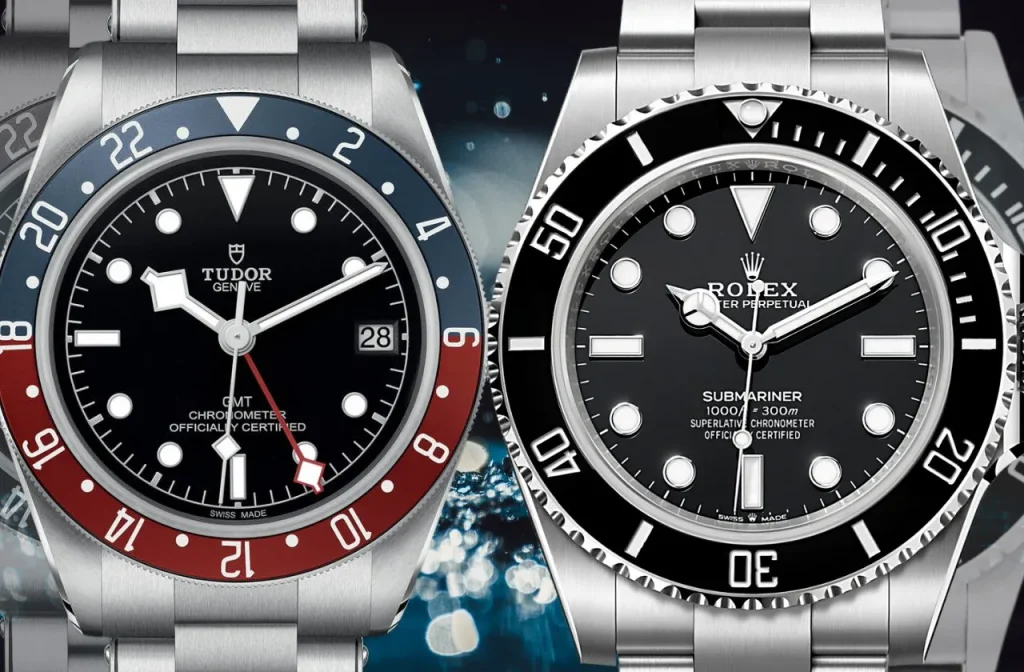
Tudor and Rolex share the same ultimate ownership and much of the same manufacturing philosophy around durability, a relationship explained in detail in our guide to where Rolex watches are made.
The key difference is price and exclusivity, since Tudor sells at roughly half the price of comparable Rolex models and does not face the same lengthy waiting lists at authorized dealers.
Seiko, covered in our article on where Seiko watches are made, sits at a lower price point still, though its Prospex dive watches sometimes draw comparisons to Tudor’s tool watch positioning.
Is Tudor Worth Buying?
Tudor is widely considered one of the strongest value propositions in Swiss watchmaking today, particularly for buyers who want Rolex quality without Rolex prices or waiting lists.
On the positive side, Tudor offers genuine in house movements, strong historical military heritage, excellent build quality shared with Rolex’s manufacturing standards, and far more accessible retail availability.
On the downside, Tudor generally holds its resale value less consistently than Rolex, and the brand carries less prestige recognition among buyers unfamiliar with its Rolex connection.
Overall, Tudor remains one of the most recommended entry points into serious Swiss tool watches, backed by manufacturing standards inherited directly from Rolex. Wikipedia’s overview of Tudor’s history covers additional milestones.
Tudor’s Shift to In House Movement Production
For most of its history, Tudor relied entirely on movements purchased from outside suppliers such as ETA, a practice common among brands that wanted Rolex level case quality without the cost of developing proprietary movements.
That changed in 2015 when Tudor introduced its first in house automatic movement, developed through its partnership with Kenissi, a dedicated Swiss movement manufacturer that also produces movements for other watch brands.
This shift allowed Tudor to offer genuine manufacture level movements across most of its current lineup while still maintaining significantly lower prices than Rolex, a combination that has driven much of the brand’s recent popularity growth. Further background is available from Wikipedia’s overview of Rolex and the Hans Wilsdorf Foundation.
How the Black Bay Revived Tudor’s Fortunes
The original Black Bay, released in 2012, drew heavily on Tudor’s vintage Submariner style dive watches from the 1950s and 1960s, combining that retro design with a modern in house movement and updated water resistance.
The model became an immediate success with collectors who wanted vintage Rolex Submariner styling without paying vintage Rolex prices, effectively repositioning Tudor from a budget alternative into a respected brand in its own right.
Since then, Tudor has expanded the Black Bay family into dozens of variations, including chronograph, GMT and ceramic bezel versions, making it the clear centerpiece of the brand’s modern catalog.
Why Rolex Chose to Keep Tudor as a Separate Brand
Rather than folding Tudor entirely into Rolex or discontinuing it, Rolex’s ownership structure has maintained Tudor as a distinct brand with its own design language, marketing and retail presence for nearly a century.
This separation allows the parent structure to compete across two different price segments without diluting Rolex’s own exclusivity and waiting list dynamics, since Tudor absorbs demand from buyers who want similar quality at a lower price.
That strategic separation has proven especially valuable in recent years, as Tudor’s own growing reputation now attracts buyers who specifically want a Tudor rather than simply treating it as a cheaper Rolex substitute.
That growing independence in reputation, even while remaining under the same ownership umbrella as Rolex, is a key reason Tudor continues to gain market share among buyers who previously might have only considered Rolex or Omega.
For prospective buyers, this dual identity, sharing Rolex’s manufacturing pedigree while building its own collector following, is a large part of what makes Tudor such a compelling option in the modern watch market.
That trajectory suggests Tudor will continue growing as its own respected name in Swiss watchmaking rather than remaining permanently in Rolex’s shadow.
Frequently Asked Questions About Where Tudor Watches Are Made
Is Tudor owned by Rolex?
Tudor operates under the same ultimate ownership structure as Rolex, both ultimately controlled by the Hans Wilsdorf Foundation, though Tudor functions as its own distinct brand with separate designs and pricing.
Where are Tudor watches manufactured?
Tudor watches are manufactured in Switzerland, using manufacturing infrastructure closely connected to Rolex alongside a dedicated movement production partnership with Kenissi based in Le Locle.
Does Tudor make its own movements now?
Yes, for most current models. Tudor introduced its first in house automatic movement in 2015 and has since expanded in house production across the majority of its collection.
Why is Tudor cheaper than Rolex?
Tudor was originally created to offer Rolex level case and bracelet quality at a lower price using outside sourced movements, and it still generally undercuts Rolex significantly despite now producing more of its own movements in house.

I am Jack Neel, a mechanical engineer, researcher, and writer. I created this website to share my knowledge about different brands and products with you. I research the manufacturers behind the brands and provide you with the information you need to make smart buying decisions.