
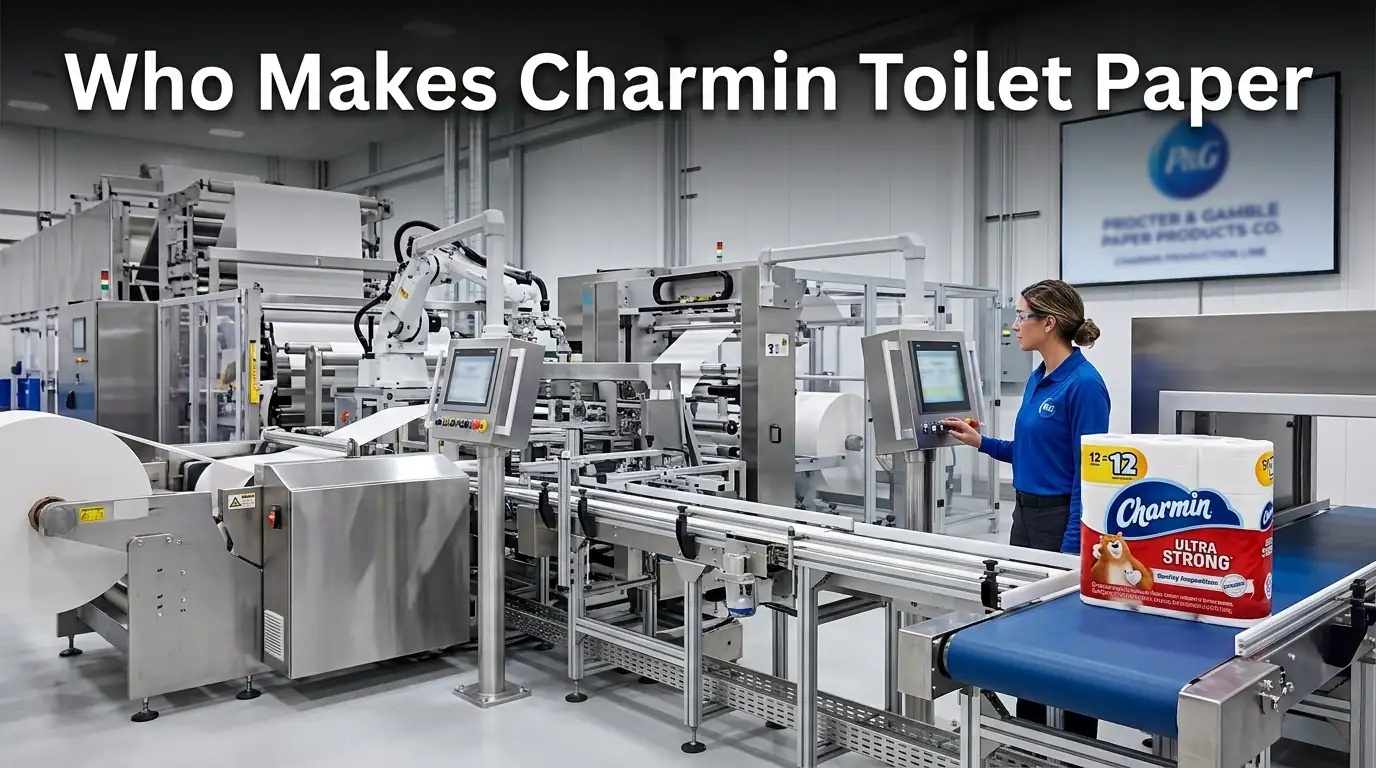
Charmin brand toilet paper is made by Procter and Gamble, one of the largest consumer goods companies in the world, which has owned the Charmin brand since 1957.
The brand actually began decades earlier, in 1928, as a small regional tissue line created by the Hoberg Paper Company in Green Bay, Wisconsin, long before it became a national household name.
What a lot of people do not realize, according to Wikipedia, is that Charmin Ultra used to be sold under a completely different name, White Cloud, until 1993, and the brand later became famous largely through a fictional grocer named Mr Whipple in one of the most recognized advertising campaigns in American television history.
In this article we will look at who makes Charmin, when it was founded, where it is manufactured today, what sets it apart from other toilet paper, how it compares to Cottonelle, and whether it is worth the price.
Table of Contents
Who Makes Charmin Toilet Paper?

Charmin is owned and manufactured directly by Procter and Gamble, giving it a single consistent parent company rather than the mix of outside contractors used by some private label brands.
Procter and Gamble acquired the Charmin Paper Company in 1957 and has continued producing and marketing the brand under its own name ever since.
As one of the largest consumer packaged goods companies on earth, Procter and Gamble also owns Bounty paper towels and Pampers diapers, putting Charmin inside a portfolio of some of the most recognized household names in the country.
That scale gives Charmin access to research labs, marketing budgets, and manufacturing technology that few standalone tissue companies could ever build on their own.
When Was Charmin Founded?
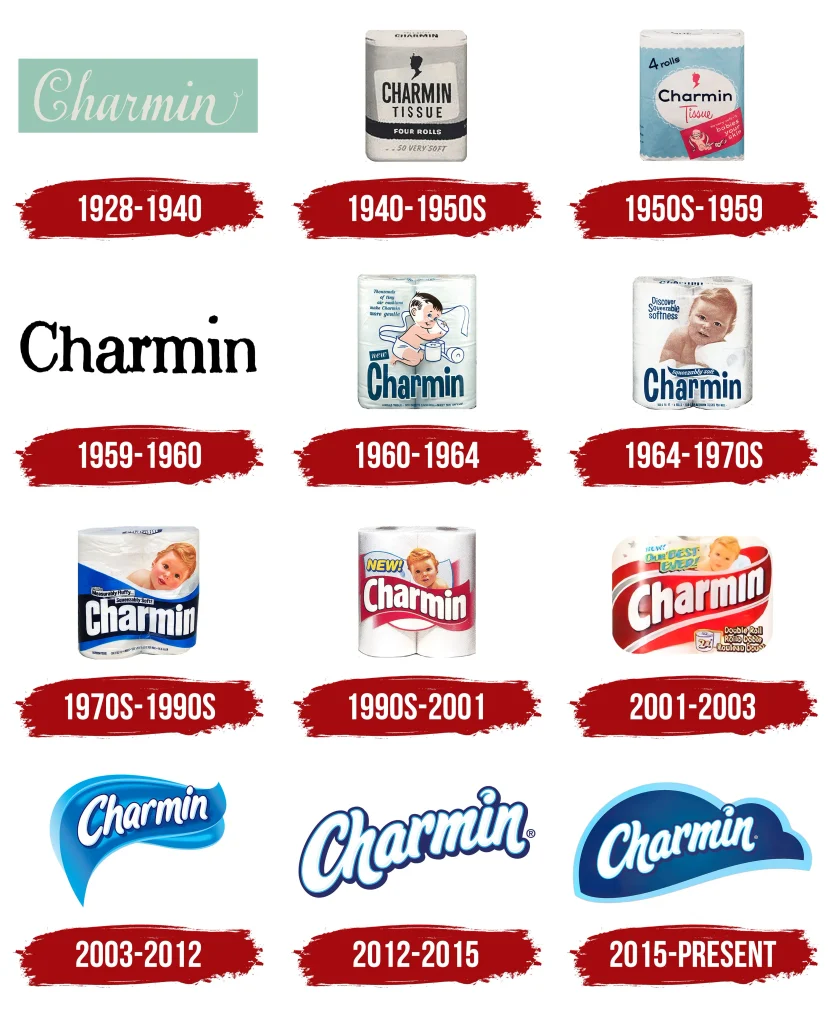
Charmin was created on April 19, 1928, by the Hoberg Paper Company in Green Bay, Wisconsin.
The name Charmin was reportedly chosen because it sounded charming, a deliberate contrast to the utilitarian tissue paper names common at the time.
Procter and Gamble purchased the brand in 1957, nearly three decades after its founding, and gradually built it into one of the best selling toilet paper brands in the United States.
By the time Charmin Ultra launched, the product line had grown far beyond its Wisconsin roots into a fixture of grocery stores nationwide.
Today Charmin sells multiple product lines side by side, including Ultra Soft, Ultra Strong, and Essentials, giving shoppers several price points under the same trusted brand name.
Where Is Charmin Toilet Paper Made?
Charmin is manufactured at several large Procter and Gamble paper mills across the United States, with the plant in Mehoopany, Pennsylvania standing out as one of the company’s most significant paper production sites.
Additional Charmin manufacturing takes place at other domestic Procter and Gamble facilities, allowing the company to supply retailers across the country without relying on a single production location.
Manufacturing toilet paper at this scale requires enormous paper mills capable of running around the clock, since Charmin is one of the highest volume tissue brands sold anywhere in the United States.
Procter and Gamble previously sold its European Charmin operations to the paper company SCA in 2008, a shift reported at the time, meaning the Charmin sold internationally today may not always trace back to the same American factories.
What Makes Charmin Different From Other Toilet Paper?
Charmin built its reputation on a plush, cushiony feel that Procter and Gamble has marketed heavily since the brand’s earliest advertising campaigns.
The Charmin Ultra Soft and Charmin Ultra Strong lines let shoppers choose between a softer feel and a more durable, higher absorbency sheet depending on their household needs.
Procter and Gamble also backs Charmin with extensive research and development resources, something smaller regional or private label toilet paper makers typically cannot match.
Charmin vs Cottonelle: How Do They Compare?
Charmin and Cottonelle are two of the biggest name brand toilet paper lines in America, and shoppers frequently debate which one feels softer or lasts longer per roll.
Cottonelle is owned by Kimberly Clark rather than Procter and Gamble, meaning the two brands come from entirely separate corporate parents despite sitting next to each other on store shelves. Both companies are massive multinational corporations that manufacture dozens of other paper and personal care products beyond just toilet paper.
Charmin tends to market itself around plushness and cushion, while Cottonelle has leaned into a cleaner, more textured sheet design, giving shoppers a genuine choice in feel rather than two nearly identical products.
Price differences between the two are usually small, so most shoppers end up choosing based on which texture and thickness their household simply prefers after trying both.
Is Charmin Toilet Paper Worth the Price?
Charmin typically costs more per roll than store brand alternatives, but many shoppers consider the extra softness and thickness worth the premium for everyday use.
Charmin Ultra Strong in particular is often recommended by Charmin’s own product lineup for households that want fewer sheets per use without sacrificing durability.
Budget focused buyers may still prefer a private label option, but Charmin remains one of the most consistently well reviewed name brand choices on the market.
Frequently Asked Questions
Who makes Charmin toilet paper?
Charmin is made by Procter and Gamble, which has owned the brand since acquiring the Charmin Paper Company in 1957.
When was Charmin toilet paper invented?
Charmin was created in 1928 by the Hoberg Paper Company in Green Bay, Wisconsin, before Procter and Gamble purchased the brand nearly thirty years later.
Where is Charmin toilet paper manufactured?
Charmin is manufactured at Procter and Gamble paper mills across the United States, including a major facility in Mehoopany, Pennsylvania.
Is Charmin the same as White Cloud?
Charmin Ultra was previously sold under the name White Cloud until 1993, when Procter and Gamble consolidated the product under the Charmin name.

I am Jack Neel, a mechanical engineer, researcher, and writer. I created this website to share my knowledge about different brands and products with you. I research the manufacturers behind the brands and provide you with the information you need to make smart buying decisions.