
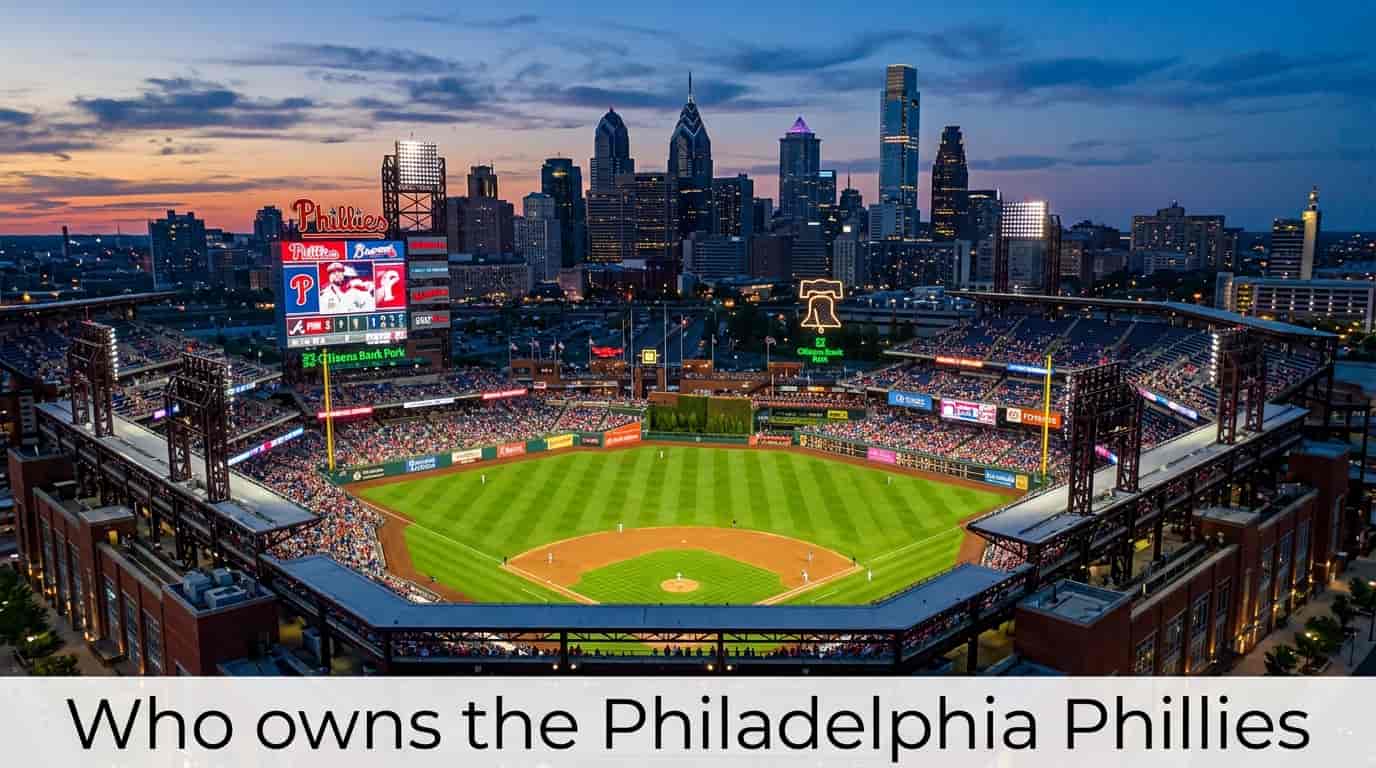
The Philadelphia Phillies are controlled by John S. Middleton, whose family has been tied to the club since 1994.
Middleton first bought a 15 percent stake in the team back in 1994 for 18 million dollars.
He steadily grew his position, reaching 48 percent by 2014.
In 2016 he was elected by fellow MLB owners as the Phillies’ control person, officially becoming the team’s principal owner.
Ownership is structured as a group, often referred to as the Middleton Buck family ownership group, with the Buck family holding a minority interest alongside Middleton.
Forbes valued the franchise at 3.4 billion dollars in its March 2026 rankings.
That figure represents nearly an 800 percent jump since the club moved into Citizens Bank Park back in 2004.
The biggest 2026 storyline is not a sale, it is money spent on the roster, with Middleton greenlighting a payroll pushing past 317 million dollars plus roughly 80 million in luxury tax and revenue sharing obligations.
He has publicly said he does not care how high the payroll climbs as long as the team wins, a stance that has made him one of the most aggressive spenders in the sport.
So how does a tobacco fortune turn into baseball’s biggest spending habit, and what happens to that habit once a new labor fight with the players’ union arrives? Keep reading to find out.
Table of Contents
Philadelphia Phillies Ownership At A Glance
| Team | Philadelphia Phillies |
| Current Owner | John S. Middleton (Middleton Buck family ownership group) |
| Ownership Group / Previous Owner | Bill Giles led investor group (bought from Ruly Carpenter in 1981) |
| Purchase Price (Middleton’s Initial Stake) | 18 million dollars for 15 percent in 1994 |
| 2026 Valuation | 3.4 billion dollars (Forbes) |
| Founded | 1883 |
| League | Major League Baseball, National League East |
| Home Stadium | Citizens Bank Park, Philadelphia |
| World Series Titles | Two (1980, 2008) |
| 2026 Projected Payroll | Roughly 317 million dollars |
The Middleton Family Ownership Structure
Control of the Phillies sits with John Middleton, but the ownership group beneath him includes family members and longtime partners.
Spouse, Family Ownership Group
Son, Producer and Team Executive
Minority Partner, Ownership Group
President of Baseball Operations
Philadelphia Phillies Ownership History
The Phillies have passed through several ownership eras since their founding, a story covered in detail on Wikipedia.
Al Reach and John Rogers establish the club in the National League.
Bob Carpenter Sr. buys the club, launching decades of family control.
Ruly Carpenter’s Phillies beat the Kansas City Royals for the franchise’s first championship.
Bill Giles leads an investor group that buys the team for 30.2 million dollars, a record price at the time.
John Middleton purchases a 15 percent stake for 18 million dollars.
The club moves into its current home stadium, fueling a huge rise in franchise value.
MLB owners formally elect Middleton as the Phillies’ principal owner.
Forbes ranks the Phillies among MLB’s most valuable franchises as spending reaches new heights.
How Much Did Middleton Pay For The Phillies In 1994
Middleton did not buy the Phillies outright in one swoop, his path to control was gradual.
He entered the ownership group in 1994 with an 18 million dollar purchase for a 15 percent stake in the club.
Over the next two decades he quietly bought out other limited partners in the Giles led ownership group.
By 2014 his stake had grown to roughly 48 percent, making him the largest single shareholder.
Two years later, in 2016, MLB owners formally elected him the club’s control person, cementing his status as principal owner.
That slow, methodical buildup means there was never one single headline purchase price for full team control, unlike some other MLB franchise sales.
Is Middleton A Good Owner: Is Phillies Ownership Really Worth It
Fans generally view Middleton favorably because he consistently reinvests in the roster rather than pocketing profits.
He has approved payrolls among the highest in baseball, including a 2026 figure pushing past 317 million dollars.
He has stated publicly that he does not care how high spending climbs as long as the team competes for championships.
On the downside, Forbes lists the team’s operating income at negative 52 million dollars for 2026, meaning the club is spending well beyond its baseball generated income.
Critics point out that despite the huge payrolls, the Phillies have not won a World Series since 2008 and lost in the 2025 divisional round.
There has also been public friction inside the front office, including a reported disagreement between Middleton, GM Dave Dombrowski, and star player Bryce Harper that needed to be resolved.
Overall verdict, Middleton ranks among the most fan friendly big spending owners in MLB, even if the championship results have not always matched the payroll.
How Much Are The Philadelphia Phillies Worth In 2026
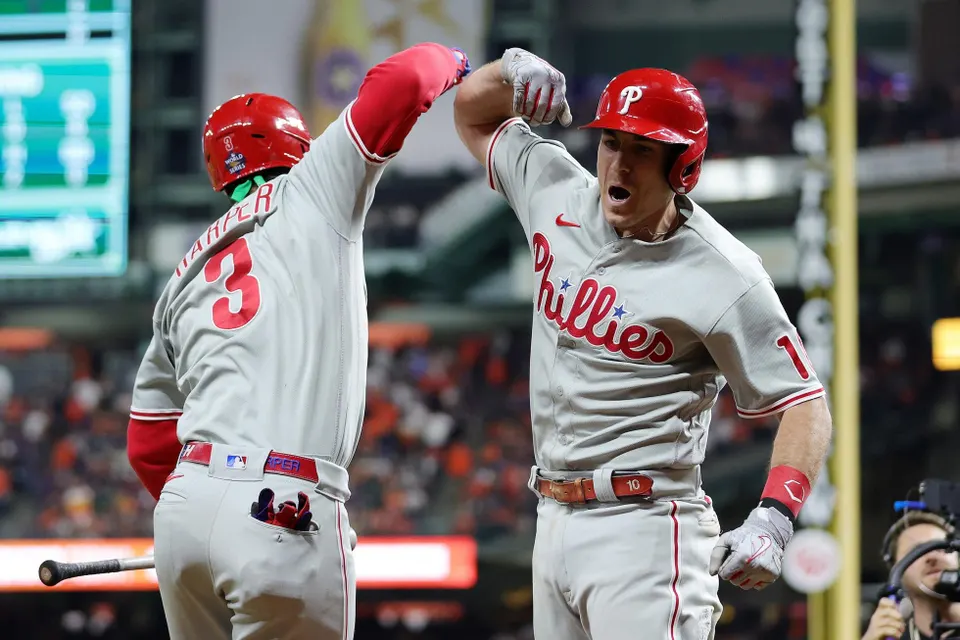
According to Forbes, the Phillies are worth 3.4 billion dollars as of the March 2026 rankings.
Annual revenue sits at roughly 539 million dollars, net of the stadium revenue used toward debt payments.
Operating income was reported at negative 52 million dollars, reflecting the club’s aggressive payroll spending relative to earnings.
The franchise has appreciated nearly 800 percent since the move to Citizens Bank Park in 2004, when it ranked just 15th among MLB teams by value.
What Is John Middleton’s Net Worth In 2026
Forbes places John Middleton’s net worth at 4.3 billion dollars as of July 2026.
Most of that fortune traces back to the 2007 sale of his family’s tobacco company, John Middleton Co, to Altria for 2.9 billion dollars in cash.
The Middleton family business dated back to 1856 and became known for the Black and Mild cigar brand before the Altria deal.
His nearly 50 percent stake in the Phillies now makes up a significant additional piece of his overall net worth.
Citizens Bank Park And The Phillies Business Strategy
Citizens Bank Park opened in 2004 in the South Philadelphia Sports Complex, replacing Veterans Stadium.
The new ballpark drove a massive spike in franchise value, part of the roughly 800 percent appreciation Forbes has tracked since the move.
Middleton has paired that stadium revenue engine with heavy reinvestment in payroll rather than distributing profits, a strategy that mirrors how another major Philadelphia based company, Comcast, has approached long term local investment in the city.
The result is a club that consistently ranks among MLB’s top spenders while operating at a reported loss on paper.
Is The Philadelphia Phillies For Sale In 2026
There is no indication the Phillies are for sale in 2026, John Middleton remains firmly in control as the club’s principal owner.
Middleton has repeatedly signaled long term commitment, continuing to approve record payrolls rather than pulling back spending.
His son, John Powers Middleton, is already active in team operations, suggesting the family intends to keep control within the family for years to come.
Ownership succession in major sports leagues can be complex, a topic explored further in our Who Owns the NFL breakdown.
Frequently Asked Questions About Philadelphia Phillies Ownership
Who Is The Owner Of The Philadelphia Phillies
John S. Middleton is the principal owner and control person of the Philadelphia Phillies, leading the Middleton Buck family ownership group.
Who Is John Middleton
John Middleton is a Pennsylvania businessman who built his fortune through his family’s tobacco company before becoming the Phillies’ controlling owner in 2016.
How Much Did Middleton Pay For The Phillies
Middleton paid 18 million dollars for an initial 15 percent stake in 1994 and gradually expanded his ownership to nearly 50 percent by 2014.
Is The Philadelphia Phillies For Sale In 2026
No, the Phillies are not for sale in 2026, with John Middleton continuing to invest heavily in the roster and front office.

I am Jack Neel, a mechanical engineer, researcher, and writer. I created this website to share my knowledge about different brands and products with you. I research the manufacturers behind the brands and provide you with the information you need to make smart buying decisions.