
RC Cola is made by Keurig Dr Pepper in the United States, while the international rights to the brand are managed by RC Global Beverages, making it one of the few major soft drink brands split between two different corporate owners depending on the country where it is sold.
RC Cola holds the distinction of being the original third-cola challenger, born in Columbus, Georgia in 1905, and is known for a long history of innovations including being the first national brand to sell cola in cans and the first to introduce a diet cola to the mass market.
Keurig Dr Pepper (Nasdaq: KDP), headquartered in Burlington, Massachusetts and Frisco, Texas, is the current owner of RC Cola in North America, having inherited the brand through a chain of acquisitions ending with the 2018 merger of Keurig Green Mountain and Dr Pepper Snapple Group, which itself had acquired RC Cola through Cadbury Schweppes in 2000.
Knowing who makes RC Cola helps buyers understand why the brand has a different feel and market presence from Coca-Cola and Pepsi, and why its ownership structure is unusually fragmented compared to its larger rivals.
This article covers Keurig Dr Pepper’s ownership of RC Cola in the U.S., the international ownership split, the brand’s remarkable history, and how RC Cola compares to Pepsi and Coca-Cola on corporate structure.
So let’s get started.
Table of Contents
Who Makes RC Cola?
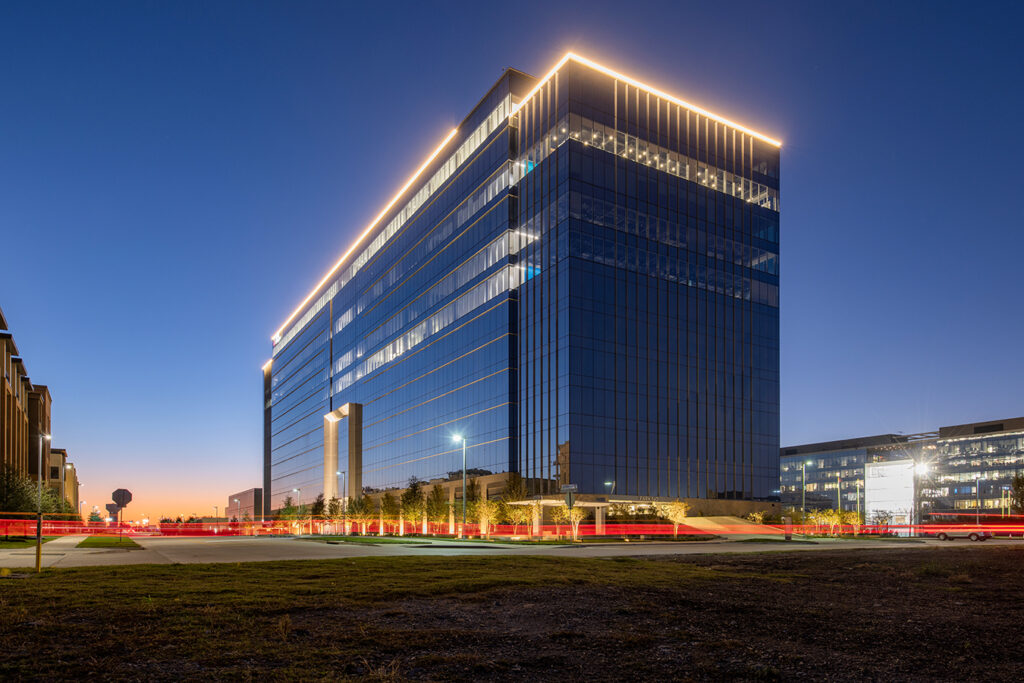
Keurig Dr Pepper (KDP) owns and distributes RC Cola in the United States through its extensive North American beverage distribution network.
According to the RC Cola Wikipedia entry, the brand is manufactured by Keurig Dr Pepper in the U.S. while the international rights are held by RC Global Beverages, Inc., a separate entity that handles the RC Cola brand outside North America.
Keurig Dr Pepper was formed in 2018 through the merger of Keurig Green Mountain and Dr Pepper Snapple Group and now generates annual revenue of more than $15 billion across a portfolio that includes Dr Pepper, Canada Dry, 7UP, Snapple, A&W, and Mott’s in addition to RC Cola.
KDP operates its own bottling and distribution network in the United States, giving RC Cola access to national shelf presence that would be difficult for a standalone brand to achieve.
RC Cola’s production follows the same concentrate-to-bottler model used by all major cola brands.
KDP supplies the RC Cola concentrate to licensed bottlers who combine it with carbonated water and package it locally.
In markets where RC Cola has a strong regional presence, such as the American South, this bottling network ensures consistent availability despite the brand’s relatively small national market share.
Who Owns RC Cola Internationally?
Outside the United States, RC Cola is owned and marketed by RC Global Beverages, Inc., which was formed in 2001 when Dr Pepper Snapple Group (then Cadbury Schweppes) sold all non-U.S. RC Cola branded businesses to Cott Beverages of Mississauga, Ontario, Canada.
RC Global Beverages subsequently acquired those international rights and operates the brand across Asia, Europe, and other markets independently from KDP’s North American operations.
This split ownership structure means the RC Cola you drink in the Philippines, Poland, or Thailand is produced and managed by an entirely different company than the RC Cola sold in Tennessee or Texas.
The formula and brand identity are shared, but the corporate parent, bottling relationships, and marketing strategies operate independently in each market.
RC Cola is particularly strong in parts of Southeast Asia, where it has built a loyal consumer base despite facing the full weight of Coca-Cola and Pepsi’s marketing resources.
In the Philippines, the brand has historically been one of the top three cola choices, giving RC Global Beverages a commercially significant international footprint beyond what the brand’s U.S. market share would suggest.
What Is the History of RC Cola?
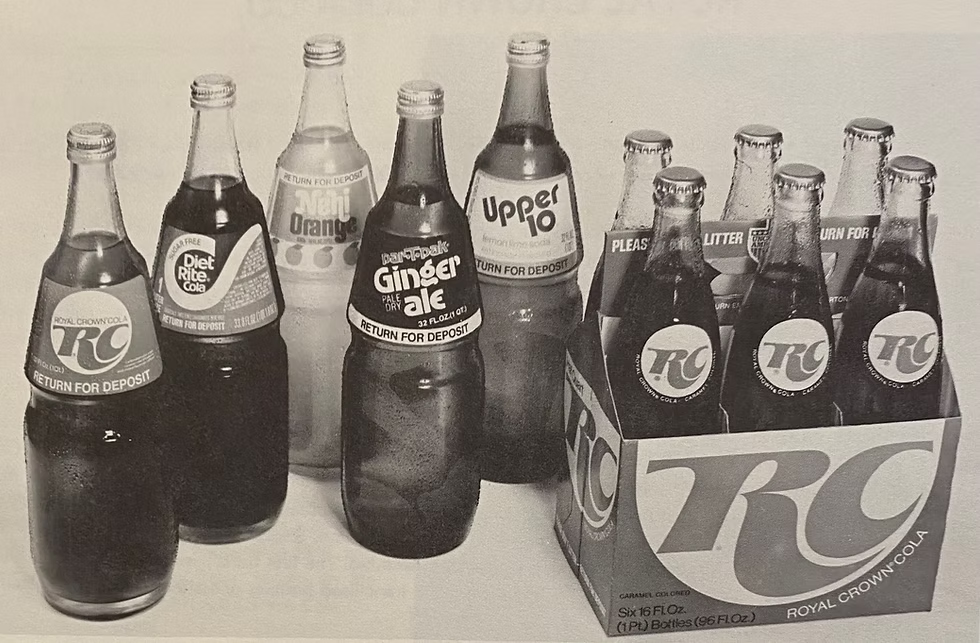
RC Cola traces its origin to 1905 in Columbus, Georgia, where pharmacist Claud A. Hatcher began developing soft drink formulas in his family’s grocery store basement after a dispute with a Coca-Cola syrup salesman who refused to offer bulk pricing.
Hatcher’s first products were ginger ale and cherry cola sold under the Royal Crown name, and the business grew into the Union Bottling Works and later the Nehi Corporation, named after the brand’s popular fruit-flavored sodas.
After Hatcher’s death in 1933, company chemist Rufus Kamm reformulated the cola product into a cleaner, more refreshing recipe that was relaunched as Royal Crown Cola and became an immediate success.
The company officially renamed itself Royal Crown Cola Co. and by 1940 had distribution across 47 of the 48 U.S. states.
RC Cola was the first national brand to sell cola in cans in 1954 and the first to introduce a diet cola nationally in 1958 with Diet Rite Cola, predating Diet Pepsi and Tab by several years.
The brand passed through Triarc Companies in 1993 before being acquired by Cadbury Schweppes in 2000, folded into Dr Pepper Snapple Group, and then inherited by Keurig Dr Pepper at the 2018 merger.
As of August 2025, KDP announced plans to acquire JDE Peet’s and subsequently separate into two independent publicly traded companies, which may affect how RC Cola and other KDP brands are structured going forward.
RC Cola vs. Coca-Cola and Pepsi: How Does the Ownership Compare?
RC Cola, Coca-Cola, and Pepsi all follow the same fundamental business model of producing a proprietary concentrate and distributing it through licensed bottling networks.
The key difference is scale: Coca-Cola (NYSE: KO) and PepsiCo (Nasdaq: PEP) are two of the largest companies in the world by revenue, while RC Cola is a minor brand within Keurig Dr Pepper’s portfolio rather than a flagship product commanding major marketing investment.
Coca-Cola and PepsiCo each own their primary cola brand entirely and globally with no international ownership split.
RC Cola’s divided structure, with KDP owning U.S. rights and RC Global Beverages owning international rights, is unusual and reflects the piecemeal corporate history through which the brand changed hands multiple times across different decades.
For consumers, the practical result is that RC Cola receives far less marketing support in the U.S. than Coke or Pepsi, which explains its smaller shelf presence and market share.
However, in certain regional markets and among consumers who specifically seek alternatives to the two dominant cola brands, RC Cola has maintained a loyal following for over a century. For other soda brand ownership articles, see Who Makes 7UP and Who Makes Dr Pepper.
Frequently Asked Questions About RC Cola
Is RC Cola still made?
Yes. RC Cola is still produced and distributed in the United States by Keurig Dr Pepper and internationally by RC Global Beverages. It remains available at select retailers and through KDP’s distribution network, though its shelf presence is more limited than Coca-Cola or Pepsi.
Who owns RC Cola now?
RC Cola in the United States is owned by Keurig Dr Pepper (Nasdaq: KDP). The international brand rights are held by RC Global Beverages, Inc., a separate company that manages the RC Cola brand outside North America. The split ownership dates to 2001 when Cadbury Schweppes sold the non-U.S. rights.
Where did RC Cola originate?
RC Cola originated in Columbus, Georgia in 1905, created by pharmacist Claud A. Hatcher after a dispute with a Coca-Cola syrup salesman. The modern Royal Crown Cola formula was developed in the early 1930s and became a national brand by 1940.
Is RC Cola part of Coca-Cola or Pepsi?
No. RC Cola is not owned by Coca-Cola or PepsiCo. In the United States it belongs to Keurig Dr Pepper, a separate beverage conglomerate that also owns Dr Pepper, Canada Dry, 7UP, and Snapple.

I am Jack Neel, a mechanical engineer, researcher, and writer. I created this website to share my knowledge about different brands and products with you. I research the manufacturers behind the brands and provide you with the information you need to make smart buying decisions.